Tambora! Cover Image

Tambora!: Flexible Band/String Ensemble Score

$10.00 USD
Sale price  $10.00 USD Regular price 
Skip to product information
Tambora! Cover Image

Tambora!: Flexible Band/String Ensemble Score

By William Owens

Level:.5

Item: 98-B1836S

$10.00
Shipped

One moment…

Description
Using just six notes, this intense work evokes the power and ferocity of an active Indonesian volcano! After an epic opening, bold melodic lines intertwine with moments of clapping and stomping while an array of percussion colors paint a vivid picture of the 1815 Mount Tambora eruption and the tragic aftermath. Simply stunning!

Tambora!: Flexible Band/String Ensemble Score isn't in MakeMusic Cloud just yet...but it could be. Let us know you'd like to see it, and you'll help shape what comes next. In the meantime, start a free trial and dive into thousands of interactive titles your students can play along with today.

Sample Pages

Sample Audio
No sample audio found.
Sample Video
Additional Details
Series: The ReImagine Initiative
Publisher: The FJH Music Company, Inc.
UPC: 241444533482
SKU: 98-B1836S
Instrumentation: 3-Part Fully Adaptable with Percussion

More about this title

About the Composer: William Owens
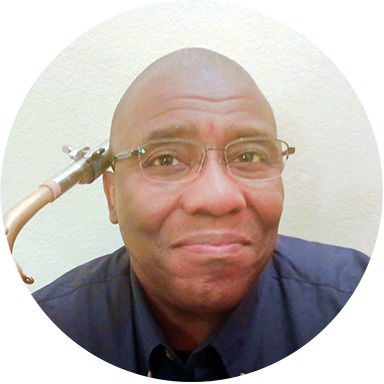
William Owens

William Owens has spent three decades shaping young musicians as a band director in Texas while maintaining an extraordinary output as a composer. Since 1993, he has written more than 300 works for concert band, string orchestra, and chamber ensembles, many of which have become standards in school music programs across North America and beyond.

A VanderCook College of Music graduate and ASCAP member, Owens brings a pragmatic understanding of what young ensembles need: music that sounds impressive, engages students, and works within real classroom constraints. His approach has earned recognition from the Texas Bandmasters Association, commissions from regional colleges and national music organizations, and inclusion on required music lists in schools nationwide. He now resides in Fort Worth with his wife Georgia, pursuing interests in American history and classic automobiles.

Why we love this

Owens achieves genuine dramatic impact with a six-note palette, proving that constraint breeds creativity. The interplay between pitched instruments and body percussion (clapping and stomping) gives every student a visceral role in depicting this volcanic catastrophe, making it as rewarding to teach as it is to perform.

What to expect

Primal and kinetic. The writing captures the raw power of a natural disaster through relentless rhythmic propulsion and bold, interlocking melodies that refuse to settle. Moments of silence punctuate the chaos, emphasizing the human cost alongside the geological fury.

Who it's for

Beginning and early intermediate bands and flexible ensembles (band, strings, or mixed) looking for culturally grounded repertoire with immediate impact. This works equally well for festival programming or as a centerpiece for a lesson on non-Western music and natural disasters.

How to get the most out of it

  • Lock the body percussion rhythms early. The clapping and stomping patterns are the structural backbone; once your ensemble owns those, the melodic lines fall into place naturally.
  • Adjust your instrumentation to match your ensemble. The 3-part adaptable design means you can assign notes to whatever instruments you have available, whether that's flutes and clarinets or violins and violas.
  • Build dynamic contrast into the opening. The eruption begins with intensity, but give yourself room to expand further; the aftermath sections benefit from the contrast.

How to use it

Open a concert with this to grab attention immediately, or place it mid-program as a palate cleanser between lyrical works. Its brevity and high energy also make it ideal for festival entries where you want to showcase ensemble precision and musicality in a tight, memorable package.

Skills your students will build

  • Reading and executing rhythmic unison across multiple instrument families
  • Layering independent melodic lines while maintaining ensemble cohesion
  • Coordinating pitched instruments with body percussion (clapping and stomping)
  • Dynamic control and dramatic timing in narrative music
  • Adapting to flexible instrumentation and playing assigned note patterns on available instruments

You May Also Like