

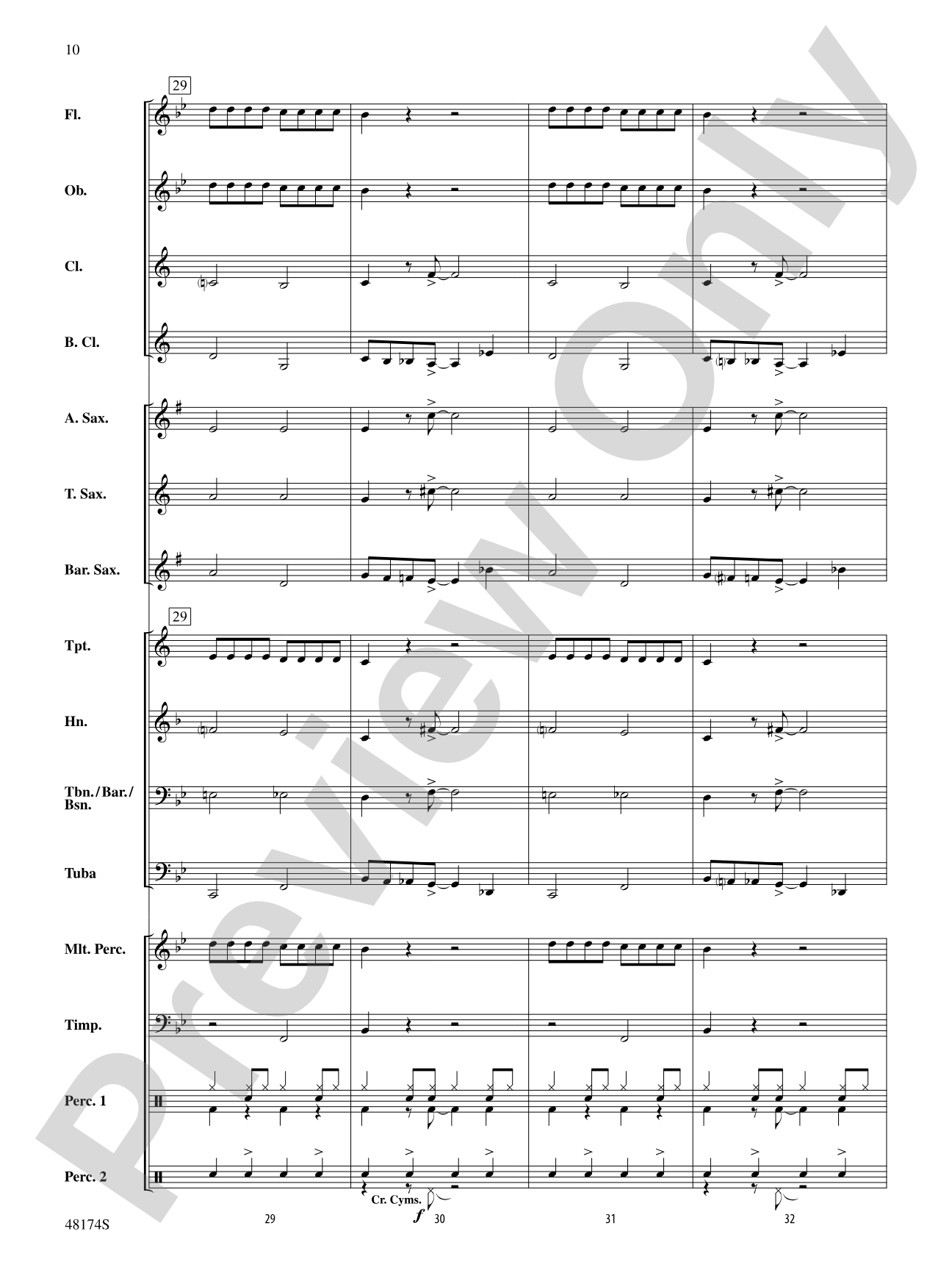
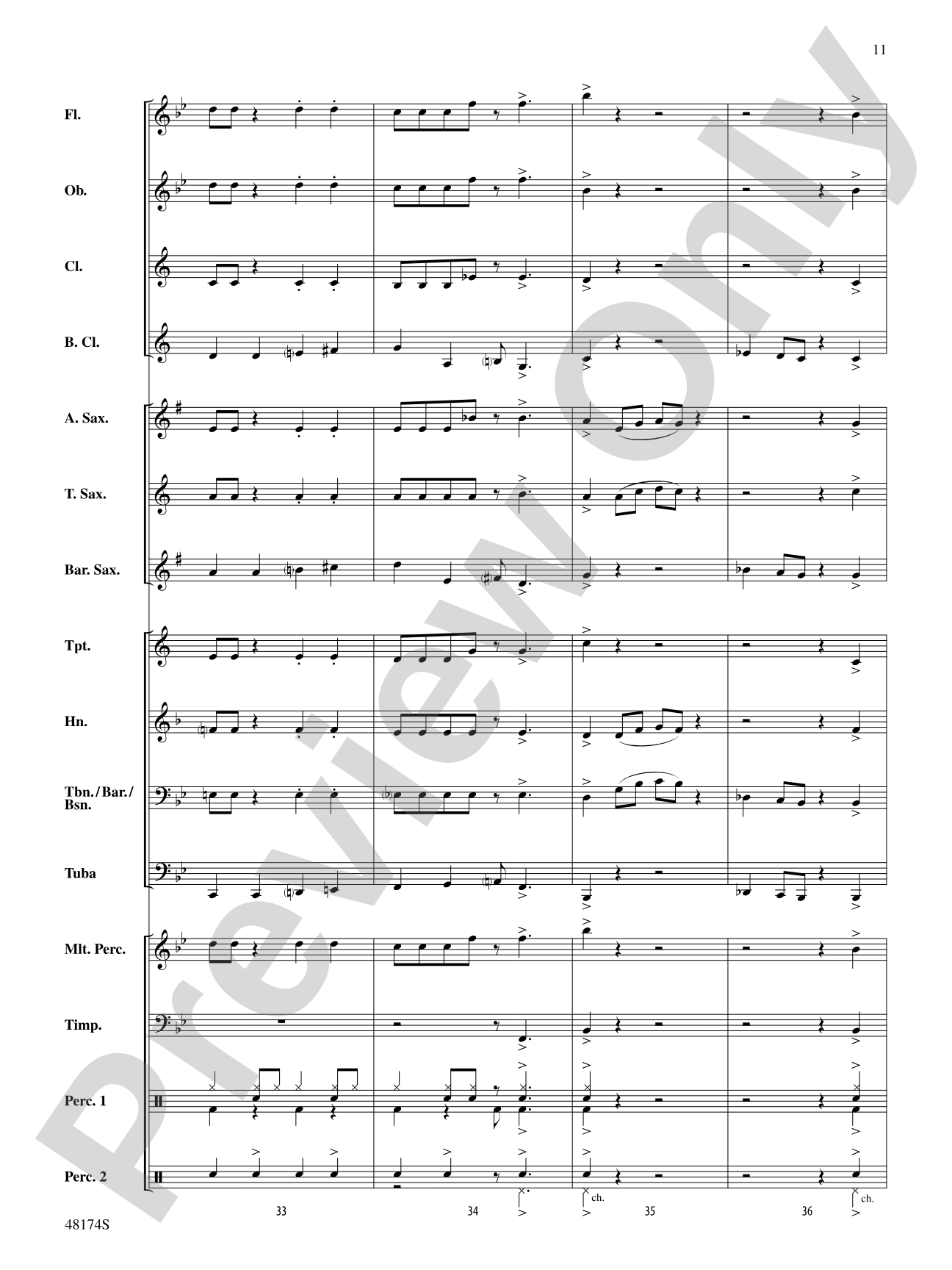
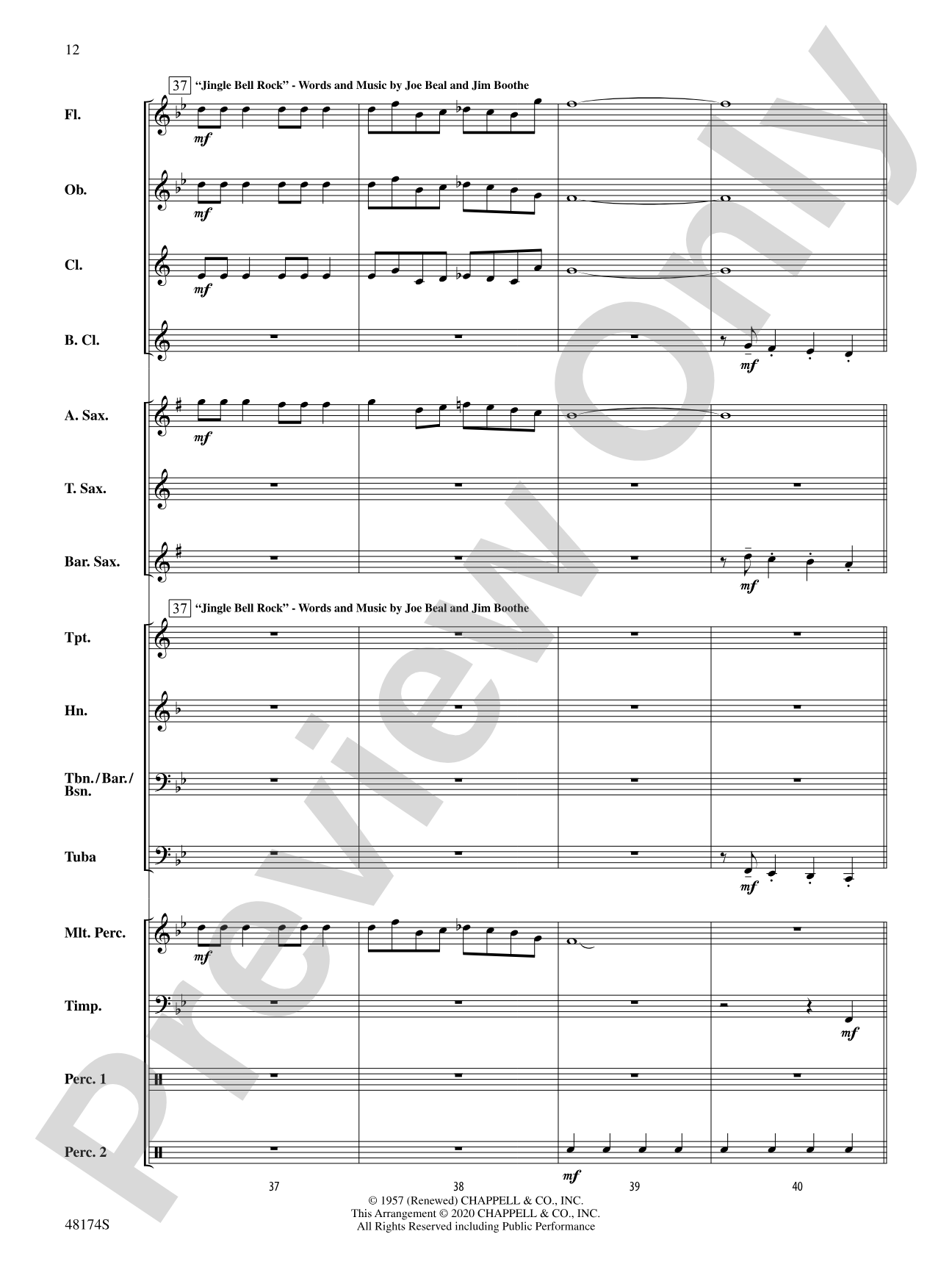
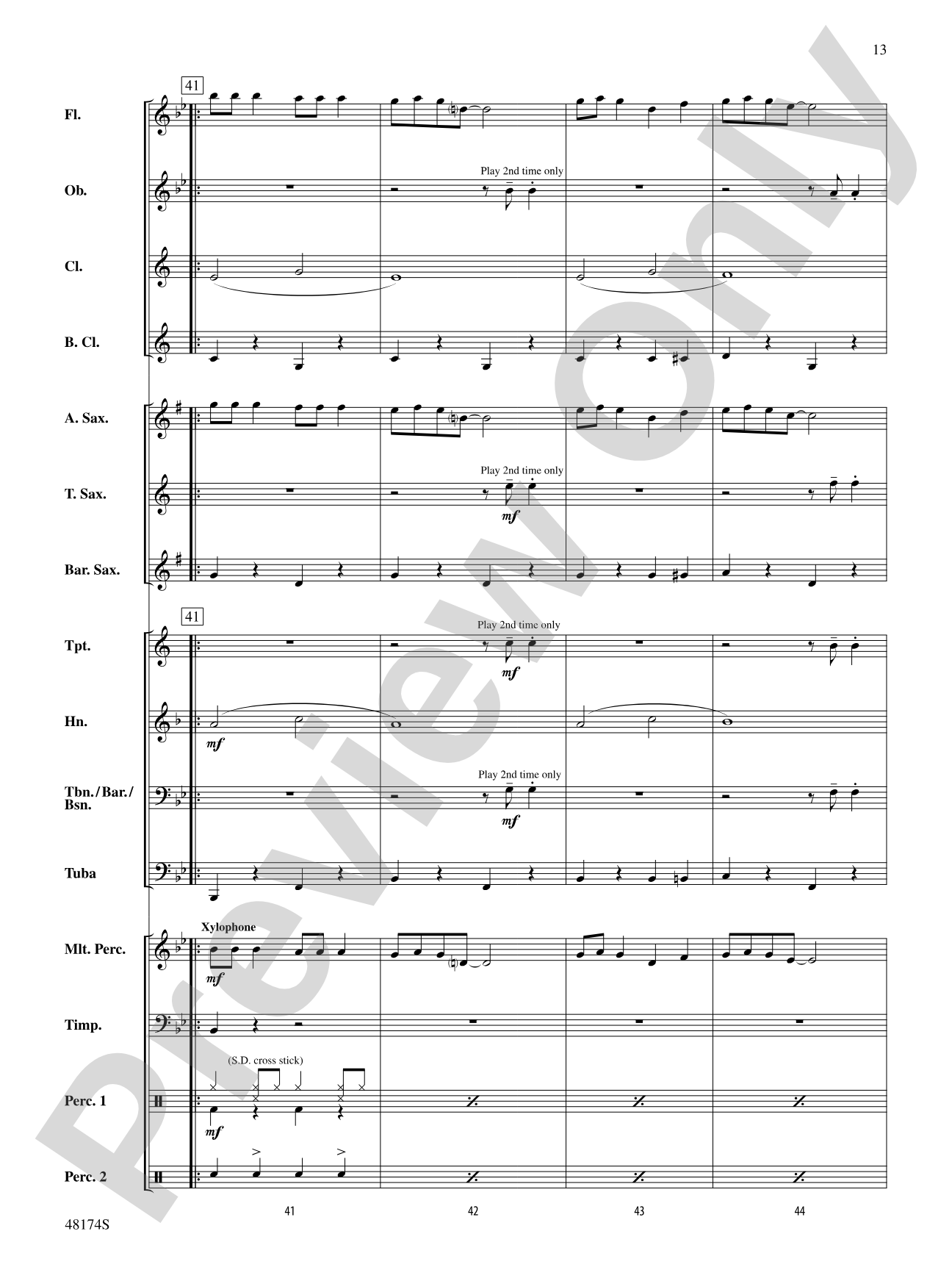
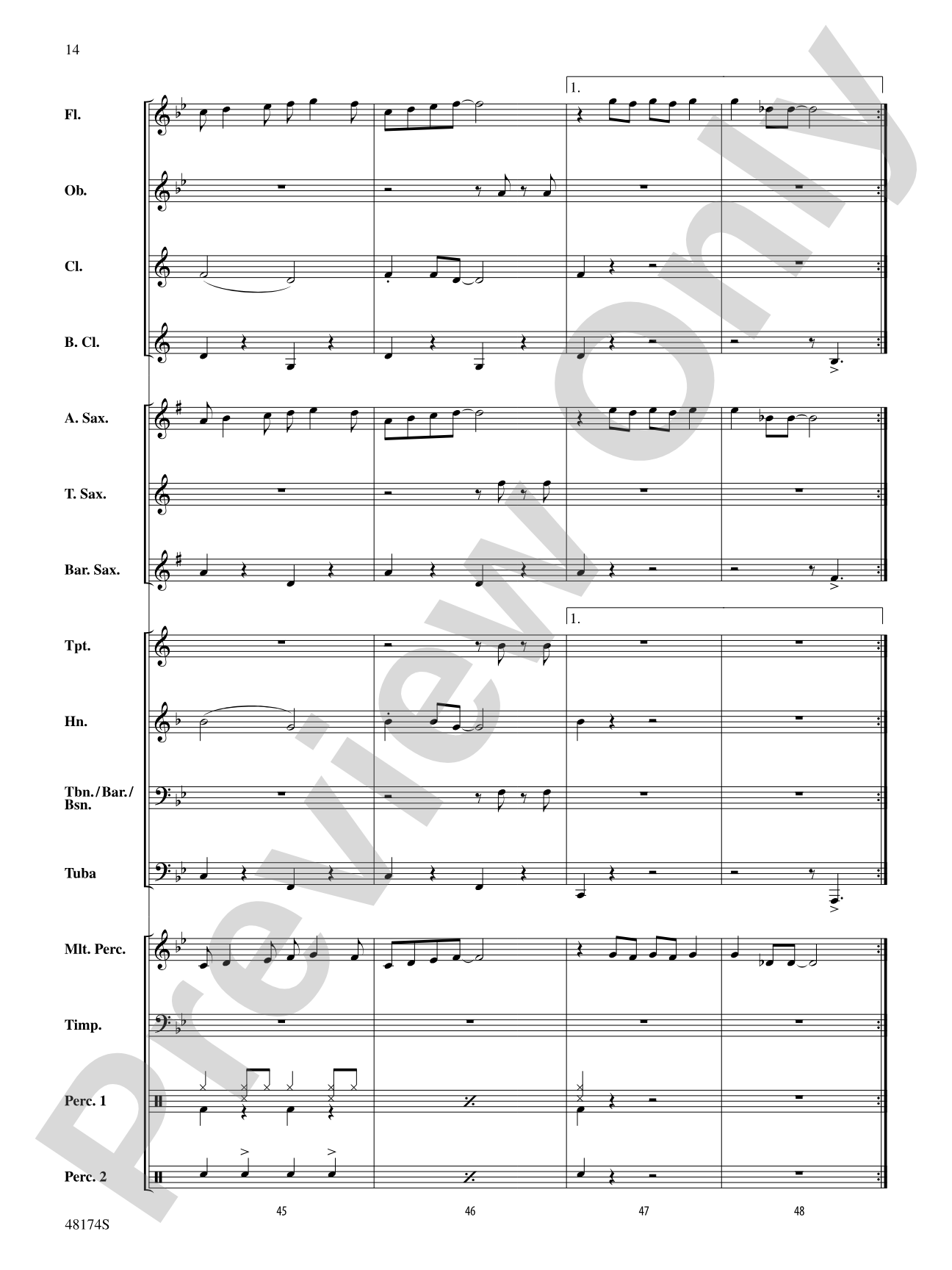
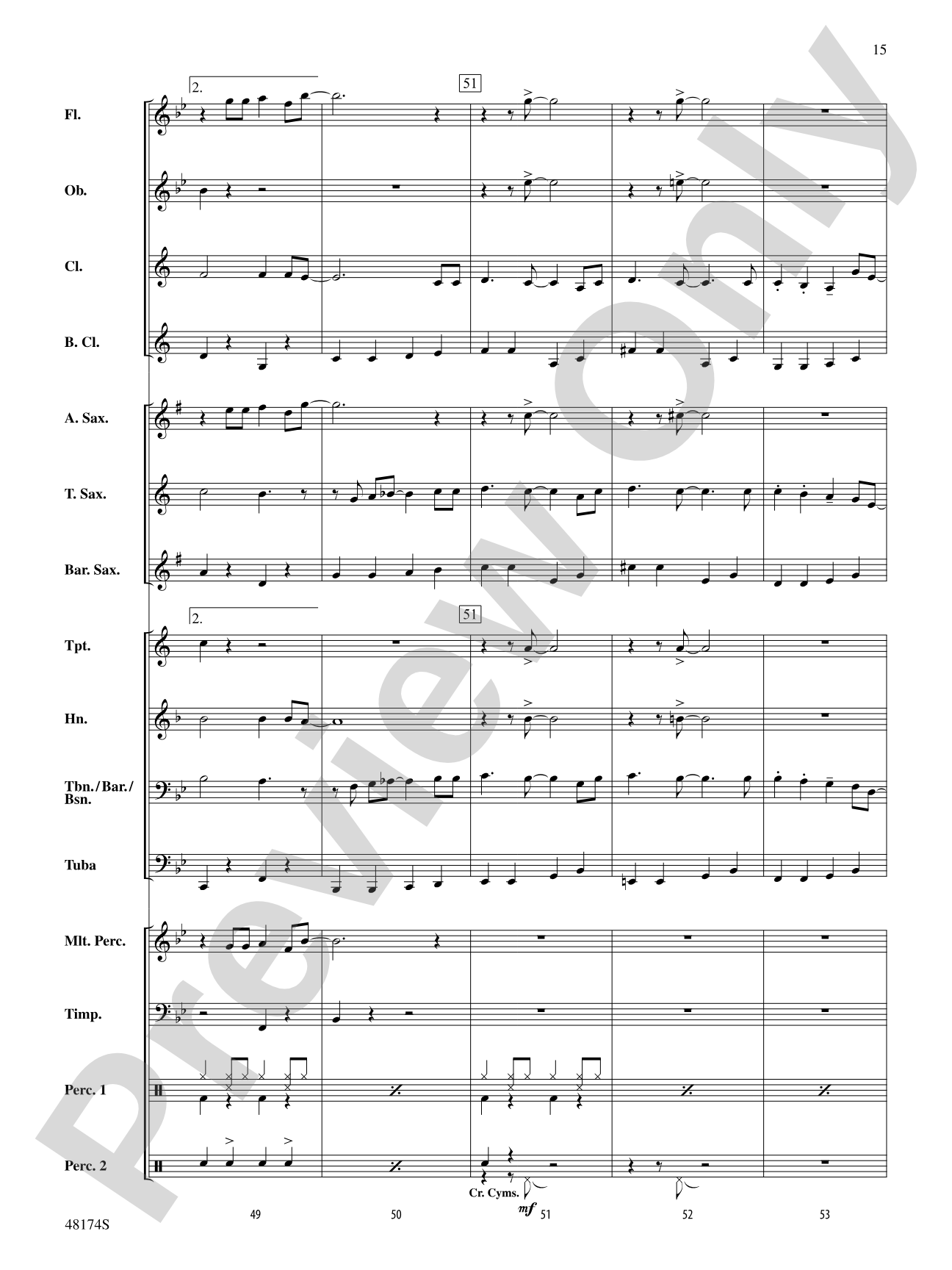
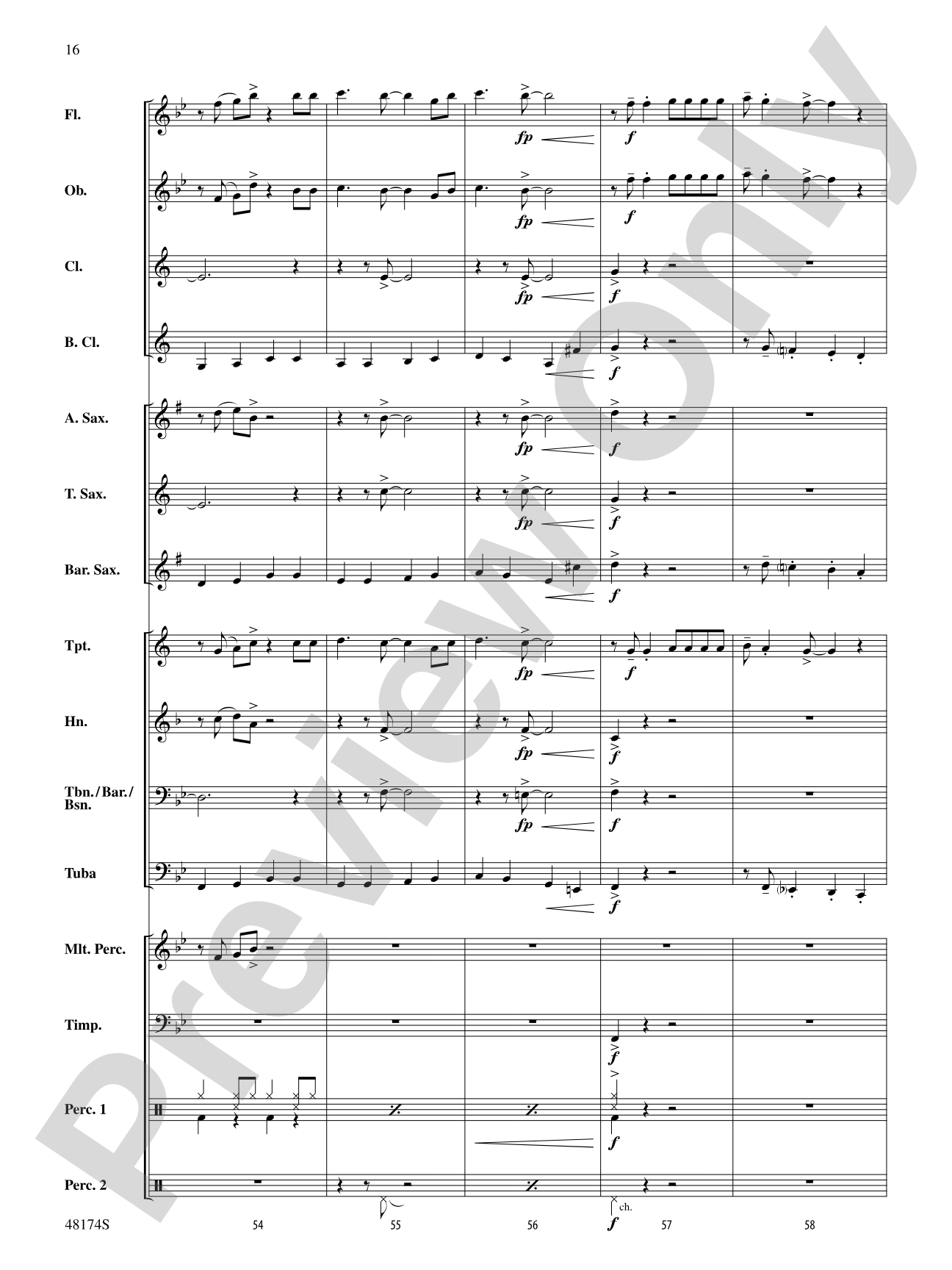
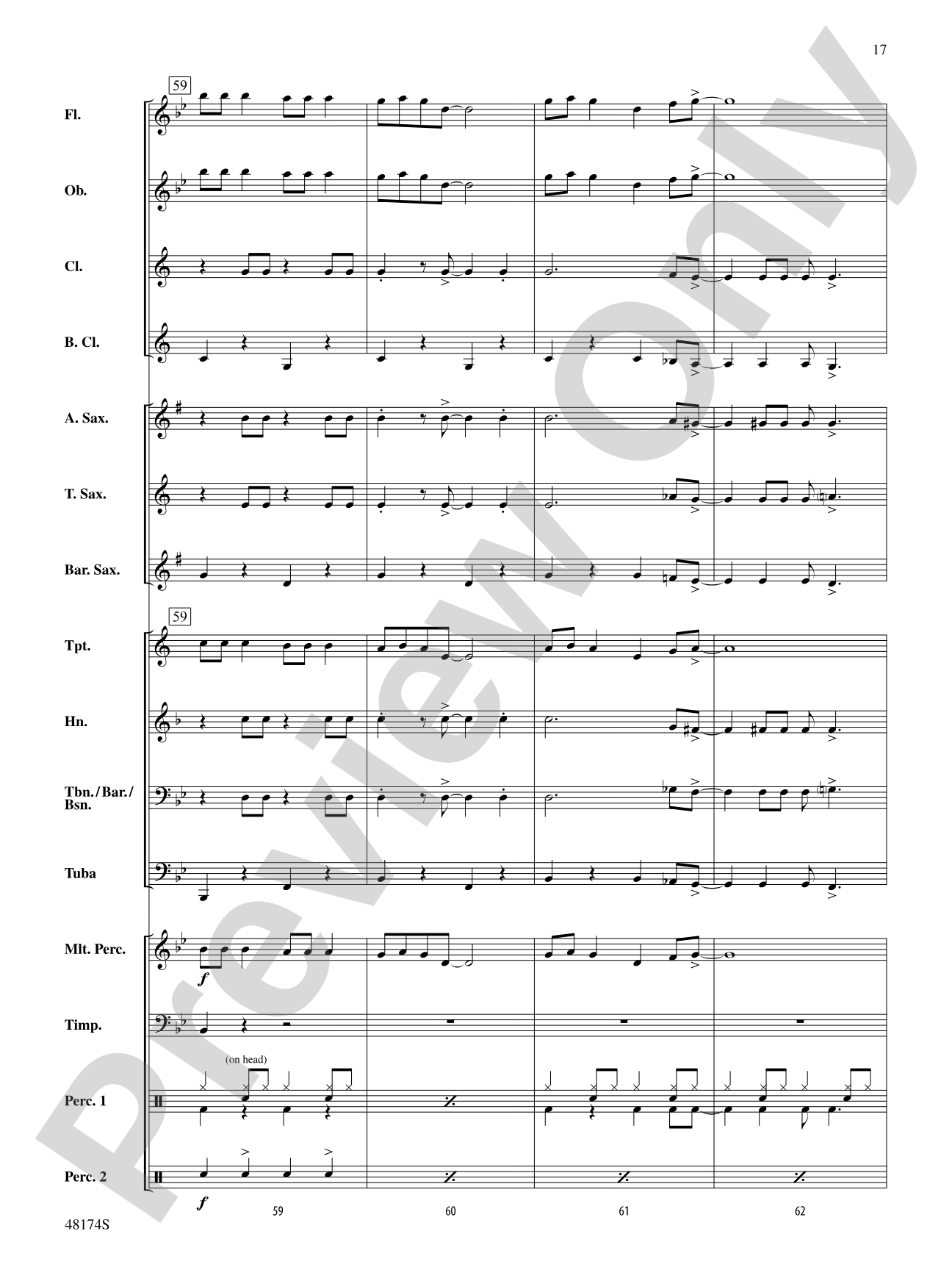

Swingin' Wonderland: Concert Band Conductor Score & Parts
Featuring: Winter Wonderland / Jingle Bell Rock
Various / arr. Michael Kamuf
Grade: 1.5 (Easy)
Item: 00-PK-0008252

$65.00
One moment…
Description
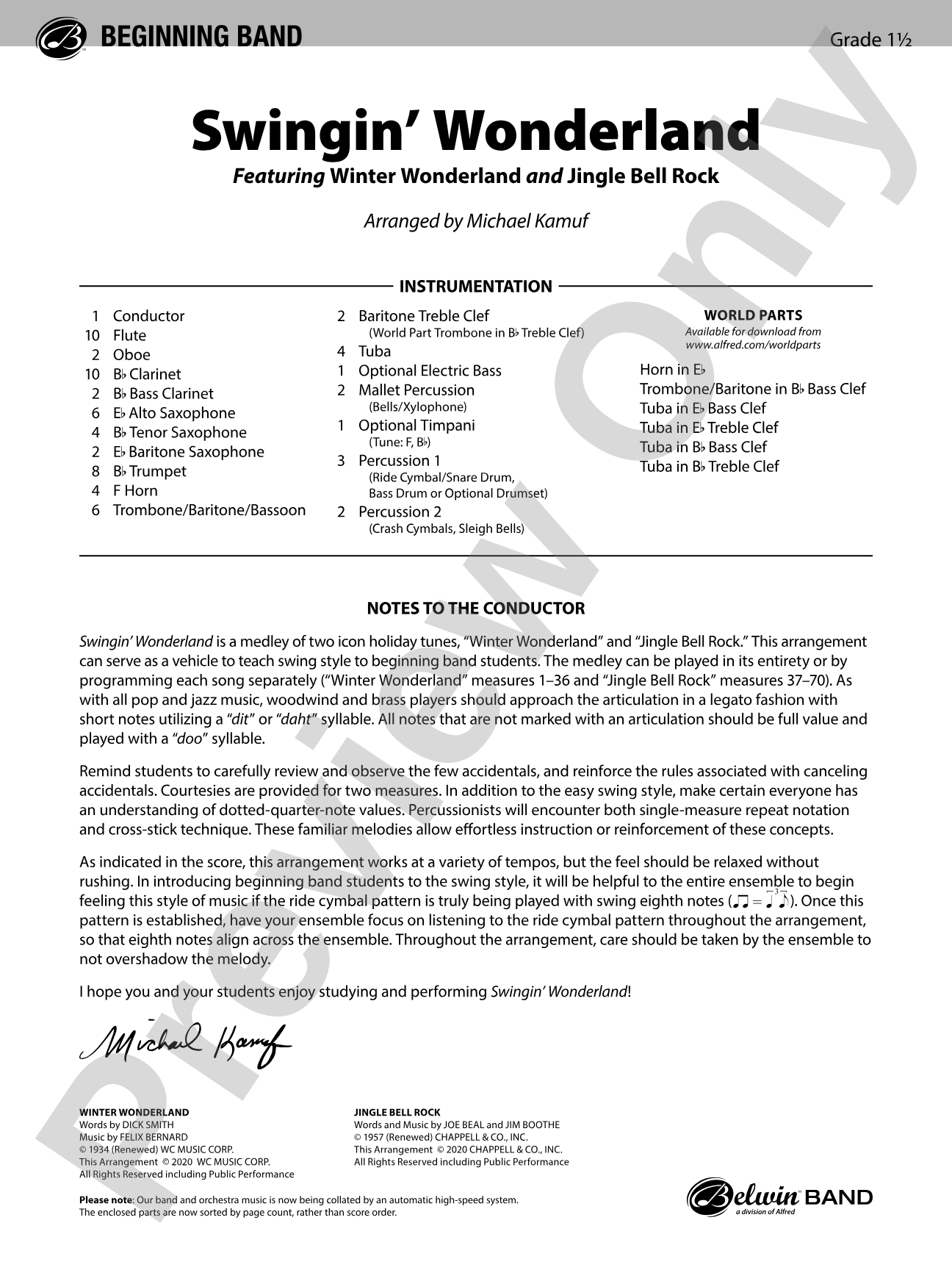
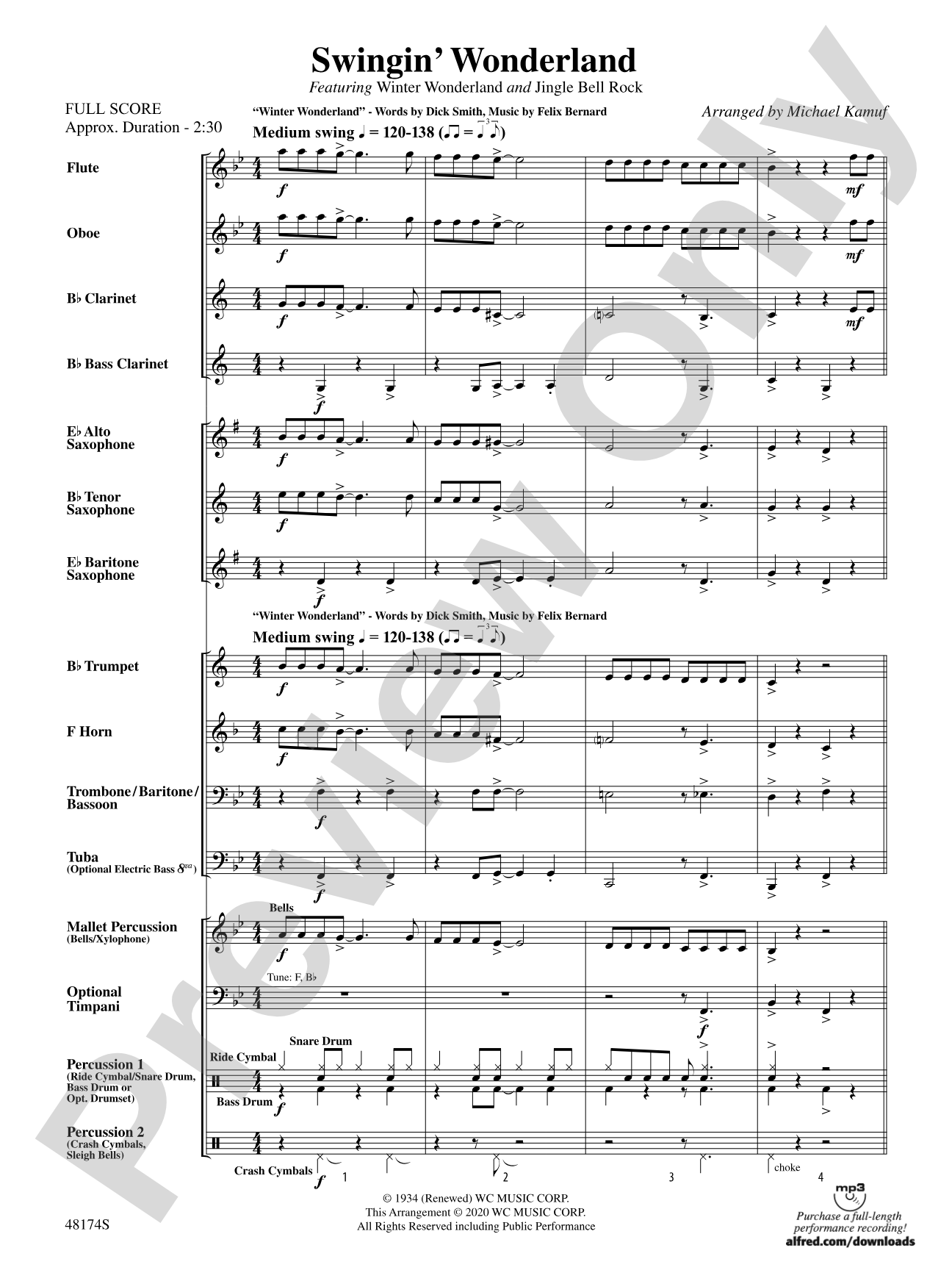
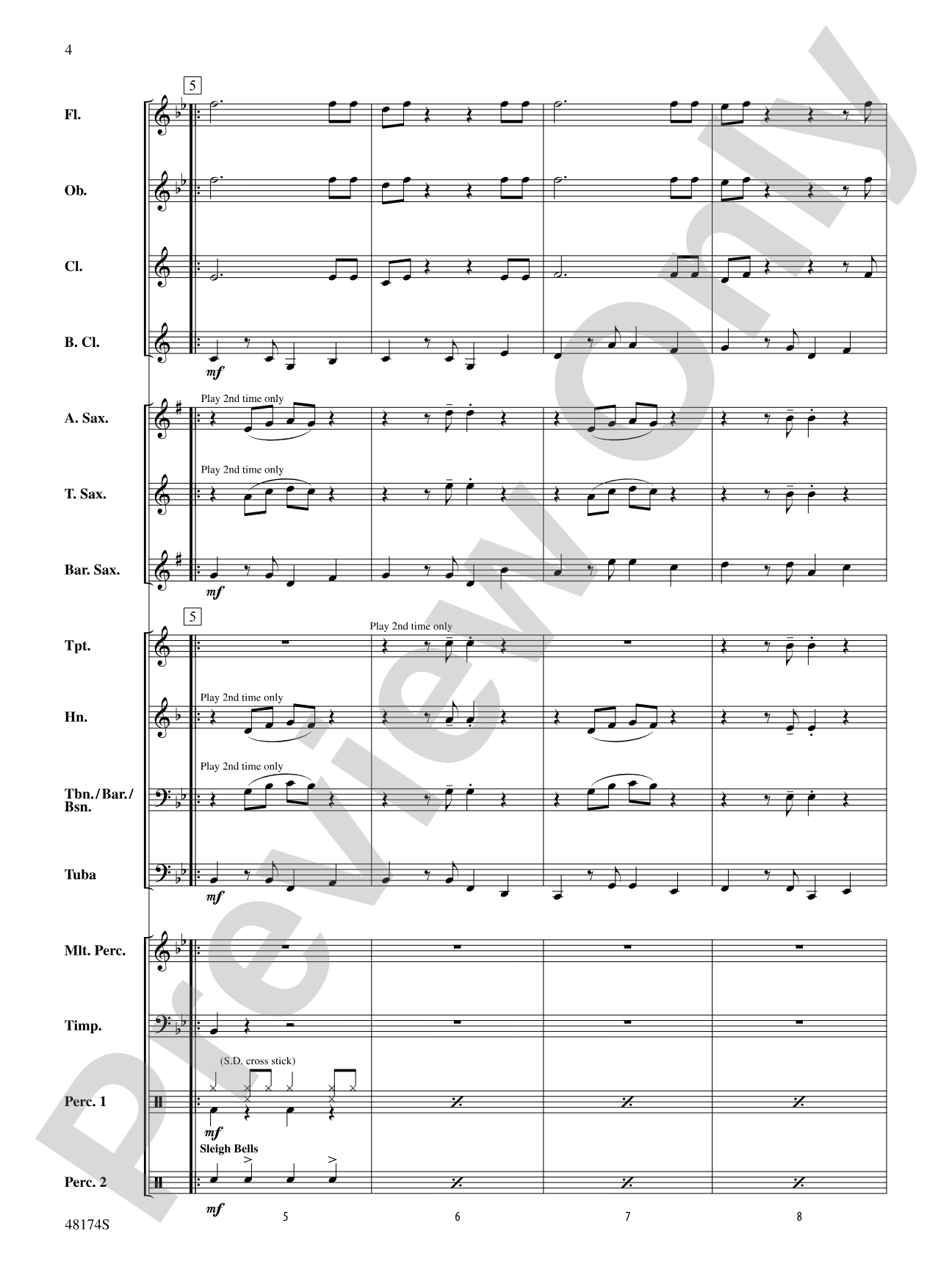
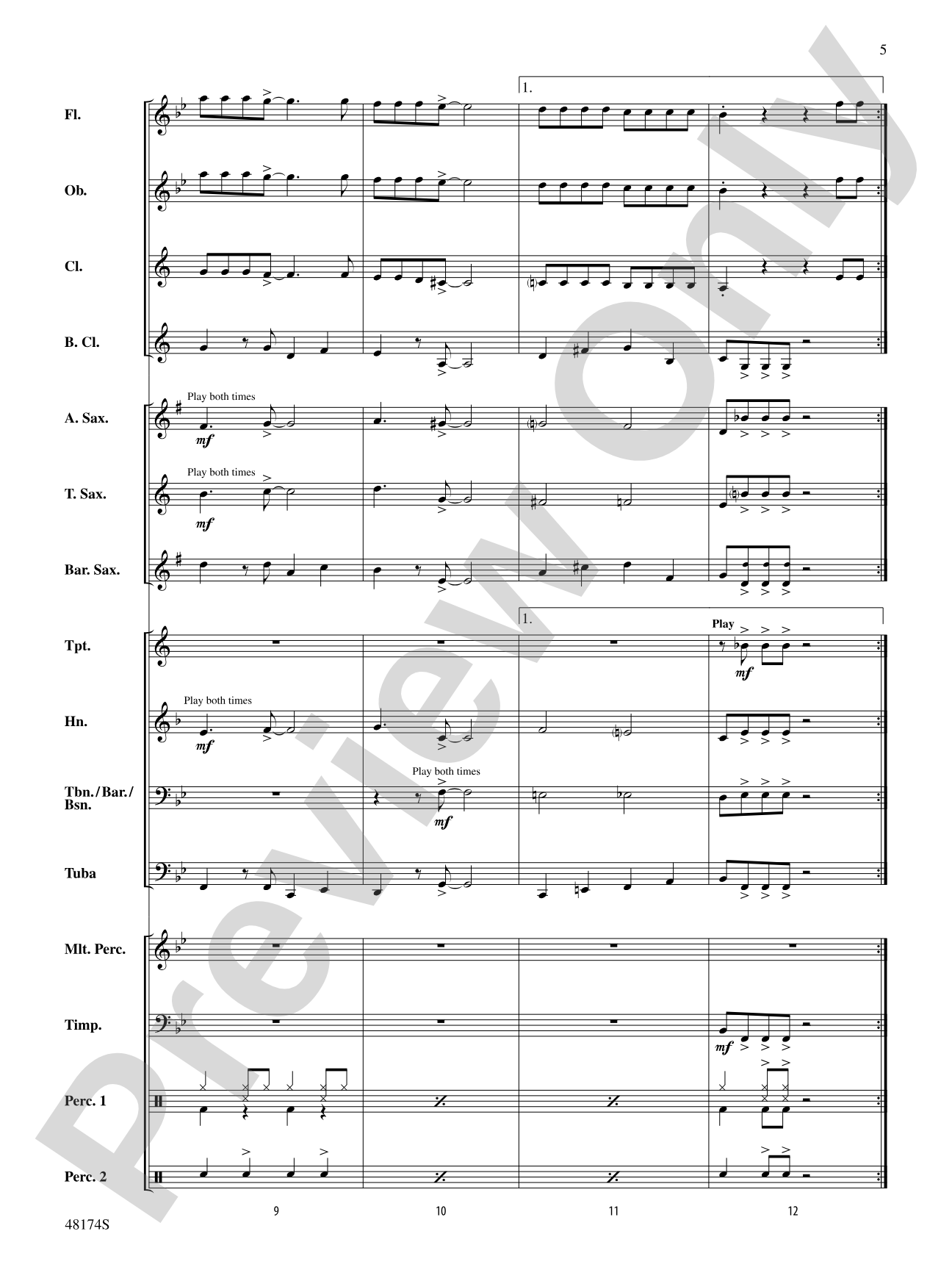
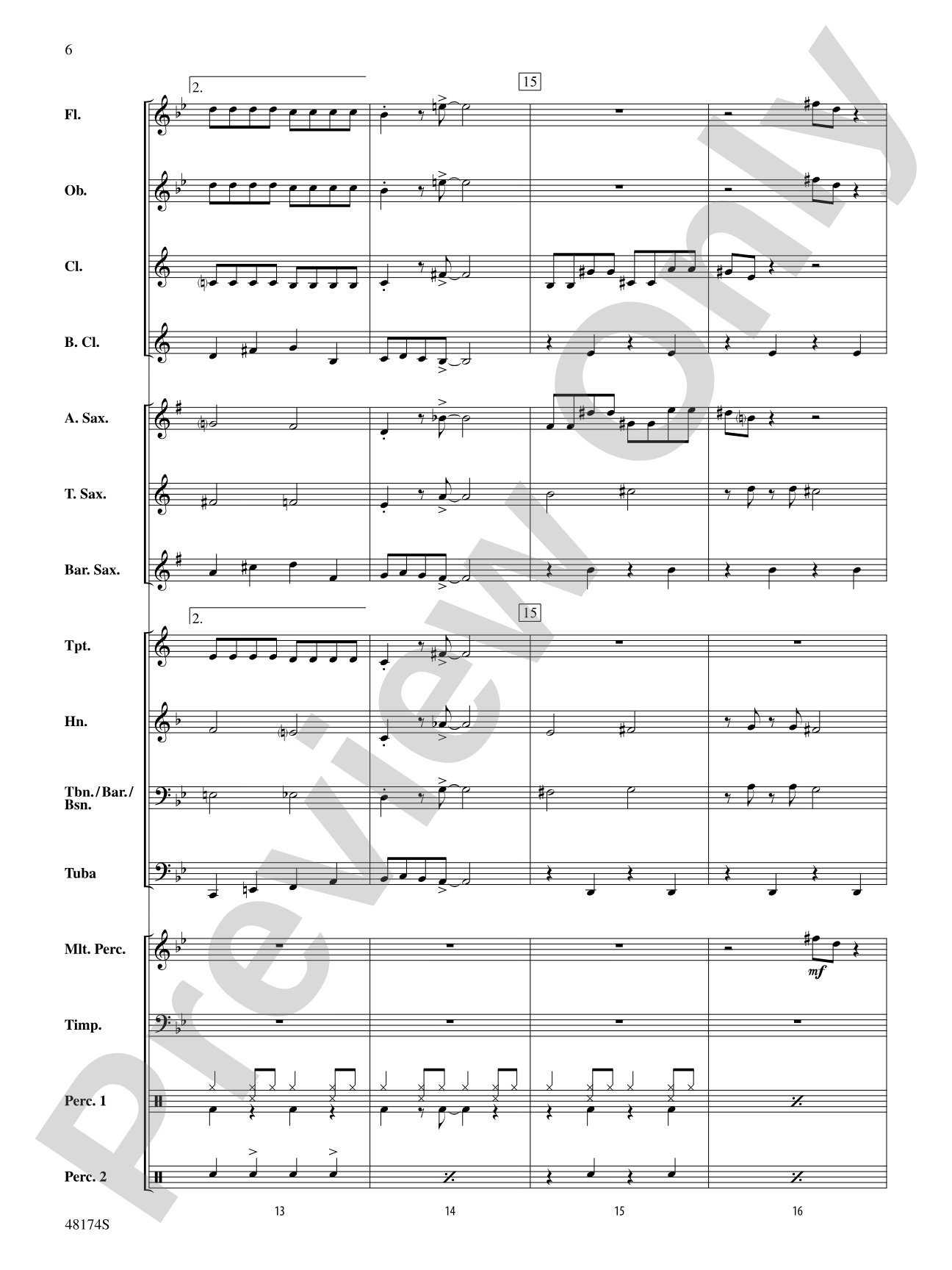
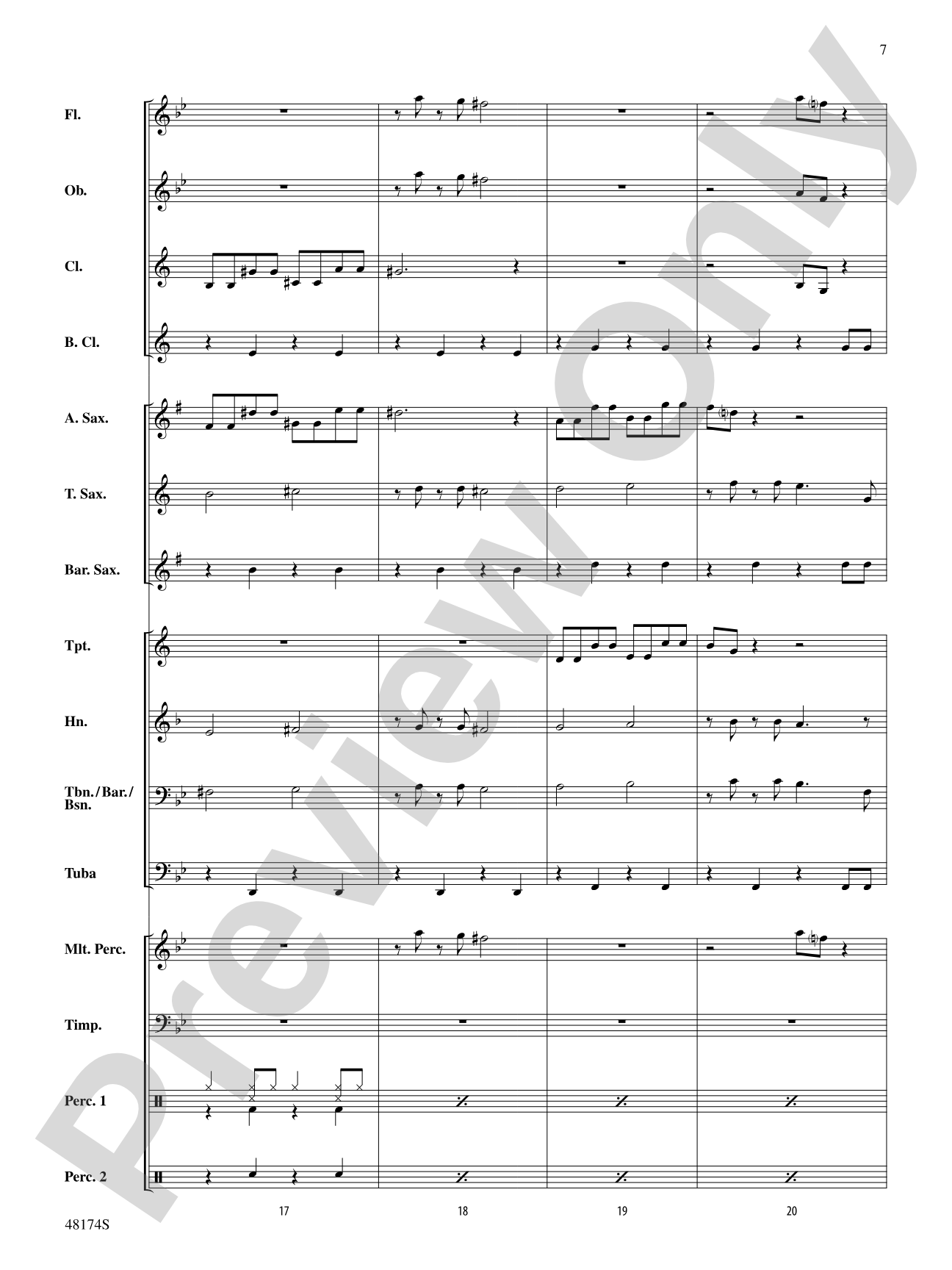
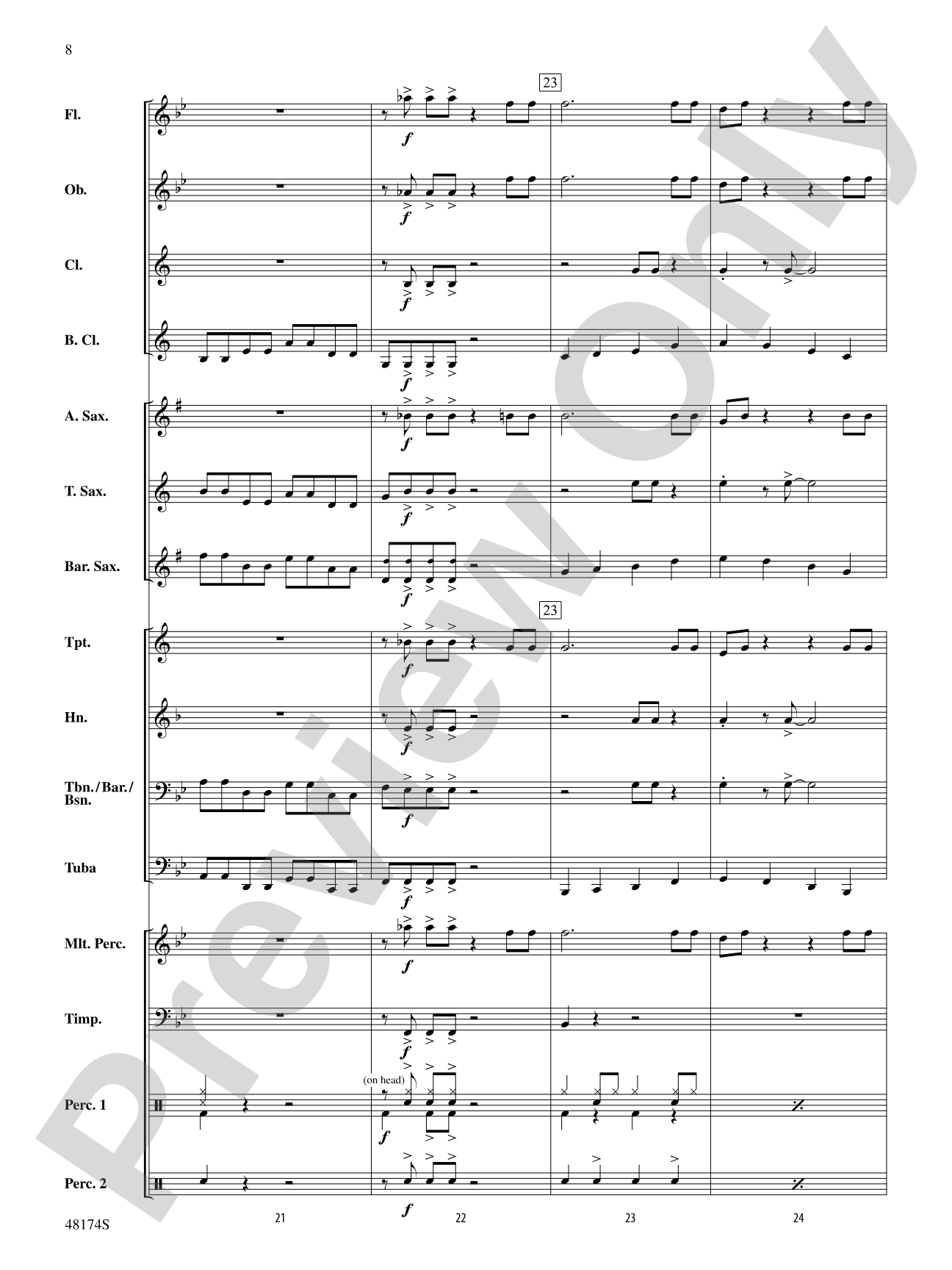
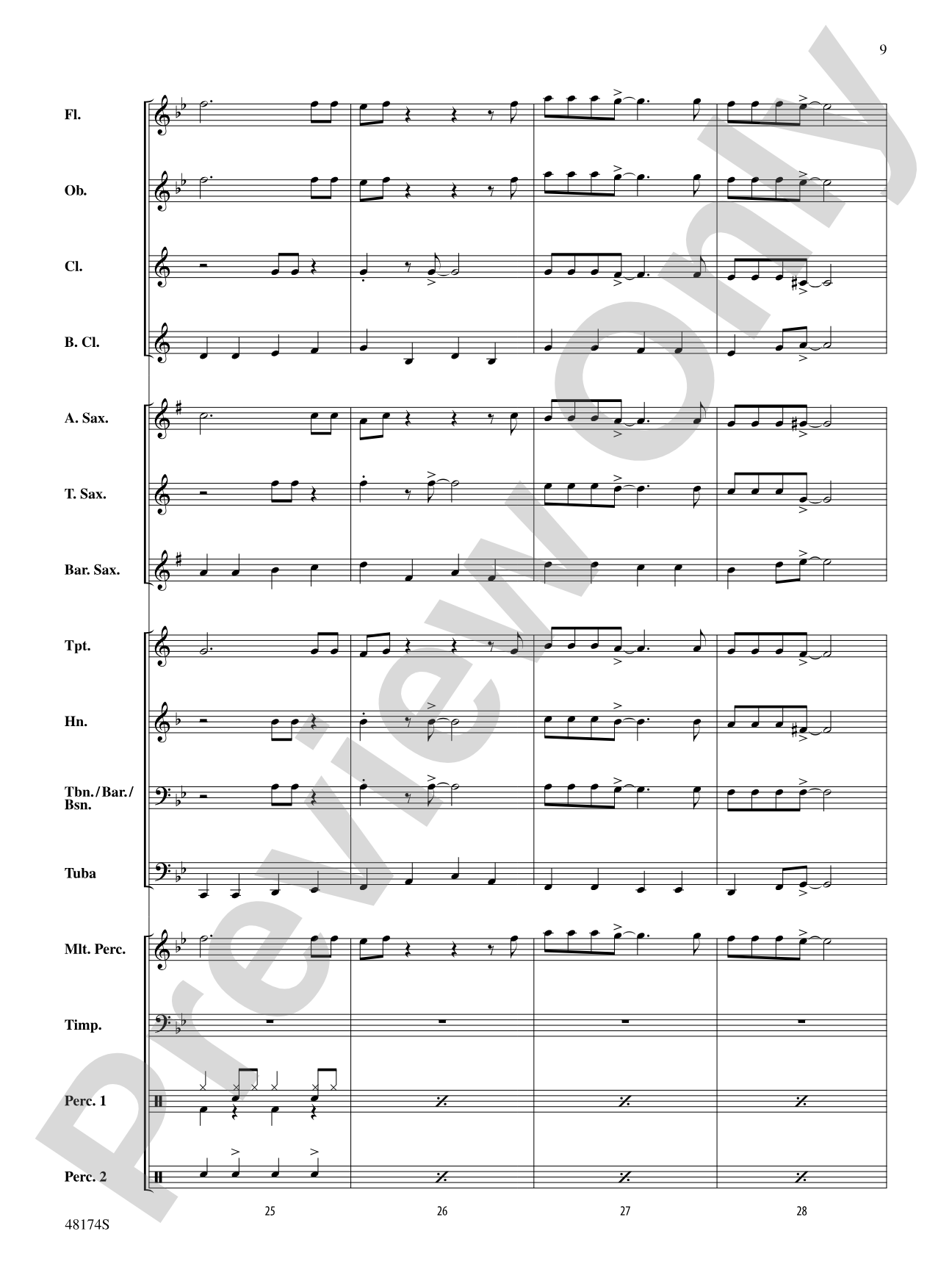
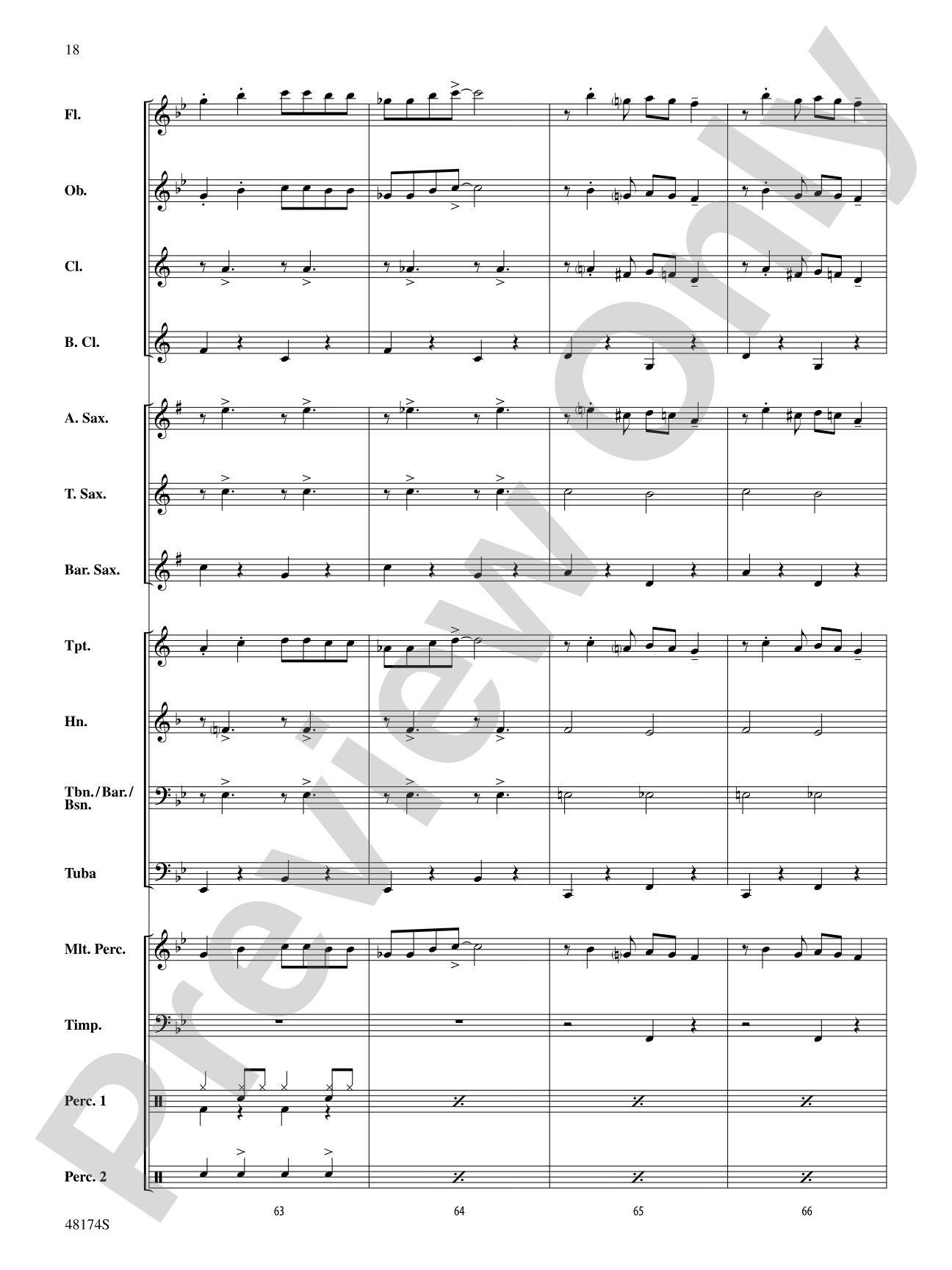
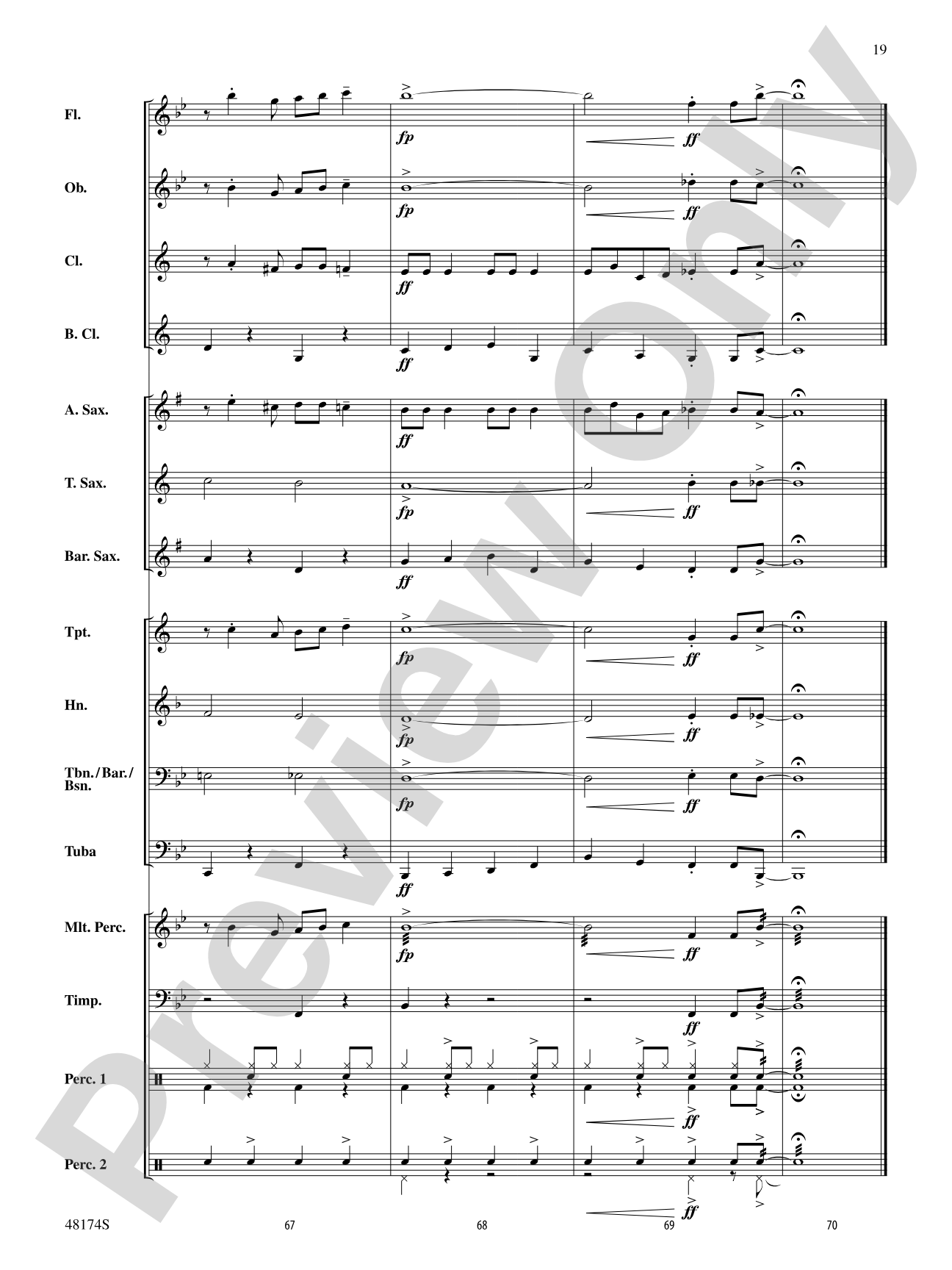
This medley combines two icon holiday tunes, "Winter Wonderland" and "Jingle Bell Rock," and will serve as a vehicle to teach swing style to beginning band students. The arrangement can be programmed as written or by performing each tune separately. Great for both beginners and less experienced developing bands mid-year. This one is a perfect crowd pleaser! (2:30) This title is available in MakeMusic Cloud.


Don't just read it, hear it, play along with it, and watch your students grow with it. In MakeMusic Cloud, Swingin' Wonderland: Concert Band Conductor Score & Parts comes alive with professional accompaniment, adjustable tempo, and built-in practice tools that turn solo practice into real progress.
Open in the Player
Jump straight in and assign it today.
Start Your Free Trial
Open this title and explore the full library in minutes.
Sample Audio
1
Audio File
--:--
0:00
0:00
Sample Video
Additional Details
Series:
Pop Beginning Band
Publisher:
Alfred Music
Page Count:
274
SKU:
00-PK-0008252
More about this title
About the Arranger: Michael Kamuf

Michael Kamuf earned degrees in Jazz Performance and Music Education from Youngstown State University's Dana School of Music, followed by a Master of Arts in Instrumental Conducting from George Mason University. His compositions and arrangements have been performed by prestigious ensembles including the Woody Herman Orchestra, Glenn Miller Orchestra, USAF Airmen of Note, and soloists such as James Moody, Eddie Daniels, and Sean Jones. As an exclusive writer for the Belwin Division of Alfred Music Publishing, Kamuf has established over 100 publications across jazz, orchestra, and concert band catalogs.
Kamuf's thirty year teaching career in Montgomery County (Maryland) Public Schools included twenty-seven years as Director of Bands and Orchestras and Music Department Chairperson at John T. Baker Middle School, where ensembles consistently earned high festival ratings and commissioned works for developing bands. He currently leads the Mike Kamuf Little Big Band, a jazz octet based in the Baltimore and Washington, DC region.
Why we love this
Kamuf crafted this medley specifically to introduce swing style to students who are still solidifying fundamentals, which means the rhythmic language and articulation choices are intentionally clear without feeling condescending. Two beloved holiday melodies give students a melodic anchor while they focus on the new interpretive layer, and the optional performance format (medley or separate pieces) adapts to your band's comfort level and concert structure.
What to expect
There's an infectious swing bounce to this medley that transforms two holiday standards into something players and audiences both recognize but hear with fresh energy. The bright saxophones and trumpets weave through the familiar melodies with the relaxed sophistication of a jazz standard, while the rest of the band locks into a groove that feels contemporary and fun.
Who it's for
This arrangement suits beginning band students and developing bands working mid-year on expanding their stylistic vocabulary beyond classical articulation and phrasing. Directors seeking a crowd-pleasing holiday option that teaches genuine musical concepts rather than simply playing familiar melodies will find this especially useful.
How to get the most out of it
- Isolate the swing feel in rehearsal by having students tap eighths and quarters separately before combining them; the difference between straight eighths and swung eighths shapes the entire arrangement.
- Balance the prominent saxophone and trumpet parts in the opening; they carry the melody and set the style, so they need to lead without overpowering the rest of the ensemble.
- Encourage soloists and featured voices to listen to classic recordings of these tunes in swing style to internalize the phrasing, or use the MakeMusic Cloud recording as a reference for tone and articulation.
- Keep the energy consistent during transitions between sections; momentum matters in a medley, so maintain a steady pulse even when material changes.
How to use it
Program this as an opener or closer for a winter concert to set a lighter tone alongside more formal repertoire, or use it strategically when you want to showcase students' growing musicality to family audiences. The optional separate performance format also works well if you're building a concert from mixed difficulty levels and need a polished piece that feels complete on its own.
Skills your students will build
- Swung eighth-note subdivision and feel
- Jazz articulation and phrasing conventions
- Stylistic interpretation beyond classical approaches
- Ensemble cohesion across distinct sections and transitional material
- Reading and executing syncopated rhythmic patterns