Sunshine in G Cover Image

Sunshine in G: String Orchestra Conductor Score & Parts

$30.00 USD
Sale price  $30.00 USD Regular price 
Skip to product information
Sunshine in G Cover Image

Sunshine in G: String Orchestra Conductor Score & Parts

By Edmund J. Siennicki

Item: 36-51250705

$30.00
Shipped

One moment…

Description

Sunshine in G: String Orchestra Conductor Score & Parts isn't in MakeMusic Cloud just yet...but it could be. Let us know you'd like to see it, and you'll help shape what comes next. In the meantime, start a free trial and dive into thousands of interactive titles your students can play along with today.

Sample Pages

No sample pages found.

Sample Audio
No sample audio found.
Sample Video
Additional Details
Series: LudwigMasters
Publisher: Keiser Productions, Inc.
UPC: 660355003462
SKU: 36-51250705
Instrumentation: String Orchestra

More about this title

About the Composer: Edmund J. Siennicki
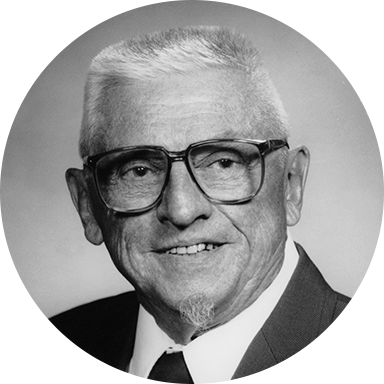
Edmund J. Siennicki

Edmund J. Siennicki grew up in Cleveland, Ohio, where a formative meeting with pianist Ignacy Jan Paderewski at age 12 shaped his artistic direction. He earned his Bachelor's degree from Kent State University, where he composed the school's iconic fight song still performed at football games today, and later completed his MA at Teachers College, Columbia University. His composition studies included work with Herbert Elwell and Vincent Persichetti, along with electronic music training with Sergio Barroso.

Siennicki's career as a bassoon and piano performer informed his compositional voice, which has garnered recognition in National School Orchestra composition contests and two residencies at the MacDowell Colony. With roughly 200 published compositions to his name and consistent ASCAP awards spanning two decades, he has maintained a teaching presence in Cleveland public schools while also serving on the faculties at Michigan and Kent State University. He continues composing, conducting school clinics, and engaging with music education communities.

Why we love this

Siennicki writes with string orchestras in mind, crafting material that sits naturally under student fingers while demanding musical maturity. The contest and festival designation signals balanced technical demands that allow for meaningful achievement without overreaching, making this ideal for groups building confidence at the intermediate level.

What to expect

Bright and optimistic, with the title suggesting a work full of light and forward motion. The piece inhabits the key of G major, offering natural string resonance and a character that feels both lyrical and energetic.

Who it's for

String orchestra directors at the intermediate to early-advanced level who want accessible concert or contest repertoire that develops musicianship without excessive technical hurdles. Student performers comfortable with standard orchestra tuning and basic shift work will find material that rewards careful listening and ensemble balance.

How to get the most out of it

  • Establish a warm, singing tone from the first measure by encouraging players to listen across sections rather than focusing narrowly on their own line.
  • Shape the phrasing by indicating where the melody naturally breathes, allowing accompaniment parts to support without overwhelming the primary voice.
  • Balance the string sections carefully so that inner voices remain audible; this is especially important in material where violas or lower voices carry supporting material.
  • Use the score to identify moments where the orchestration shifts weight between parts, and rehearse those transitions explicitly so the ensemble moves together.

How to use it

Program this as a contest entry or a mainstage concert opener where you want to establish a positive, energetic mood without taxing your rehearsal time on overly complex textures. It pairs well alongside contemporary pieces or traditional classics, serving as a reliable showcase for ensemble balance and tone production.

Skills your students will build

  • Maintaining intonation across sustained passages in a major key
  • Balancing melodic lines with accompaniment textures
  • Responding to conductor gesture for phrase shaping and ensemble cohesion
  • Distinguishing between primary and secondary voices through dynamic control

You May Also Like