

Suite Detroit: Sounds of an American City - Piano Suite: Piano
By Catherine Rollin
Level: Late Intermediate
Item: 00-PB-0000693
$5.50
Pickup currently not available
Description
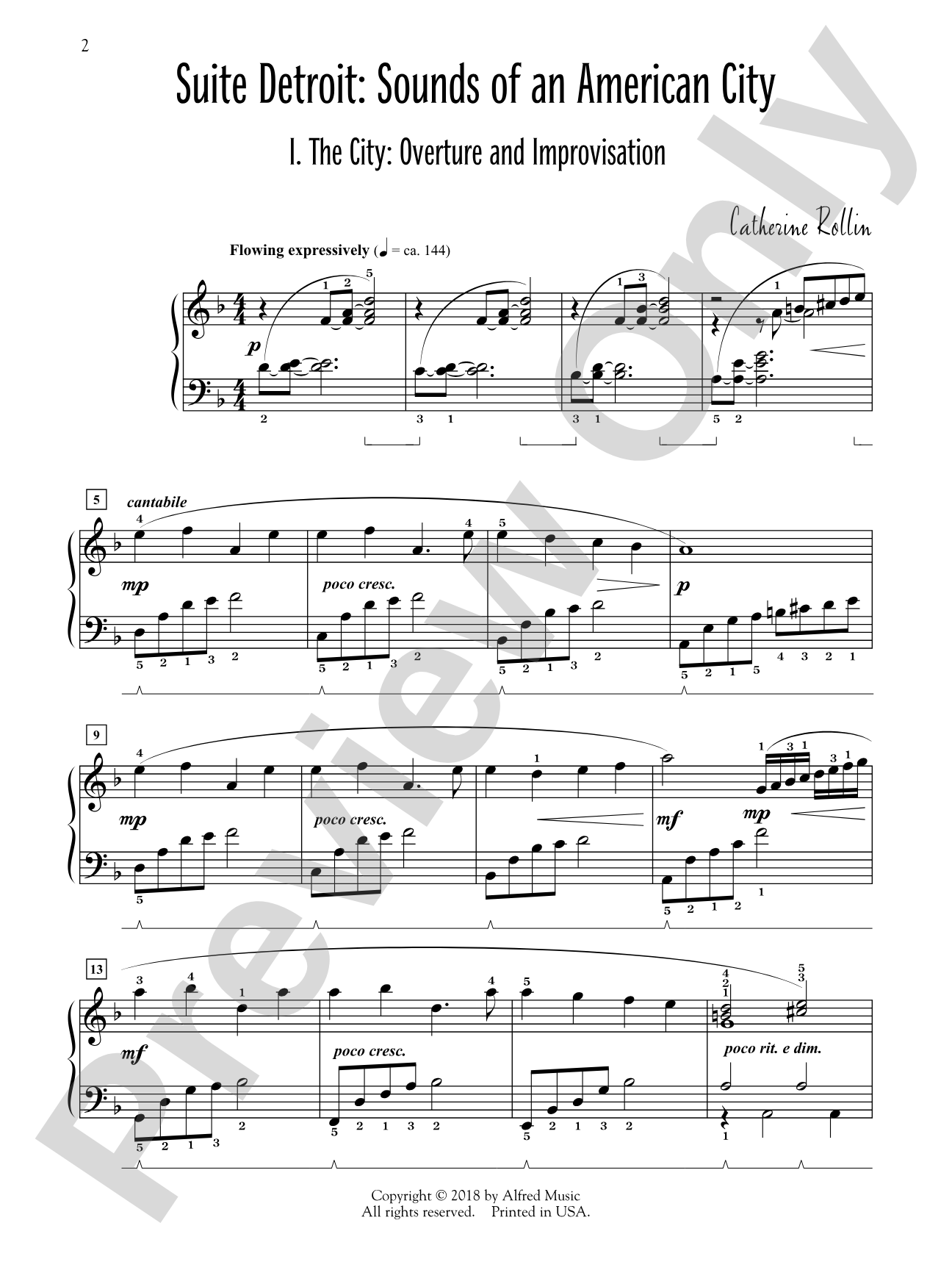
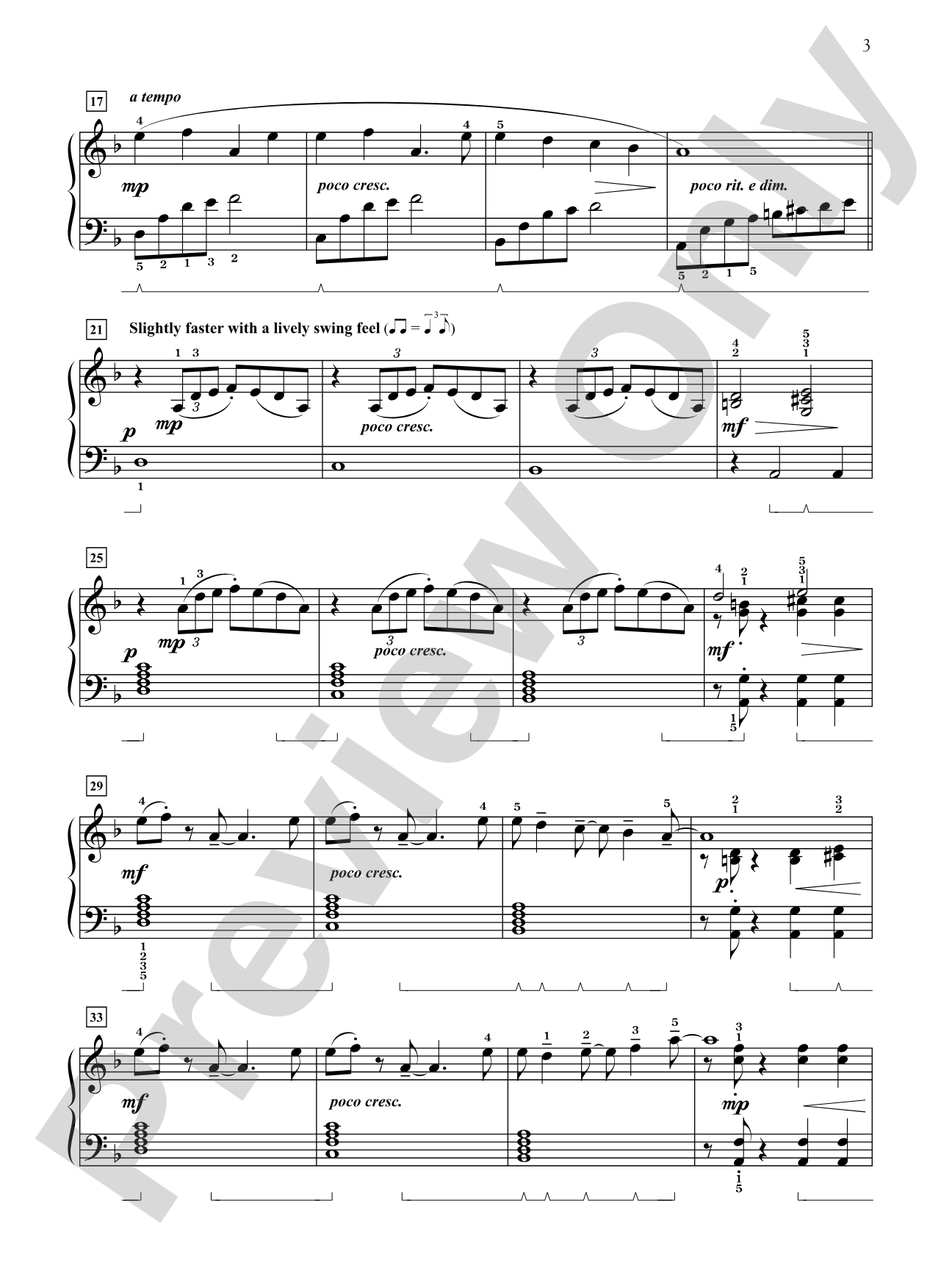
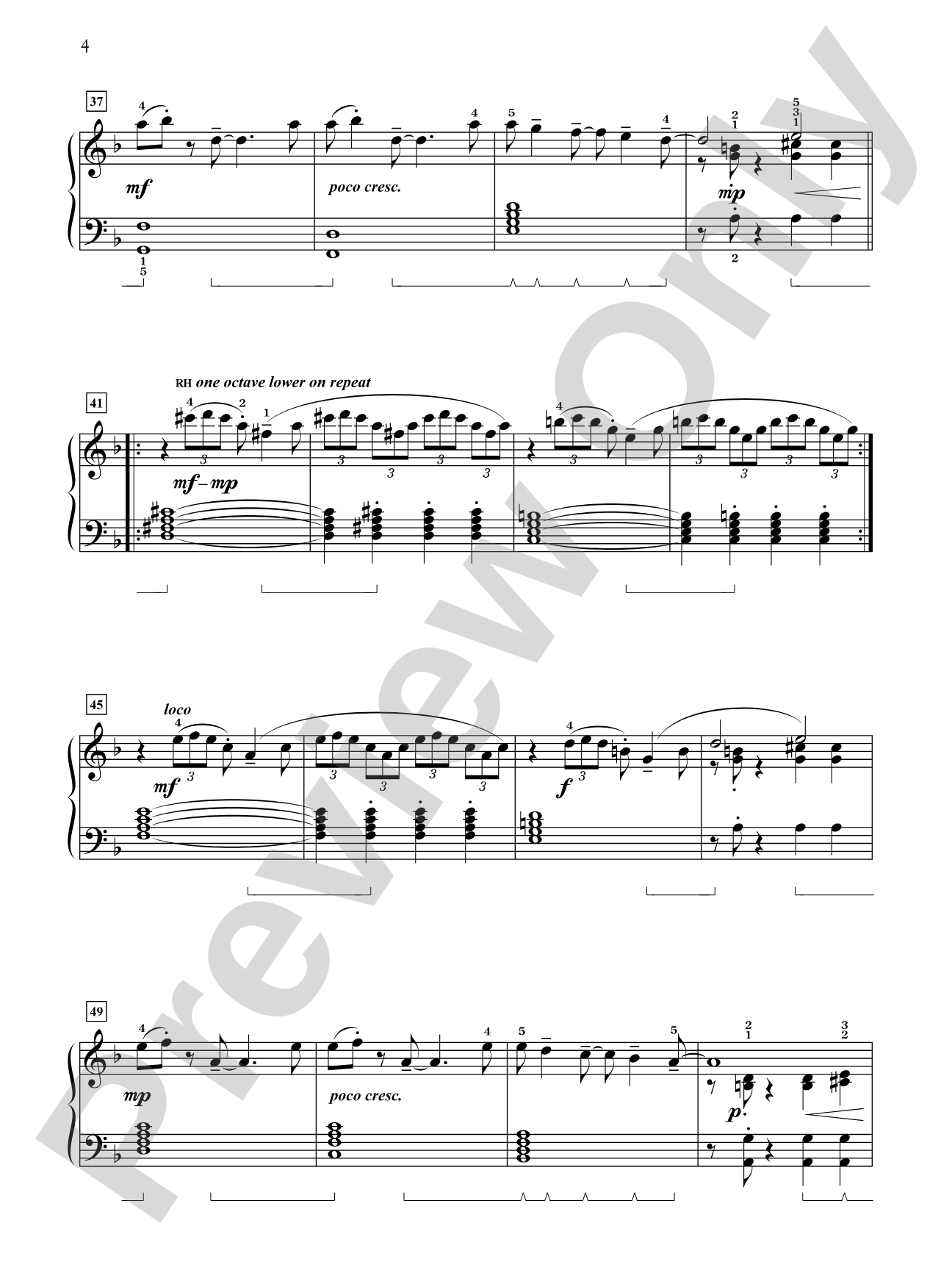
Suite Detroit: Sounds of an American City for solo piano is an arrangement of the original Suite Detroit: Sounds of an American City, a trio for flute, alto saxophone, and piano. Now solo pianists can enjoy the exciting mix of jazz styles in the three movements. The first movement begins with a lyrical style and then moves into a faster improvisatory section with a lively swing feel. The slow second movement flows with a singing melody in romantic style. The energetic third movement features a syncopated rhythmic accompaniment throughout. Movements: The City: Overture and Improvisation * Belle Isle: An Interlude * Good Vibes: Finale. A Federation Festivals 2020-2024 selection.


Suite Detroit: Sounds of an American City - Piano Suite: Piano isn't in MakeMusic Cloud just yet...but it could be. Let us know you'd like to see it, and you'll help shape what comes next. In the meantime, start a free trial and dive into thousands of interactive titles your students can play along with today.
Request This Title
Tell us you want it.
Start Your Free Trial
Explore everything that's ready to play right now.
Sample Audio
No sample audio found.
Sample Video
No sample videos found.
Additional Details
Series:
Recital Suite Series
Publisher:
Alfred Music
Page Count:
12
SKU:
00-PB-0000693
More about this title
About the Composer: Catherine Rollin

Catherine Rollin balances a prolific composing practice with an active teaching studio that has produced numerous award-winning students. She holds degrees from the University of Michigan and Oakland University School of Performing Arts, and her work has earned commissions from MTNA, the Michigan Music Teachers Association, and Clavier Companion magazine. Her compositions regularly appear on National Federation of Music Clubs festival bulletins, and she has served as a judge for major composition competitions including the Lynn Freeman Olson Composition Contest.
Rollin's reach extends internationally through workshops and masterclasses across North America and Asia. Her ASCAP award-winning Museum Masterpieces series and the commissioned trio Suite Detroit (which premiered at the MTNA 2018 national conference) showcase her gift for blending accessibility with musical substance. She was honored as both composer and pianist in a 2018 Steinway Society concert featuring multimedia presentations of her work.
Why we love this
Rollin captures authentic jazz language without requiring students to already speak it fluently. The three movements each demand something different, so pianists stay engaged throughout, and the Festival selection status means this piece has been vetted for both musicality and student appeal.
What to expect
Suite Detroit moves through three distinct moods tied to the city itself: opening with contemplative urban energy that breaks into improvisation, settling into a warm singing quality, then building to an infectious, syncopated finale. Each movement has its own character while maintaining the sophisticated harmonic language that makes jazz style feel natural on the piano.
Who it's for
Late intermediate pianists looking for substantial recital material that explores jazz styles without losing the lyrical sensibility of the concert pianist. Students preparing for festivals and competitions will find this piece both musically rewarding and appropriately challenging for their level.
How to get the most out of it
- The improvisatory first movement section benefits from rhythmic freedom. Establish the swing feel early, then allow rubato in the improvisation to keep the performance conversational rather than metronomic.
- Balance the singing melody in the slow movement against the harmonic foundation. This movement relies on tone quality and legit phrasing rather than technical display.
- Anchor the syncopated rhythms in the finale with a strong sense of pulse. The accompaniment pattern should sit steady underneath so the syncopation reads clearly.
- Record yourself playing through all three movements to hear how they build as a complete arc. Each movement sets up what comes next.
How to use it
Program the complete suite as a single recital set to show range and storytelling, or use individual movements strategically throughout a concert. The slow movement pairs well with romantic-era repertoire, while the finale works as an energizing closer. For festival preparation, the three-movement structure demonstrates stylistic versatility in a contained package.
Skills your students will build
- Swing rhythm and jazz articulation (separation vs. legit touch)
- Improvisation within a harmonic framework
- Syncopated rhythmic reading and execution
- Jazz harmony and chord interpretation
- Balancing accompaniment texture with melodic line
- Stylistic contrast across multiple movements