
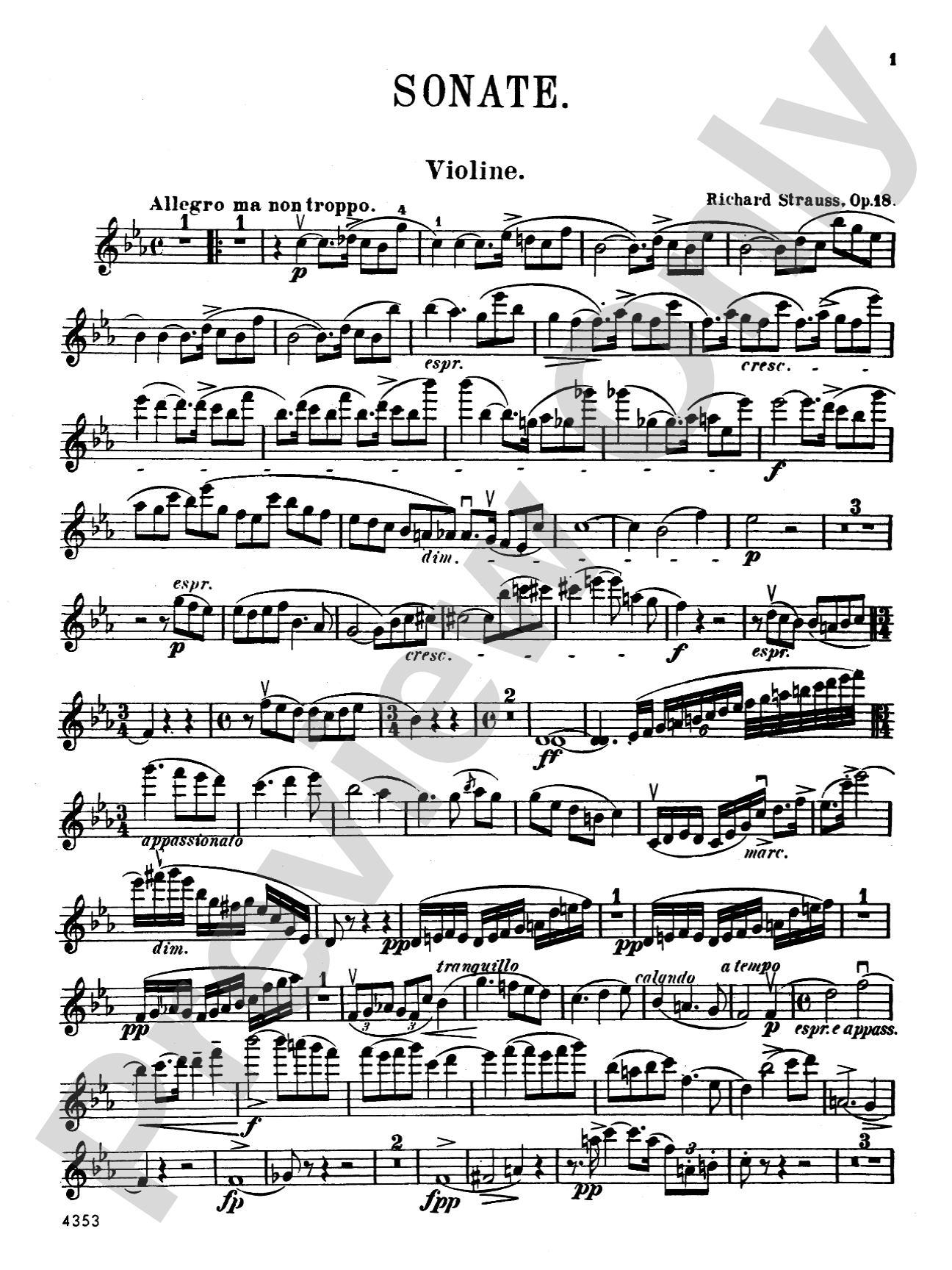
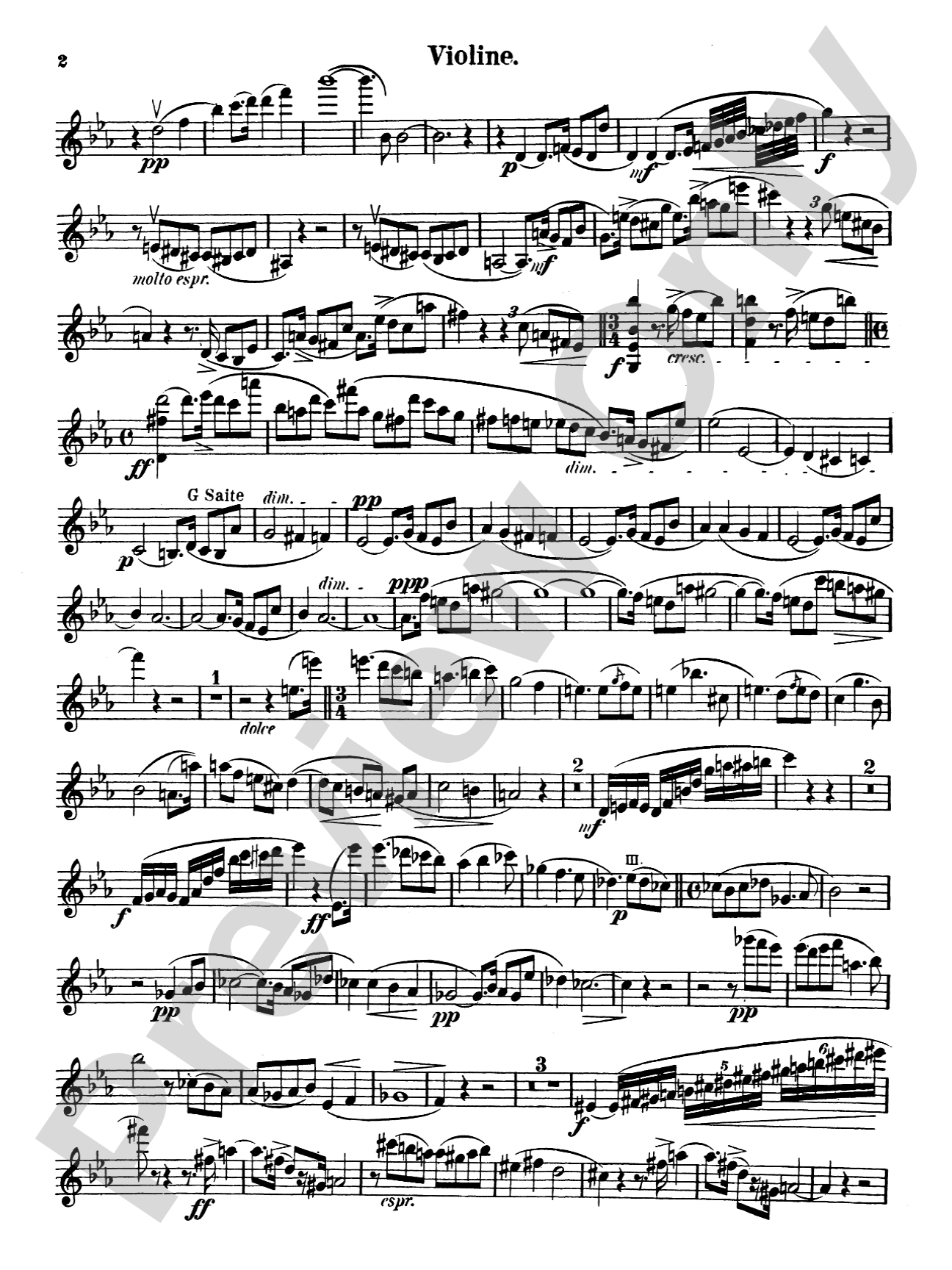
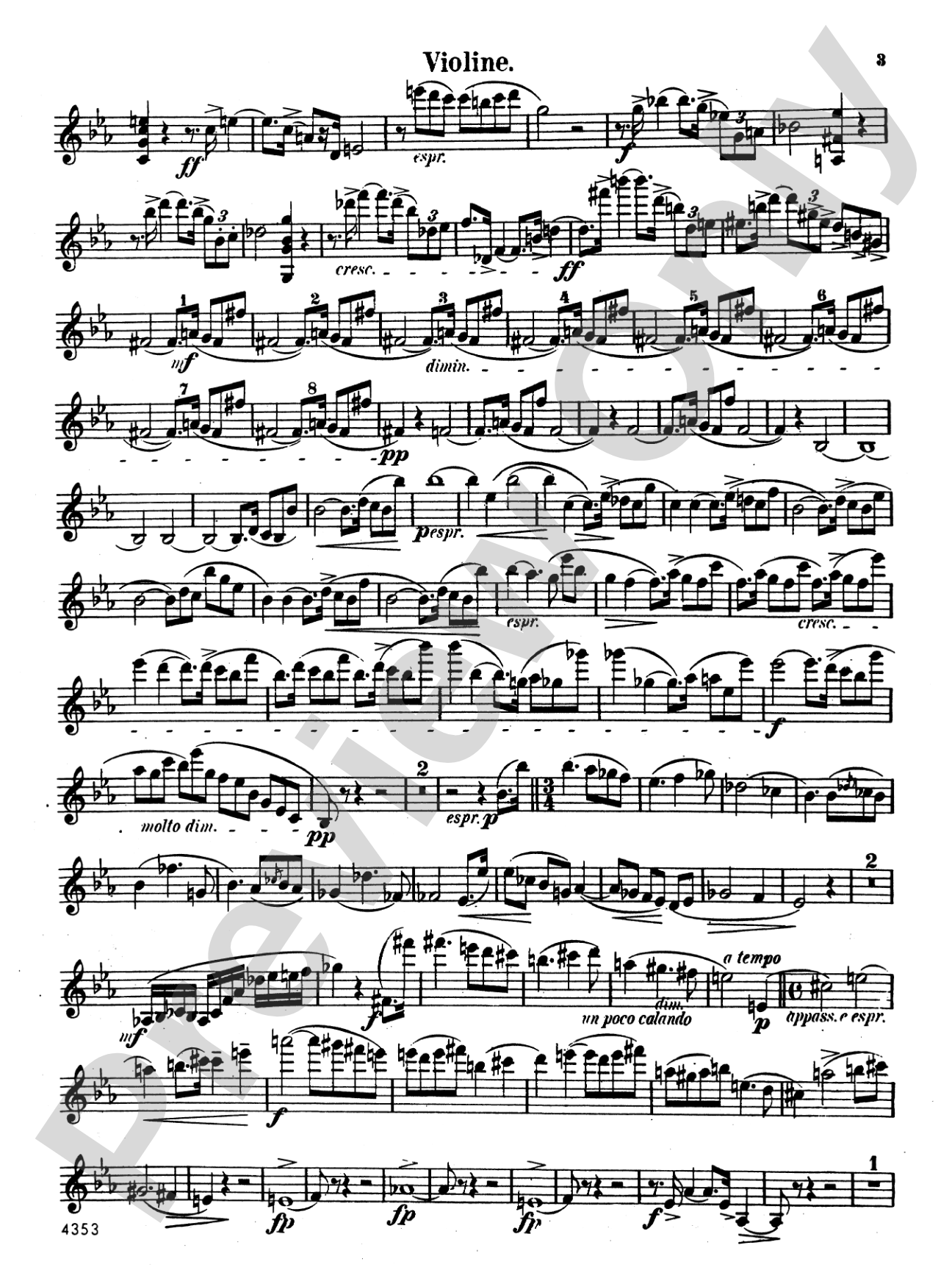
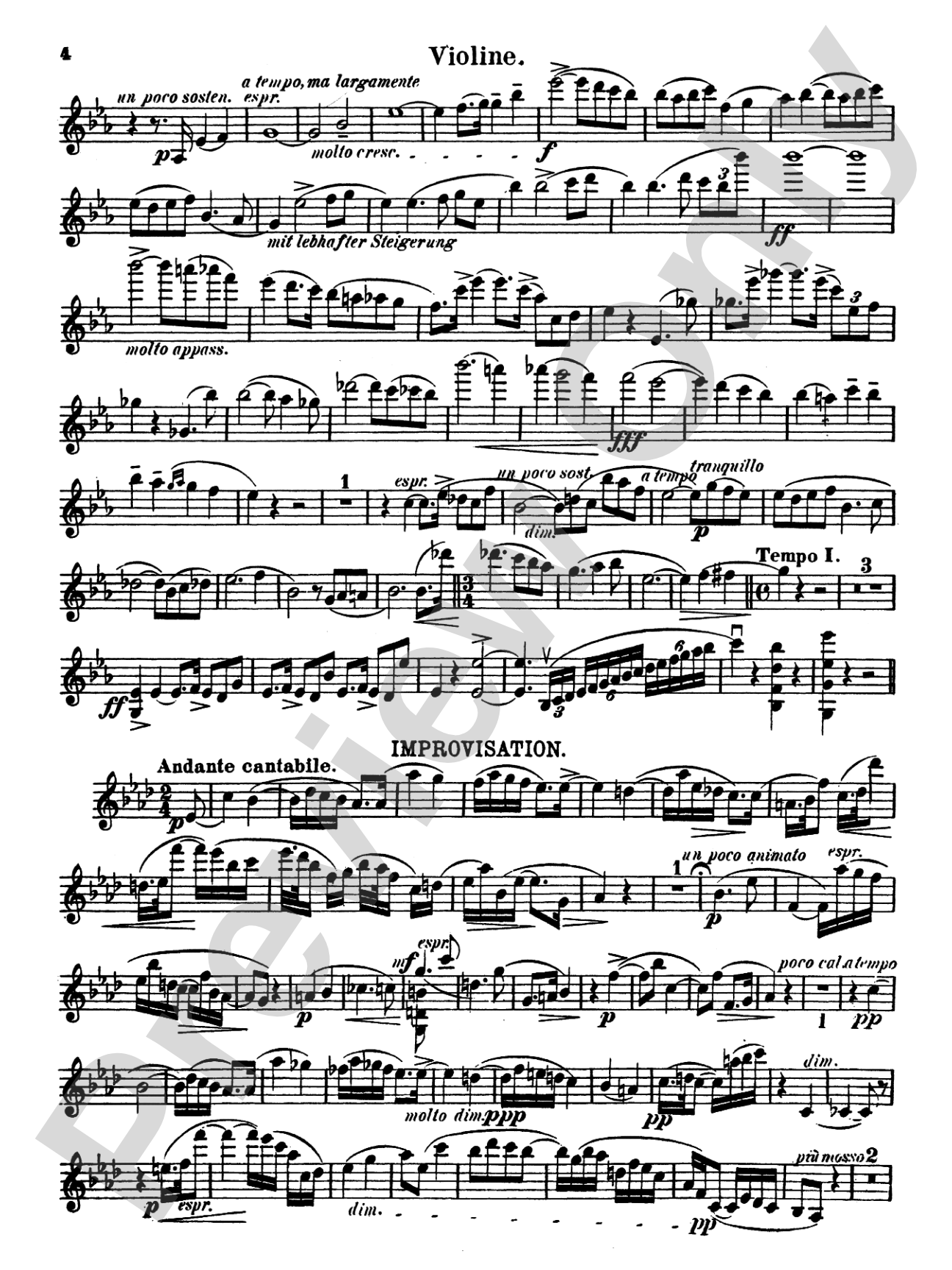
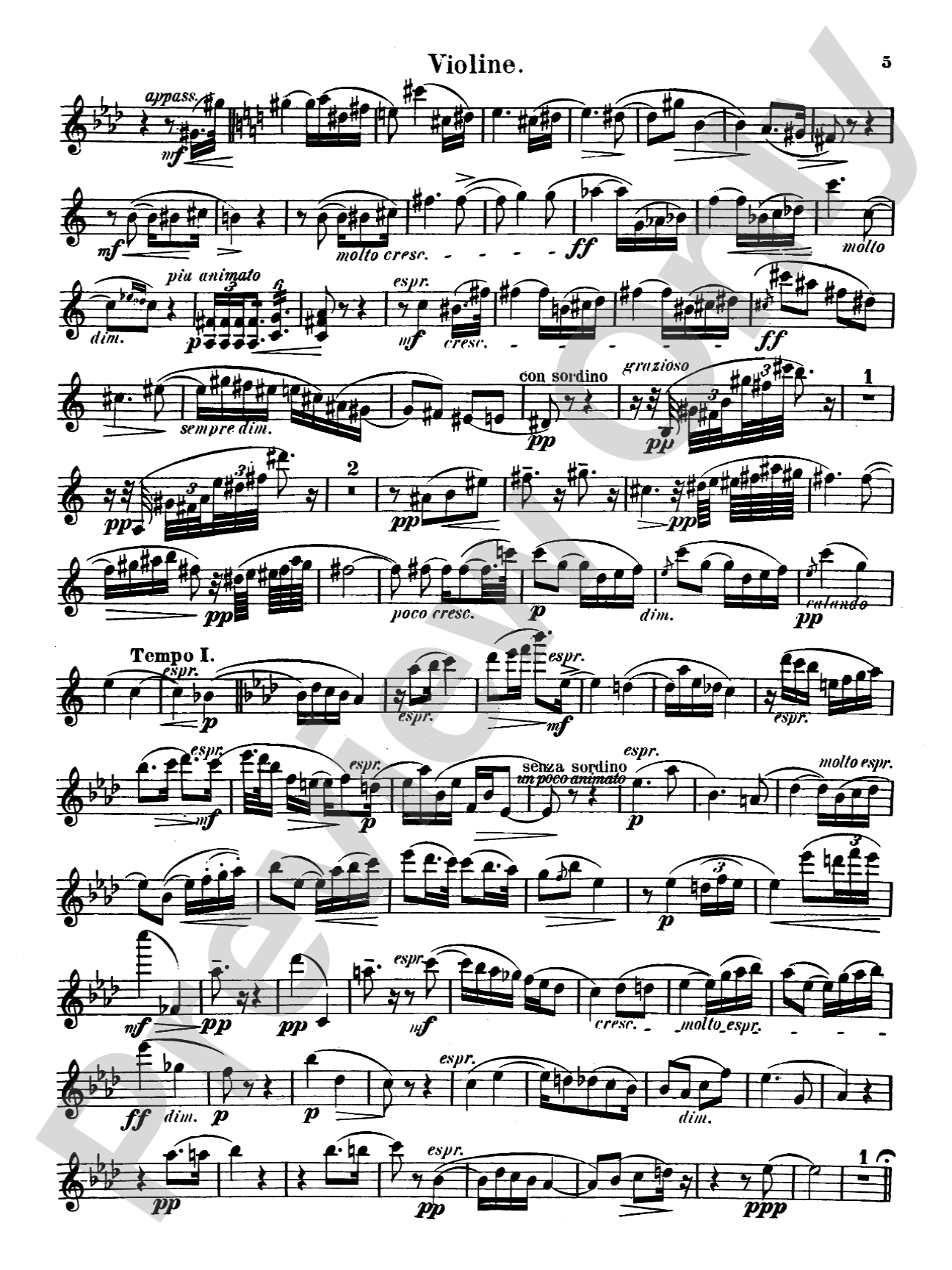
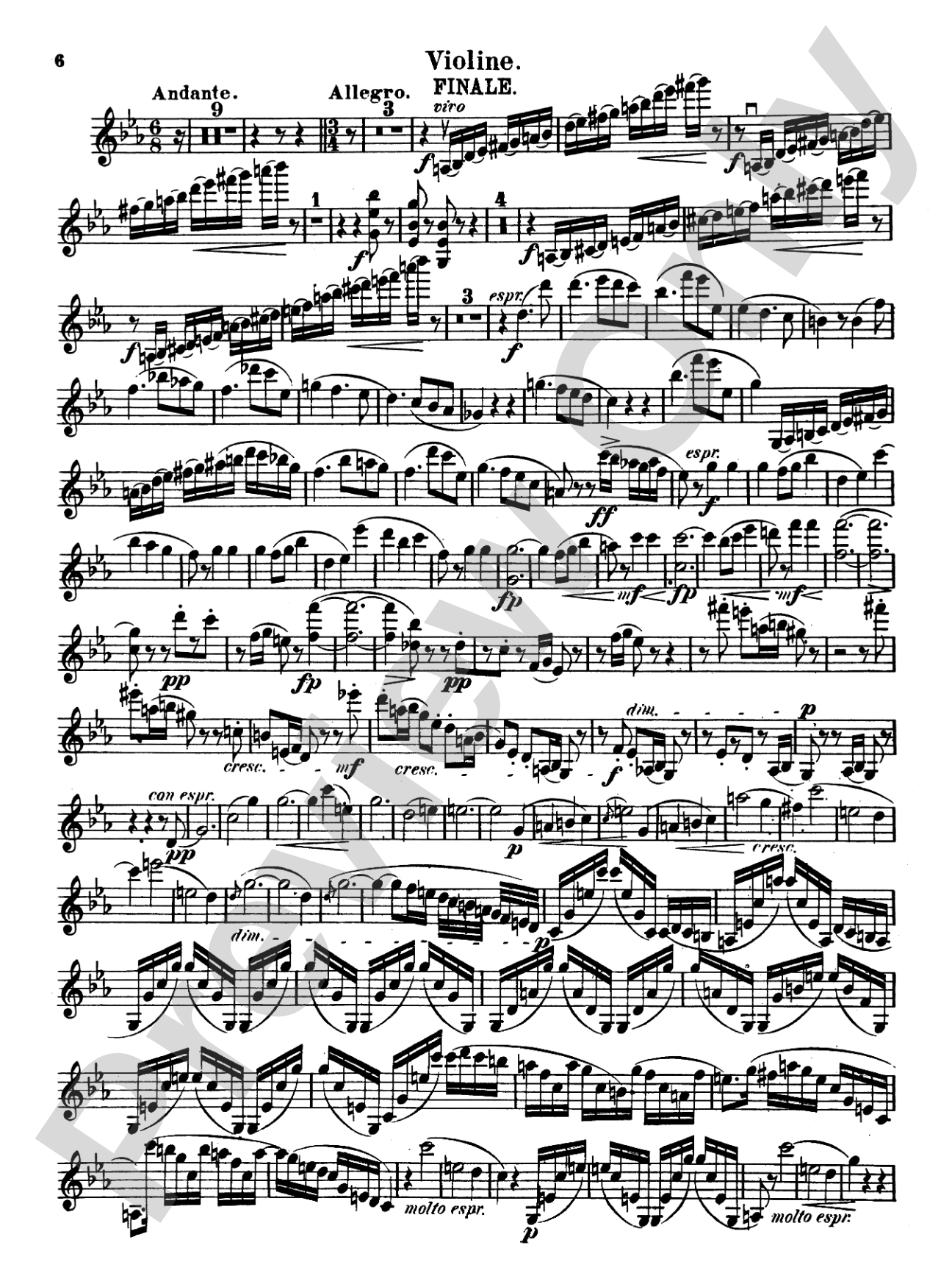
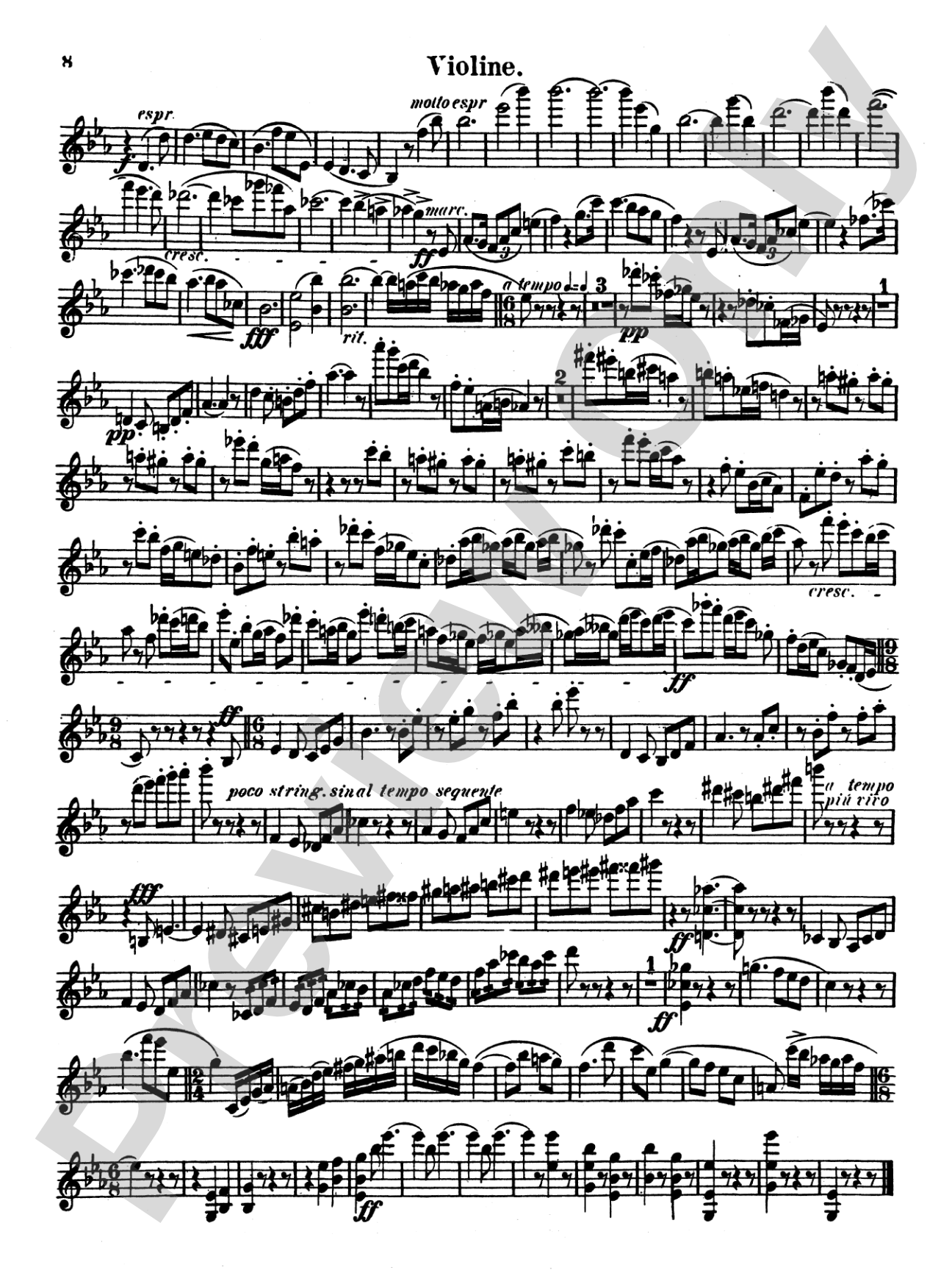
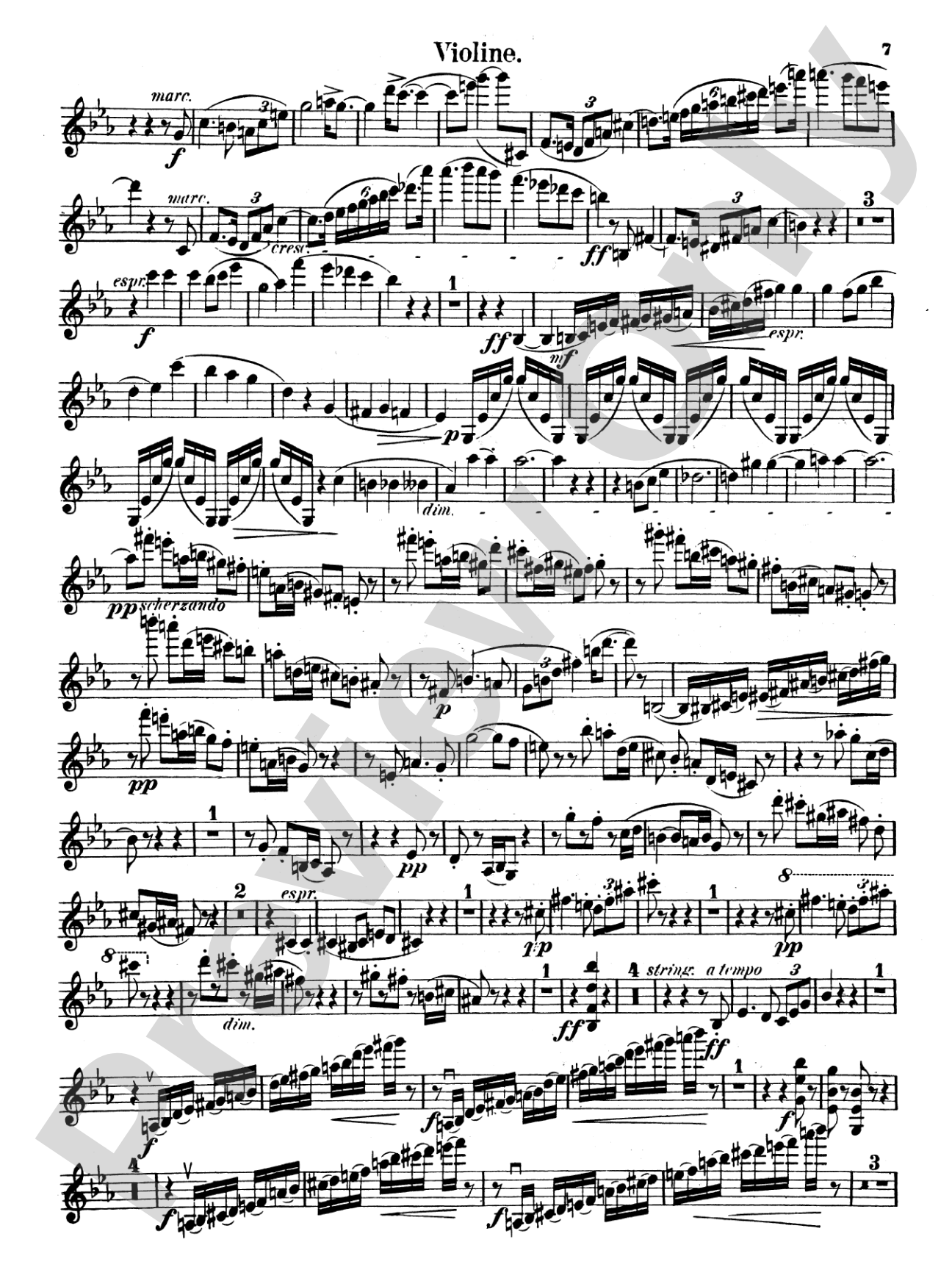

Strauss: Sonata in E flat Major, Op. 18: Violin Book
By Richard Strauss
Item: 00-PK-0003480
$14.99
Pickup currently not available
Buy Extra Parts (Digital PDF Download)
| Product | Price | Quantity |
|---|---|---|
| Strauss: Sonata in E flat Major, Op. 18 | $6.99 | |
| Strauss: Sonata in E flat Major, Op. 18 | $6.95 |
Parts Added to Cart!
Related Items
Sonata in E-flat Major, Opus 18: Violin Book |
$14.95
|
View |
Description
Expertly arranged Violin with Piano Accompaniment music by Richard Strauss from the Kalmus Edition series. This is from the 20th Century and Romantic eras.


Discover MakeMusic Cloud: thousands of interactive titles your students can play along with today.
Sample Audio
No sample audio found.
Sample Video
No sample videos found.
Additional Details
Series:
Kalmus Edition
Publisher:
Alfred Music
Page Count:
60
SKU:
00-PK-0003480
More about this title
About the Composer: Richard Strauss
Richard Strauss (1864-1949) stands as one of the most significant orchestral and operatic composers of the late 19th and early 20th centuries. Born in Munich, he built a career that spanned conducting, composing, and advocating for contemporary music, creating works that expanded the harmonic language and structural possibilities of the Romantic tradition. His violin sonata reveals the same gift for lyrical melody and sophisticated harmony that defines his larger orchestral works, making it an essential piece for violinists seeking to understand the transition from Romanticism into the modern era.
Stauss's output includes nearly 150 published works across opera, orchestral music, chamber music, and songs. He served as conductor of major opera houses and concert halls throughout Europe, championing new music while remaining rooted in the classical traditions of Mozart and Brahms. His chamber works, though sometimes overshadowed by his operatic fame, demonstrate his mastery of intimate instrumental writing and continue to reward performers with rich musical substance.
Why we love this
This sonata sits at an ideal difficulty level for advanced high school and early college violinists preparing for competitions and festival performance. The writing balances technical display with genuine musicality, offering passages that showcase both precision and expressive depth without requiring the virtuosic extremes of later 20th-century works. Programming it signals artistic ambition and gives violinists access to a significant work from the classical chamber music canon.
What to expect
The sonata unfolds with Romantic lyricism tempered by the harmonic sophistication Strauss brought to the early 1900s. Warm, singing passages yield to moments of intricate passagework, creating a dialogue between the violin's melodic gifts and the piano's harmonic complexity.
Who it's for
Advanced high school violinists and college music majors preparing repertoire for competitions, festivals, and graduate school auditions will find this work rewarding. It also suits adult amateur violinists with solid technique seeking meaningful chamber music at a professional level.
How to get the most out of it
- Shape the long melodic lines with vocal phrasing; Strauss expects the violin to sing above the piano accompaniment, particularly in the slower movements.
- Balance dynamic control carefully through the rapid passagework to maintain clarity without sacrificing the lyrical character.
- Coordinate closely with the pianist on the numerous key changes and harmonic shifts; the piano often outlines structural turning points that guide the violin part.
- Attend to the rubato suggestions in the score; Strauss's late Romantic style permits expressive flexibility, but it must serve the phrase rather than distract from it.
How to use it
Include this work on a chamber music or solo recital featuring 19th and early 20th-century violin repertoire, positioning it alongside works by Brahms or Sibelius. It also serves well as a centerpiece competition entry for advanced students seeking to demonstrate both technical facility and interpretive maturity.
Skills your students will build
- Sustained legato phrasing across extended melodic passages
- Dynamic control and tonal refinement in Romantic-era harmonic language
- Rhythmic coordination with piano accompaniment through frequent key changes
- Interpretation of rubato and expressive flexibility in early 20th-century style