Sportsmarch Cover Image

Sportsmarch: Concert Band Conductor Score

$6.00 USD
Sale price  $6.00 USD Regular price 
Skip to product information
Sportsmarch Cover Image

Sportsmarch: Concert Band Conductor Score

Music by John Cacavas

Grade: 2 (Medium Easy)

Item: 00-22274S

$6.00
Shipped

One moment…

Description
Sportsmarch captures the excitement and energy that pervade all sporting events. The expert scoring makes it very playable by all bands, even those with limited instrumentation. Players and audiences alike are certain to enjoy this energetic work.

Sportsmarch: Concert Band Conductor Score isn't in MakeMusic Cloud just yet...but it could be. Let us know you'd like to see it, and you'll help shape what comes next. In the meantime, start a free trial and dive into thousands of interactive titles your students can play along with today.

Sample Pages

Sample Audio
No sample audio found.
Sample Video
Additional Details
Series: Young Symphonic
Publisher: Alfred Music
Page Count: 12
UPC: 038081229041
SKU: 00-22274S

More about this title

About the Composer: John Cacavas
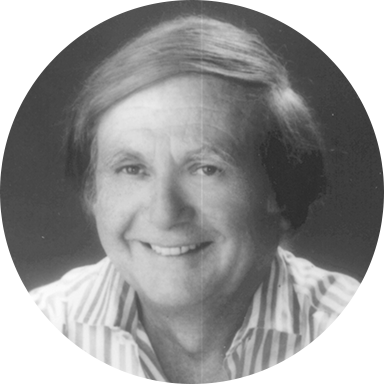
John Cacavas

John Cacavas brings decades of professional scoring experience to the concert band repertoire. His work across television, film, and orchestral projects has given him deep insight into what makes music engaging for both performers and audiences. A Northwestern University composition graduate and former arranger for the United States Army Band, Cacavas has authored two influential texts on orchestration and music arranging that remain valued resources in music education.

Having scored over 400 television episodes, 50 made-for-TV films, and 15 feature films, Cacavas understands the craft of writing music that communicates directly and powerfully. His compositions for band demonstrate that same clarity and accessibility, proving that audience appeal and musical substance are not mutually exclusive.

Why we love this

Sportsmarch delivers genuine entertainment value without asking your ensemble to stretch beyond what Grade 2 musicians can handle. The scoring is transparent and idiomatic; Cacavas writes for what bands actually have, which means every section gets moments to shine. You'll find this energizes rehearsals and gives your audiences exactly what they came for: music that's fun to hear and fun to play.

What to expect

Sportsmarch captures the visceral thrill of crowd energy and athletic competition. Bright, propulsive, and built on march-like rhythms, it projects confidence and momentum from the opening notes. The piece creates an infectious sense of forward motion that's contagious for both the ensemble and the audience.

Who it's for

Grade 2 bands of any size will find this piece immediately playable. The straightforward arrangement works especially well for programs serving developing musicians or bands with incomplete instrumentation, since Cacavas wrote with flexibility in mind.

How to get the most out of it

  • Maintain crisp articulation in the marchlike figures; clean tonguing will give the piece its characteristic snap and propel the rhythmic momentum forward.
  • Balance the melody between first and second parts in each section so that the primary line reads clearly without drowning accompanying voices.
  • Let the accompaniment instruments lock into a steady tempo before bringing in the full ensemble; this foundation prevents the piece from dragging during the longer held notes.
  • Take advantage of the recorded accompaniment to build confidence in younger players who are still developing independence in sectional work.

How to use it

This is ideal for pep band concerts, school assemblies, or athletic fundraisers where you want music that resonates instantly with a mixed audience. It also works beautifully as an opener or encore on a concert focused on lighter repertoire, giving your ensemble a chance to show off their energy without technical demands that pull focus from the music's personality.

Skills your students will build

  • Steady pulse maintenance in marchlike rhythmic contexts
  • Balancing independent melodic and harmonic lines within a homophonic texture
  • Sustaining articulation clarity across dynamic changes
  • Sectional independence in ensemble settings with limited instrumentation

You May Also Like