Spit-Fire Cover Image

Spit-Fire: Concert Band Conductor Score & Parts

$80.00 USD
Sale price  $80.00 USD Regular price 
Skip to product information
Spit-Fire Cover Image

Spit-Fire: Concert Band Conductor Score & Parts

By William Owens

Grade: 2.5

Item: 98-B1570

makemusic Cloud badge

Need it now?

Buy Digital Version
$80.00
Shipped

One moment…

Description
The exploits of the legendary Tuskegee Airmen come alive in this musical tour-de-force! The opening militaristic theme pays homage to these heroes as they approach their aircraft and prepare to take flight. The music suddenly spikes in tempo and leads into an intense aerial battle, with brass and percussion replicating the sounds of fighter jets and artillary. Ultimately, the music careens to an explosive conclusion. Sensational!

Don't just read it, hear it, play along with it, and watch your students grow with it. In MakeMusic Cloud, Spit-Fire: Concert Band Conductor Score & Parts comes alive with professional accompaniment, adjustable tempo, and built-in practice tools that turn solo practice into real progress.

Sample Pages

Sample Audio
0:00
0:00
Sample Video
Additional Details
Series: FJH Young Band
Publisher: The FJH Music Company, Inc.
SKU: 98-B1570

More about this title

About the Composer: William Owens
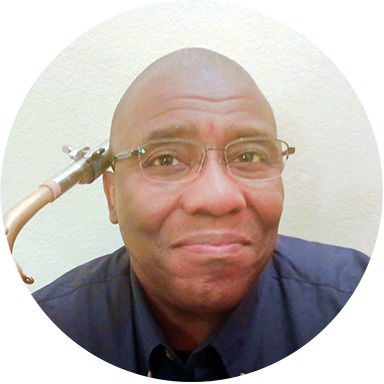
William Owens

William Owens brings three decades of classroom experience to his prolific compositional output. A VanderCook College of Music alumnus and former Texas band director, he has written over 300 works for concert band, string orchestra, and chamber ensembles since 1993. His music appears on state required lists and in educational curricula across the country, earned him ASCAP membership, and garnered recognition as a Distinguished Alumnus and recipient of the Texas Bandmasters Association's Meritorious Achievement Award.

Owens' approach to writing for young ensembles balances musical substance with practical accessibility. His compositions are frequently analyzed in pedagogical texts and have become touchstones of the developing band repertoire. Since his 2014 retirement from full-time teaching, he continues clinician work and remains deeply engaged with the bands performing his music. He lives in Fort Worth, Texas.

Why we love this

Owens captures the narrative arc of the Tuskegee Airmen with genuine dramatic momentum rather than surface-level spectacle. The architecture moves deliberately from ceremonial opening through kinetic action to a satisfying peak, giving young musicians a tangible dramatic shape to inhabit. At grade 2.5, the orchestration respects what inexperienced ensembles can handle while never condescending to the subject matter.

What to expect

Spit-Fire captures the discipline and courage of wartime aviation through music that moves from solemn determination into visceral action. The opening feels ceremonial and grounded; once the tempo ignites, the piece becomes urgent and almost chaotic, with brass and percussion firing simultaneously. The final descent resolves into a climactic moment that feels earned rather than mere theatrics.

Who it's for

Bands at the 2.5 grade level ready for meaningful concert repertoire that stretches them musically without requiring advanced technique. This is equally suited to concert performances and educational settings where students benefit from learning about the Tuskegee Airmen while developing their musicianship.

How to get the most out of it

  • Establish the militaristic opening with precision and respect. This theme sets the emotional stakes for everything that follows, so lock the tempo and phrasing in early rehearsals before layering in the faster material.
  • Mark the tempo spike clearly in all parts. Brass players especially need visual confirmation of where the aerial battle section begins; without it, the transition feels rushed rather than propulsive.
  • Balance the jet and artillery sound effects between brass and percussion so neither overpowers the other. Rehearse these sections separately first, then blend them at volume to find the right textural mix.
  • Shape the final explosion with dynamic control. The conclusion should feel inevitable and powerful, not just loud. Work dynamics from the ensemble's perspective so everyone builds together toward the climax.

How to use it

This works exceptionally well in patriotic or historical themed concerts where the narrative can frame the performance. It also serves as an effective concert closer for all-band programs, offering the kind of dramatic payoff that leaves audiences energized. Consider pairing it with other American composers to build a program celebrating musical storytelling.

Skills your students will build

  • Reading and executing rapid tempo changes within a single piece
  • Balancing independent musical lines in thick, doubled textures
  • Executing dramatic dynamic shifts that support narrative arc
  • Precision in rhythmic ensemble attack, especially through transitional passages
  • Interpreting program music and connecting musical choices to extramusical meaning

You May Also Like
