Spirituals For Brass Cover Image

Spirituals For Brass: Conductor Score & Parts

$15.95 USD
Sale price  $15.95 USD Regular price 
Skip to product information
Spirituals For Brass Cover Image

Spirituals For Brass: Conductor Score & Parts

By Harry T. Burleigh

Item: 36-M269791

$15.95
Shipped

One moment…

Description

Spirituals For Brass: Conductor Score & Parts isn't in MakeMusic Cloud just yet...but it could be. Let us know you'd like to see it, and you'll help shape what comes next. In the meantime, start a free trial and dive into thousands of interactive titles your students can play along with today.

Sample Pages

No sample pages found.

Sample Audio
No sample audio found.
Sample Video
Additional Details
Series: Master Brass Series - LudwigMasters
Publisher: Keiser Productions, Inc.
UPC: 660355066948
SKU: 36-M269791
Instrumentation: Two Trumpets, Horn, Trombone and Tuba

More about this title

About the Composer: Harry T. Burleigh
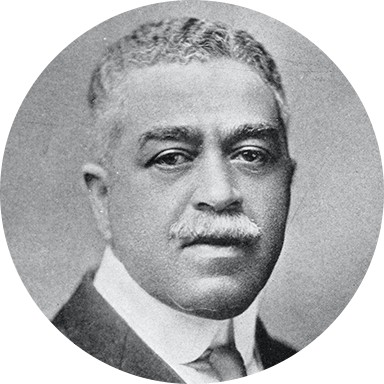
Harry T. Burleigh

Harry Thacker Burleigh (1866–1949) was an American vocalist, composer, and arranger who became the leading authority on African American spirituals during his lifetime. While studying composition at the National Conservatory of Music in New York under Antonín Dvořák, Burleigh shared the rich vocal traditions of Black American culture with the renowned Czech composer, directly influencing Dvořák's own work.

Burleigh's performing career spanned five decades, including positions as a soloist at St. George's Church (1894–1946) and Temple Emanuel (1900–1925) in New York City. He composed over 200 songs and became internationally recognized for his sophisticated arrangements of spirituals, establishing the genre as serious concert music and ensuring these traditions reached audiences far beyond their communities of origin.

Why we love this

Burleigh's brass quintet arrangements bring the emotional depth and harmonic richness of spirituals to an ensemble format that demands precision and unity. The pieces honor the original melodies while giving brass players a genuine encounter with American musical heritage, not as a historical exercise but as living, expressive music that rewards both technical control and genuine feeling.

What to expect

These spirituals bring warmth, dignity, and quiet conviction to the brass quintet sound. The familiar melodies resonate with a deep humanity, while Burleigh's harmonies create moments of both intimate reflection and swelling affirmation, allowing brass players to discover the singing, conversational quality within their instruments.

Who it's for

Brass quintets seeking accessible yet substantial repertoire with historical and cultural significance. These arrangements work well for ensembles at the intermediate level who want to expand beyond standard classical and baroque brass literature into American vernacular traditions.

How to get the most out of it

  • Balance the melody line across the quintet carefully; the spiritual's power depends on clear phrasing rather than volume, so listen for transparency in the texture.
  • Shape phrases with natural rubato and breath, treating each spiritual's arc as a singer would, rather than maintaining rigid metronomic time.
  • Allow the lower brass (horn, trombone, tuba) to anchor the harmonic foundation with confidence; their solid support gives the trumpets freedom to sing the melody.
  • Pay attention to dynamic contrasts and the subtle shifts between sections, as these often carry the spiritual's emotional narrative.

How to use it

Program these spirituals as a contrasting anchor point in a mixed brass concert, where they humanize the ensemble after technical showpieces. They also serve well as a chamber music option for outreach concerts, educational programs, and multicultural celebrations where spirituals carry particular relevance and resonance.

Skills your students will build

  • Singing tone production on brass instruments
  • Melodic phrasing and breath placement adapted from vocal traditions
  • Ensemble balance with melody distributed across the quintet
  • Historical awareness of African American musical traditions
  • Dynamic nuance and emotional expression in concert performance

You May Also Like