Speranza Cover Image

Speranza: String Orchestra Conductor Score

$10.00 USD
Sale price  $10.00 USD Regular price 
Skip to product information
Speranza Cover Image

Speranza: String Orchestra Conductor Score

Reach for the Stars

By Loreta Fin

Grade: 3, 2, 0.5

Item: 76-52808S

$10.00
Shipped

One moment…

Description
The theme of SCEGGS' 130th Birthday year was Hope, and the title, Speranza, is the Italian word for Hope. Loreta Fin took inspiration for this composition from her Italian father, Giuseppe and his sister, Maria, who travelled to Australia by boat after World War 2, in the hope of building a better life for themselves and their families. Migrants made a huge contribution to Australia, bringing with them their food and culture, which enriched this young country.

The music can be performed with A parts only, or with added simple B parts, designed for less experienced players. Violin and Cello obligato part have also been included, to challenge more advanced students, using higher positions. The work is very well suited to joining ensembles of different levels together for a concert. The music builds to a climax, expressing a sense of optimism for the future. Dynamics are vital in this beautiful work. There is also a useful piano part, which enhances the harmony. Sincere appreciation goes to my dear friend, Anne Sweeney, the wonderful and dedicated Director of Strings at SCEGGS.

Speranza: String Orchestra Conductor Score isn't in MakeMusic Cloud just yet...but it could be. Let us know you'd like to see it, and you'll help shape what comes next. In the meantime, start a free trial and dive into thousands of interactive titles your students can play along with today.

Sample Pages

No sample pages found.

Sample Audio
0:00
0:00
Sample Video
Additional Details
Series: Wilfin String Orchestra: Young String Ensemble Series
Publisher: Wilfin Music
ISBN10: 1-4706-8609-0
ISBN13: 978-1-4706-8609-3
UPC: 038081619989
SKU: 76-52808S

More about this title

About the Composer: Loreta Fin
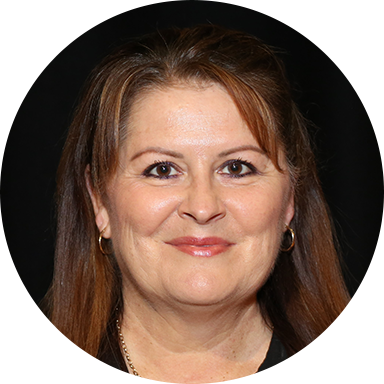
Loreta Fin

Loreta Fin AM is an accomplished violist, educator, and prolific composer based in Brisbane. A Sydney Conservatorium graduate and former first violinist with the Sydney Youth Orchestra, she has maintained a dual career as a performing musician and string educator since 1993, serving as Director of Strings at Somerville House School. Her principal viola position with the Queensland Pops Orchestra spans over 25 years, during which she has collaborated with internationally renowned artists across chamber and orchestral settings.

Fin's contributions to string education and advocacy are extensive. She has presented at multiple Australian National Music Conferences and two American National String Teachers' Conferences, adjudicated major competitions throughout Australia, and served as both State and National President of the Australian Strings Association. Her compositional output includes over 100 published works for string orchestra distributed worldwide by Alfred Music. In recognition of her impact, she received a Queensland State Award for services to AUSTA in 2009 and was honoured with the National Award for Services to Music and String Teaching in Australia. She currently serves as State Advisor for Strings and regularly conducts State and National Honours Ensembles Programs.

Why we love this

Speranza solves a real programming challenge by accommodating multiple playing levels in a single rehearsal without splitting attention or diluting the musical experience. The flexible scoring lets you run A parts only while you're building ensemble technique, then layer in optional B parts and obligato lines as players develop their facility, all within a work that feels cohesive and genuinely moving. What makes this special is how Fin structures the piece to grow with your ensemble; dynamics carry the emotional weight, and the addition of piano harmonic support gives directors a tool to shape ensemble balance while keeping the arrangement elegant.

What to expect

Speranza unfolds with quiet dignity before building toward affirmation and brightness. There's an underlying warmth throughout, rooted in the human story of migration and resilience; the music feels intimate at times, then expands into something more hopeful and celebratory. By the final measures, the sense of optimism is unmistakable and earned.

Who it's for

Directors of mixed-level ensembles who need repertoire that doesn't compromise artistic integrity while accommodating different technical abilities. It works especially well in school programs with expanding string departments or in community orchestras where players range from newer to experienced musicians.

How to get the most out of it

  • Shape the dynamics with intention. This work relies on contrast between quiet passages and the climactic build to convey its message of hope; rushing through dynamic changes flattens the emotional arc.
  • Balance the violin and cello obligato lines carefully when they enter. They should emerge as natural extensions of the main texture, not as soloistic interruptions.
  • Let the piano part breathe. It enhances rather than dominates, so it should blend with the strings while clarifying harmonic movement during ensemble passages.
  • Rehearse the optional B parts separately at first, even if your section leaders can read them at sight. The interplay between A and B voices shapes the texture, and players benefit from hearing how their lines support the primary melody.

How to use it

This works beautifully as a centerpiece for an ensemble concert that celebrates your string program's range of development. Pair it with lighter opening works and more technically demanding closing pieces to showcase what your students can accomplish together. It also fits naturally into programs built around cultural themes, heritage celebrations, or any concert highlighting human connection and community.

Skills your students will build

  • Controlling dynamics to shape musical narrative across an extended form
  • Reading multiple layered parts and understanding how accompaniment voices interact with melody
  • Coordinating ensemble sound across different technical levels in unified performance
  • Interpreting music rooted in programmatic or narrative content
  • Executing higher string positions (for obligato players) with expressive control

You May Also Like