Speranza Cover Image

Speranza: String Orchestra Conductor Score & Parts

$52.00 USD
Sale price  $52.00 USD Regular price 
Skip to product information
Speranza Cover Image

Speranza: String Orchestra Conductor Score & Parts

Reach for the Stars

By Loreta Fin

Grade: 3, 2, 0.5

Item: 76-52808

$52.00
Shipped

One moment…

Description
The theme of SCEGGS' 130th Birthday year was Hope, and the title, Speranza, is the Italian word for Hope. Loreta Fin took inspiration for this composition from her Italian father, Giuseppe and his sister, Maria, who travelled to Australia by boat after World War 2, in the hope of building a better life for themselves and their families. Migrants made a huge contribution to Australia, bringing with them their food and culture, which enriched this young country.

The music can be performed with A parts only, or with added simple B parts, designed for less experienced players. Violin and Cello obligato part have also been included, to challenge more advanced students, using higher positions. The work is very well suited to joining ensembles of different levels together for a concert. The music builds to a climax, expressing a sense of optimism for the future. Dynamics are vital in this beautiful work. There is also a useful piano part, which enhances the harmony. Sincere appreciation goes to my dear friend, Anne Sweeney, the wonderful and dedicated Director of Strings at SCEGGS.

Speranza: String Orchestra Conductor Score & Parts isn't in MakeMusic Cloud just yet...but it could be. Let us know you'd like to see it, and you'll help shape what comes next. In the meantime, start a free trial and dive into thousands of interactive titles your students can play along with today.

Sample Pages

Sample Audio
0:00
0:00
Sample Video
Additional Details
Series: Wilfin String Orchestra: Young String Ensemble Series
Publisher: Wilfin Music
ISBN10: 1-4706-8608-2
ISBN13: 978-1-4706-8608-6
UPC: 038081619972
SKU: 76-52808

More about this title

About the Composer: Loreta Fin
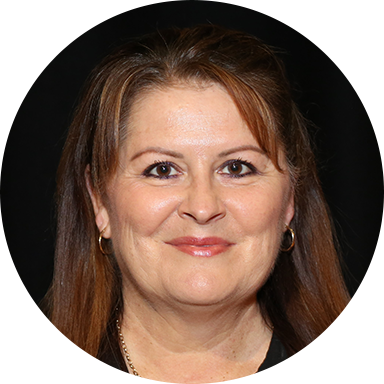
Loreta Fin

Loreta Fin AM is an accomplished violist and string educator based in Brisbane, where she has directed strings at Somerville House School since 1993. A graduate of the Sydney Conservatorium of Music and former first violinist with the Sydney Youth Orchestra, she spent over 25 years as Principal Viola with the Queensland Pops Orchestra while maintaining an active chamber music and orchestral performance schedule.

Fin's contributions to string education extend far beyond the classroom. She has presented at multiple Australian National Music Conferences and two American National String Teachers' Conferences, adjudicated major competitions across Australia, and served as both State and National President of the Australian Strings Association for 25 years. Her prolific compositional output includes over 100 string orchestra works published internationally by Alfred Music. She was honoured with the National Award for Services to Music and String Teaching in Australia and received a Queensland State Award for her work with AUSTA. Currently serving as State Advisor for Strings and an AMEB examiner, Fin regularly conducts the State and National Honours Ensembles Programs.

Why we love this

Speranza addresses a genuine ensemble-building challenge: bringing mixed-ability groups together for meaningful performance without compromising either level's musical experience. The flexible scoring (A parts only, optional B parts, and optional obligato lines) lets advanced players genuinely stretch while younger students remain engaged and successful, making this ideal for those end-of-year concerts where your advanced quartet meets your developing program. The narrative foundation, rooted in Fin's family heritage and the theme of hope, gives students something emotionally substantial to communicate rather than simply execute.

What to expect

Speranza unfolds with quiet determination, building gradually toward brightness and affirmation. The writing breathes with warmth and optimism, grounded in a personal story of courage and resilience that comes through the musical language. By the climax, the ensemble arrives at a sense of forward momentum and hope that feels earned rather than imposed.

Who it's for

Directors building ensembles with mixed ability levels, especially those seeking repertoire that allows advanced and developing players to perform together. Works equally well for string orchestras wanting accessible material with real depth of feeling, and for schools celebrating institutional milestones where music can anchor the narrative.

How to get the most out of it

  • Shape the dynamics with intention throughout the arc. Since Fin marks them as vital to the work's emotional trajectory, give yourself and students specific language for the journey from quieter passages into climax rather than treating dynamic markings as afterthoughts.
  • Balance the optional obligato parts carefully so they enhance rather than overwhelm the ensemble sound. If using advanced violins and cellos, rehearse the ensemble sections first, then layer in the obbligatos to ensure they sit as reinforcement within the texture.
  • Layer rehearsals by part type: work A parts until they're secure, introduce B parts only to those performing them, then integrate. This prevents less experienced players from feeling rushed and allows advanced students focused time on their more demanding lines.
  • The piano part adds harmonic depth that matters. If available, even a run-through with piano during later rehearsals helps the group understand its role in supporting and enriching the string voicing.

How to use it

Position this as a concert centerpiece that bridges your ensemble levels, particularly effective for end-of-year performances, school celebrations, or themed programs exploring migration, cultural heritage, or resilience. It pairs naturally with other contemporary string works and sits comfortably in the 5-7 minute slot where audiences appreciate emotional substance without excessive length.

Skills your students will build

  • Sustained dynamic control across longer melodic phrases
  • Awareness of how optional parts (obligatos and B parts) function within ensemble texture
  • Reading and executing higher positions on violin and cello (obligato parts)
  • Collaborative listening when mixed-ability players perform simultaneously
  • Responding to narrative and emotional context as performers rather than note-readers

You May Also Like