Sonatina No. 3 Cover Image

Sonatina No. 3: Piano Sheet

$4.95 USD
Sale price  $4.95 USD Regular price 
Skip to product information
Sonatina No. 3 Cover Image

Sonatina No. 3: Piano Sheet

Denes Agay

Level: Late Intermediate

Item: 00-FXS1188

$4.95
Shipped

One moment…

Description
Pianists love big, brilliant, showy pieces with the sound of dazzling virtuosity. Denes Agay delivers with this flashy three-movement late-intermediate level sonatina, featuring catchy melodic lines over fresh-sounding contemporary harmonies. Here is a piece guaranteed to impress, whether at a recital, festival, or competition!

Sonatina No. 3: Piano Sheet isn't in MakeMusic Cloud just yet...but it could be. Let us know you'd like to see it, and you'll help shape what comes next. In the meantime, start a free trial and dive into thousands of interactive titles your students can play along with today.

Sample Pages

Sample Audio
No sample audio found.
Sample Video
Additional Details
Publisher: Alfred Music
Page Count: 16
ISBN10: 0-7579-1299-0
ISBN13: 978-0-7579-1299-3
UPC: 654979036746
SKU: 00-FXS1188

More about this title

About the Composer: Denes Agay
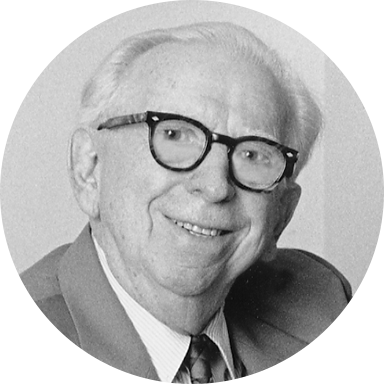
Denes Agay

Denes Agay began his musical training at age three in a village near Budapest and eventually earned his doctorate in piano composition and performance from the Liszt Ferenc Academy of Music in 1934. His early success conducting the Budapest Philharmonic in one of his own symphonies proved his father wrong about making a living in music, and Agay went on to compose and orchestrate for film while building a reputation as a musician and conductor.

When the political climate in Hungary became untenable, Agay immigrated to the United States in 1939 and became an American citizen. During World War II, he served in the army, earning the rank of sergeant while providing musical entertainment to hospital patients. After the war, he focused his considerable talents on teaching, composing, and publishing; he also worked as conductor and arranger for the NBC radio program "Guest Star." Agay's pedagogical legacy rests largely on his extensive piano collections and anthologies, most notably "The Young Pianist's Library," which introduced generations of students to diverse musical styles and levels.

Why we love this

Agay understood exactly what resonates with pianists at this level: writing that sparkles without becoming gratuitous. The three-movement structure gives students the architectural confidence of a real sonatina while the contemporary harmonic language keeps the piece fresh and engaging to learn. It's the kind of piece that feels impressive to play and sounds impressive to hear, making it a natural choice for anyone seeking late-intermediate repertoire with genuine musical substance.

What to expect

This is music that dazzles through melodic charm and harmonic freshness rather than brute technical display. The contemporary harmonies feel modern and engaging, while the three-movement design creates a satisfying arc that builds confidence with each section.

Who it's for

Late-intermediate pianists preparing for recitals, festivals, or competitions will find this sonatina offers genuine stylistic maturity without excessive technical demands. Students ready to move beyond strictly tonal harmonic language but not yet tackling advanced contemporary idioms will appreciate Agay's sophisticated yet accessible approach.

How to get the most out of it

  • Balance the catchy melodic lines with clarity through the accompaniment; let the harmonies support rather than overshadow the primary voice
  • Shape phrases by varying your touch and tone color across each movement rather than relying on pedal alone
  • Practice the hand coordination passages at a slower tempo, then gradually increase speed while maintaining rhythmic precision
  • Listen to multiple recordings to explore different interpretive choices for tempo and phrasing across the three movements

How to use it

Program this as a solo recital centerpiece for an intermediate showcase, where it pairs well with both traditional sonatinas and contemporary learning repertoire. At a festival or competition, it demonstrates musicianship and stylistic range without overshadowing other selections in a student's program.

Skills your students will build

  • Interpreting contemporary harmonic language at the keyboard
  • Balancing melody and accompaniment across three-movement form
  • Executing hand coordination and passage work at moderate tempos
  • Shaping longer musical phrases using varied touch and tone color
  • Understanding sonatina form while engaging with modern compositional voice

You May Also Like