Sonatina for Two Cover Image

Sonatina for Two: Piano Duo (2 Pianos, 4 Hands) Sheet (2 copies included)

$6.99 USD
Sale price  $6.99 USD Regular price 
Skip to product information
Sonatina for Two Cover Image

Sonatina for Two: Piano Duo (2 Pianos, 4 Hands) Sheet (2 copies included)

By George Peter Tingley

Level: Intermediate

Item: 00-14761

makemusic Cloud badge
$6.99
Shipped

One moment…

Description
This sonatina for intermediate piano ensemble---two pianos, four hands---remains true to the form, with two expositions, development and recapitulation clearly labeled for the performers. It is in the key of C major and 2/4 meter, with an allegretto tempo marking. Two copies are included. A Federation Festivals 2024-2028 selection.

Don't just read it, hear it, play along with it, and watch your students grow with it. In MakeMusic Cloud, Sonatina for Two: Piano Duo (2 Pianos, 4 Hands) Sheet (2 copies included) comes alive with professional accompaniment, adjustable tempo, and built-in practice tools that turn solo practice into real progress.

Sample Pages

Sample Audio
No sample audio found.
Sample Video
Additional Details
Publisher: Alfred Music
Page Count: 16
UPC: 038081135250
SKU: 00-14761

More about this title

About the Composer: George Peter Tingley
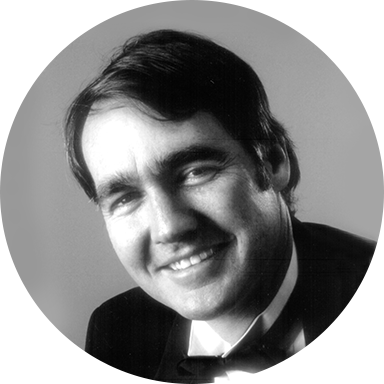
George Peter Tingley

George Peter Tingley grew up in Oakland, California, where he began violin at age four before switching to piano at ten. He earned a Bachelor of Arts in Piano Performance from California State University, Hayward, and went on to complete both Bachelor and Master of Music degrees in Music Theory at USC. During the 1970s, he studied composition privately with Nadia Boulanger in Paris, an experience that shaped his approach to form and voice leading.

Tingley has spent decades teaching privately and composing for music education. Since 1989, he has published over 75 piano pieces, many of which appear on festival lists nationwide. His work ranges from solo recital pieces like Reverie (Alfred, 1991) to ensemble compositions, including the teacher-student duet collection Fiddle and the Tuba, which is recognized by the National Federation of Music Clubs. He currently lives in Point Richmond, California.

Why we love this

Tingley's sonatina respects the classical architecture of the form without sacrificing engagement. The clearly labeled sections (exposition, development, recapitulation) make it transparent for students to learn how sonata form actually works, not just study it in theory. Intermediate pianists get rewarding material that teaches ensemble listening and balance between two coordinated instruments.

What to expect

C major sonatina writing in 2/4 meter creates a bright, forward-moving character at an allegretto tempo. The form unfolds with classical clarity: themes state themselves cleanly in the exposition, the development explores and transforms the material, and the recapitulation brings satisfying closure. Playing two pianos together generates a full, orchestral sound from acoustic piano alone.

Who it's for

Intermediate piano duos preparing for recital, festival competition (including Federation Festivals 2024-2028), or ensemble concerts. This work suits pianists who have solid sight-reading skills and are ready to coordinate ensemble playing at the intermediate level.

How to get the most out of it

  • Balance the melodic line between the two pianos during the expositions. One piano carries the primary theme while the other provides harmonic support; rehearse these roles distinctly so listeners always hear a clear hierarchy.
  • Use the development section to explore dynamic contrast and textural variety. Even at an allegretto tempo, the harmonic movement through this section invites subtle color changes that keep the form audible.
  • Lock the rhythm section in the 2/4 meter by counting subdivisions together before playing. Two performers on separate instruments need rhythmic precision to sound like one unified ensemble.
  • Establish a consistent tempo at the beginning and communicate with your partner through eye contact and breath. Allegretto allows freedom, but shared phrasing makes the form coherent.

How to use it

Program this as a standalone feature on a recital where you want to showcase ensemble work, or pair it with a solo piano piece from the same composer to highlight different facets of his writing. Its festival recognition makes it a natural choice for preparing students toward competitive performance calendars.

Skills your students will build

  • Recognizing and performing sonata form (exposition, development, recapitulation)
  • Balancing melodic and harmonic roles between two pianos
  • Reading and maintaining consistent tempo in 2/4 meter across an ensemble
  • Listening to and blending with another pianist in real time
  • Interpreting allegretto tempo marking with stylistic nuance

You May Also Like
