Something's Gotta Give Cover Image

Something's Gotta Give: Vocal Solo with Jazz Ensemble Conductor Score & Parts

$62.00 USD
Sale price  $62.00 USD Regular price 
Skip to product information
Something's Gotta Give Cover Image

Something's Gotta Give: Vocal Solo with Jazz Ensemble Conductor Score & Parts

Arr. Dave Wolpe

Grade: 3.5 (Medium)

Item: 00-29809

Need it now?

Buy Digital Version
$62.00
Shipped

One moment…

Description
A swinging chart, Dave Wolpe continues his string of superb vocal charts with jazz ensemble with Something's Gotta Give. This one is arranged in two keys with two scores and the parts are reversible---just flip the page for the high or low key your vocalist prefers. A tenor sax solo and a shout chorus connect the dots. Vocal solo range: female key (low) key of G---G below middle C to 3rd line B; male key (high) of C---middle C to top space E, treble clef. (3:31)

Something's Gotta Give: Vocal Solo with Jazz Ensemble Conductor Score & Parts isn't in MakeMusic Cloud just yet...but it could be. Let us know you'd like to see it, and you'll help shape what comes next. In the meantime, start a free trial and dive into thousands of interactive titles your students can play along with today.

Sample Pages

Sample Audio
0:00
0:00
Sample Video
Additional Details
Series: Jazz Vocal Series
Publisher: Alfred Music
Page Count: 132
UPC: 038081314877
SKU: 00-29809

More about this title

About the Arranger: Dave Wolpe
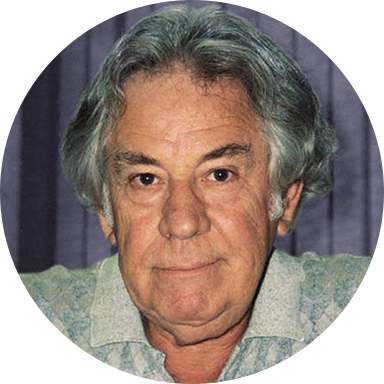
Dave Wolpe

Dave Wolpe has been arranging orchestral and ensemble music since 1965, building a catalog of work that spans decades of American popular music. His arrangements for the Glenn Miller Orchestra number in the dozens, and he served as co-arranger on the platinum-certified recording In the Christmas Mood. Beyond his studio work, Wolpe has contributed charts to the orchestras of Ray Anthony, Lawrence Welk, and Les Brown, establishing himself as a trusted voice in the swing and standards repertoire.

Why we love this

Wolpe understands what makes a vocal feature sing: the chart sits perfectly around the vocalist while the ensemble supports rather than overwhelms. The reversible parts eliminate the need to rewrite or transpose; flip the page and you're ready for your next soloist. A tenor sax solo and shout chorus create natural momentum without relying on vocal pyrotechnics.

What to expect

The groove locks in immediately, swinging with the ease of a classic big band ballad. The vocal melody sits naturally in the pocket, and the supporting harmonies breathe with the sophistication of mid-century jazz arranging. A tenor solo adds edge and personality before the ensemble shout brings everyone home.

Who it's for

Jazz ensemble directors with a vocalist on the roster will find this chart immediately useful. Whether your soloist sings soprano or bass, the two keys and reversible parts accommodate the entire vocal range without reprinting. This is a centerpiece feature for any jazz concert programming standards.

How to get the most out of it

  • Balance the vocal line against the ensemble by setting the vocalist's microphone level during the first full run-through; the arrangement is voiced to blend, not compete.
  • Lock the rhythm section (piano, bass, drums) into the swing feel before adding horns; Wolpe's voicings depend on a rock-solid groove.
  • Shape the tenor sax solo with dynamic space; let the soloist breathe and phrase conversationally rather than filling every beat.
  • Rehearse the shout chorus with clear articulation and uniform rhythmic precision; it's the arrangement's climactic moment and needs ensemble agreement.

How to use it

Open a jazz concert with this feature, or place it mid-set where a vocal solo refreshes the ear after instrumental numbers. The three-minute-thirty-one length fits comfortably in any program structure. Consider programming it alongside instrumental swing charts to show the breadth of your ensemble's jazz vocabulary.

Skills your students will build

  • Accompanying a featured soloist with ensemble restraint and support
  • Swinging eighth notes and triplet feel with rhythmic precision
  • Reading and executing two transpositions of the same arrangement
  • Balancing section voicings to support rather than dominate a vocal line
  • Phrasing saxophone solos with jazz inflection and conversational space

You May Also Like