Slavic Dance Cover Image

Slavic Dance: Piano Sheet

$3.50 USD
Sale price  $3.50 USD Regular price 
Skip to product information
Slavic Dance Cover Image

Slavic Dance: Piano Sheet

By George Peter Tingley

Level: Late Elementary

Item: 00-22460

$3.50
Shipped

One moment…

Description
This lively dance will fit small hands but it is big on style and character. The key (D minor) and the tempo (quasi scherzando) help to create the Slavic style indicated by the title. Teachers will find this solo to be an excellent study of several technical skills: legato vs. staccato playing, voicing left-hand melodies and moving around the keyboard. Students will find it to be a satisfying and fun piece to play. It is sure to be a hit on recitals or contests.

Slavic Dance: Piano Sheet isn't in MakeMusic Cloud just yet...but it could be. Let us know you'd like to see it, and you'll help shape what comes next. In the meantime, start a free trial and dive into thousands of interactive titles your students can play along with today.

Sample Pages

Sample Audio
0:00
0:00
Sample Video
Additional Details
Series: Signature Series
Publisher: Alfred Music
Page Count: 4
UPC: 038081227078
SKU: 00-22460

More about this title

About the Composer: George Peter Tingley
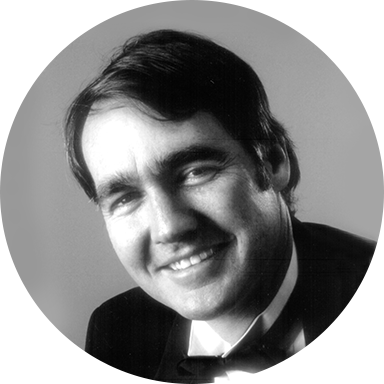
George Peter Tingley

George Peter Tingley has spent decades composing for young pianists while maintaining a deep connection to both classical training and popular music. A Bay Area native, he studied piano performance at California State University, Hayward, and earned advanced degrees in music theory from USC. Early in his career, he spent formative years as a private student of Nadia Boulanger in Paris, absorbing the discipline and craft that would shape his educational compositions.

Since 1989, Tingley has published over 75 piano pieces for students, establishing himself as a trusted voice in the educational market. His work ranges from intimate character pieces to pieces designed for competition and recital, including commissions for notable performers such as Olympic figure skater Kristi Yamaguchi. Teaching privately for decades, he understands the technical and musical needs of young players at every stage.

Why we love this

Tingley writes with genuine understanding of what works on the recital stage. This piece balances accessibility with personality; the D minor key and scherzando tempo give it character that feels grown-up, while the compact four-page layout keeps it manageable for small hands. The technical demands are purposeful rather than busy, making it equally valuable in lessons and on stage.

What to expect

Spirited and rhythmically alive, with the dark elegance of D minor giving it sophistication despite its approachable length. The piece dances rather than trudges; you feel the forward motion in nearly every bar, punctuated by playful articulation and a character that suggests Eastern European folk music distilled for the concert hall.

Who it's for

Late elementary pianists ready for character and style beyond basic technique. Students preparing for recitals or competitions will find it engaging enough to commit to fully, and teachers seeking a piece that teaches legato, staccato, and keyboard navigation simultaneously will appreciate Tingley's efficiency in his writing.

How to get the most out of it

  • Shape the legato passages with weight and direction; the contrast with staccato sections will feel sharper and more playful when legato singing actually sings.
  • Take the quasi scherzando marking seriously by keeping the tempo bouncy and light, avoiding any heaviness that would dilute the Slavic character.
  • Bring out the left-hand melody lines as independent voices rather than accompanimental filler; Tingley's voicing will reward careful voice leading.
  • Experiment with the tempo range within scherzando character; a fraction faster can make the dancelike quality irresistible without sacrificing clarity.

How to use it

Pair this with contrasting late elementary repertoire to showcase range; a lyrical Schumann or Kabalevsky piece nearby would highlight the rhythmic vitality here. It's sturdy enough for competition festivals but charming enough for casual recitals, making it flexible for either context.

Skills your students will build

  • Legato versus staccato articulation and their role in phrasing
  • Left-hand melody voicing and independence
  • Navigating the keyboard across multiple positions
  • Maintaining tempo and character in a scherzando style
  • Minor key tonality (D minor)

You May Also Like