Sit Down Servant Cover Image

Sit Down Servant: SATB Choral Octavo

$2.05 USD
Sale price  $2.05 USD Regular price 
Skip to product information
Sit Down Servant Cover Image

Sit Down Servant: SATB Choral Octavo

Arr. Patsy Ford Simms

Item: 00-22922

$2.05
Shipped

One moment…

Description
This spiritual arrangement features a driving rhythmic pulse, logical chords, and easy to learn vocal syncopation. And what fun it is to sing in a minor key in our most comfortable ranges. No-fuss treble divisi while the guys take their turn on the melody in the mixed arrangements. The energetic SoundTrax CD (optional) really cooks, or play the driving piano accompaniment which provides great rhythmic and harmonic support.

Sit Down Servant: SATB Choral Octavo isn't in MakeMusic Cloud just yet...but it could be. Let us know you'd like to see it, and you'll help shape what comes next. In the meantime, start a free trial and dive into thousands of interactive titles your students can play along with today.

Sample Pages

Sample Audio
0:00
0:00
Sample Video
Additional Details
Series: Alfred Choral Designs
Publisher: Alfred Music
Page Count: 8
UPC: 038081221052
SKU: 00-22922

More about this title

About the Arranger: Patsy Ford Simms
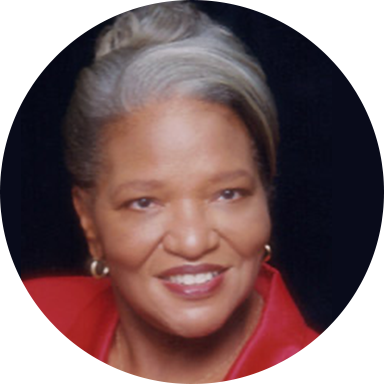
Patsy Ford Simms

Patsy Ford Simms began her publishing career in 1981 and has since created over 300 compositions and arrangements for educational institutions and churches across multiple major publishing houses, including Shawnee Press. Her work in choral writing emerged from a direct classroom need; during her early years teaching, she found a significant shortage of appropriate octavos for junior high and middle school singers, which motivated her to fill that gap with her own arrangements.

Simms holds a Bachelor of Science in Music Education from Knoxville College, a Master of Education from the University of Louisville, and a doctorate in Music Education from Columbia Pacific University. Over three decades of full-time teaching in grades K-12 and at the Youth Performing Arts School informed her pedagogical approach. Her arrangements and compositions have earned national recognition, including selections for two MENC World's Largest Concerts and multiple ASCAP Special Music Awards. She has also worked as a clinician and presenter internationally, including engagements in Italy and Africa, and has composed commissioned works and musical pieces centered on African American history.

Why we love this

Simms knows exactly what middle school choirs can handle and sound good singing. The syncopation feels natural rather than forced, the voice leading sits comfortably in each part, and the minor key gives students genuine permission to explore color without straining. Watching a group discover they can carry a syncopated line with confidence builds momentum you can build a whole concert around.

What to expect

Energy and ease at once. The minor key creates a soulful foundation while the driving pulse propels the piece forward with infectious momentum. Singing syncopated lines that sit comfortably in the middle of your range feels both accomplished and joyful, never strained.

Who it's for

This arrangement works especially well for middle school and junior high choirs seeking spirituals that sit naturally in emerging voices and don't require extensive range. Directors with singers who respond to rhythmic music and enjoy minor key color will find the syncopation accessible without condescension.

How to get the most out of it

  • Let the rhythm section (piano or recorded accompaniment) establish the groove before singers enter; the drive of this arrangement lives in that pocket, and locking in early pays dividends through performance.
  • Shape the vocal syncopation by rehearsing it separately from the melody line first, so singers feel the independence of their rhythmic role before blending it with the full texture.
  • Encourage the men's section to own the melody when it's theirs; this is a moment to highlight their sound and build confidence before returning to mixed voicing.
  • Use the optional SoundTrax recording to model the energy and rhythmic precision you're after, then gradually layer your choir's voices over it as they gain security.

How to use it

Pair this with other spirituals to build a cohesive set, or use it as an energizer in a mixed-genre concert where you want a piece that feels both rooted and contemporary. The rhythmic vitality also makes it an excellent closer or penultimate selection when you're looking to send the audience out with warmth and forward motion.

Skills your students will build

  • Reading and singing syncopated rhythms independently of the melody line
  • Sustaining intonation in a minor key tonality
  • Blending treble divisi while maintaining clarity of part
  • Listening to rhythm section cues and locking into an ensemble groove
  • Building confidence with solo melody sections in mixed voicing

You May Also Like