
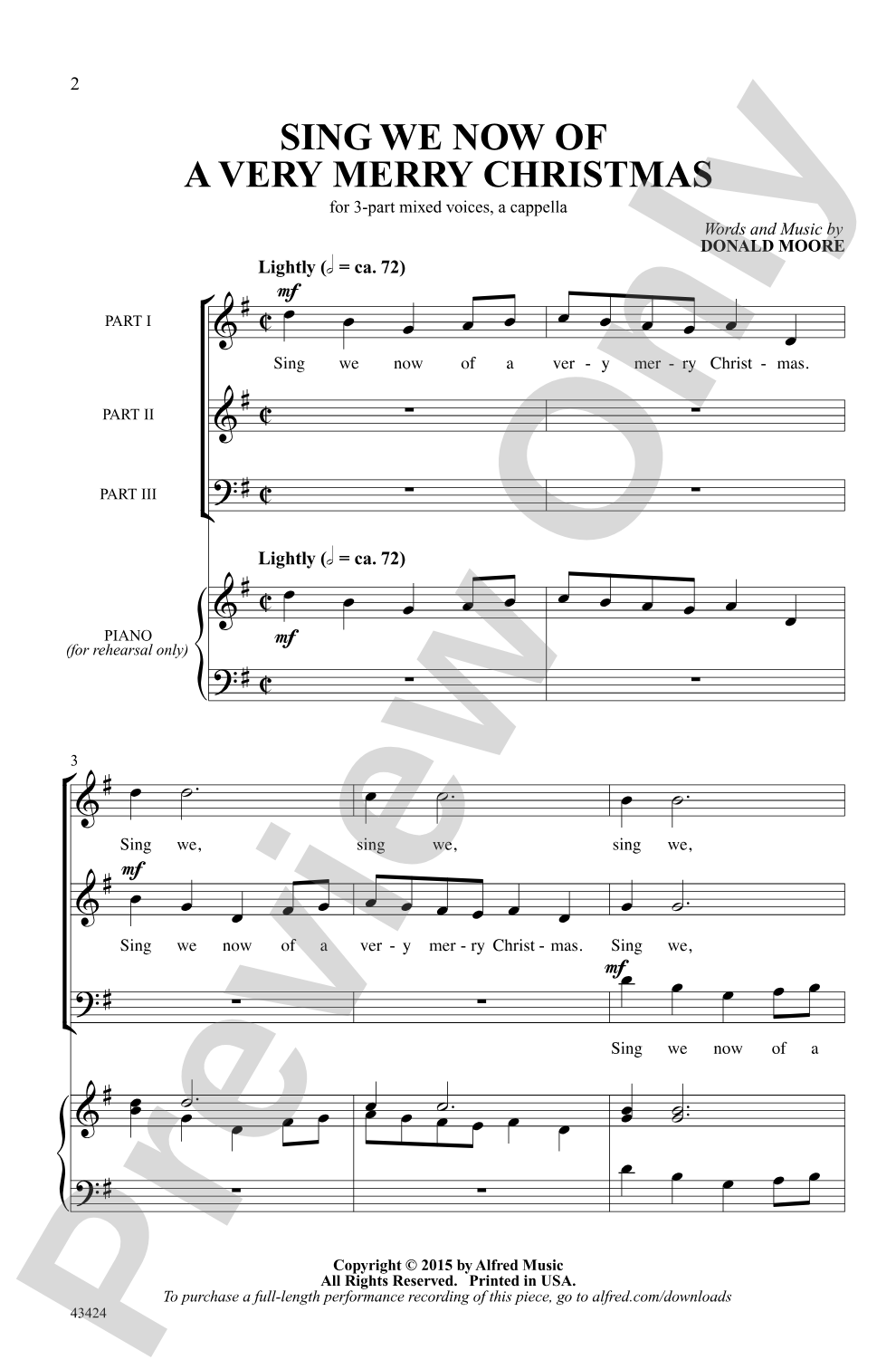
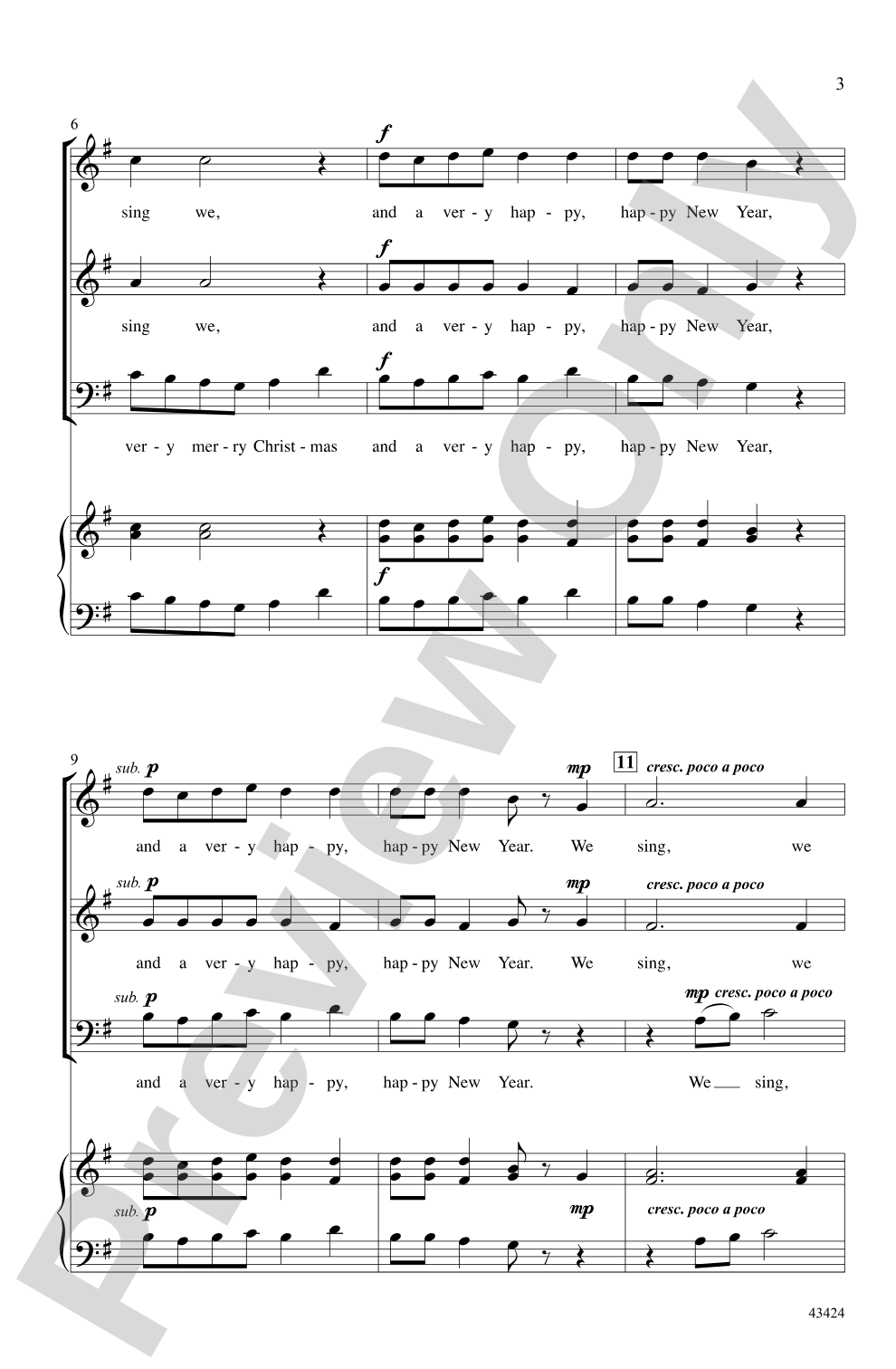

Sing We Now of a Very Merry Christmas: 3-Part Mixed, a cappella Choral Octavo
Words and music by Donald Moore
Item: 00-PO-0003358
$1.90
Minimum order quantity: 20 copies
Pickup currently not available
Related Items
Sing We Now of a Very Merry Christmas: 3-Part Mixed, a cappella Choral Octavo |
$1.90
|
View |
Description
Terraced dynamics, contrapuntal textures, and a general buoyancy provide a traditional madrigal feel to this a cappella Christmas original. Perform throughout the community, caroling door to door, or as a merry feature on your holiday concert. And with only a five-note range for the boys, it's just right for developing voices.


Sing We Now of a Very Merry Christmas: 3-Part Mixed, a cappella Choral Octavo isn't in MakeMusic Cloud just yet...but it could be. Let us know you'd like to see it, and you'll help shape what comes next. In the meantime, start a free trial and dive into thousands of interactive titles your students can play along with today.
Request This Title
Tell us you want it.
Start Your Free Trial
Explore everything that's ready to play right now.
Sample Audio
1
Audio File
--:--
0:00
0:00
Sample Video
No sample videos found.
Additional Details
Series:
Alfred Choral Designs
Publisher:
Alfred Music
Page Count:
8
SKU:
00-PO-0003358
More about this title
About the Composer: Donald Moore
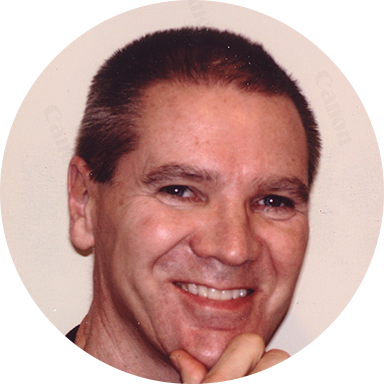
Donald Moore earned degrees in organ performance and music teaching from Kent State University and has served as Organist-Choirmaster at Pilgrim United Church of Christ in Cuyahoga Falls, Ohio. His catalog spans over 500 published works across sacred, secular, educational, and pop genres, with compositions appearing regularly at state contests, regional festivals, and national music conventions. Moore has received seventeen ASCAP Composers Standard Awards and was recognized by the American Choral Directors Association as one of 400 elite composers of significance in American choral music history.
Why we love this
Moore captures authentic madrigal spirit without requiring advanced vocal technique, making this piece genuinely singable for developing ensembles while maintaining musical sophistication. The five-note range for lower voices and three-part texture remove barriers to success, so you can focus on the interpretive work: shaping those terraced dynamics and bringing clarity to the counterpoint that gives this carol its character.
What to expect
The piece radiates a genuine, unpretentious joy. Madrigal textures and terraced dynamics create movement and light without bombast, while the buoyancy in the voice leading keeps the piece feeling fresh and contemporary despite its traditional form. There's real satisfaction in performing something that sounds polished and musical without requiring soloistic skill.
Who it's for
This piece belongs in any program featuring developing choirs, singers with limited range, or ensemble singers new to three-part voicing. It's equally at home in a holiday concert or as genuine caroling music for door-to-door performance in the community.
How to get the most out of it
- Shape the terraced dynamics deliberately. Rather than sliding between volume levels, make each shift distinct and deliberate to let the madrigal character emerge.
- Sit with the contrapuntal lines in rehearsal by isolating each voice part. Once singers know their own line, the independence and interplay become audible and musically satisfying.
- Maintain buoyancy through consistent articulation across all three parts, especially on repeated rhythmic figures. This keeps the energy forward and prevents the piece from settling into heaviness.
- Consider the acoustic of your performance space when rehearsing. A cappella carols benefit from spaces with gentle natural reverb; adjust balance and clarity expectations accordingly.
How to use it
Feature this as a self-contained caroling moment during your holiday concert, or use it to open the second half with a lighter, more communal feel than a longer choral work would provide. Its brevity and approachability make it ideal for ensemble singers who won't carry the full concert load, allowing broader participation and building confidence across your program.
Skills your students will build
- Singing independent melodic lines in three-part mixed voicing
- Shaping and executing terraced dynamics as an ensemble
- Balancing contrapuntal texture so all parts remain clear and audible
- Maintaining vowel consistency and blend across a cappella singing
- Sustaining musical buoyancy and forward motion without instrumental support