Serenade in G Cover Image

Serenade in G: Piano Sheet

$3.50 USD
Sale price  $3.50 USD Regular price 
Skip to product information
Serenade in G Cover Image

Serenade in G: Piano Sheet

By Willard A. Palmer

Level: Early Intermediate

Item: 00-2299

$3.50
Shipped

One moment…

Description
Piano solo by Willard A. Palmer correlated to Alfred's Basic Piano Library, Level 3.

Serenade in G: Piano Sheet isn't in MakeMusic Cloud just yet...but it could be. Let us know you'd like to see it, and you'll help shape what comes next. In the meantime, start a free trial and dive into thousands of interactive titles your students can play along with today.

Sample Pages

No sample pages found.

Sample Audio
No sample audio found.
Sample Video
Additional Details
Series: Alfred's Basic Piano Library
Publisher: Alfred Music
Page Count: 4
ISBN10: 1-4706-3100-8
ISBN13: 978-1-4706-3100-0
UPC: 038081037622
SKU: 00-2299

More about this title

About the Composer: Willard A. Palmer
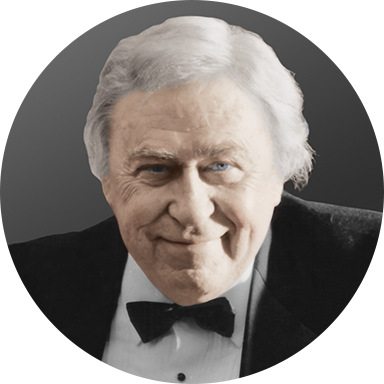
Willard A. Palmer

Willard A. Palmer composed nearly 800 published works across multiple instruments and genres, establishing himself as a prolific voice in twentieth-century music education. His foundation began early: a child prodigy who performed piano on radio at age thirteen, he studied under Mae Vardeman, whose emphasis on technique and improvisation shaped his compositional philosophy. Palmer's formal training continued at Whitworth College and Millsaps College, followed by a two-year scholarship at the Conservatory of Leipzig and post-graduate study at the University of Houston, where he later joined the faculty.

Palmer's scholarly reputation centers on his meticulous research into Baroque music and ornamentation practices, work that became the foundation for the acclaimed Alfred Masterworks series. His contributions span accordion, piano, guitar, and choral literature, with translations in German, Japanese, French, Dutch, and Spanish. Beyond composition and publication, he served as choir director of Memorial Lutheran Church in Houston for many years and directed the Riemenschneider Bach Institute, earning recognition with both a Doctor of Humanities degree (1971) and a Doctor of Music degree (1983).

Why we love this

Palmer's connection to Alfred's Basic Piano Library gives this piece pedagogical authority; he understood exactly what students at Level 3 needed to hear and play. The writing balances technical clarity with genuine musicality, so students aren't just executing fingerings but making real musical choices. It sits perfectly within a student's developing repertoire without feeling like a simplistic exercise.

What to expect

A gentle, unhurried conversation written for solo piano, the piece evokes the tradition of the serenade without demanding virtuosity. The harmonic language feels accessible yet genuine, never condescending. There's a sense of quiet contentment throughout, with moments that encourage the student to listen closely and shape the sound with intention.

Who it's for

Early intermediate pianists working through Alfred's Basic Piano Library Level 3 who are ready to explore pieces with character beyond the method book itself. This solo provides a natural stepping stone for students developing independence between hands and beginning to think about phrasing and musicality. It works equally well as a recital piece or supplementary repertoire during the later stages of Level 3 study.

How to get the most out of it

  • Shape the melody with subtle dynamic contours rather than playing at a constant volume; the opening phrase benefits from a gentle swell that reflects the piece's serenade character.
  • Pay attention to the harmonic rhythm in the accompaniment. Even at this level, maintaining clarity between bass and chord notes helps establish the piece's gentle, flowing quality.
  • Observe all written articulations and pedal markings as written; they're integral to Palmer's orchestration for solo piano, not optional additions.
  • Practice hands separately to secure the independence between melody and accompaniment before working for unified interpretation at tempo.

How to use it

Pair this with other Level 3 solos or early intermediate repertoire in a student recital, where it will anchor the program with its melodic clarity and emotional directness. It also works as a bridge between method book studies and more substantial recital literature, helping students understand that technical mastery serves musical expression. Consider programming it alongside other serenades or character pieces from the same pedagogical level to show students the stylistic range available to them.

Skills your students will build

  • Maintaining independence between melody and accompaniment while sustaining legato
  • Shaping phrases with dynamic control and subtle emphasis
  • Reading and executing pedal markings accurately
  • Sustaining musical interest across a longer form at moderate tempo
  • Connecting articulation choices to musical character and style

You May Also Like