




Scirocco: Concert Band Conductor Score & Parts
By Roland Barrett
Grade: 1 (Very Easy)
Item: 00-PK-0005149

$56.00
Pickup currently not available
Buy Extra Parts (Digital PDF Download)
| Product | Price | Quantity |
|---|---|---|
| Scirocco: Score | $10.00 | |
| Scirocco: Flute | $3.00 | |
| Scirocco: Oboe | $3.00 | |
| Scirocco: 1st B-flat Clarinet | $3.00 | |
| Scirocco: B-flat Bass Clarinet | $3.00 | |
| Scirocco: E-flat Alto Saxophone | $3.00 | |
| Scirocco: B-flat Tenor Saxophone | $3.00 | |
| Scirocco: E-flat Baritone Saxophone | $3.00 | |
| Scirocco: 1st B-flat Trumpet | $3.00 | |
| Scirocco: 1st F Horn | $3.00 | |
| Scirocco: 1st Trombone | $3.00 | |
| Scirocco: Baritone T.C. | $3.00 | |
| Scirocco: Tuba | $3.00 | |
| Scirocco: Mallets | $3.00 | |
| Scirocco: 1st Percussion | $3.00 | |
| Scirocco: 2nd Percussion | $3.00 | |
| Scirocco: Timpani | $3.00 |
Parts Added to Cart!
Description
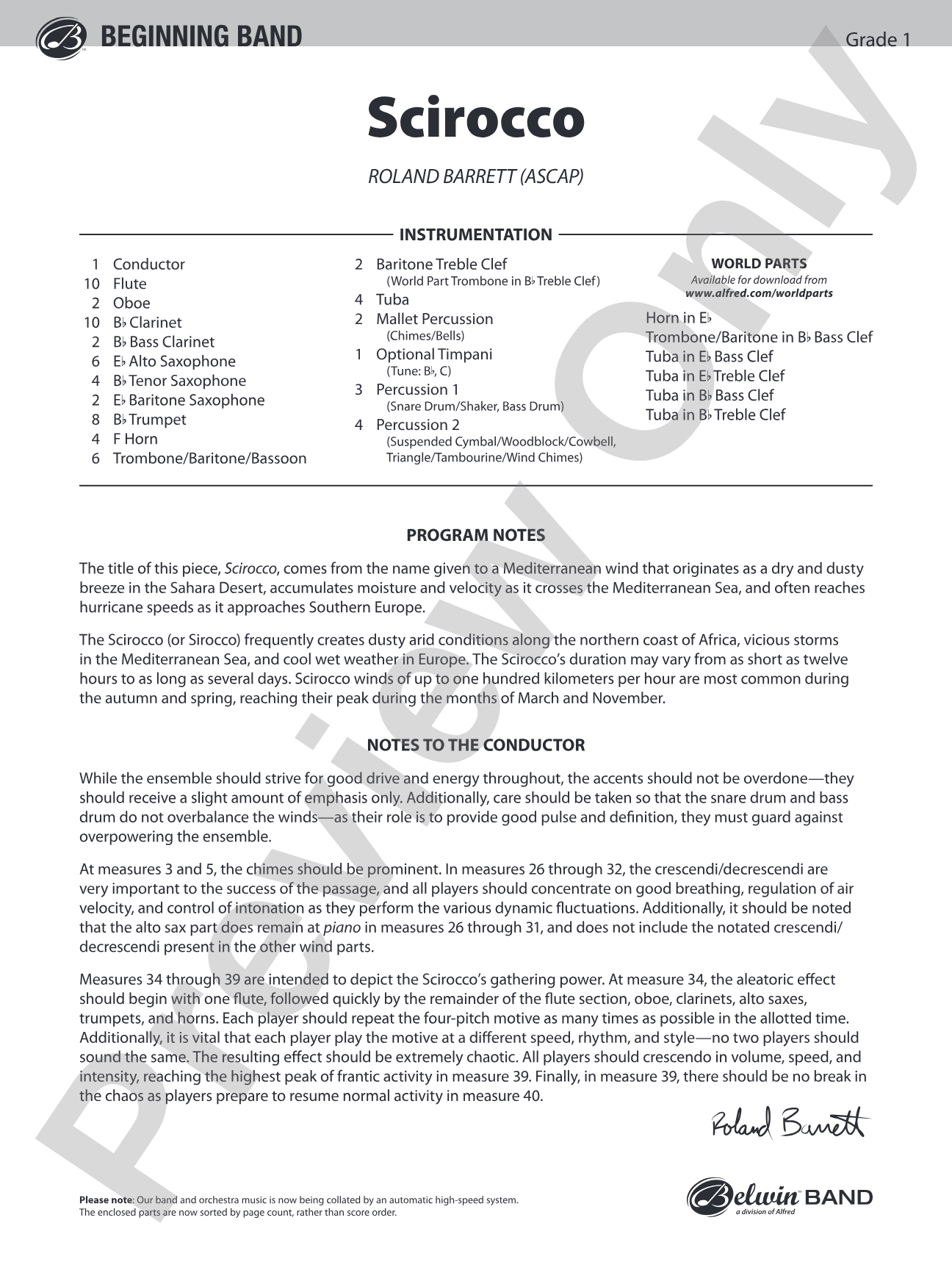
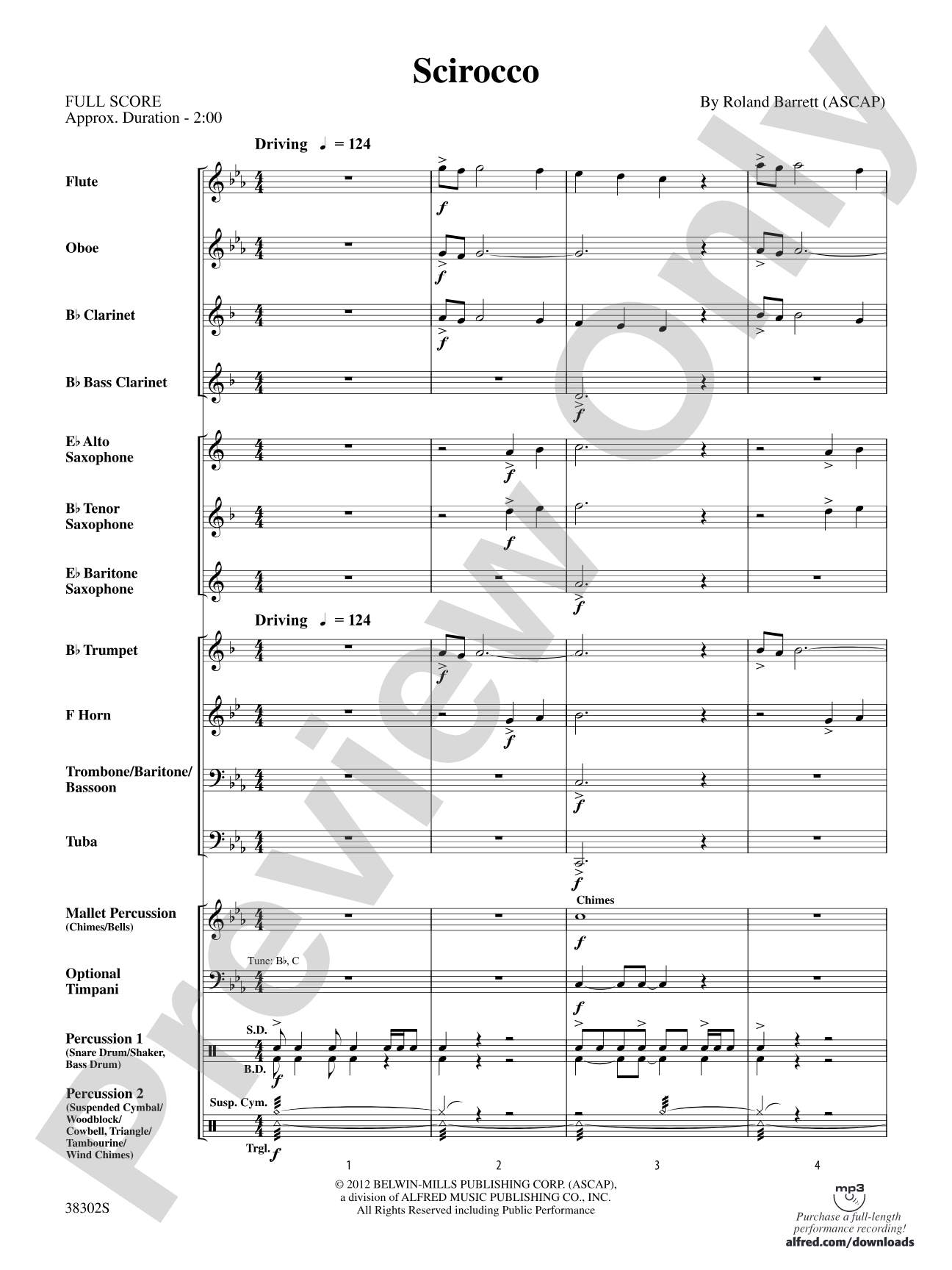
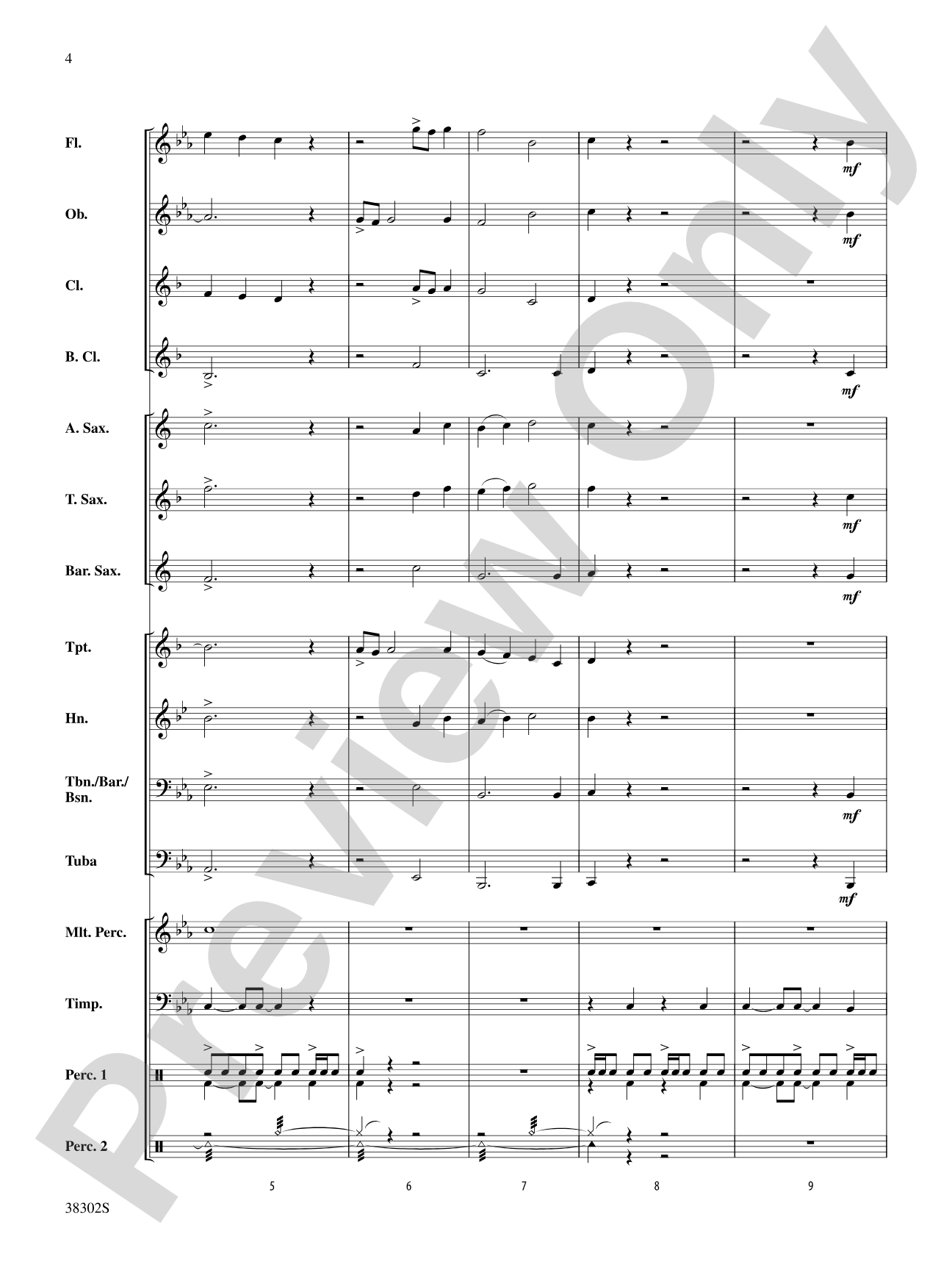
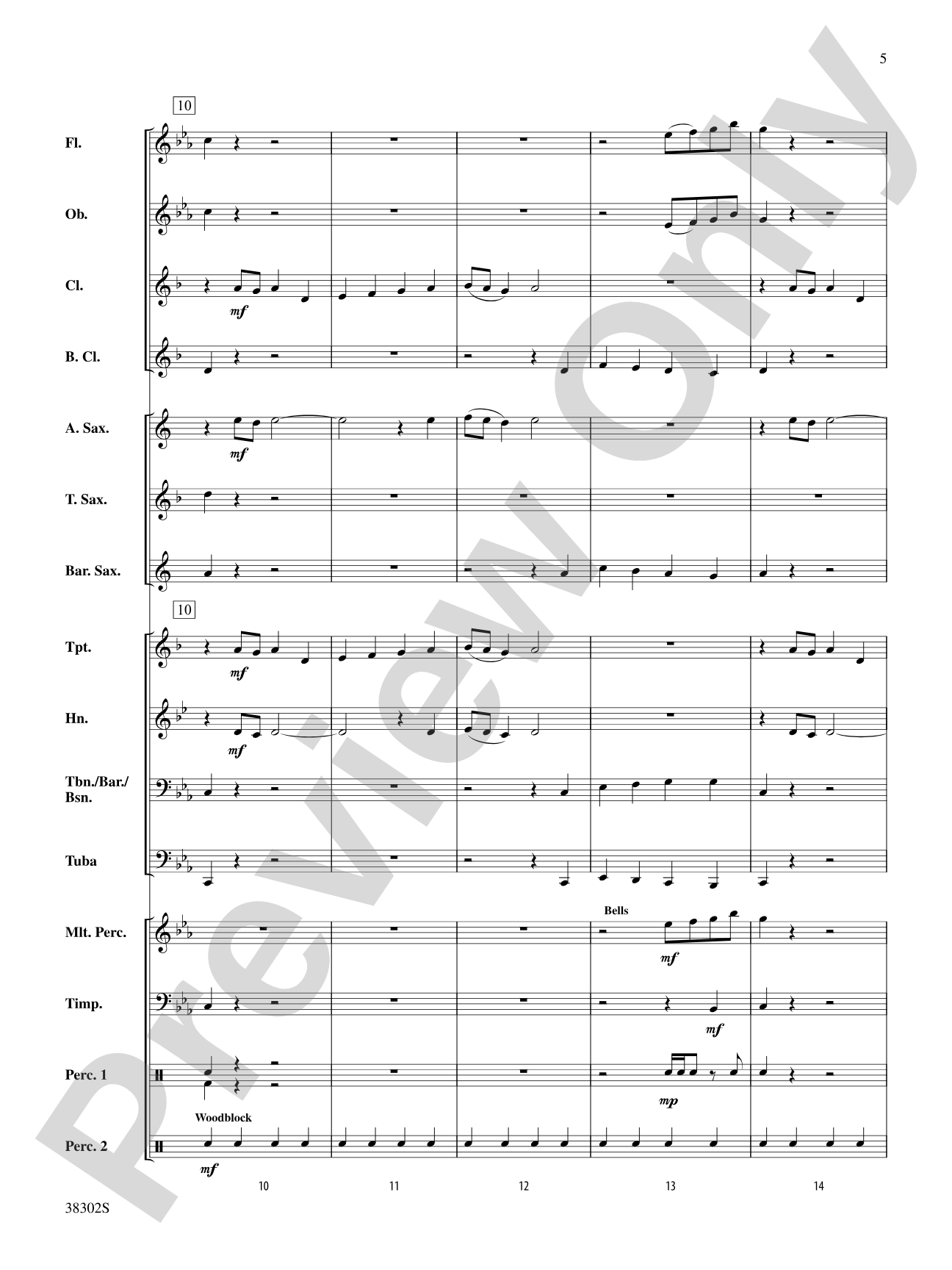
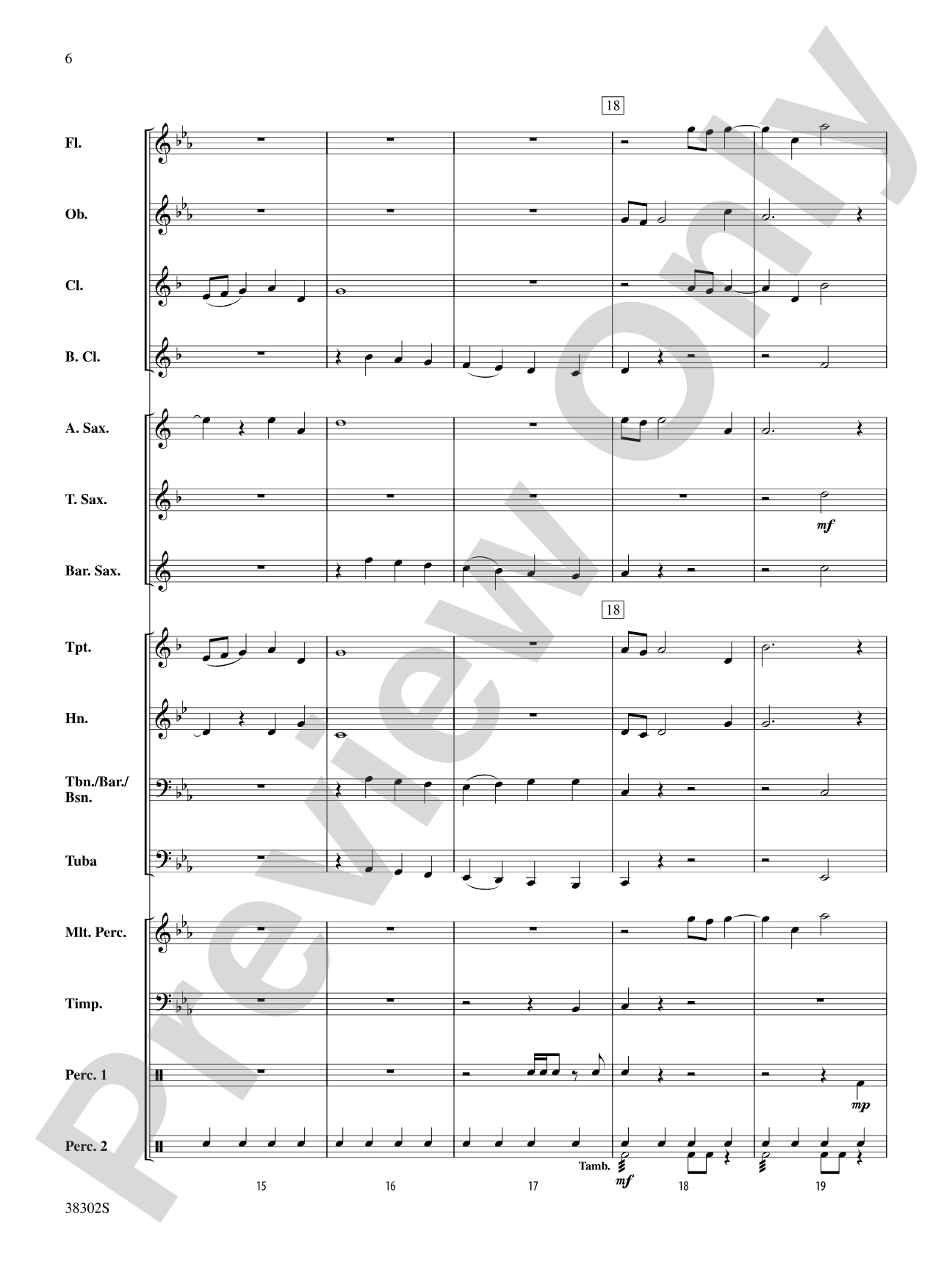
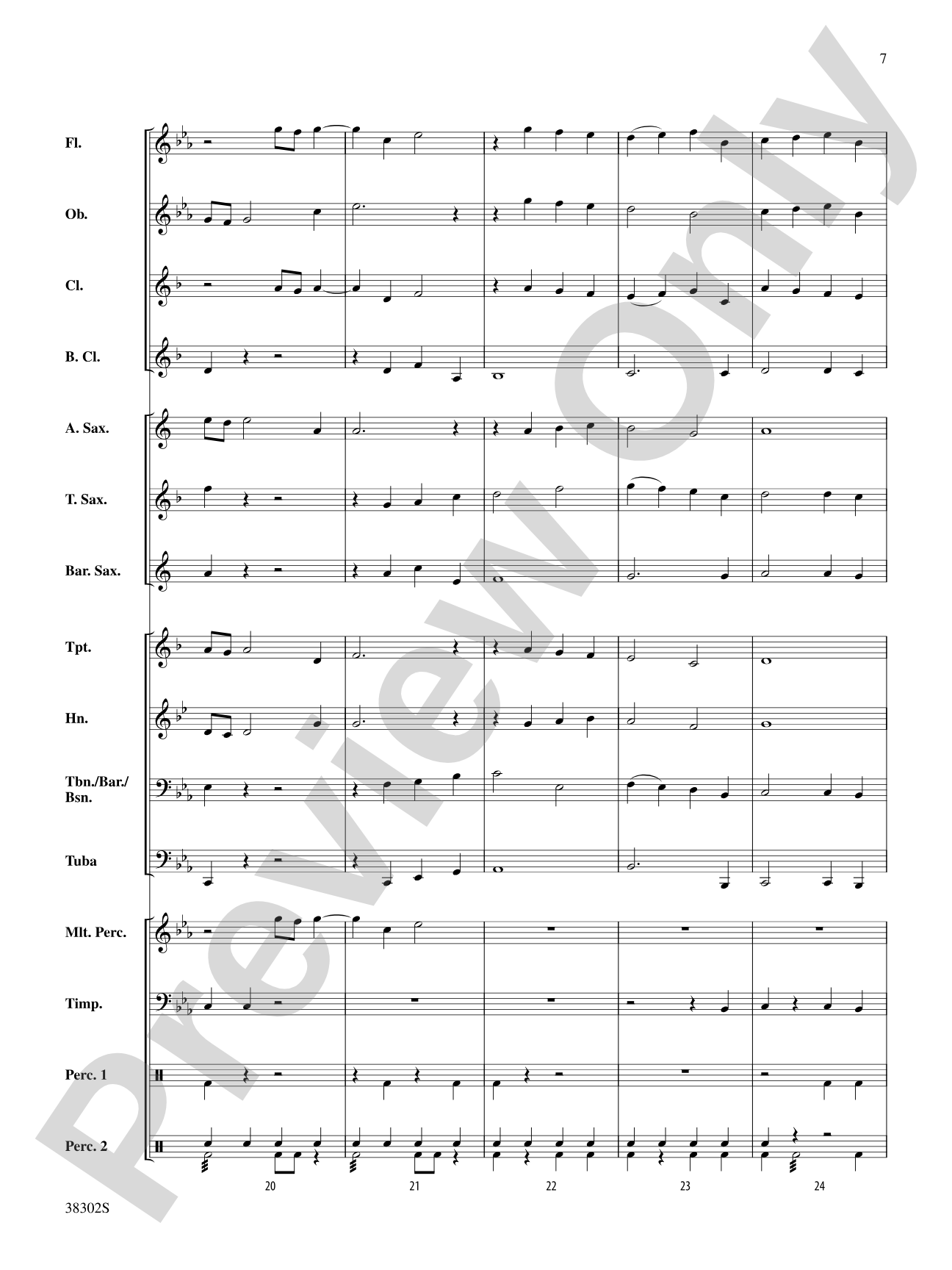
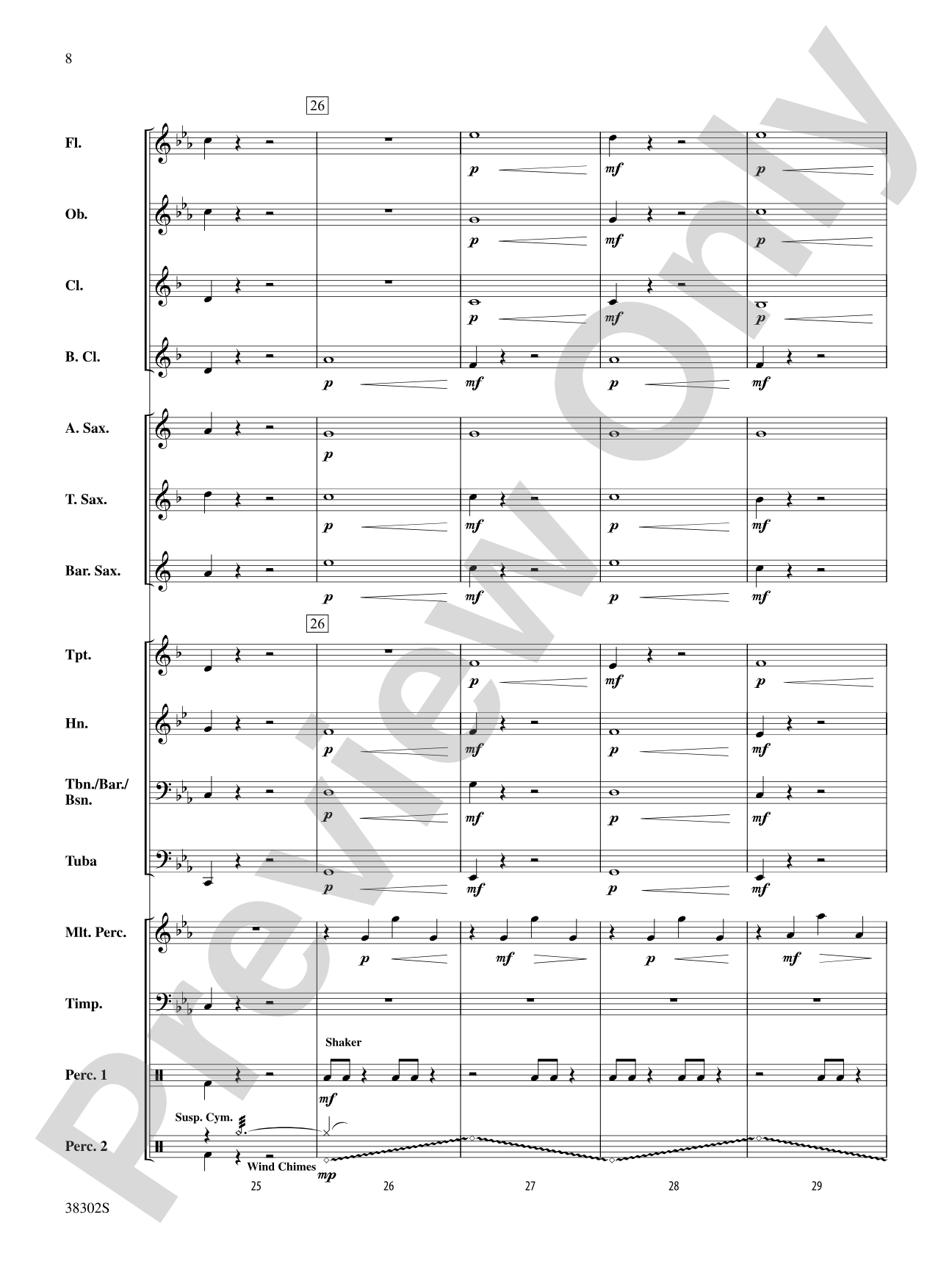
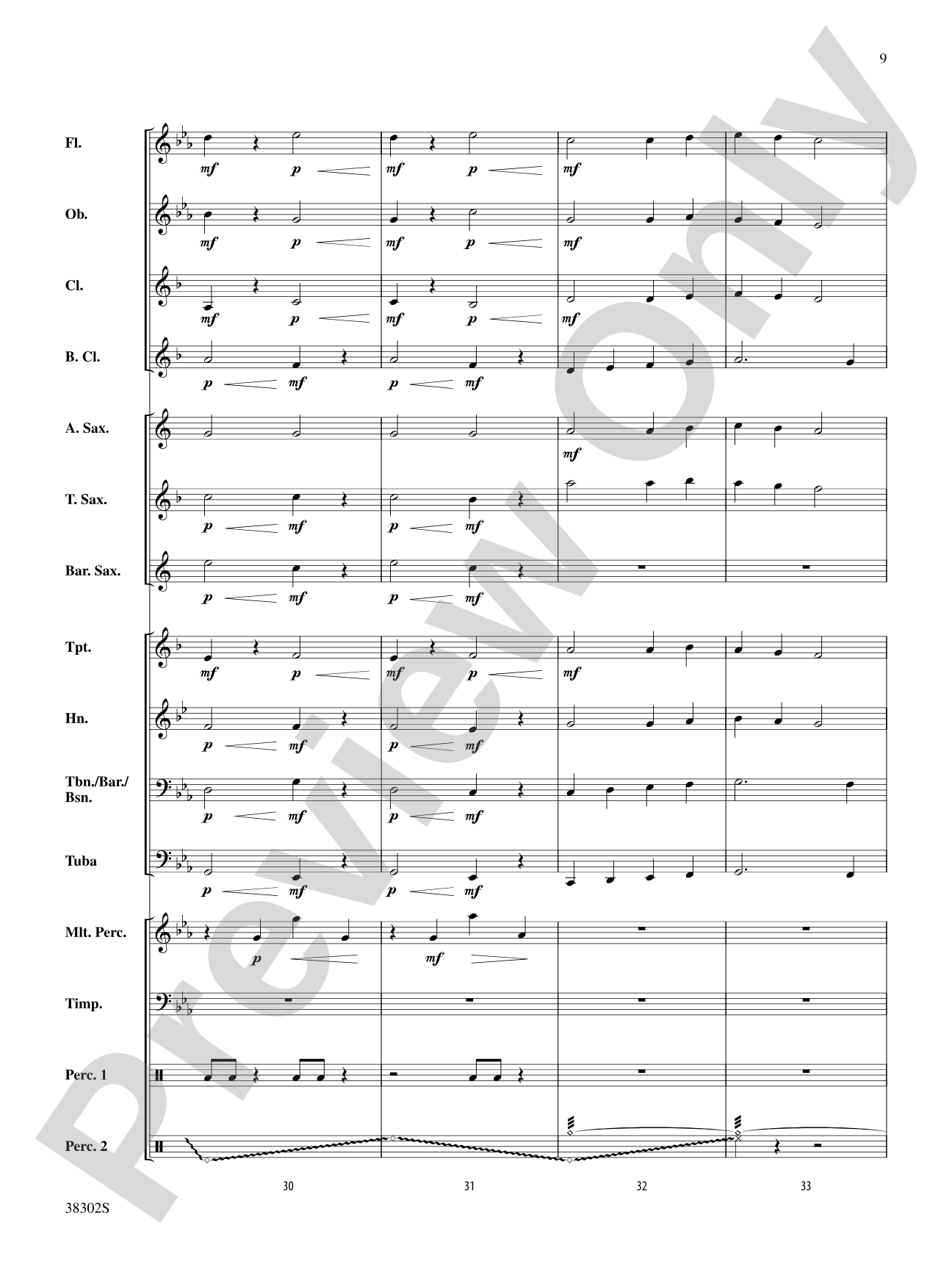
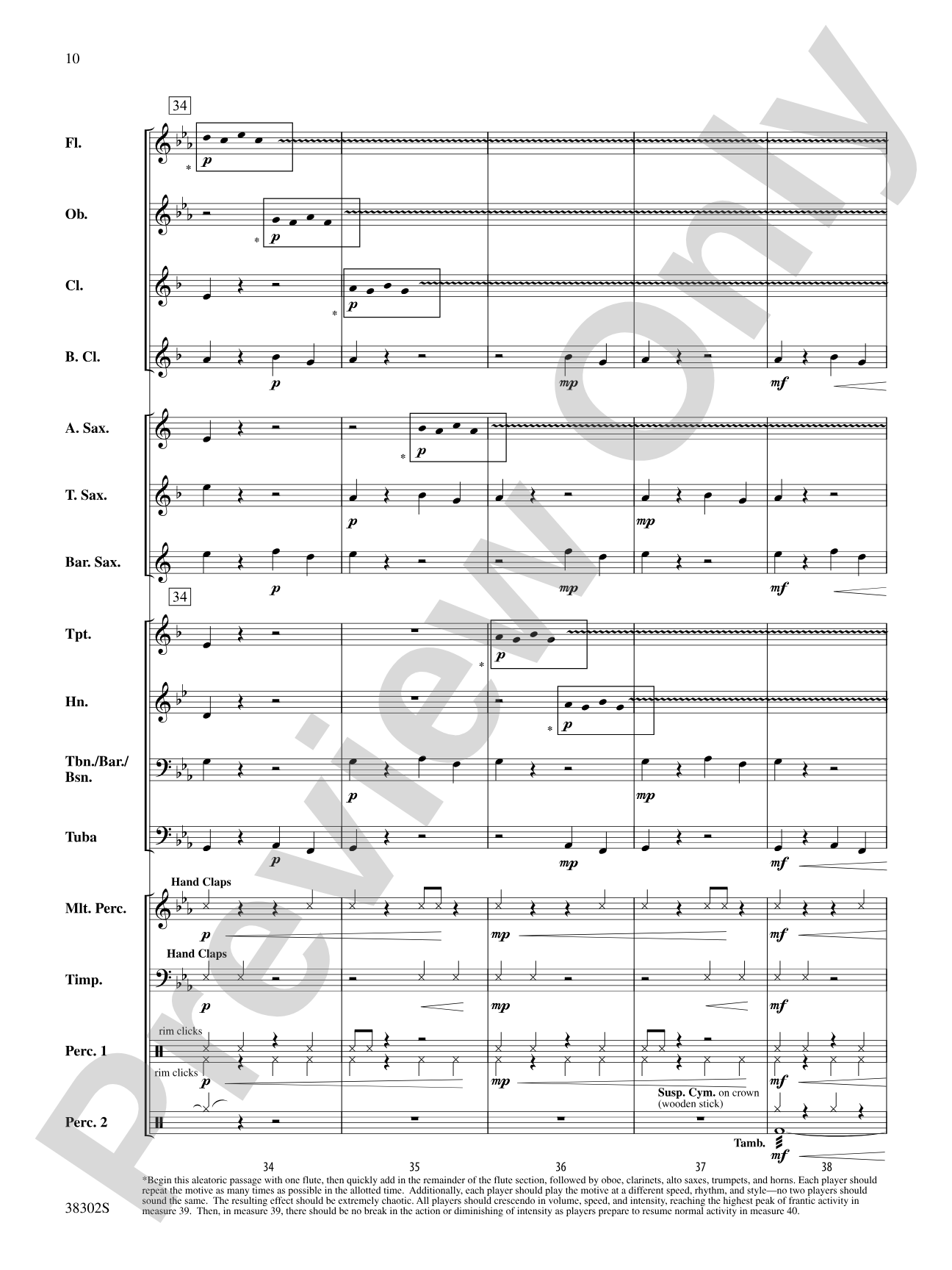
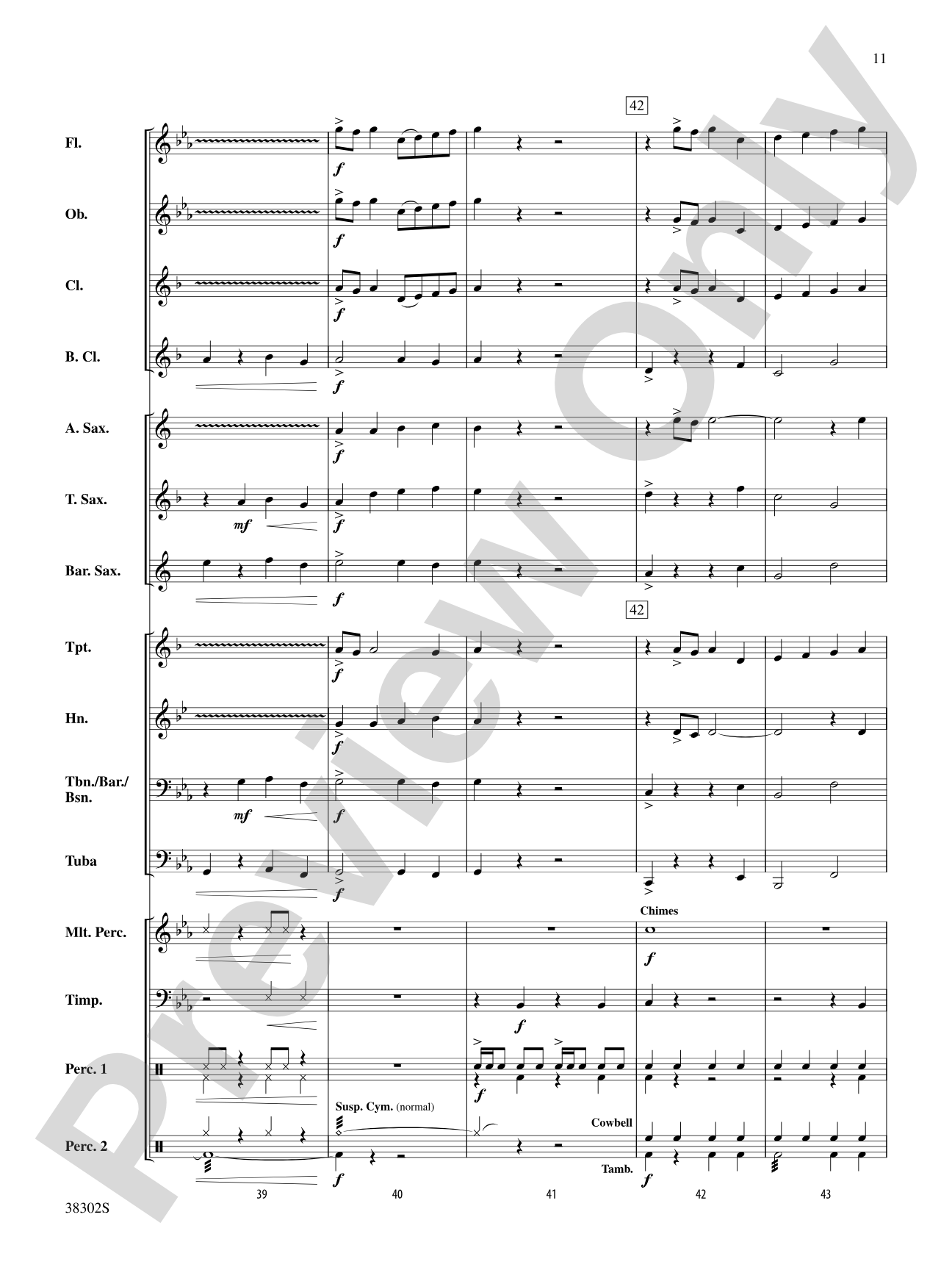
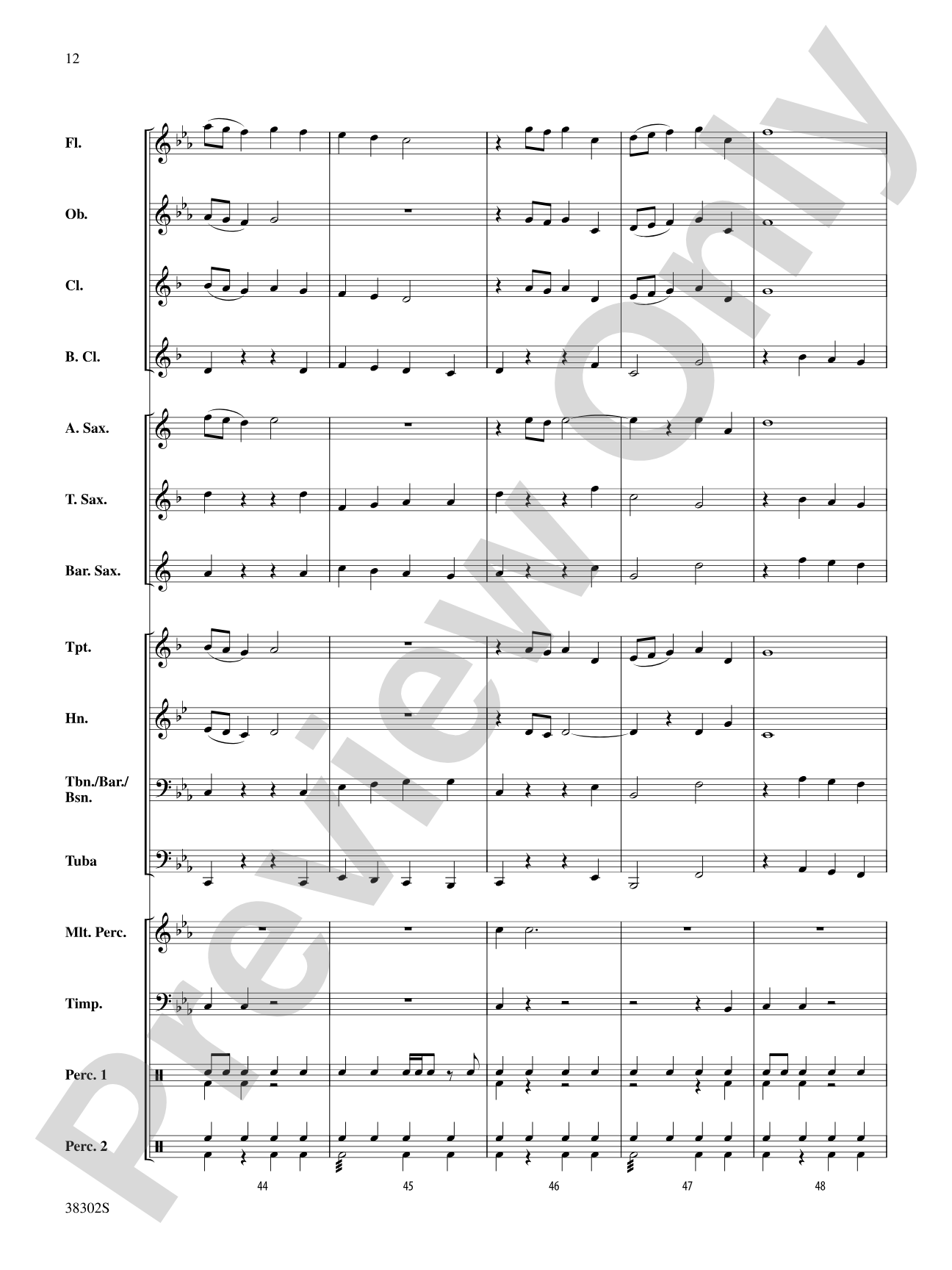
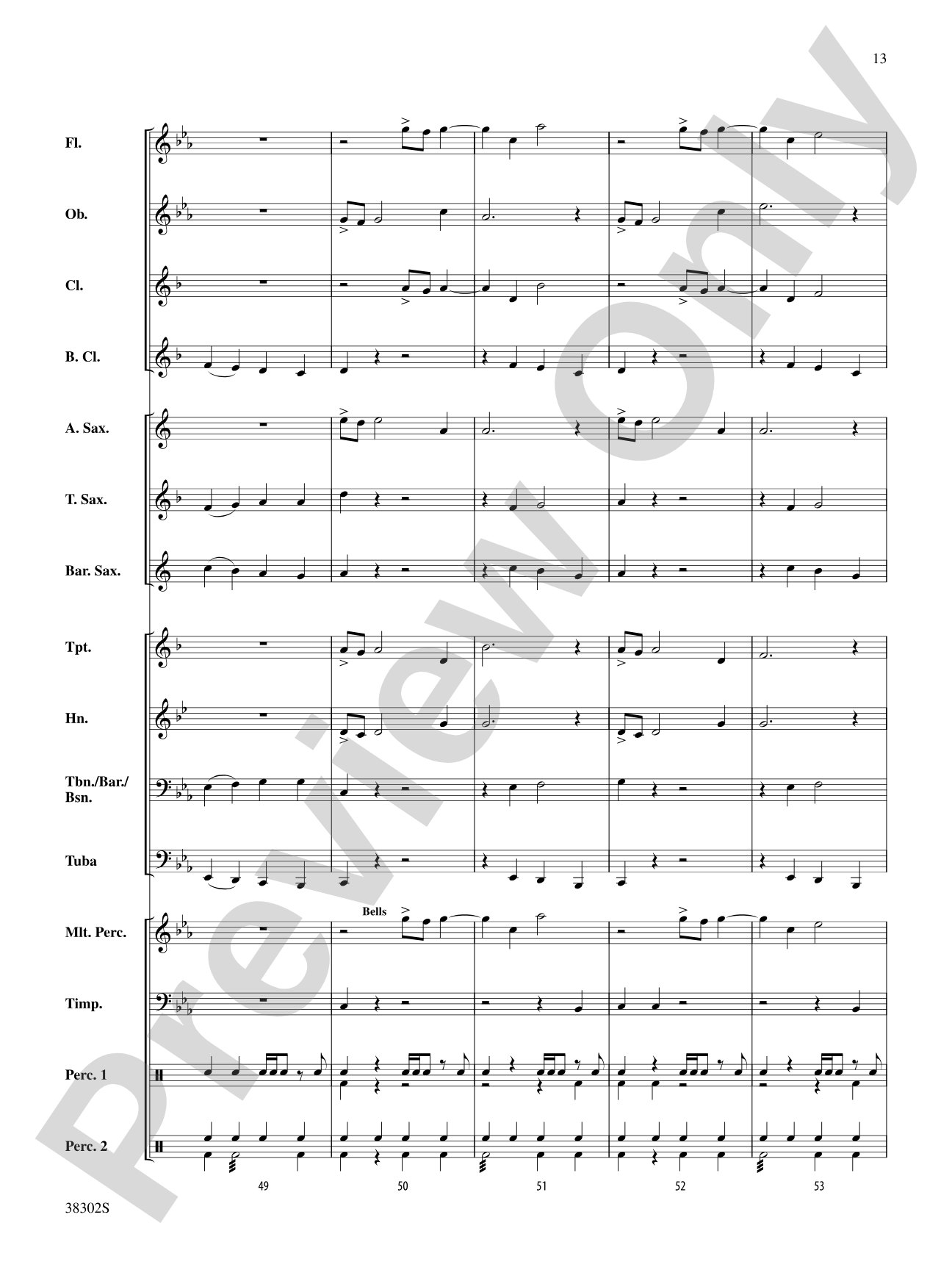
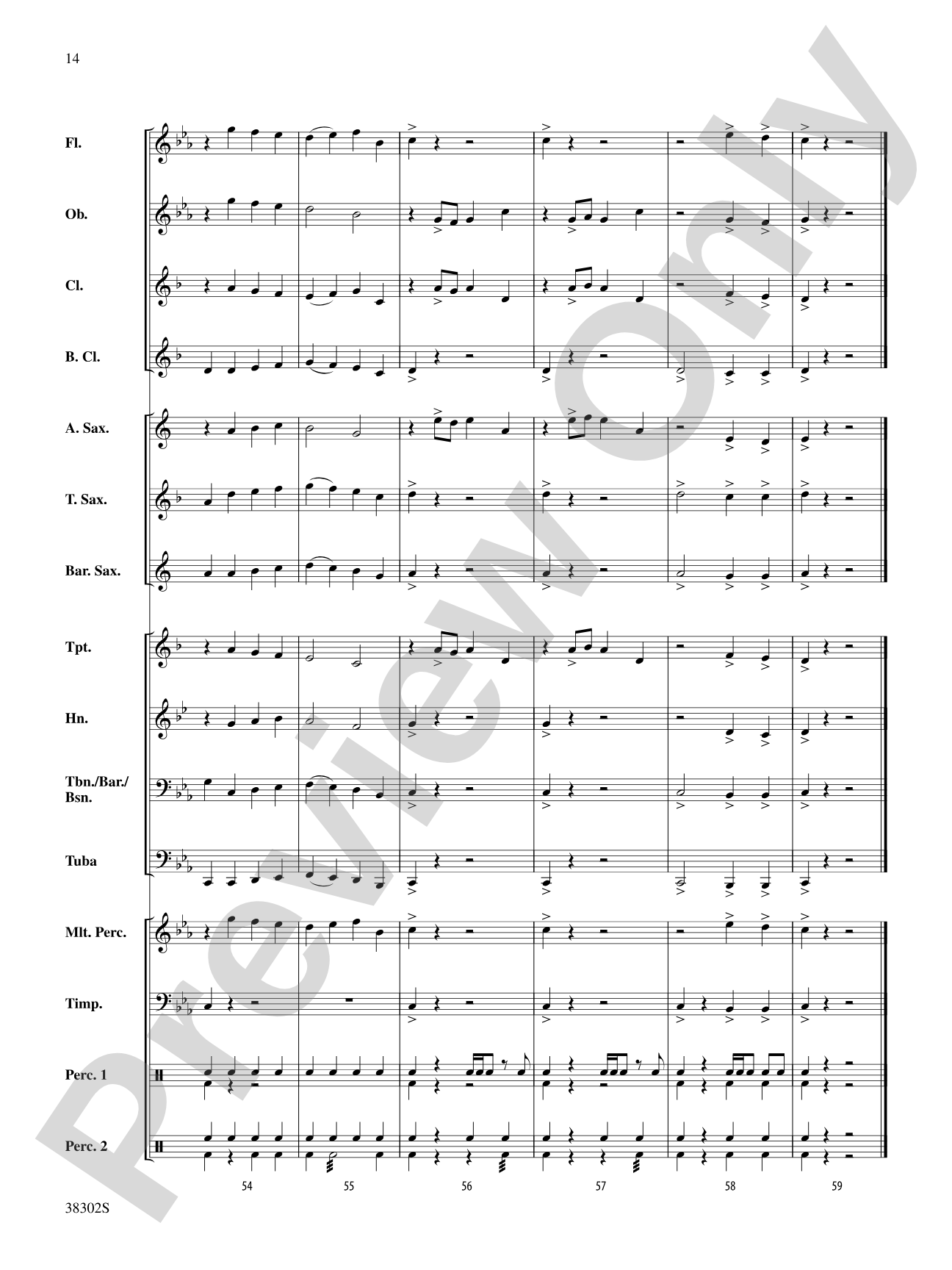
"Scirocco" comes from the name given to a Mediterranean wind that originates as a dry and dusty breeze in the Sahara Desert, accumulates moisture and velocity as it crosses the Mediterranean Sea, and often reaches hurricane speeds. With an inspiration like that, you can be sure the energy level will be at a peak. The work has an elementary introduction to contemporary aleatoric notation that enhances the dynamic sparkle! (2:00) This title is available in MakeMusic Cloud.


Don't just read it, hear it, play along with it, and watch your students grow with it. In MakeMusic Cloud, Scirocco: Concert Band Conductor Score & Parts comes alive with professional accompaniment, adjustable tempo, and built-in practice tools that turn solo practice into real progress.
Open in the Player
Jump straight in and assign it today.
Start Your Free Trial
Open this title and explore the full library in minutes.
Sample Audio
1
Audio File
--:--
0:00
0:00
Sample Video
No sample videos found.
Additional Details
Series:
Belwin Beginning Band
Publisher:
Alfred Music
Page Count:
140
SKU:
00-PK-0005149
More about this title
About the Composer: Roland Barrett

Roland Barrett has shaped generations of musicians through his dual career as a theorist and composer. Since joining the University of Oklahoma's faculty in 2001, he has taught 20th-century theory and composition at both undergraduate and graduate levels while simultaneously arranging for the Pride of Oklahoma marching band.
Barrett's compositional output spans over two hundred works for symphonic band, chamber groups, and marching ensembles. His music has been performed by the Dallas Wind Symphony and countless All-State and All-Region honor bands, broadcast on NPR, and featured at the Midwest Band & Orchestra Convention and the International Trumpet Guild. He is a multiple ASCAPlus award recipient and former winner of the Michael Hennagin memorial scholarship in composition.
Why we love this
Barrett builds genuine excitement with minimal complexity, allowing young musicians to experience programmatic storytelling without getting lost in technical demands. The aleatoric notation introduction gives students their first meaningful encounter with contemporary techniques in a Grade 1 context, opening musical doors that typically stay closed at this level.
What to expect
The piece opens with a whispered, gritty quality that evokes desert heat, then transforms into spiraling motion as moisture and momentum accumulate. By the final section, the band becomes the wind itself, turbulent and alive.
Who it's for
Beginning band directors looking for Grade 1 repertoire that teaches something beyond basic technique. This piece works for students in their first or second year of playing who are ready to encounter contemporary notation and program music without overwhelming reading demands.
How to get the most out of it
- Clarify the aleatoric sections during early rehearsals by having students listen to how their individual breaths and note lengths create the collective wind effect, then rehearse with a conductor's hand to define the transitions in and out of these moments.
- Balance the opening dry, dusty character against the swirling energy that builds; exaggerate the dynamic contrast between the Sahara section and the moisture-gathering passage so the piece's journey feels earned rather than rushed.
- Assign a designated cue for the transition back to pitched material from the aleatoric section so the band understands the conductor is guiding them, not hoping for synchronization.
How to use it
Program this early in a concert to demonstrate to your audience what Grade 1 bands can accomplish musically and educationally. It pairs well with traditional marches and works as a standalone statement of contemporary sound in a beginning band context.
Skills your students will build
- Reading and performing aleatoric notation with conductor cues
- Sustaining controlled breathy attacks and releases
- Understanding programmatic intent and musical storytelling
- Dynamic control across sectional transitions
- Listening to ensemble balance during non-pitched passages