Scherzando Cover Image

Scherzando: String Orchestra Conductor Score

$6.00 USD
Sale price  $6.00 USD Regular price 
Skip to product information
Scherzando Cover Image

Scherzando: String Orchestra Conductor Score

By Edmund J. Siennicki

Grade: 2

Item: 00-23332S

$6.00
Shipped

One moment…

Description
Playfully written, Scherzando employs mostly down and up bowing, includes some two-note slurs, and all instruments are given a chance to play the melody. Although the tempo is marked 88-104, it can be adjusted to suit your orchestra's sound. Dynamics will help the performers and audience enjoy this piece right up to the forte ending. Correlates with Strictly String, Book 1, page 30.

Scherzando: String Orchestra Conductor Score isn't in MakeMusic Cloud just yet...but it could be. Let us know you'd like to see it, and you'll help shape what comes next. In the meantime, start a free trial and dive into thousands of interactive titles your students can play along with today.

Sample Pages

Sample Audio
No sample audio found.
Sample Video
Additional Details
Series: Highland/Etling Strictly Strings
Publisher: Alfred Music
Page Count: 8
UPC: 038081239859
SKU: 00-23332S

More about this title

About the Composer: Edmund J. Siennicki
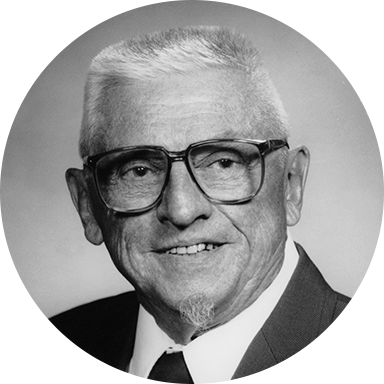
Edmund J. Siennicki

Edmund J. Siennicki grew up in Cleveland, Ohio, where a chance meeting with pianist Ignacy Jan Paderewski at age 12 shaped his musical trajectory. He studied composition with Herbert Elwell and Vincent Persichetti at Teachers College, Columbia University, while also pursuing electronic music with Sergio Barroso. As both a bassoon and piano performer, he brought practical instrumental knowledge to his compositional work.

Siennicki's prolific output includes nearly 200 published compositions, many of which have earned recognition in National School Orchestra composition contests. He served on the faculty at Michigan and Kent State University (where his alma mater still performs his fight song at athletic events) and spent much of his career teaching in Cleveland's junior high schools. He has been honored with continuous ASCAP awards for two decades and remains active as a composer, clinician, and visiting school educator.

Why we love this

Siennicki writes with genuine understanding of what Grade 2 orchestras can accomplish without oversimplifying the music itself. The piece balances technical accessibility with genuine playfulness, giving every section memorable moments rather than relegating anyone to accompanimental roles. The flexible tempo marking acknowledges that conductors know their own ensembles best, and the emphasis on dynamics as a teaching tool turns a short eight-page score into a lesson in musical communication.

What to expect

Scherzando bounces along with unpretentious wit. The straightforward bowing patterns and frequent melody sharing create a sense of lightness, while dynamic peaks and the strong ending give the piece real musical substance. It feels like a conversation passing around a room, each player taking a turn to speak.

Who it's for

Grade 2 string orchestras preparing festival or contest repertoire. This piece sits at the right difficulty level for orchestras with basic bowing facility who are ready to tackle two-note slurs and dynamic shaping without getting bogged down in complex rhythmic or harmonic language.

How to get the most out of it

  • Shape the piece through dynamic contrast rather than rushing the tempo. The forte ending arrives with more impact when the journey there includes clear softer moments.
  • Rotate who plays the melody across sections. This keeps students engaged during rehearsal and ensures each player understands the piece's character rather than just their own line.
  • Experiment with tempo within the marked 88-104 range during rehearsals before settling on your final choice. A slower tempo can emphasize the humor in the articulation; a faster one heightens the energy.

How to use it

This works beautifully as a concert opener or as a palate-cleansing piece between longer works. For students using Strictly Strings Book 1, programming it at the point where they encounter page 30 reinforces their learning with a genuine performance experience rather than an exercise.

Skills your students will build

  • Down and up bowing control and consistency
  • Two-note slurs in a musical context
  • Dynamic shaping and its effect on musical character
  • Melodic awareness across different instruments and registers
  • Ensemble balance when passing principal lines between sections

You May Also Like