Scherzando Cover Image

Scherzando: String Orchestra Conductor Score & Parts

$42.00 USD
Sale price  $42.00 USD Regular price 
Skip to product information
Scherzando Cover Image

Scherzando: String Orchestra Conductor Score & Parts

By Edmund J. Siennicki

Grade: 2

Item: 00-23332

makemusic Cloud badge

Need it now?

Buy Digital Version
$42.00
Shipped

One moment…

Description
Playfully written, Scherzando employs mostly down and up bowing, includes some two-note slurs, and all instruments are given a chance to play the melody. Although the tempo is marked 88-104, it can be adjusted to suit your orchestra's sound. Dynamics will help the performers and audience enjoy this piece right up to the forte ending. Correlates with Strictly String, Book 1, page 30.

Don't just read it, hear it, play along with it, and watch your students grow with it. In MakeMusic Cloud, Scherzando: String Orchestra Conductor Score & Parts comes alive with professional accompaniment, adjustable tempo, and built-in practice tools that turn solo practice into real progress.

Sample Pages

Sample Audio
0:00
0:00
Sample Video
Additional Details
Series: Highland/Etling Strictly Strings
Publisher: Alfred Music
Page Count: 72
UPC: 038081239842
SKU: 00-23332

More about this title

About the Composer: Edmund J. Siennicki
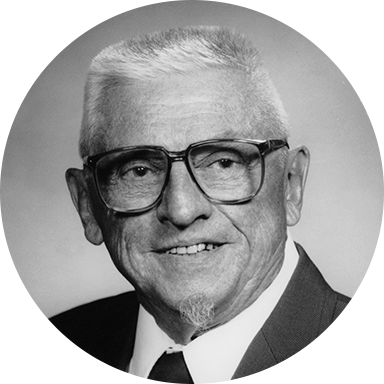
Edmund J. Siennicki

Edmund J. Siennicki (1920–) grew up in Cleveland, Ohio, where at age twelve he met the legendary pianist Ignacy Jan Paderewski. That conversation proved formative, shaping his musical direction for decades to come. He earned his Bachelor's degree from Kent State University, where he also composed the school's fight song (still performed at football games today), and later completed his MA at Teachers College, Columbia University. His composition studies included work with Herbert Elwell and Vincent Persichetti, alongside electronic music training with Sergio Barroso.

As both performer and composer, Siennicki maintained a dual career: he played bassoon and piano professionally while building an impressive catalog of roughly 200 published compositions. His work has earned recognition in National School Orchestra composition contests and led to two composer-in-residence appointments at the MacDowell Colony. For two decades he has received annual awards from ASCAP. Much of his teaching took place in Cleveland's junior high schools, though he also served on the faculty at Michigan and Kent State University. He continues composing, visiting schools, and leading clinics.

Why we love this

Siennicki writes with real understanding of what young orchestras can accomplish. The technical demands stay manageable (down and up bows, two-note slurs) while the writing ensures every section claims the melody at some point, building engagement and ownership across all players. The tempo flexibility (88–104 BPM) lets you adjust the piece to match your ensemble's comfort level without sacrificing the buoyant character that makes this piece fun to rehearse and rewarding to perform.

What to expect

Scherzando bounces with lighthearted energy, never weighty or complicated. The interplay between sections creates a conversational feel, as if instruments are playfully trading musical ideas back and forth. It builds naturally toward that forte finish, leaving performers and listeners with a satisfying sense of momentum and lift.

Who it's for

String orchestra directors working with Grade 2 ensembles will find this piece accessible yet engaging for students who have solid fundamentals in place. It suits orchestras preparing for festival or contest appearances where a short, confident performance piece makes a strong impression. Young players appreciate music that gives them real responsibility—this piece delivers that through its rotating melody assignments.

How to get the most out of it

  • Shape the dynamics intentionally throughout. The contrast between softer passages and the forte ending will deepen the playful character and give the audience something to listen for.
  • Experiment with tempo during early rehearsals. Start at a moderate pace (around 96 BPM) and adjust up or down once the rhythmic patterns feel secure, letting the orchestra's own resonance guide you.
  • Highlight the melody passages as they rotate through sections. When the second violins or cellos carry the tune, encourage those players to phrase with confidence and slight vibrato, turning it into a genuine feature rather than accompaniment.
  • Keep bowing clean and consistent. The down and up bows are straightforward, but unified execution across a section makes the rhythmic drive feel tight and intentional.

How to use it

Program this as a concert opener or mid-program palette cleanser to showcase your orchestra's lighter side. It works particularly well on a mixed repertoire concert where you're also performing something more serious; the contrast will serve both pieces. At 72 pages of score and parts, it's substantial enough to feel like a real commitment but short enough to fit comfortably into a multi-piece program.

Skills your students will build

  • Unified down and up bowing across multiple sections
  • Two-note slur execution and clarity
  • Sustaining focus while melody assignments rotate through the ensemble
  • Dynamic shaping and interpretation at a young player's level
  • Intonation awareness when multiple sections carry the melodic line

You May Also Like
