Scenes of Wonder Cover Image

Scenes of Wonder: Concert Band Conductor Score

$6.00 USD
Sale price  $6.00 USD Regular price 
Skip to product information
Scenes of Wonder Cover Image

Scenes of Wonder: Concert Band Conductor Score

(1. Stonehenge, 2. The Louvre, 3. Fiesta de Pamplona)

By Mark Williams

Grade: 3 (Medium)

Item: 00-11218S

$6.00
Shipped

One moment…

Description
Scenes of Wonder by Mark Williams is a suite in three movements, each expressing the different emotions felt when visiting certain "scenes of wonder" in Europe. The first movement, "Stonehenge," with its intricate harmonies and "rock solid" style, depicts the power and mystery of the ancient stone monument. The second movement, "The Louvre", is written in an impressionistic style and features beautiful solo opportunities for trumpet, trombone and horn. The suite concludes with "Fiesta de Pamplona," a rollicking "paso doble" in 5/4 time conveying the excitement of the "runing of the bulls" in Pamplona, Spain.

Scenes of Wonder: Concert Band Conductor Score isn't in MakeMusic Cloud just yet...but it could be. Let us know you'd like to see it, and you'll help shape what comes next. In the meantime, start a free trial and dive into thousands of interactive titles your students can play along with today.

Sample Pages

Sample Audio
No sample audio found.
Sample Video
Additional Details
Series: Growing Band Series
Publisher: Alfred Music
Page Count: 28
UPC: 038081029580
SKU: 00-11218S

More about this title

About the Composer: Mark Williams
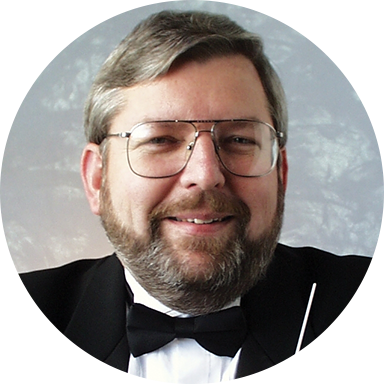
Mark Williams

Mark Williams shaped American school band literature through decades of practical classroom experience and prolific composition. A native of Chicago who spent his formative years in Spokane, Washington, he authored over 200 works while simultaneously teaching elementary band and earning advanced degrees from Eastern Washington University. His credentials extended far beyond the page: he served as woodwind performer and arranger for the 560th Air Force Band, conducted the Spokane British Brass Band, and clinicked across 34 states, five Canadian provinces, and Australia.

Williams' influence on music education remains substantial through his co-authorship of the Accent on Achievement Band Method, a foundational text in instrumental pedagogy. His compositions garnered recognition including the Western International Band Clinic's Gralia Competition and multiple ASCAP Special Awards. Beyond his writing, he remained an active bassoon performer and guest conductor, embodying the musician-educator model he championed throughout his career.

Why we love this

Williams crafted a suite that demands genuine musicianship without overwhelming players at this level. Each movement presents a distinct compositional challenge: the harmonic sophistication of Stonehenge develops ensemble blend, the impressionistic scoring creates natural solo spotlights that build confidence, and the unconventional 5/4 time signature in the finale trains rhythmic independence in a context that's genuinely fun. The three-movement structure gives your band a complete concert experience that feels substantial and satisfying.

What to expect

Three distinct European postcards unfold across 28 pages. You'll move from the mysterious grandeur of an ancient monument through dreamy impressionist textures into an exuberant celebration that swings in unexpected time.

Who it's for

Concert bands at the intermediate level seeking a multi-movement work with real substance and variety. The Grade 3 difficulty distributes challenges across different sections rather than concentrating them, making it accessible for developing ensembles.

How to get the most out of it

  • Balance the intricate harmonies in Stonehenge by rehearsing individual harmonic layers before combining them. The 'rock solid' character depends on clarity, not volume.
  • Feature your solo players in The Louvre with chamber-like intimacy. These solos work best when the section accompaniment remains truly transparent.
  • Establish the 5/4 pulse early in Fiesta de Pamplona through isolated rhythm section work before adding melody. The paso doble should feel dance-like, not stiff.

How to use it

This suite works beautifully as the centerpiece of a concert exploring international themes or musical impressionism. Its three-movement structure makes it substantial enough for a second-half feature after lighter opening works, and the thematic coherence across movements creates natural programming momentum.

Skills your students will build

  • Reading and performing in 5/4 time
  • Balancing complex harmonic textures
  • Supporting solo passages with transparent accompaniment
  • Understanding impressionistic orchestration
  • Executing rhythmic figures in non-standard meters

You May Also Like