Scenes of Wonder Cover Image

Scenes of Wonder: Concert Band Conductor Score & Parts

$65.00 USD
Sale price  $65.00 USD Regular price 
Skip to product information
Scenes of Wonder Cover Image

Scenes of Wonder: Concert Band Conductor Score & Parts

(1. Stonehenge, 2. The Louvre, 3. Fiesta de Pamplona)

By Mark Williams

Grade: 3 (Medium)

Item: 00-11218

makemusic Cloud badge

Need it now?

Buy Digital Version
$65.00
Shipped

One moment…

Description
Scenes of Wonder by Mark Williams is a suite in three movements, each expressing the different emotions felt when visiting certain "scenes of wonder" in Europe. The first movement, "Stonehenge," with its intricate harmonies and "rock solid" style, depicts the power and mystery of the ancient stone monument. The second movement, "The Louvre", is written in an impressionistic style and features beautiful solo opportunities for trumpet, trombone and horn. The suite concludes with "Fiesta de Pamplona," a rollicking "paso doble" in 5/4 time conveying the excitement of the "runing of the bulls" in Pamplona, Spain.

Don't just read it, hear it, play along with it, and watch your students grow with it. In MakeMusic Cloud, Scenes of Wonder: Concert Band Conductor Score & Parts comes alive with professional accompaniment, adjustable tempo, and built-in practice tools that turn solo practice into real progress.

Sample Pages

Sample Audio
0:00
0:00
Sample Video
Additional Details
Series: Growing Band Series
Publisher: Alfred Music
Page Count: 270
UPC: 038081029382
SKU: 00-11218

More about this title

About the Composer: Mark Williams
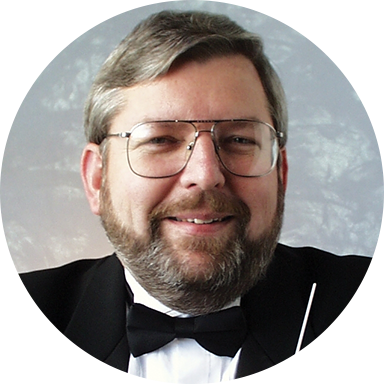
Mark Williams

Mark Williams shaped an entire generation of young musicians through his prolific output of over 200 band, orchestra, and choral works. A product of Eastern Washington University with degrees in education and music, he spent his career in Washington schools with a particular focus on elementary band, later becoming conductor and artistic director of the Spokane British Brass Band. His work as co-author of the Accent on Achievement Band Method established his reputation as a pedagogical voice in the field.

Beyond the page, Williams was an active clinician and guest conductor who brought his expertise to 34 states, five Canadian provinces, and Australia. He performed professionally on bassoon and arranged for the 560th Air Force Band while building an impressive collection of recognitions, including the Gralia Competition award from the Western International Band Clinic and multiple ASCAP Special Awards for his compositions.

Why we love this

Three distinct movements means three distinct teaching and programming opportunities within a single piece. Williams balances technical writing (those intricate harmonies in 'Stonehenge') with accessible melodic material, making it rewarding for both the players pushing themselves and those still building confidence. The 5/4 finale alone justifies programming this suite, a rhythmically engaging paso doble that makes unusual meter feel natural rather than forced.

What to expect

A grand tour across European landmarks, each capturing a distinct emotional landscape. The ancient weight and mystery of Stonehenge gives way to the delicate, shimmering palette of the Louvre's galleries, then explodes into the infectious energy and controlled chaos of the running of the bulls.

Who it's for

Grade 3 bands with solid rhythmic foundation and players secure enough to sustain longer rehearsal processes. Directors preparing for festival season or seeking a showcase piece that demonstrates range across programmatic, impressionistic, and rhythmic styles.

How to get the most out of it

  • Let the 'Stonehenge' movement breathe between phrases; the harmonic density needs space to land.
  • In 'The Louvre,' balance the solo voices (trumpet, trombone, horn) so each featured line sings without drowning the accompaniment.
  • Establish the 5/4 pulse early in rehearsals for 'Fiesta de Pamplona' by tapping it before the ensemble plays any notes.
  • Record a full run-through of all three movements to hear how transitions between contrasting styles affect the overall pacing.

How to use it

Ideal as a multi-movement centerpiece on a concert where you want to showcase repertoire variety without jumping between unrelated pieces. Consider programming it as the concert's second half after lighter opening selections, allowing audiences to settle into the impressionistic second movement. The built-in contest/festival designation makes it natural preparation material for spring competition.

Skills your students will build

  • Sustaining harmonic awareness in dense chordal writing
  • Balancing solo and accompaniment roles across multiple instrumental families
  • Reading and performing in 5/4 time signature
  • Shaping long lyrical lines in impressionistic textures
  • Executing rhythmic precision in syncopated paso doble figures

You May Also Like
