Scarlatti: An Introduction to His Keyboard Works Sheet Music Preview

Scarlatti: An Introduction to His Keyboard Works: Piano

By Domenico Scarlatti / ed. Margery Halford

Level: Intermediate / Late Intermediate

Item: 00-PB-0000876

Digital Download
$12.99
Description
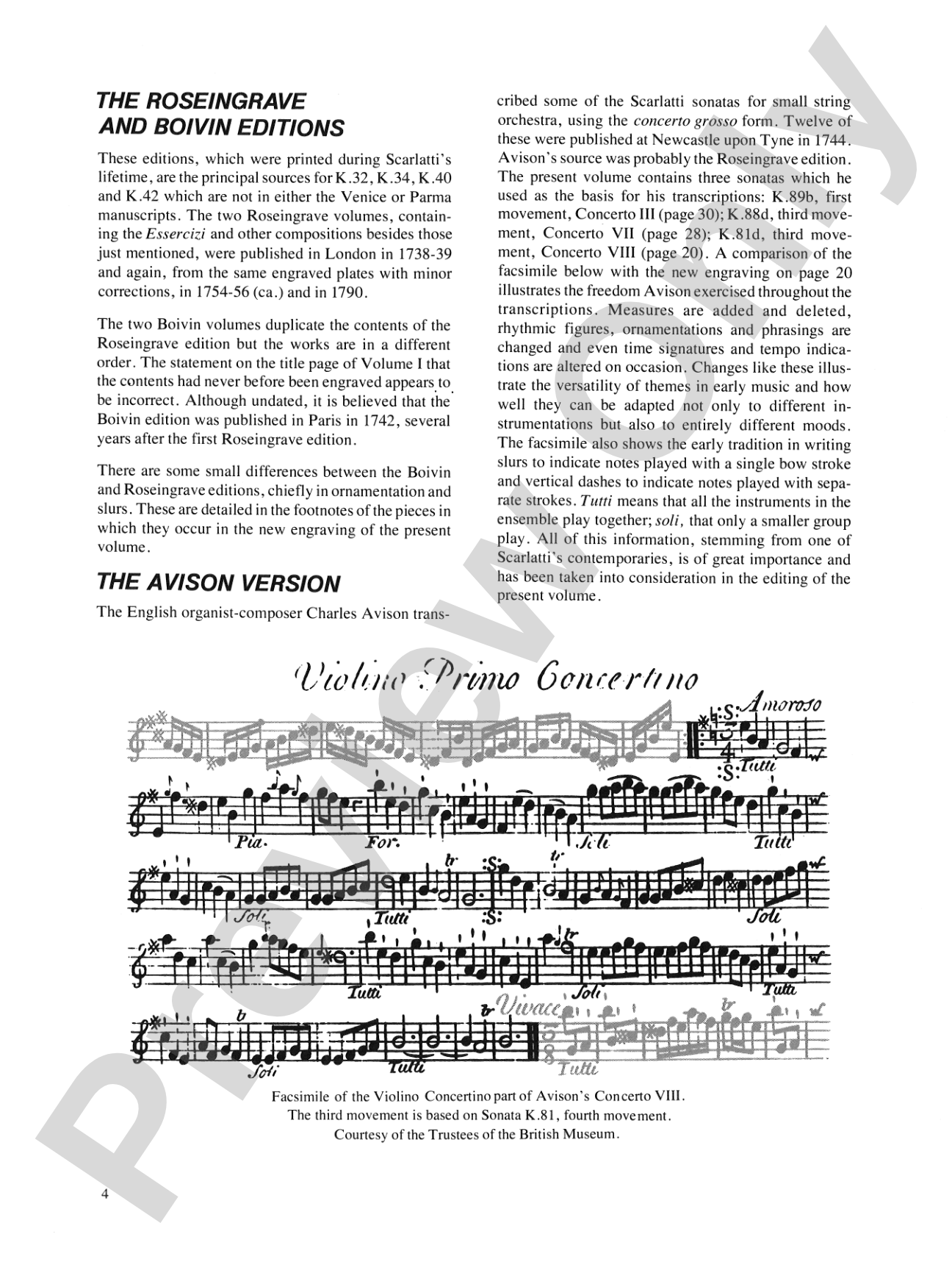
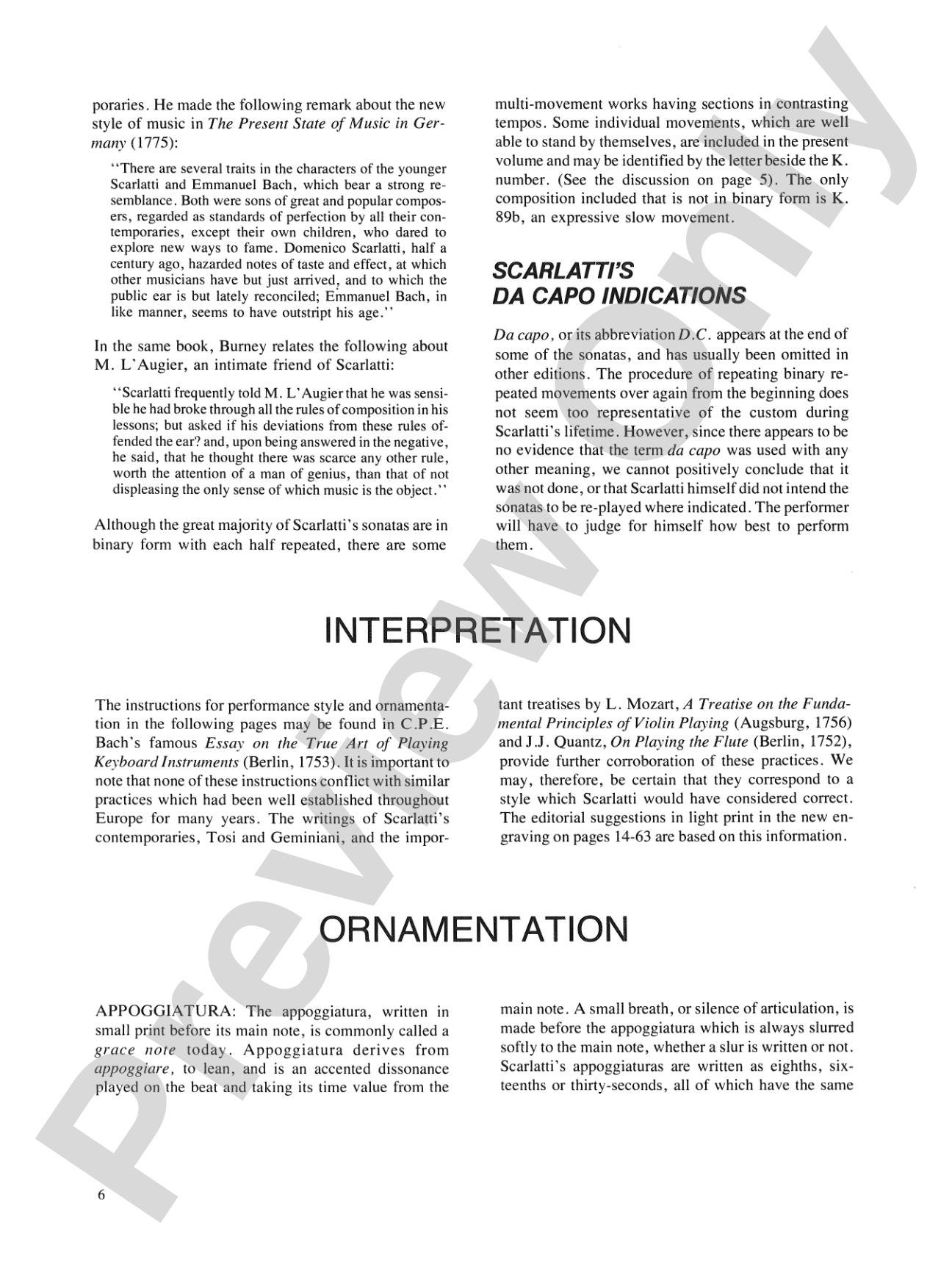
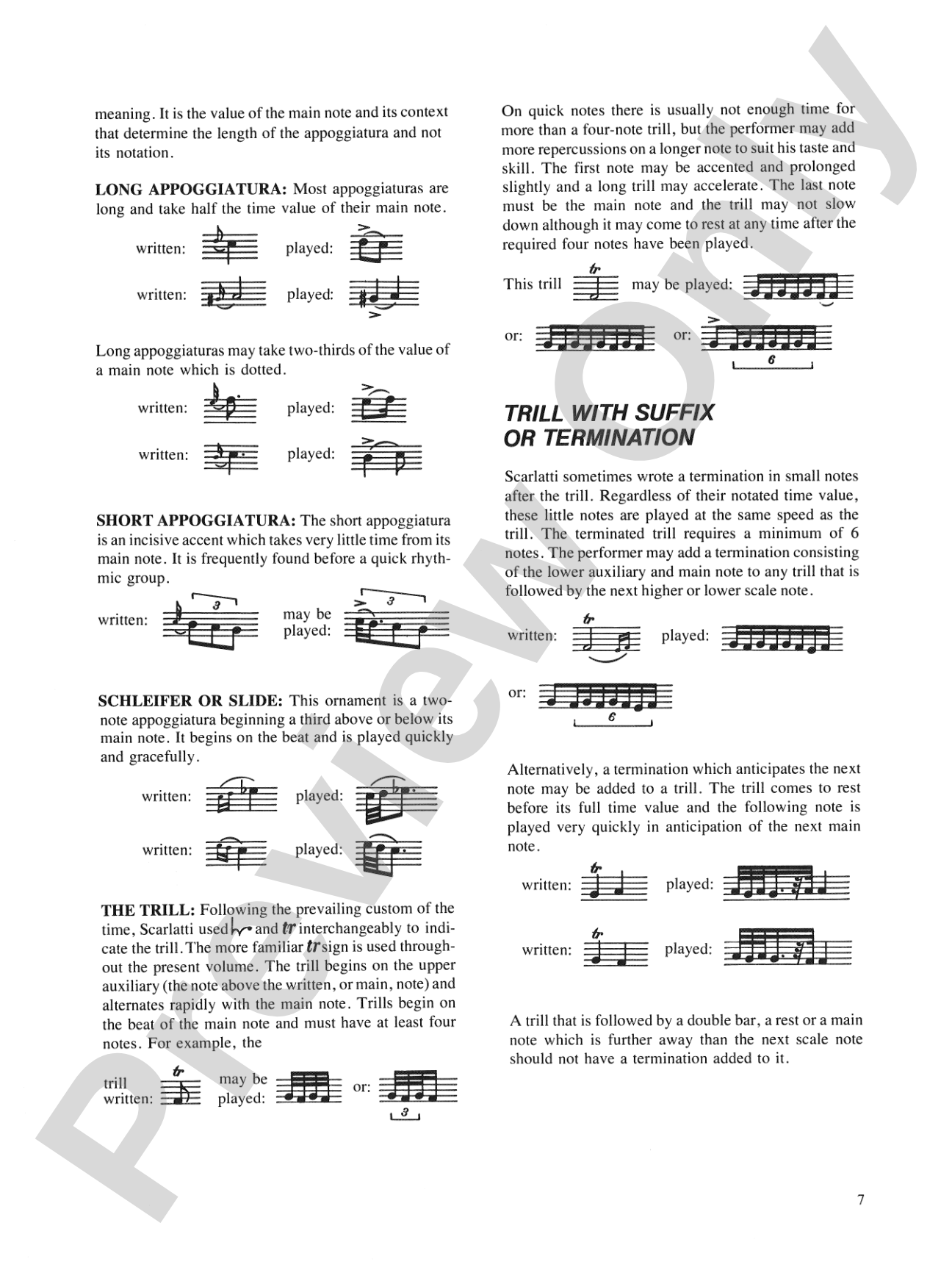
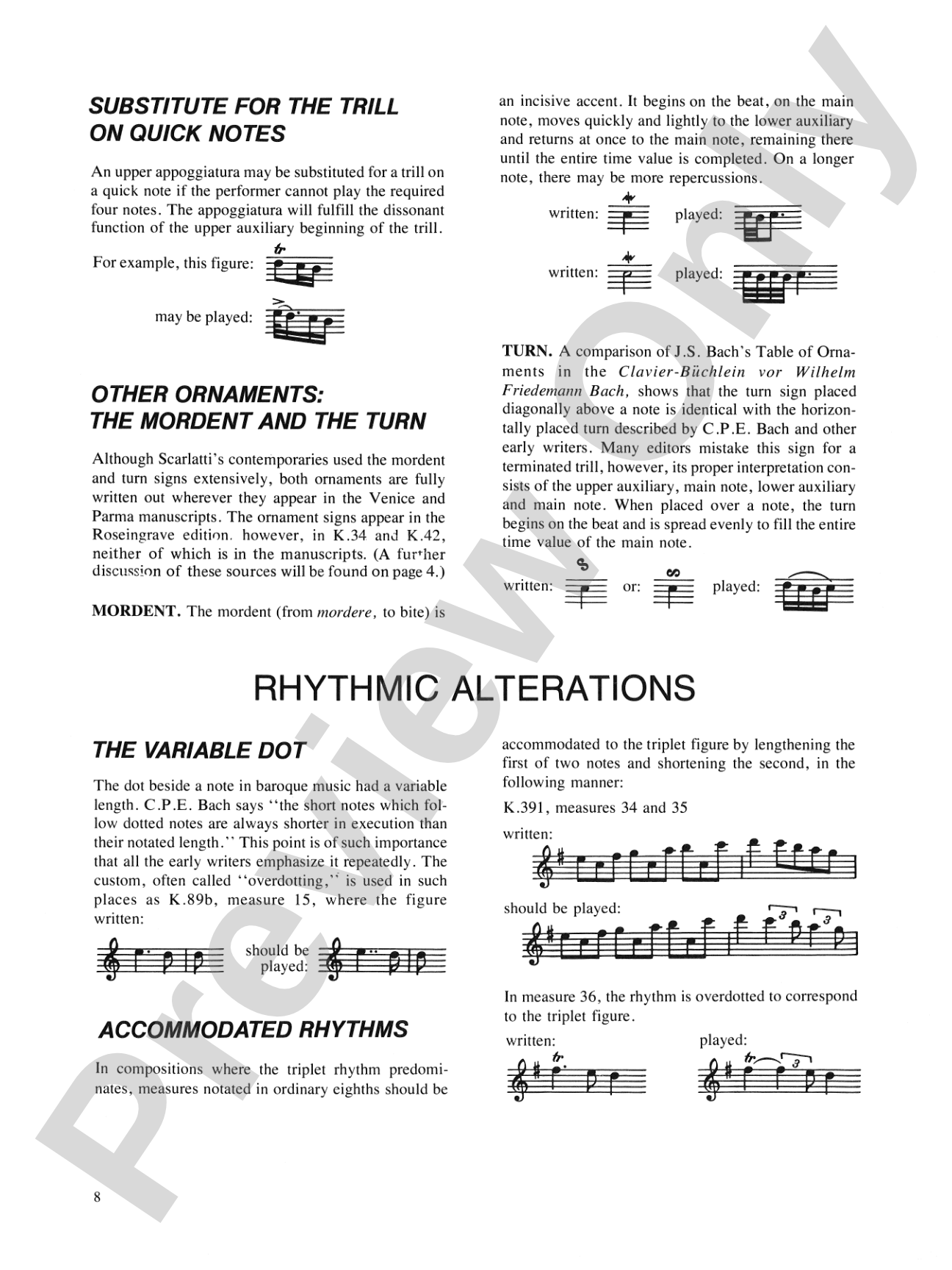
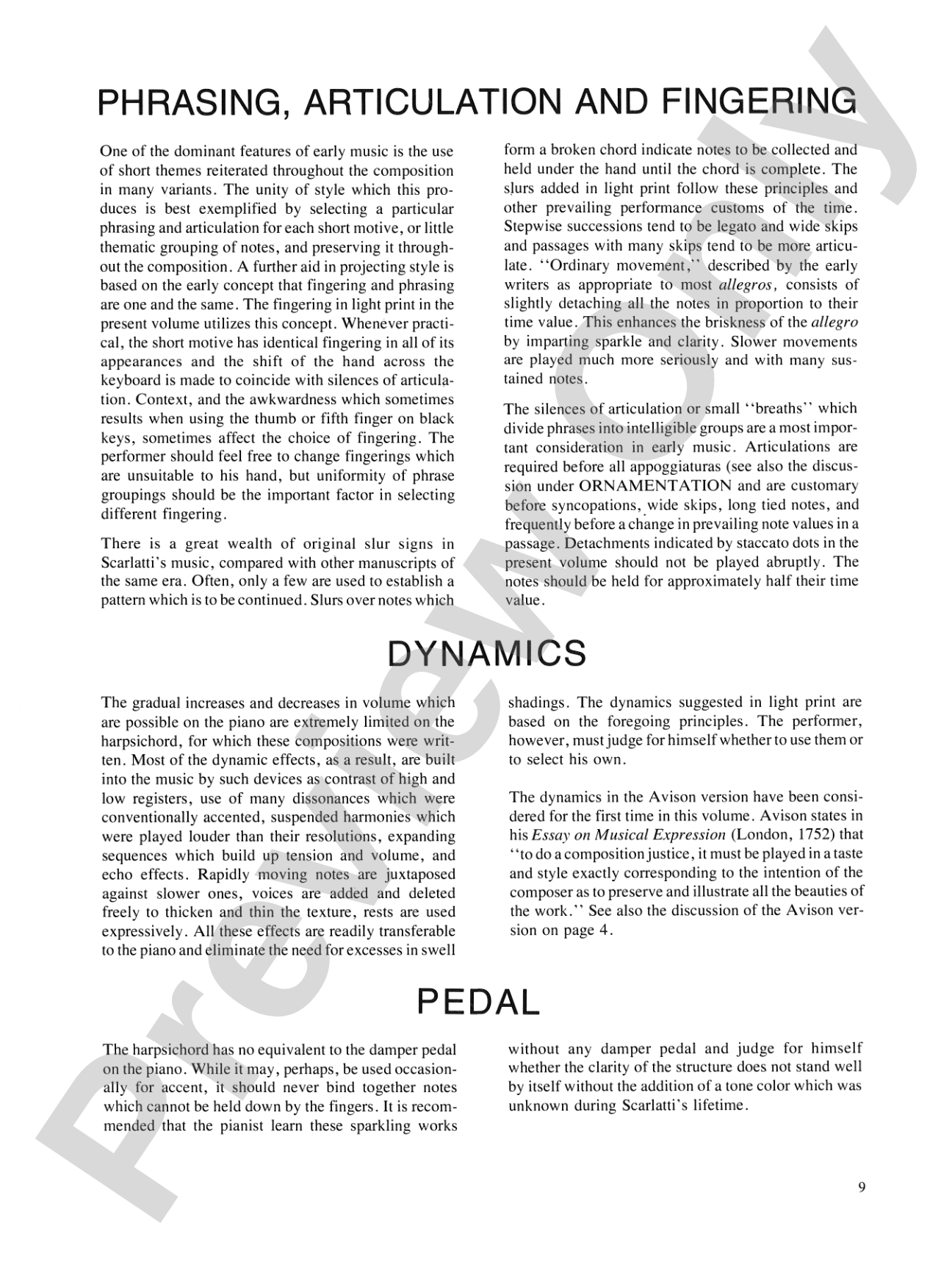
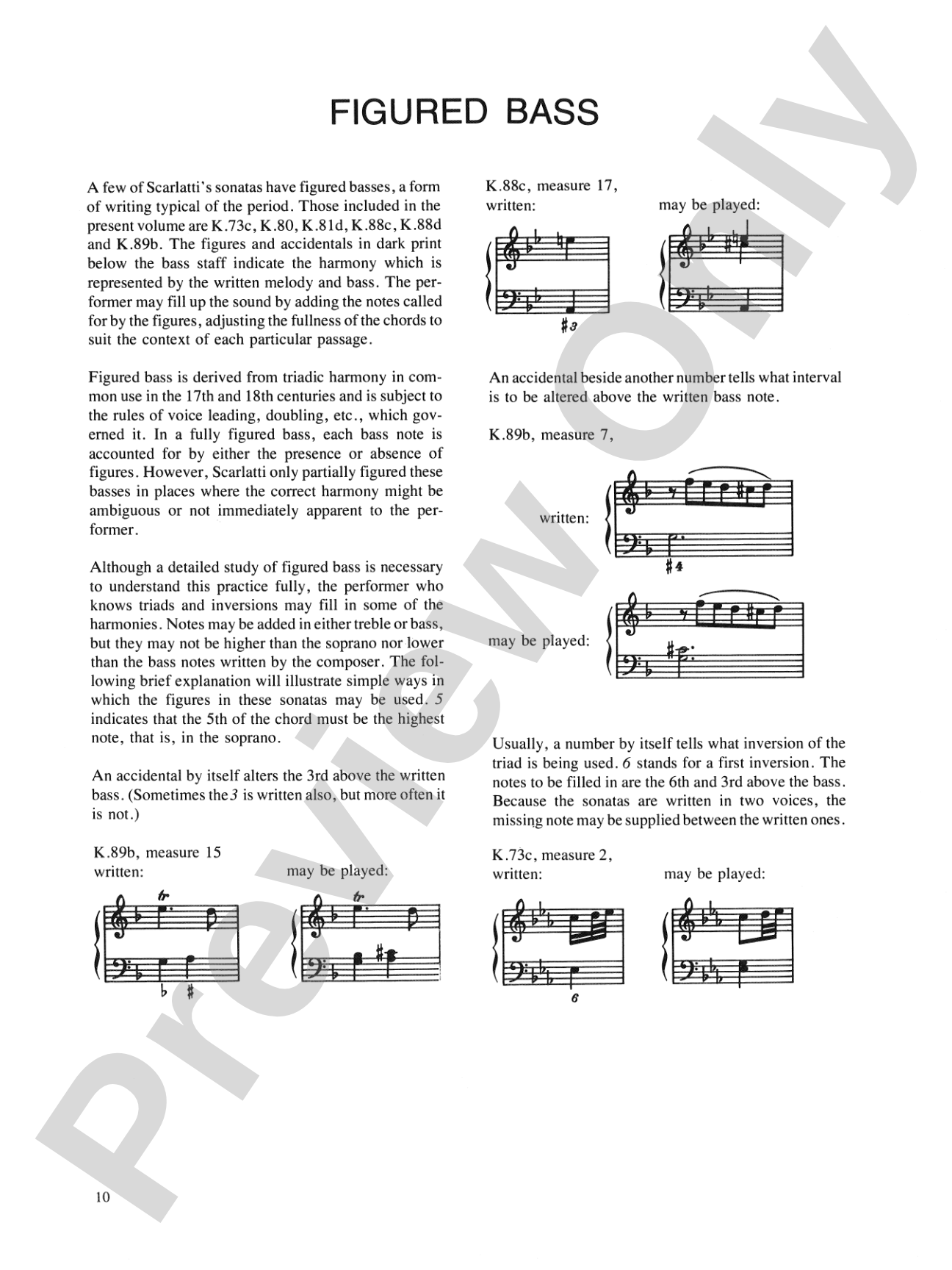
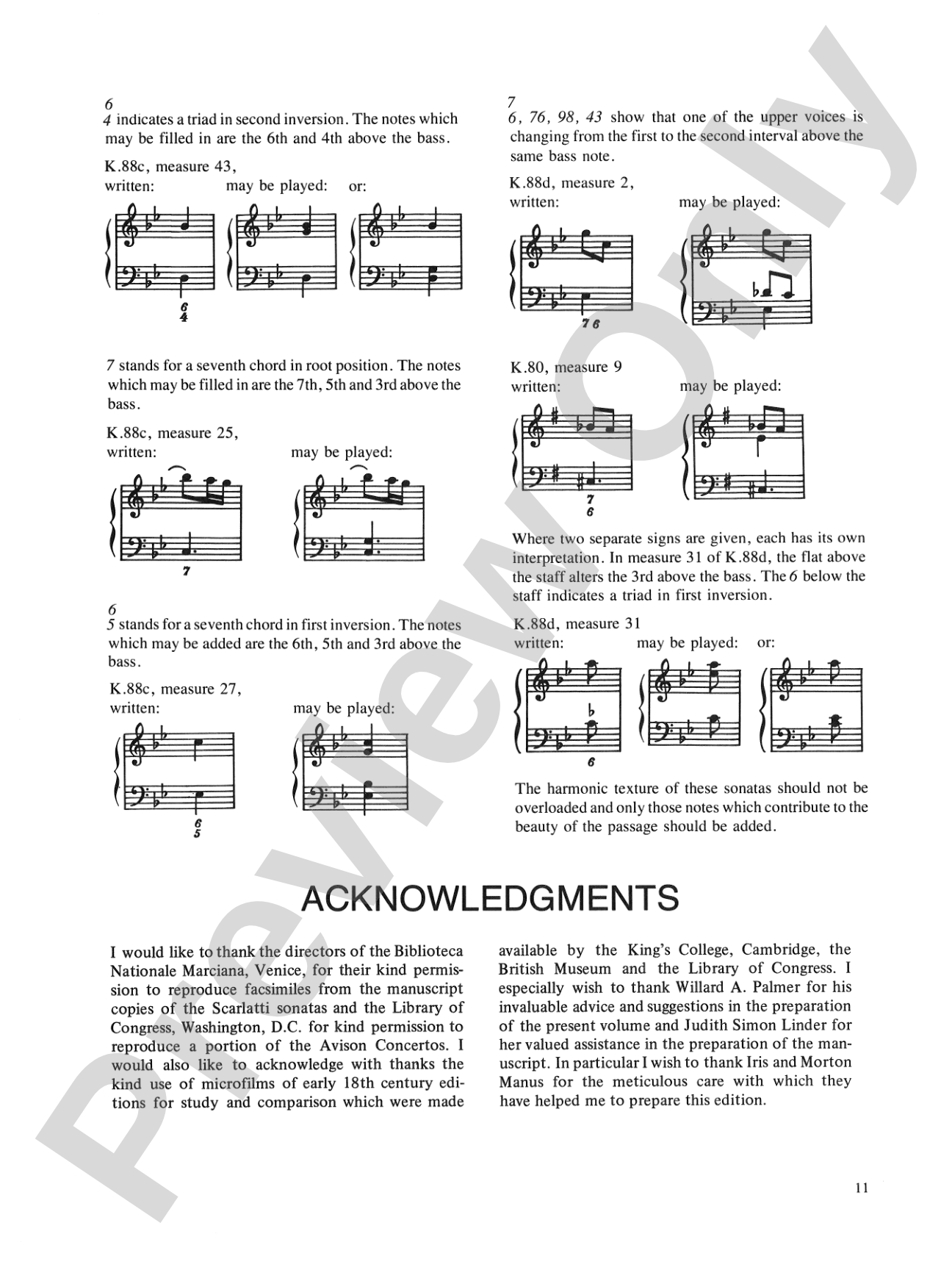
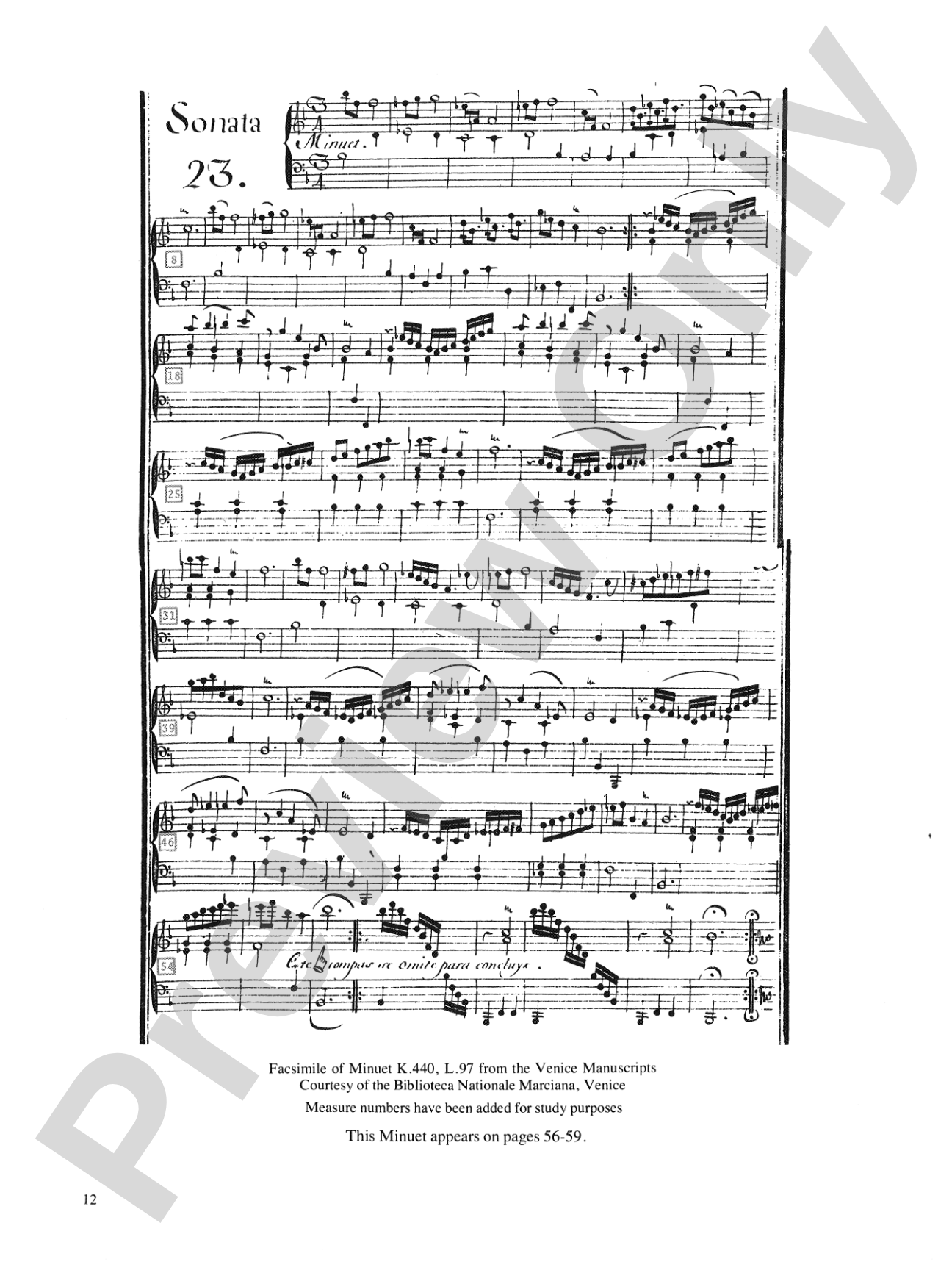
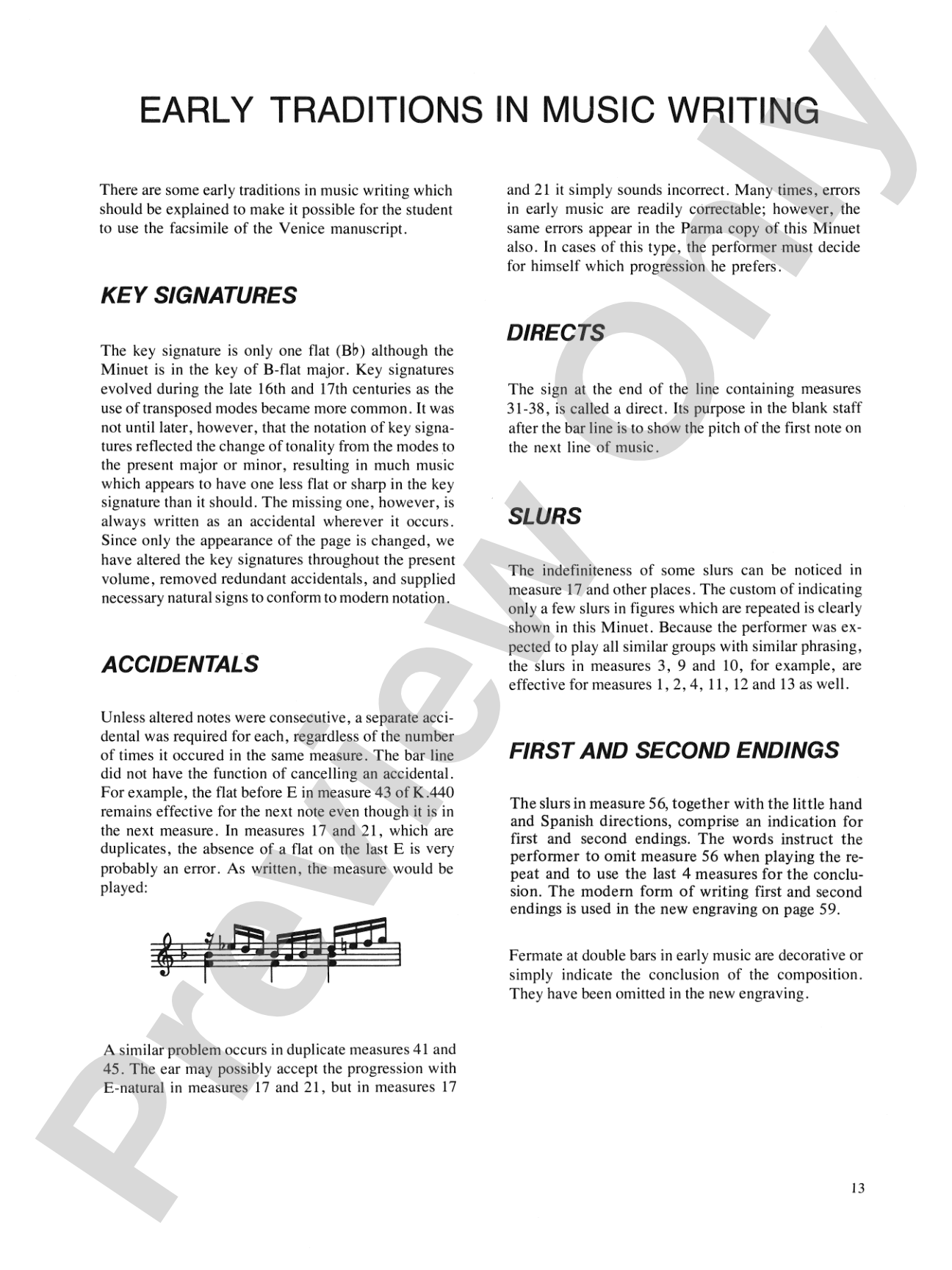
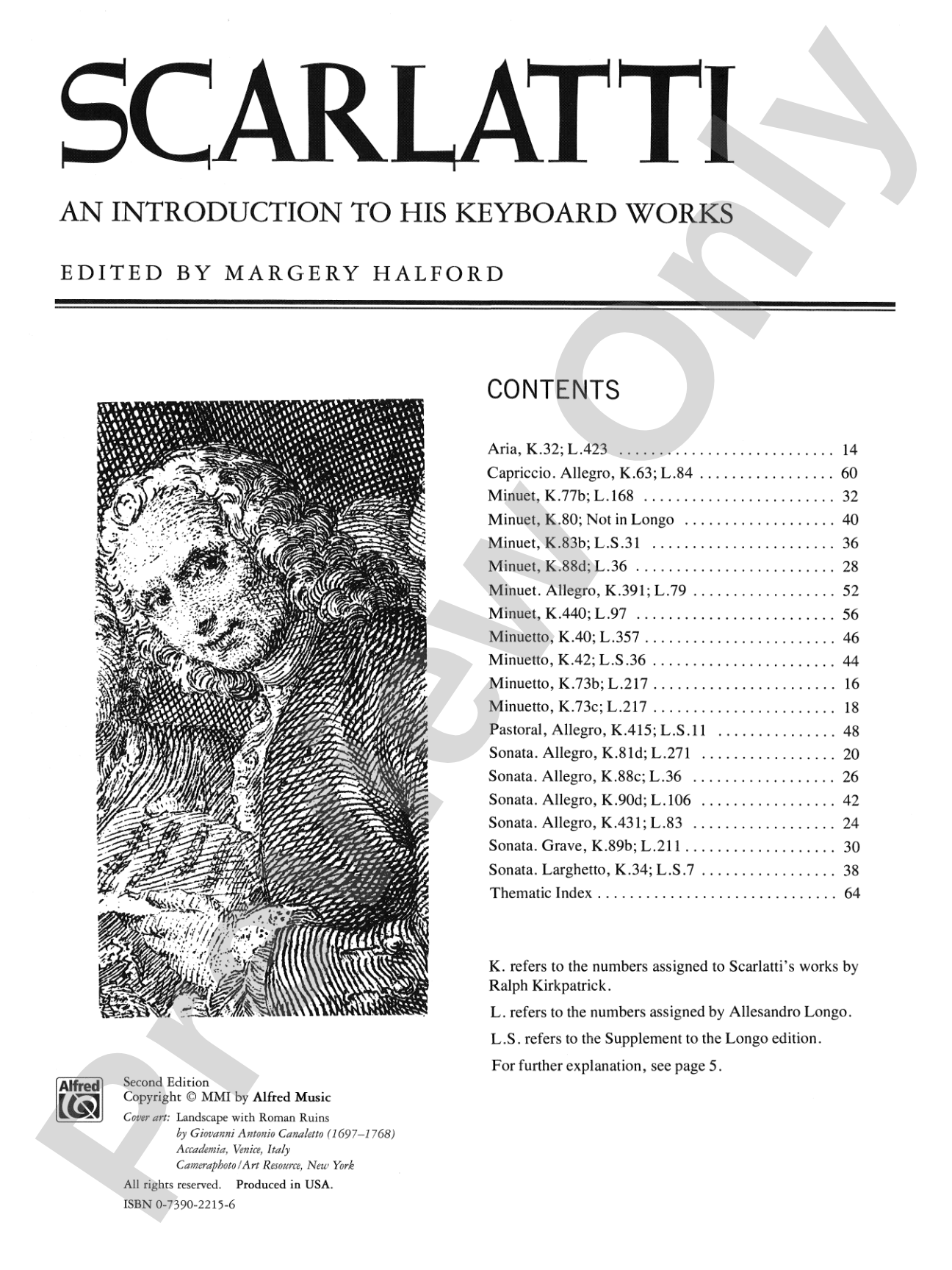
This carefully edited volume contains 19 of Scarlatti's easiest pieces, including minuets, sonatas and assorted other works. Suggestions for interpretation and a discussion of the original editions are provided. Unique to this collection is a consideration of figured bass as used in several of Scarlatti's sonatas. A Federation Festivals 2020-2024 selection.

Scarlatti: An Introduction to His Keyboard Works: Piano isn't in MakeMusic Cloud just yet...but it could be. Let us know you'd like to see it, and you'll help shape what comes next. In the meantime, start a free trial and dive into thousands of interactive titles your students can play along with today.

Sample Audio
No sample audio found.
Sample Video
Additional Details
Series: Alfred Masterwork Edition
Publisher: Alfred Music
Page Count: 64
SKU: 00-PB-0000876

More about this title

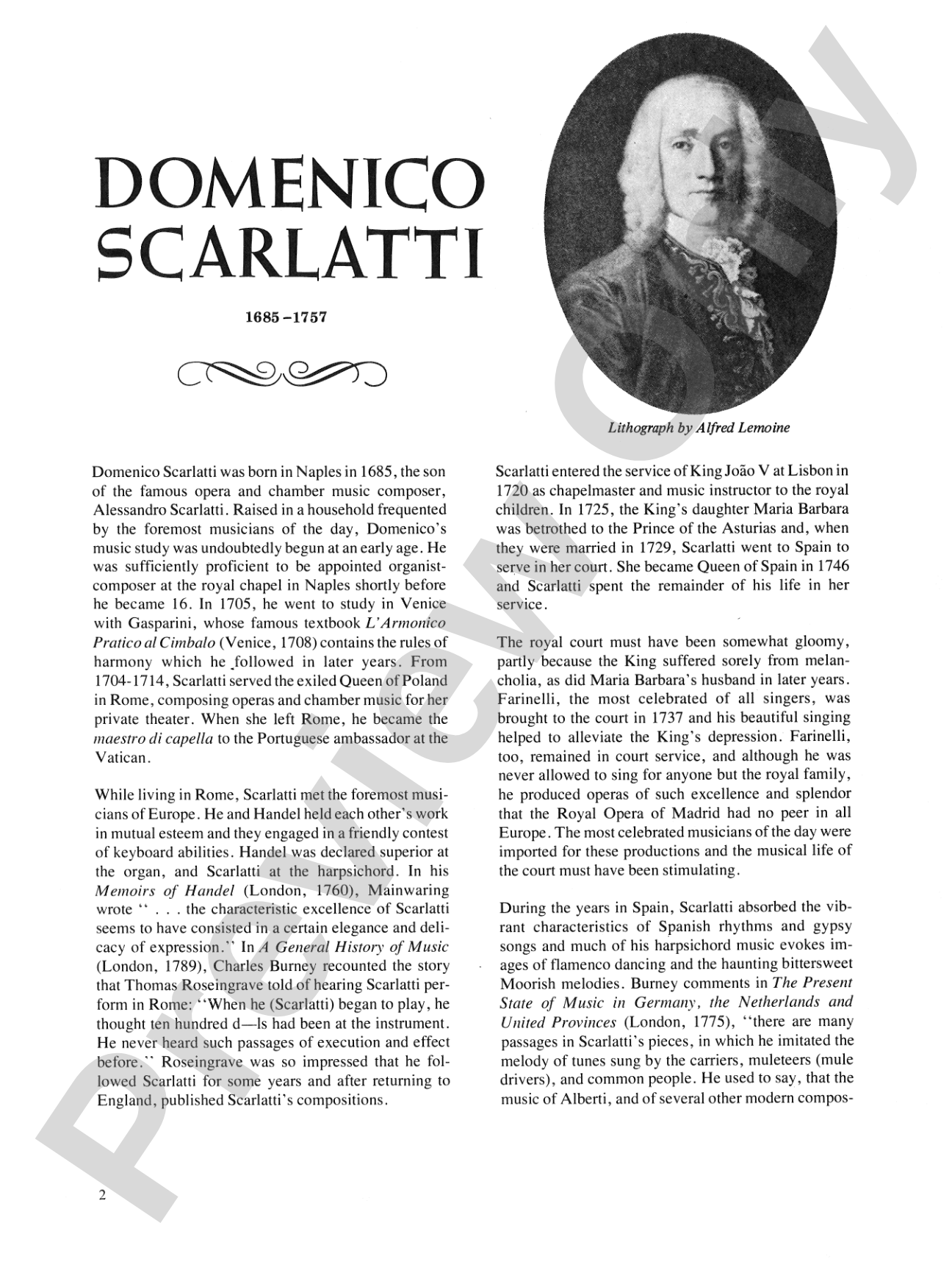
About the Composer: Domenico Scarlatti

Domenico Scarlatti (1685-1757) spent most of his career in Spain and Portugal, where he served the royal courts and composed over 550 keyboard sonatas. His music represents a bridge between the Baroque and Classical periods, with a harmonic language that often surprises and delights with unexpected modulations and dramatic shifts. Though overshadowed by his father Alessandro, Domenico's keyboard works have endured as essential repertoire because of their inventiveness, humor, and technical brilliance.

Scarlatti's sonatas are laboratories for pianistic problem-solving. He wrote for the harpsichord but with an understanding of keyboard mechanics that translates beautifully to the modern piano. His pieces demand clarity of touch, control of hand position, and an ear for counterpoint, making them invaluable for students developing independence between the hands.

Why we love this

This collection assembles the pieces that actually work in a teaching studio without requiring a PhD in Baroque performance practice. The editorial guidance on figured bass and interpretation removes the guesswork, so you can focus on what matters: watching your student discover that Scarlatti's humor and technical ingenuity make him far more engaging than a generic sonatina. The Federation Festivals selection gives you immediate programming momentum.

What to expect

Scarlatti bounces between moments of crystalline elegance and playful mischief. These sonatas and minuets have a lightness and rhythmic buoyancy that feels almost modern, with sudden harmonic turns that catch you by surprise. The writing celebrates what the hands can do together, full of quick exchanges and moments where both hands move in similar motion or clever counterpoint.

Who it's for

Intermediate pianists ready to explore Baroque keyboard writing beyond Bach, and teachers building a historically informed curriculum without drowning in editorial complexity. Students who have solid hand independence and pulse control will find these pieces achievable yet genuinely rewarding.

How to get the most out of it

  • Treat repeated notes as opportunities for agility rather than fatigue. Scarlatti's hand-crossing passages and quick repeated figures demand wrist freedom; tension will collapse the line.
  • Shape the opening statement of each sonata with clear phrase breathing, then let the harmonic surprises emerge naturally without overdoing the drama.
  • Balance the figured bass passages with a light hand so the theoretical framework doesn't weigh down the sound. These measures should feel like a conversation, not a lecture.
  • Experiment with articulation across the different works in this volume. Some pieces sing; others snap. The variety is intentional and rewarding to explore.

How to use it

Use this collection to represent the Baroque era in a recital or studio showcase, pairing individual pieces with works by Couperin or Purcell for a full period picture. The minuets work particularly well as intermission music or as part of a mixed-genre program where you want something witty without the weight of a full Bach fugue.

Skills your students will build

  • Hand independence and coordination across contrasting figuration
  • Figured bass literacy and realization at the keyboard
  • Baroque articulation and phrasing without excess ornamentation
  • Quick finger work and hand position management in repeated-note passages
  • Recognition of harmonic movement and unexpected tonal shifts
  • Sight-reading fluency across multiple keyboard textures

You May Also Like