Sanctus Cover Image

Sanctus: 3-Part Mixed Choral Octavo

$1.90 USD
Sale price  $1.90 USD Regular price 
Skip to product information
Sanctus Cover Image

Sanctus: 3-Part Mixed Choral Octavo

By Sally K. Albrecht

Item: 00-45661

makemusic Cloud badge

Need it now?

Buy Digital Version
$1.90
Shipped

One moment…

Description
A one-octave melody, imitative textures, independent vocal parts, and an accessible Latin text make this an ideal selection for developing choirs. Emphasize pure vowels and legato phrasing to highlight the beauty of this gorgeous setting. Simply stunning.

Don't just read it, hear it, play along with it, and watch your students grow with it. In MakeMusic Cloud, Sanctus: 3-Part Mixed Choral Octavo comes alive with professional accompaniment, adjustable tempo, and built-in practice tools that turn solo practice into real progress.

Sample Pages

Sample Audio
0:00
0:00
Sample Video
Additional Details
Series: Alfred Choral Designs
Publisher: Alfred Music
Page Count: 8
UPC: 038081514000
SKU: 00-45661

More about this title

About the Composer: Sally K. Albrecht
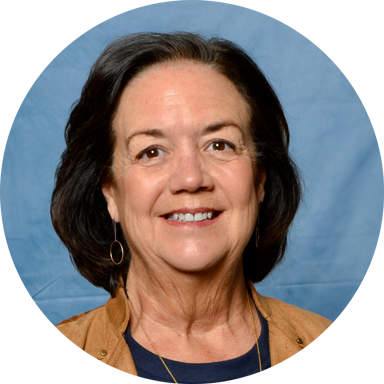
Sally K. Albrecht

Sally K. Albrecht has spent over three decades shaping choral music education as a composer, conductor, and clinician. She served as Director of School Choral, Vocal, and Elementary Publications at Alfred Music, where she developed curricula and repertoire for developing singers nationwide. Her work has earned consistent recognition from ASCAP since 1987, and she has conducted honor choirs at Lincoln Center, Carnegie Hall, and The Kennedy Center. With more than 600 published choral works and 75 songbooks and musicals in print, she remains one of the most frequently performed composers in school choral programs.

Albrecht holds degrees from Rollins College (B.A. in Music and Theater, 1976), the University of Miami (M.A. in Drama, 1977, and M.M. in Accompanying, 1979), and has taught at Oakland University, Jersey City State College, and Meredith College. She is a Distinguished Alumna of both Rollins College and the University of Miami Frost School of Music, and served as Chair of the Board of Trustees for Omicron Delta Kappa National Leadership Honor Society. She lives in Wake Forest, North Carolina with her husband, composer and arranger Jay Althouse.

Why we love this

Albrecht writes with a keen understanding of what developing choirs need: clear, singable lines that build confidence without sacrificing musical substance. The imitative texture invites your singers to listen actively to each other, strengthening ensemble awareness while the Latin text provides cultural richness and natural legit phrasing that feels immediately rewarding to perform.

What to expect

The music unfolds with quiet dignity. A single melodic line passed between voices creates an intimate, conversational quality that feels both meditative and alive. The eight-page arc gives the piece room to breathe, allowing the pure vowels and legato phrasing to create an almost luminous sound.

Who it's for

This octavo works beautifully for developing choirs ready to tackle independent part-writing without feeling overwhelmed. The three-part SAB voicing gives singers age-appropriate ranges while the accessible Latin text removes language barriers, making it ideal for both middle school ensembles building confidence and high school choirs seeking sacred repertoire for festivals or concerts.

How to get the most out of it

  • Shape the phrases with deliberate breath points to avoid losing the line through the imitative sections. Your singers should hear the melody pass between parts like a conversation.
  • Prioritize pure vowel formation on the Latin text. Consistent vowel colors across all three parts create the unified, resonant sound that makes this setting shine.
  • Keep the tempo steady and unhurried. Rushing undercuts the meditative quality of the text and flattens the elegance of the melodic writing.
  • Balance the parts carefully during imitative passages. The entrance of each new voice should be audible but not overpowering, allowing the texture to build organically.

How to use it

Pair this with other sacred works in a concert that explores Latin texts and vocal textures, or program it as a peaceful opening to a secular set. Its concert-ready polish also makes it a strong choice for festival competitions where judges value musical maturity and clear part independence.

Skills your students will build

  • Independent voice part singing in imitative texture
  • Latin text pronunciation and diction
  • Legit phrasing across a single-octave melodic range
  • Listening and ensemble awareness in polyphonic writing

You May Also Like
