Samba La Bamba Cover Image

Samba La Bamba: String Orchestra Conductor Score

$10.00 USD
Sale price  $10.00 USD Regular price 
Skip to product information
Samba La Bamba Cover Image

Samba La Bamba: String Orchestra Conductor Score

By William Owens

Level:.5

Item: 98-ST6255S

$10.00
Shipped

One moment…

Description
Treat your students to this Latin-flavored piece that uses only six notes! Geared toward the youngest musicians, this melody is a great tool for teaching basic rhythms in an ensemble setting. Optional percussion and piano parts add a ton of authenticity without adding any difficulty. A great change of pace, and a great way to get out of the method!

Samba La Bamba: String Orchestra Conductor Score isn't in MakeMusic Cloud just yet...but it could be. Let us know you'd like to see it, and you'll help shape what comes next. In the meantime, start a free trial and dive into thousands of interactive titles your students can play along with today.

Sample Pages

Sample Audio
No sample audio found.
Sample Video
Additional Details
Series: FJH Beginning Strings
Publisher: The FJH Music Company, Inc.
UPC: 241444565162
SKU: 98-ST6255S

More about this title

About the Composer: William Owens
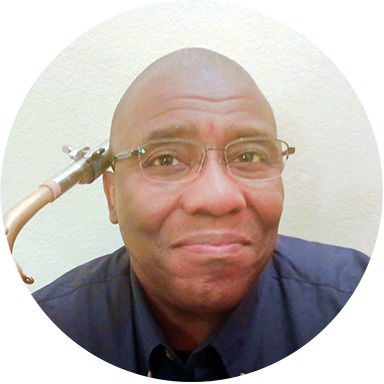
William Owens

William Owens brings three decades of classroom experience to his prolific composing career. Since 1993, he has written over 300 works for young ensembles, earning recognition on required music lists across North America and establishing himself as a trusted voice in accessible repertoire. A 1985 graduate of VanderCook College of Music and a Distinguished Alumnus of that institution, Owens received his formative training in one of America's leading music education programs.

Throughout his 30-year tenure as a band director in Texas, Owens developed a compositional approach rooted in practical classroom needs. His commissions from the South Plains College Department of Fine Arts, Phi Beta Mu International, and the American Bandmasters Association reflect his standing among peers. He holds memberships in ASCAP, TMEA, and Phi Beta Mu, and received the Texas Bandmasters Association's Meritorious Achievement Award. Owens now resides in Fort Worth with his wife, Georgia.

Why we love this

Owens strips away complexity without sacrificing musicality. Six notes and simple rhythms open the door to authentic Latin ensemble playing, and the optional percussion and piano parts let students experience real orchestration without overwhelming beginners. You get a genuine change of pace that still teaches something substantive about rhythm and ensemble.

What to expect

Bright, rhythmically infectious, and grounded in genuine samba tradition. The piece bounces with playful energy, inviting students to feel the pulse in their bodies rather than just their heads.

Who it's for

This is built for beginning string orchestras ready to branch beyond scales and exercises. It works equally well for mixed-level groups where you want everyone contributing meaningfully without technical barriers.

How to get the most out of it

  • Assign the optional percussion parts strategically. Even one student on wood block or guiro transforms the rhythmic texture and keeps the ensemble engaged during repeated sections.
  • Lock the foundational rhythms first by having the group speak the pulse together before adding the melody. This grounds everyone in the samba feel from the start.
  • Give the piano part real presence if you have a player available. The harmonic support clarifies the ensemble's intonation and adds the warmth that sells the Latin character.

How to use it

Drop this into a concert as a palette cleanser between heavier repertoire, or use it as the anchor for a multicultural music unit that introduces students to world traditions. It also works well mid-year when you want to reinforce rhythm and ensemble listening without introducing new technical demands.

Skills your students will build

  • Reading and maintaining consistent rhythmic patterns in ensemble settings
  • Responding to Latin percussion and its relationship to melodic lines
  • Balancing individual parts within a rhythmically driven texture
  • Playing with stylistic awareness and cultural context

You May Also Like