Salute to TV Cover Image

Salute to TV: Full Orchestra Conductor Score & Parts

$70.00 USD
Sale price  $70.00 USD Regular price 
Skip to product information
Salute to TV Cover Image

Salute to TV: Full Orchestra Conductor Score & Parts

Featuring themes from: Masterpiece Theater / M*A*S*H / The Alfred Hitchcock Hour / The Late Show / The Late, Late Show / The Flintstones / Bonanza

Arr. Carl Strommen

Grade: 4

Item: 00-33700

makemusic Cloud badge

Need it now?

Buy Digital Version
$70.00
Shipped

One moment…

Description
The early years of TV brought us memorable music. Included in this blow-out medley are themes from Masterpiece Theater, M*A*S*H, The Alfred Hitchcock Hour, The Late Show, The Late, Late Show, The Flintstones, and Bonanza. Perfect for a pops concert!

Don't just read it, hear it, play along with it, and watch your students grow with it. In MakeMusic Cloud, Salute to TV: Full Orchestra Conductor Score & Parts comes alive with professional accompaniment, adjustable tempo, and built-in practice tools that turn solo practice into real progress.

Sample Pages

Sample Audio
0:00
0:00
Sample Video
Additional Details
Series: Pop Concert Full Orchestra
Publisher: Alfred Music
Page Count: 232
UPC: 038081382517
SKU: 00-33700

More about this title

About the Arranger: Carl Strommen
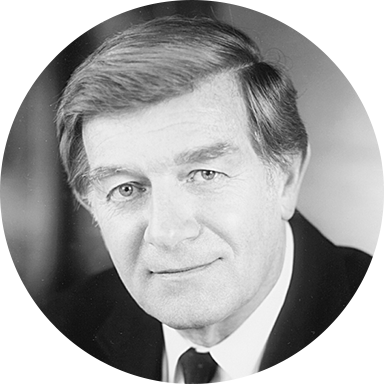
Carl Strommen

Carl Strommen's arrangements and original compositions have secured him a place among the most frequently performed composers and arrangers across band, orchestra, jazz ensemble, and choral settings worldwide. His music appears regularly in concert halls, broadcasts, and film scores, and he maintains an active schedule as both a clinician and commissioned composer. His steady stream of publications has earned him consistent recognition through the ASCAP Standard Writers Award.

A product of the City College of New York, Strommen remains connected to music education as an adjunct instructor of orchestration and composition at C.W. Post Campus of Long Island University. He resides on Long Island with his family and divides time between New York and Colorado.

Why we love this

Strommen's gift for medley construction shines here. He weaves seven iconic TV themes into a cohesive arc that holds energy from opener to closer, never feeling stitched together. The orchestration sits perfectly at Grade 4, demanding musicianship without requiring virtuosos, making this an ideal vehicle for building ensemble confidence at a pops concert.

What to expect

Stepping into a time capsule of television's golden age. The writing feels celebratory and warm, with moments of orchestral color that elevate the familiar melodies beyond their original TV arrangements. There's a genuine affection for these themes woven throughout, inviting both players and listeners to smile.

Who it's for

Orchestra directors programming pops concerts or pop concerts who want a crowd-pleasing medley with real orchestral writing. This works equally well as a season opener or closer, and it engages audiences of all ages since these TV themes have multigenerational recognition.

How to get the most out of it

  • Balance the themes so each one emerges clearly without overshadowing the others. Sectional rehearsals on individual themes before running the full medley save rehearsal time.
  • Pay attention to the transitions between themes. Strommen's arranging typically moves smoothly between sections, but slight tempo breathing at the joins prevents the piece from feeling rushed.
  • Let the nostalgic quality come through in the phrasing. These melodies have emotional weight for audiences; lean into the warmth rather than playing them straight.

How to use it

Program this as either your concert opener or finale at a pops concert. Its immediate recognizability and accessible difficulty make it an excellent audience connector, particularly if your season includes heavier classical works. The piece also fits well in community orchestra or youth orchestra settings where repertoire needs to balance musicality with audience appeal.

Skills your students will build

  • Balanced blending across full orchestra sections
  • Melodic clarity within contrapuntal textures
  • Transitions and tempo navigation between distinct sections
  • Ensemble cohesion in lighter, less structurally rigorous forms

You May Also Like
