Rust Belt Cover Image

Rust Belt: Concert Band Conductor Score & Parts

$60.00 USD
Sale price  $60.00 USD Regular price 
Skip to product information
Rust Belt Cover Image

Rust Belt: Concert Band Conductor Score & Parts

By William Owens

Level:.5

Item: 98-B1815

makemusic Cloud badge

Need it now?

Buy Digital Version
$60.00
Shipped

One moment…

Description
First-year students will love this riveting musical depiction of a factory city. The sound of clanging metal combines with driving rhythms and industrial-like melodies to create a powerful and colorful work. Despite using only six notes, this is sure to be a student and audience favorite!

Don't just read it, hear it, play along with it, and watch your students grow with it. In MakeMusic Cloud, Rust Belt: Concert Band Conductor Score & Parts comes alive with professional accompaniment, adjustable tempo, and built-in practice tools that turn solo practice into real progress.

Sample Pages

Sample Audio
0:00
0:00
Sample Video
Additional Details
Series: FJH Starter Series
Publisher: The FJH Music Company, Inc.
UPC: 241444421376
SKU: 98-B1815

More about this title

About the Composer: William Owens
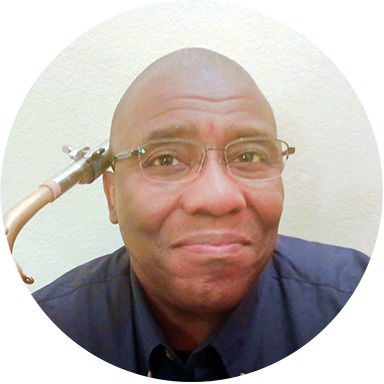
William Owens

William Owens grew up in Gary, Indiana, and has spent his career bridging the gap between ambitious musical ideas and the realities of young ensemble instruction. A VanderCook College of Music graduate, he spent three decades as a band director in Texas before transitioning to full-time composition and clinician work in 2014.

With over 300 published titles since 1993, Owens has become known for writing music that respects student musicians without talking down to them. His compositions appear on festival and contest lists across North America and have been cited in music education texts as models of practical, effective writing for developing ensembles. He remains active as a guest conductor and composer-clinician while living in Fort Worth with his wife, Georgia.

Why we love this

Owens proves that extreme accessibility doesn't require boring music. Six notes might seem like a limitation, but in his hands it becomes the architecture for something genuinely exciting to perform and hear. The industrial soundscape keeps audiences engaged while your first-year players get to feel the visceral satisfaction of making something powerful together.

What to expect

Walking through an industrial corridor at shift change. There's metal clanging, constant forward motion, and an underlying sense of purpose and grit. The melodies have an almost folk-like quality despite the modern industrial setting, creating something that feels both contemporary and timeless.

Who it's for

First-year concert band students who benefit from restricted ranges and simple note sets will find this piece both playable and genuinely rewarding. It's also an excellent choice for festival or contest experiences where you want your younger students to encounter authentic performance pressure without technical complexity getting in the way.

How to get the most out of it

  • Balance the metallic effects against the driving rhythms so neither overwhelms the other; the clanging should punctuate, not dominate.
  • Lock in the pulse early in rehearsals by having students tap the main beat while playing their parts; the rhythmic drive is what sells this work.
  • Let the melodic simplicity work for you by having students focus on tone quality and intonation instead of wrestling with technical challenges.
  • Consider the energy arc of your performance: this piece thrives on building momentum, so guard against any slowdown in the second half.

How to use it

This works beautifully as an opener for a concert where you're programming work of increasing difficulty, or as the anchor piece in a program built around American regional themes. It's also strong enough to stand alone at a festival performance and memorable enough that audiences will still be humming it after the concert ends.

Skills your students will build

  • Reading and executing rhythmic patterns in cut time
  • Producing consistent tone across a limited pitch range
  • Maintaining ensemble pulse through repetitive rhythmic figures
  • Responding to dynamic contrast and articulation markings within simple material
  • Coordinating with percussion effects and metallic sound production

You May Also Like
