

Rush: String Orchestra Conductor Score & Parts
By Neridah Oostenbroek
Grade: 3
Item: 00-PK-0008790

$65.00
One moment…
Description
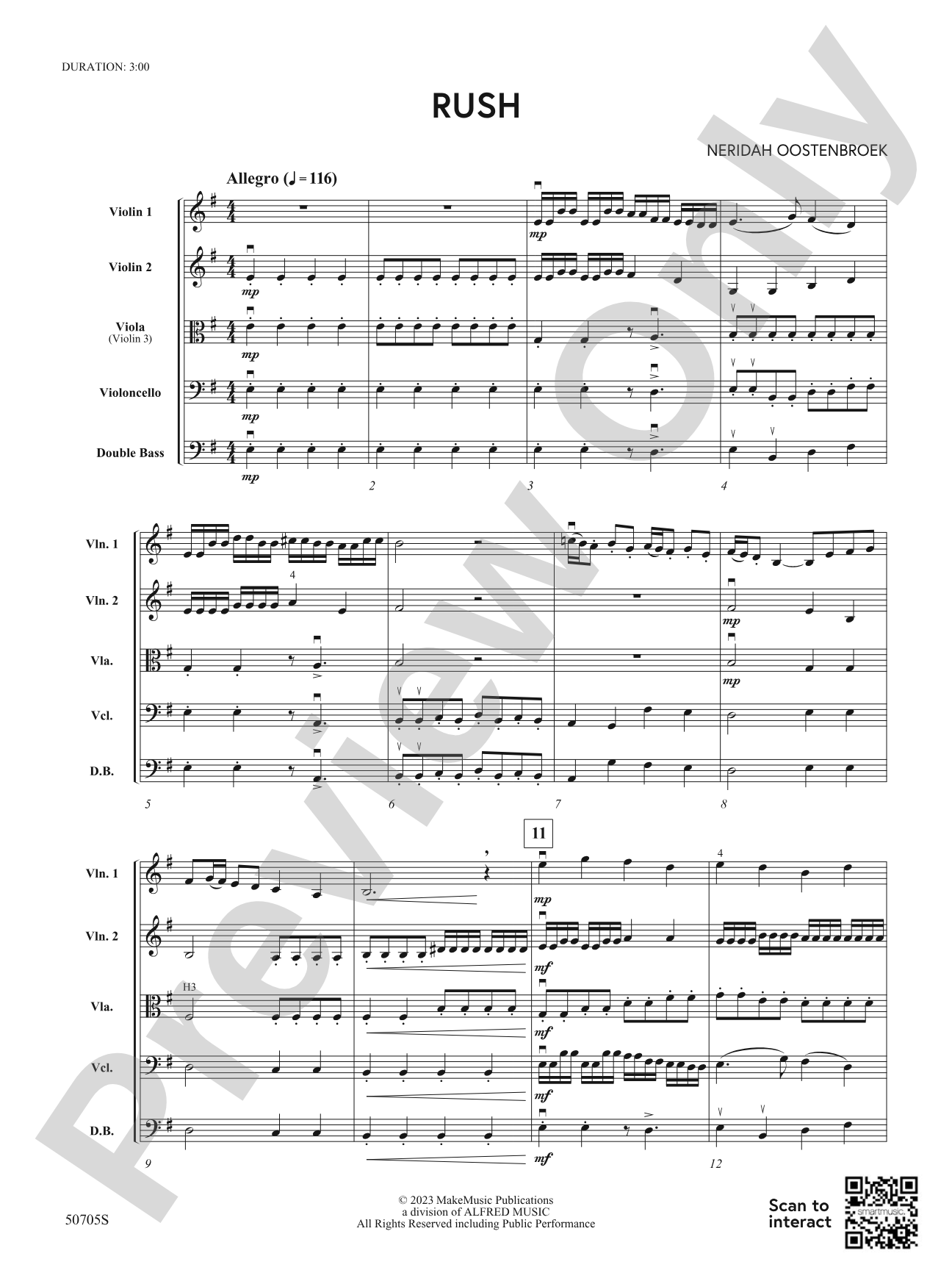
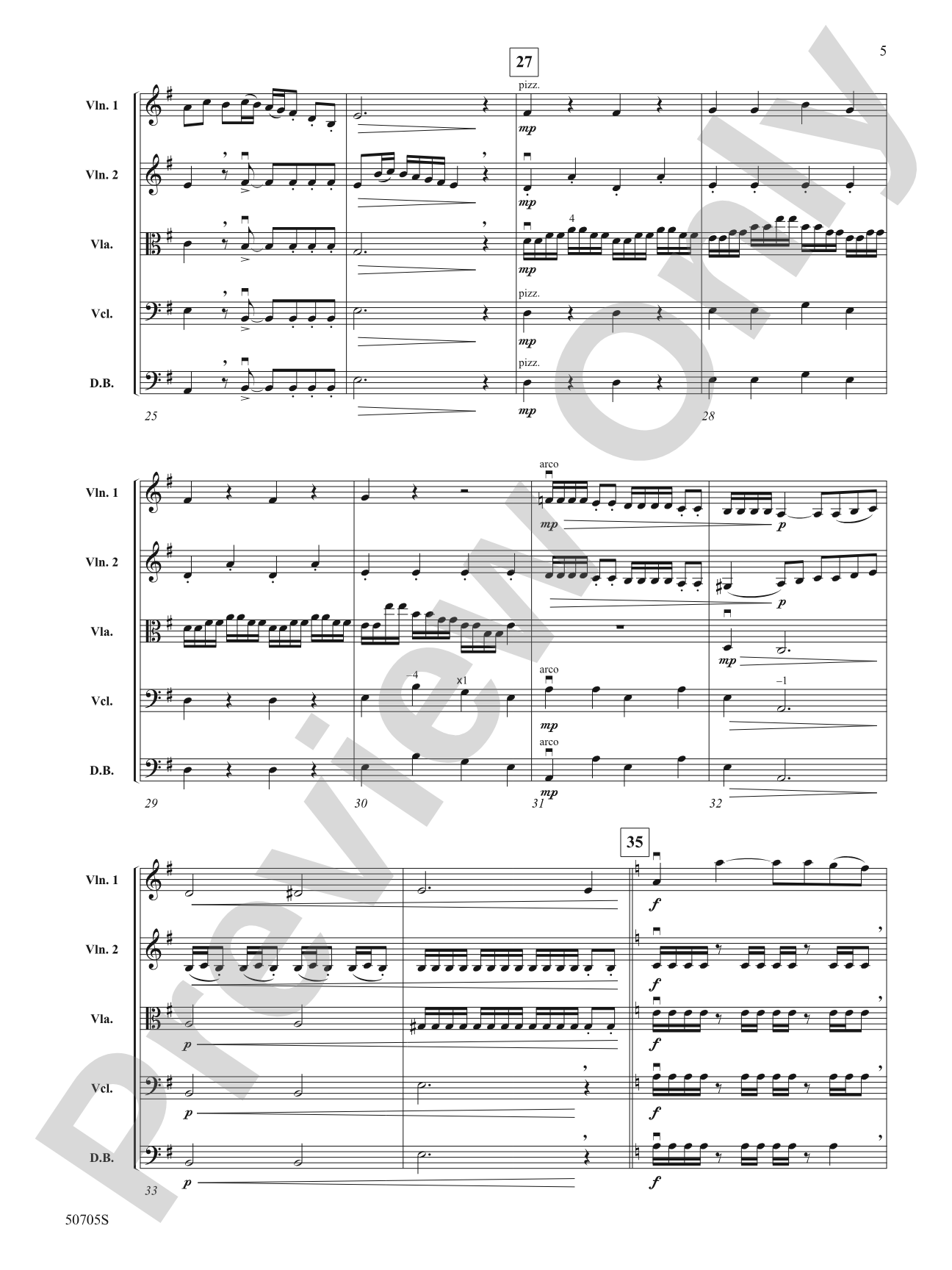
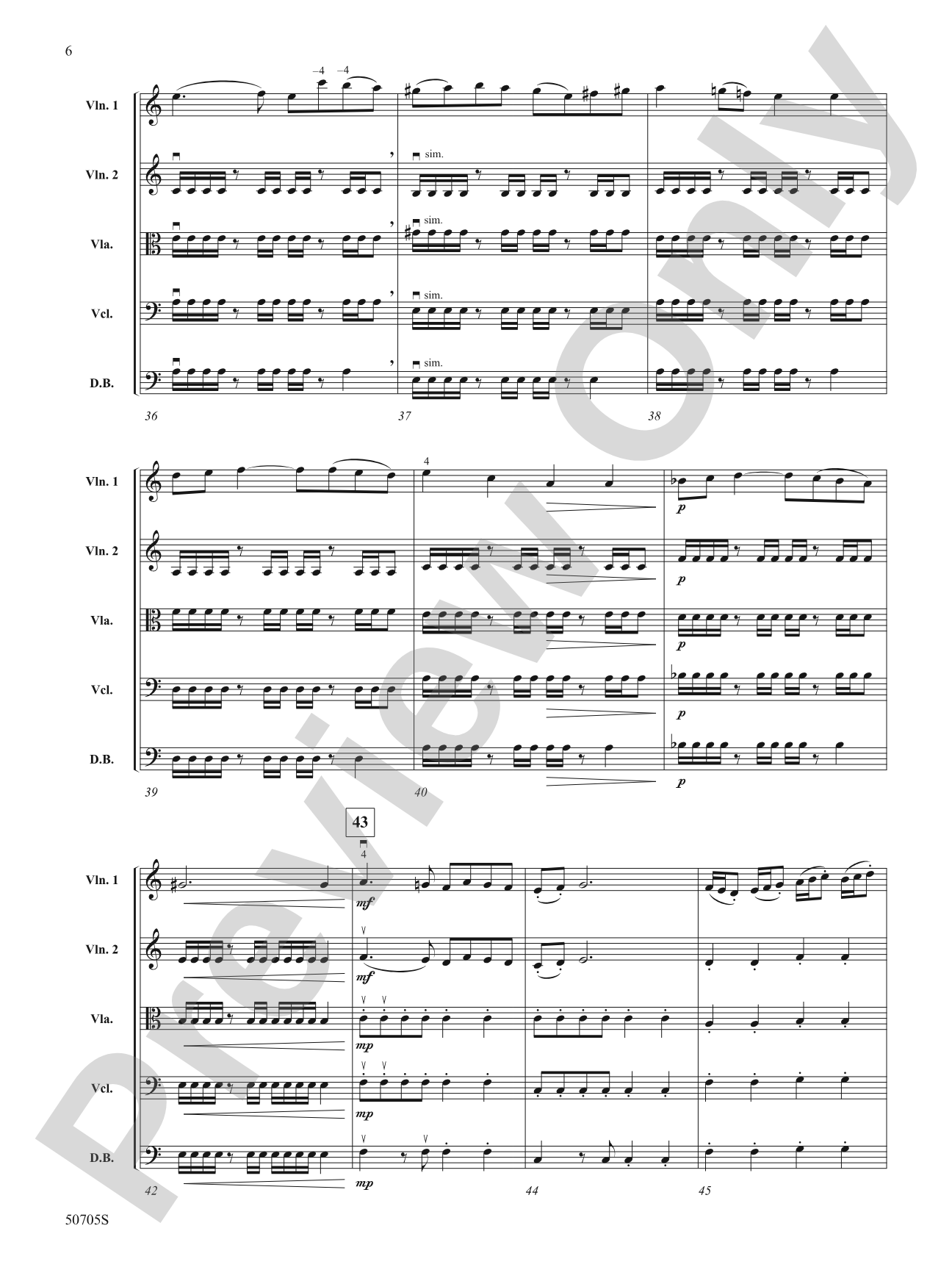
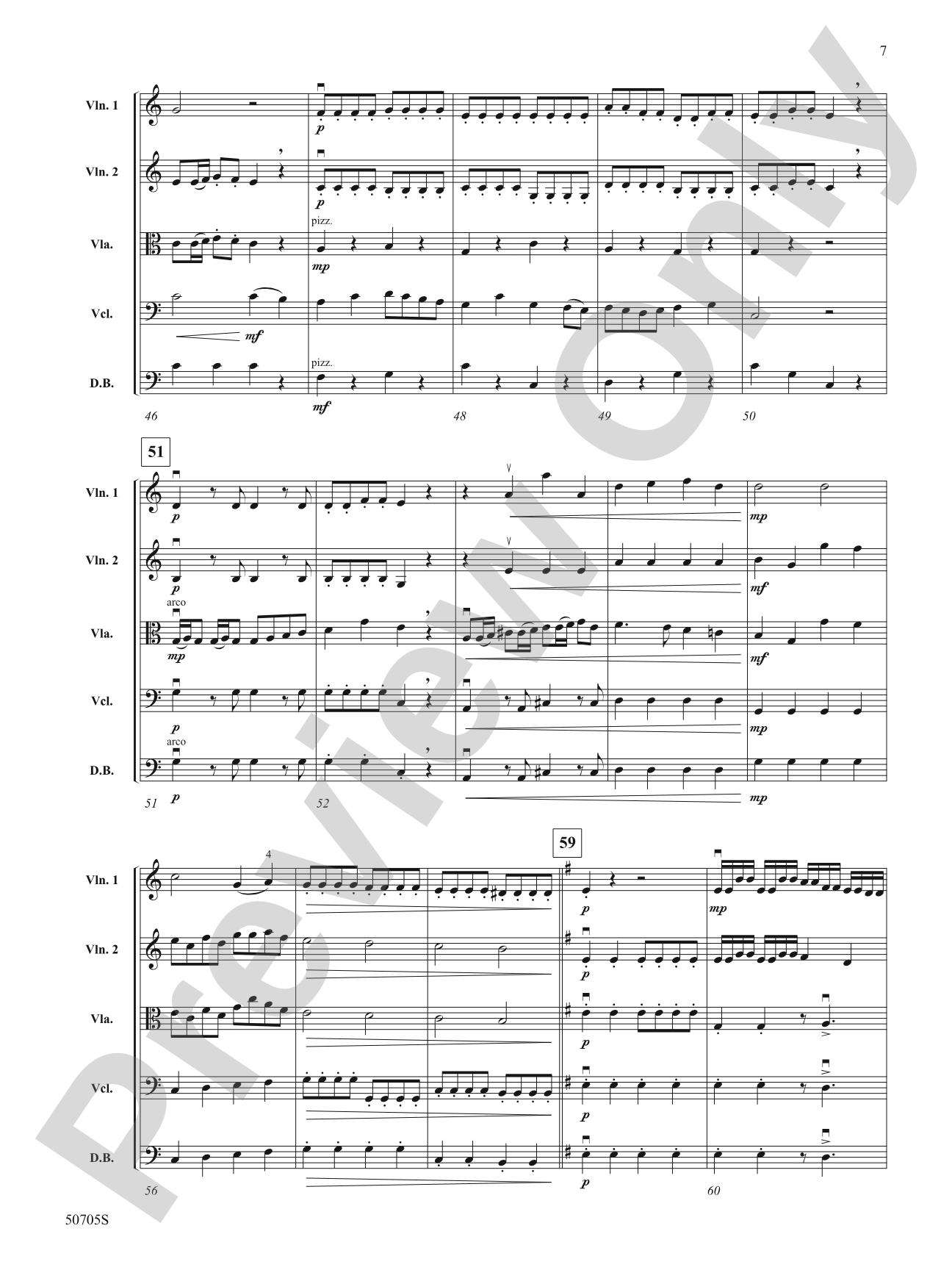
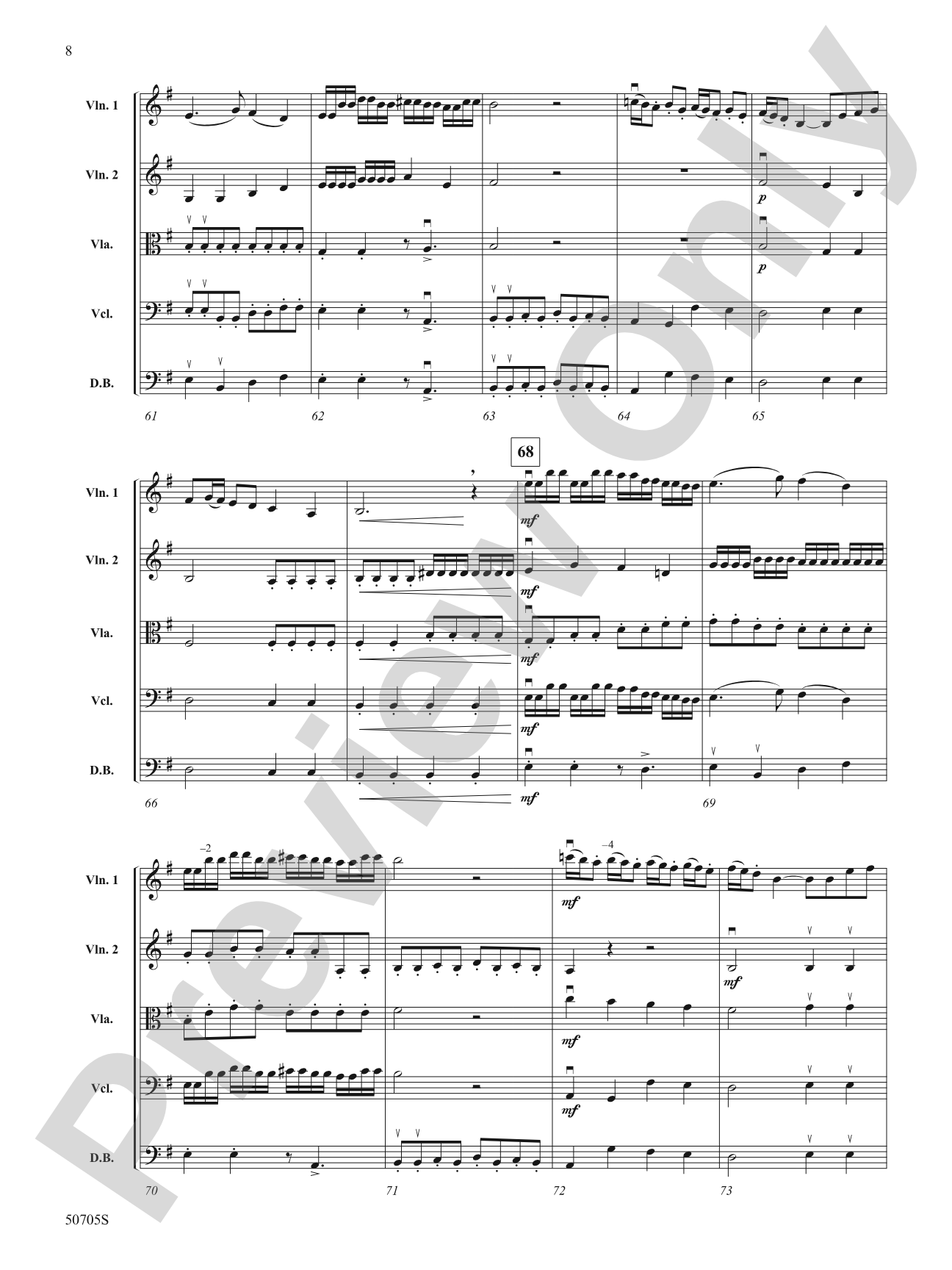
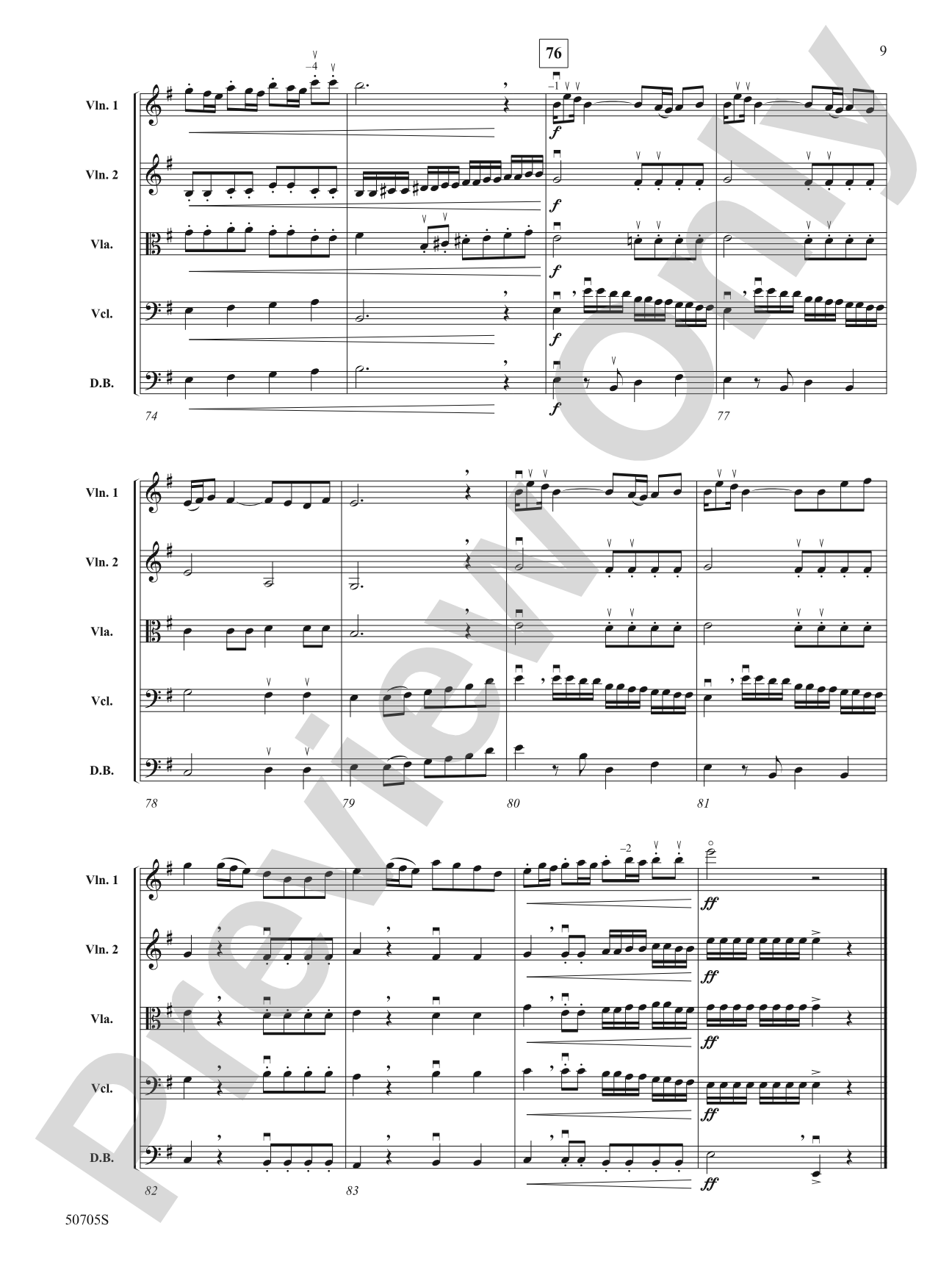
Feel the rush of adrenaline in this exciting work by Australian composer Neridah Oostenbroek! A spirited melody combines with a highly rhythmic background to create a sense of energy and momentum throughout each section. Included are many opportunities to explore more advanced techniques and musicality. Engaging from the first note to the final measure! (3:00)


Don't just read it, hear it, play along with it, and watch your students grow with it. In MakeMusic Cloud, Rush: String Orchestra Conductor Score & Parts comes alive with professional accompaniment, adjustable tempo, and built-in practice tools that turn solo practice into real progress.
Open in the Player
Jump straight in and assign it today.
Start Your Free Trial
Open this title and explore the full library in minutes.
Sample Audio
1
Audio File
--:--
0:00
0:00
Sample Video
Additional Details
Series:
MakeMusic Symphony Strings
Publisher:
MakeMusic Publications
SKU:
00-PK-0008790
More about this title
About the Composer: Neridah Oostenbroek

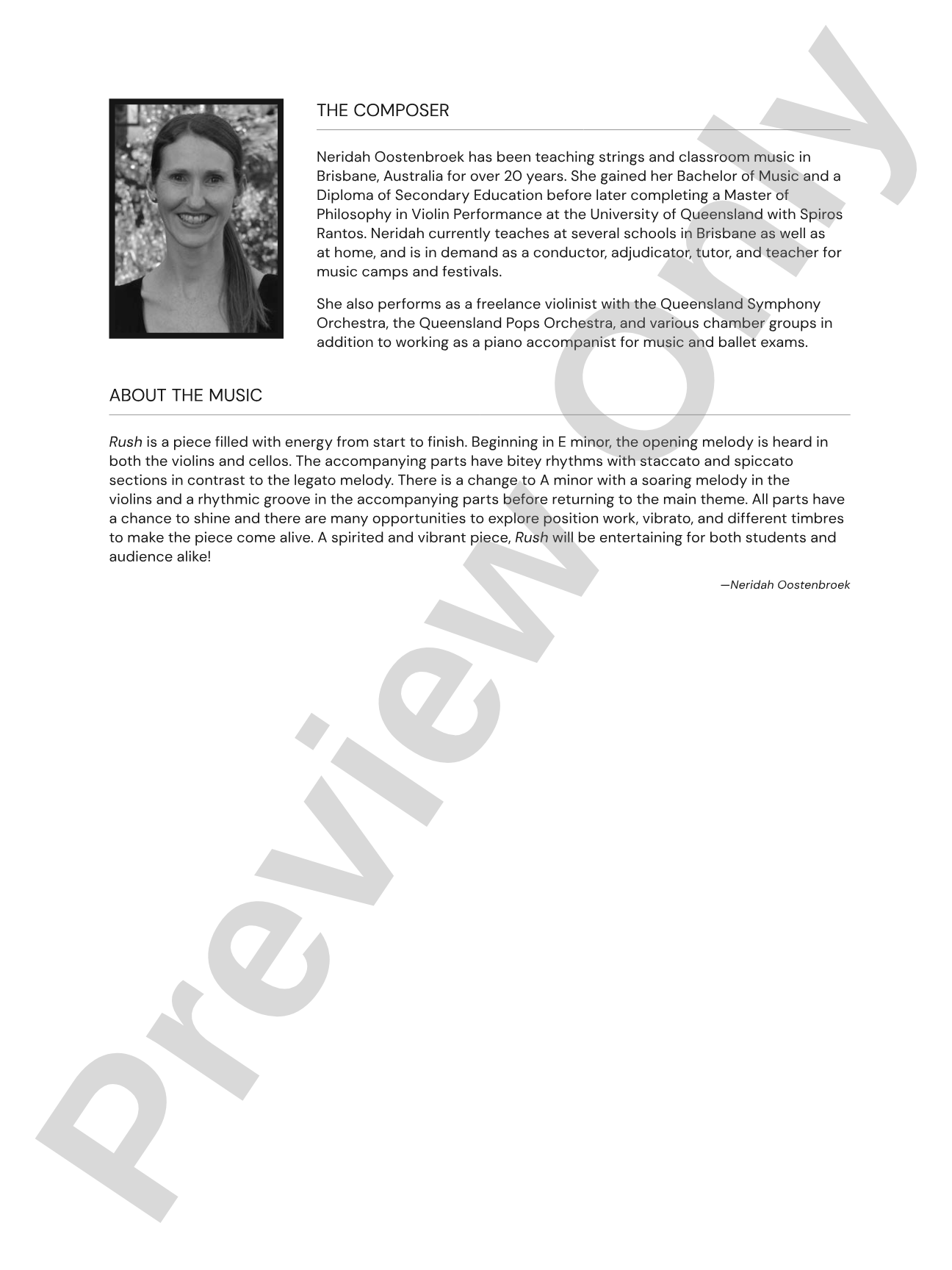
Neridah Oostenbroek brings two decades of string teaching and conducting experience to her compositions, working across multiple Brisbane schools and private studios. She earned her Bachelor of Music and Diploma of Secondary Education before pursuing advanced study at the University of Queensland, where she completed a Master of Philosophy in Violin Performance under Spiros Rantos.
Beyond the classroom, Oostenbroek maintains an active performing life as a freelance violinist with the Queensland Symphony Orchestra, Queensland Pops Orchestra, and chamber ensembles, while also serving as a piano accompanist for music and ballet examinations. Her work as a conductor, adjudicator, and clinician at music camps and festivals keeps her closely connected to the needs and capabilities of young musicians.
Why we love this
Oostenbroek writes with genuine understanding of what energizes young string players. The balance between a compelling melody and propulsive rhythmic accompaniment creates forward motion without requiring virtuosic technique, making this piece as satisfying to perform as it is to conduct. At Grade 3, it delivers real musicality and structural interest while remaining accessible for developing orchestras.
What to expect
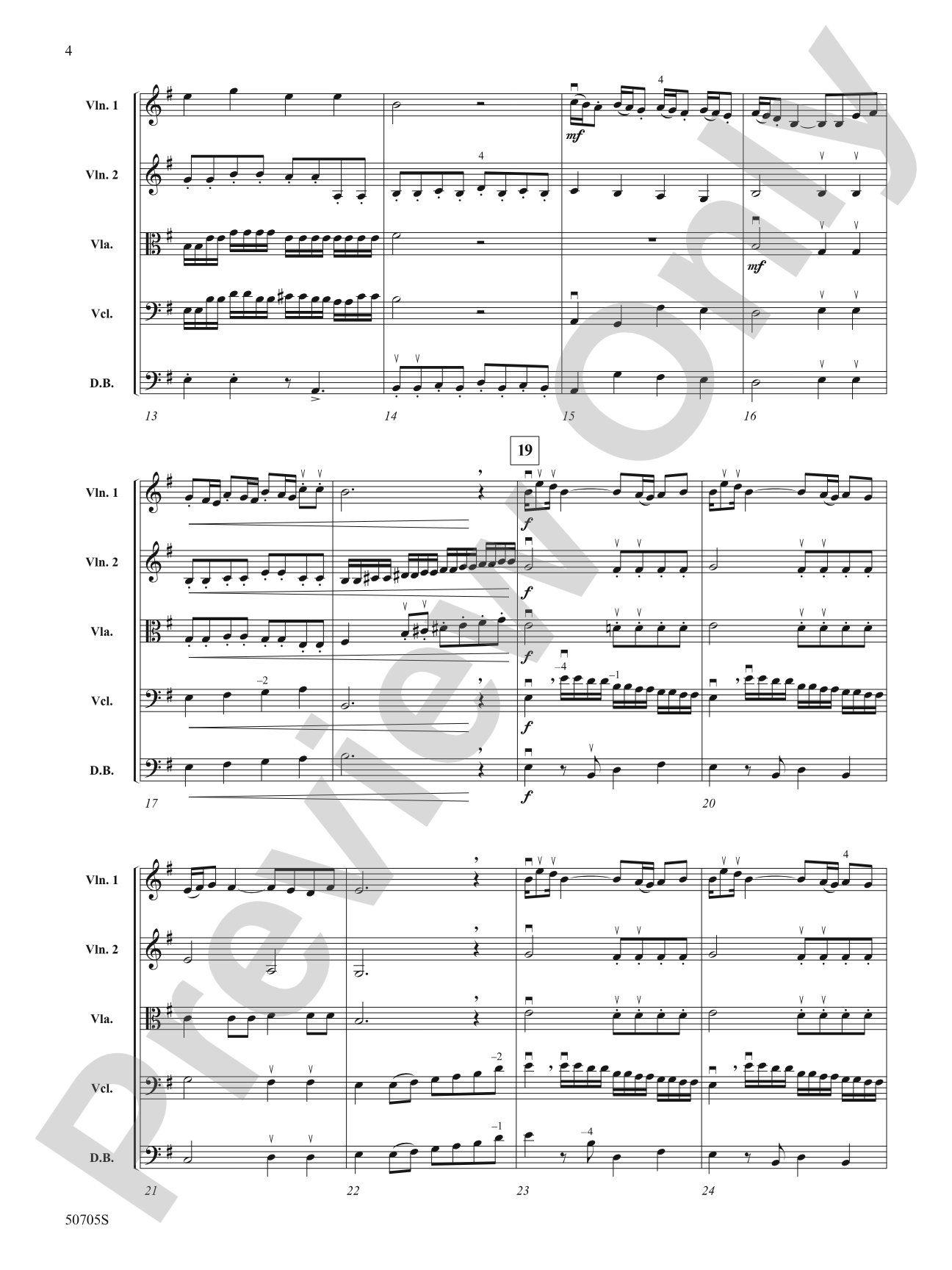
Adrenaline meets musicality. From the opening measure, a sense of forward propulsion drives the piece, built on the interplay between an infectious melody and a rhythmically alive background that refuses to settle. The energy sustains throughout, carried by dynamic shifts and strategic textural changes that keep both players and listeners engaged.
Who it's for
String orchestras at the intermediate level who are ready to tackle engaging ensemble writing with more sophisticated rhythmic and textural demands. This work suits groups preparing for festival or contest performance and wanting to program a contemporary piece with immediate appeal.
How to get the most out of it
- Establish the pulse through the rhythmic background figures before bringing in the melody; the drive of this piece comes from rhythmic precision and ensemble cohesion rather than tempo alone.
- Shape the spirited melody with clear phrasing while maintaining the steady energy of the accompanying sections; avoid letting the accompaniment players rush ahead.
- Use dynamic contrast between sections to emphasize the sense of momentum; pull back slightly on the accompaniment when the melody takes the foreground, then build again as the texture thickens.
- Balance bow pressure and articulation across the string sections so rhythmic figures land cleanly without drowning out the melodic line.
How to use it
Program this as a concert opener or centerpiece to showcase your orchestra's rhythmic precision and ensemble maturity. It pairs well on festival programs with more lyrical or classical works, providing stylistic contrast and demonstrating your group's range. The three-minute duration makes it an ideal choice for adjudicated festivals where programming flexibility matters.
Skills your students will build
- Maintaining rhythmic precision in syncopated and driving accompaniment figures
- Balancing independent rhythmic lines within a cohesive ensemble texture
- Shaping a melodic line while keeping awareness of accompaniment momentum
- Dynamic control and sectional balance across varying textural densities
- Contemporary music literacy and ensemble flexibility