
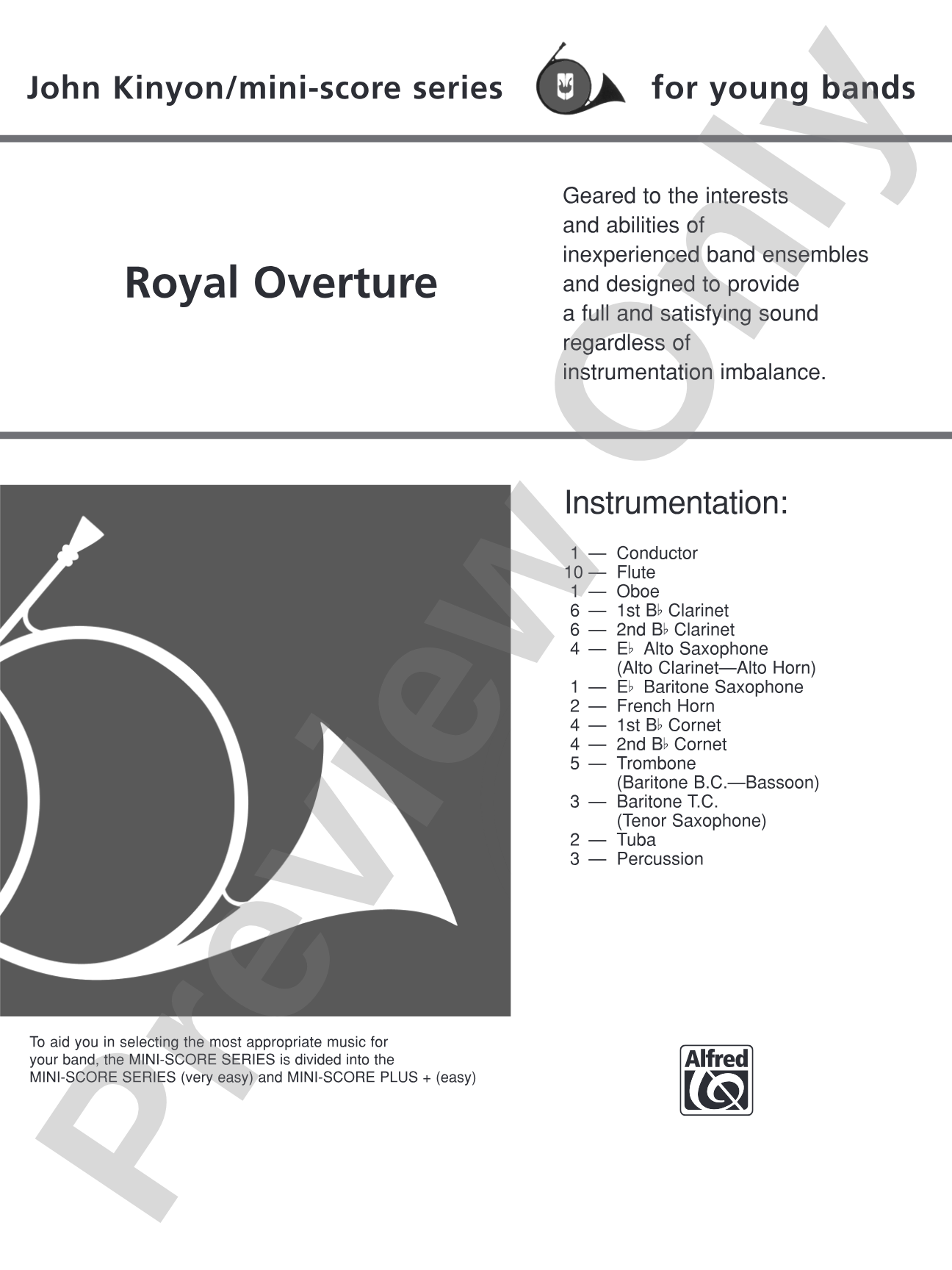


Royal Overture: Concert Band Conductor Score & Parts
By John Kinyon
Grade: 1 (Very Easy)
Item: 00-PK-0001886

$42.00
Pickup currently not available
Buy Extra Parts (Digital PDF Download)
| Product | Price | Quantity |
|---|---|---|
| Royal Overture: Score | $7.00 | |
| Royal Overture: Flute | $3.00 | |
| Royal Overture: Oboe | $3.00 | |
| Royal Overture: 1st B-flat Clarinet | $3.00 | |
| Royal Overture: 2nd B-flat Clarinet | $3.00 | |
| Royal Overture: E-flat Alto Saxophone | $3.00 | |
| Royal Overture: E-flat Baritone Saxophone | $3.00 | |
| Royal Overture: 1st F Horn | $3.00 | |
| Royal Overture: 1st B-flat Cornet | $3.00 | |
| Royal Overture: 2nd B-flat Cornet | $3.00 | |
| Royal Overture: 1st Trombone | $3.00 | |
| Royal Overture: Baritone T.C. | $3.00 | |
| Royal Overture: Tuba | $3.00 | |
| Royal Overture: 1st Percussion | $3.00 |
Parts Added to Cart!
Description
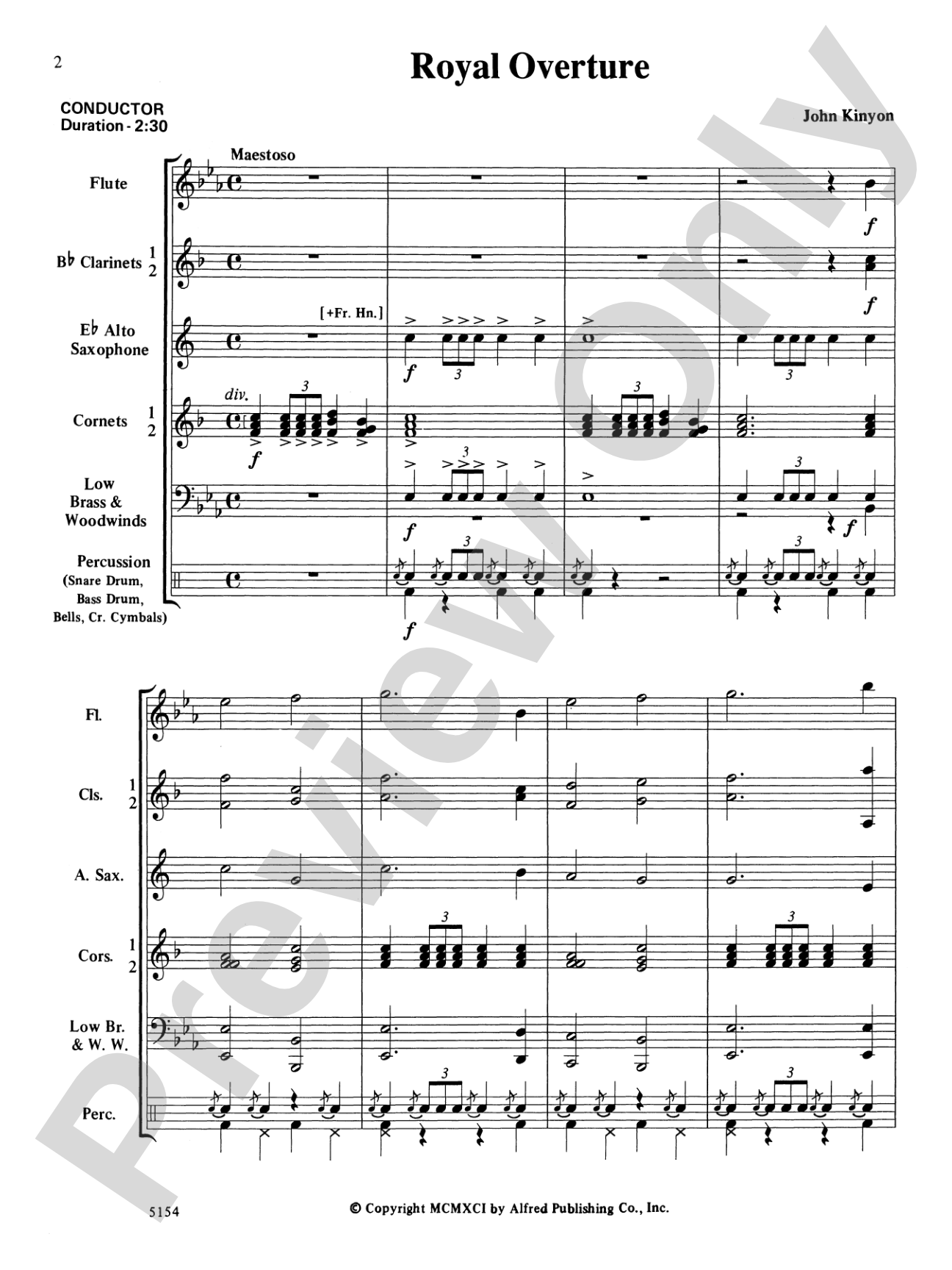
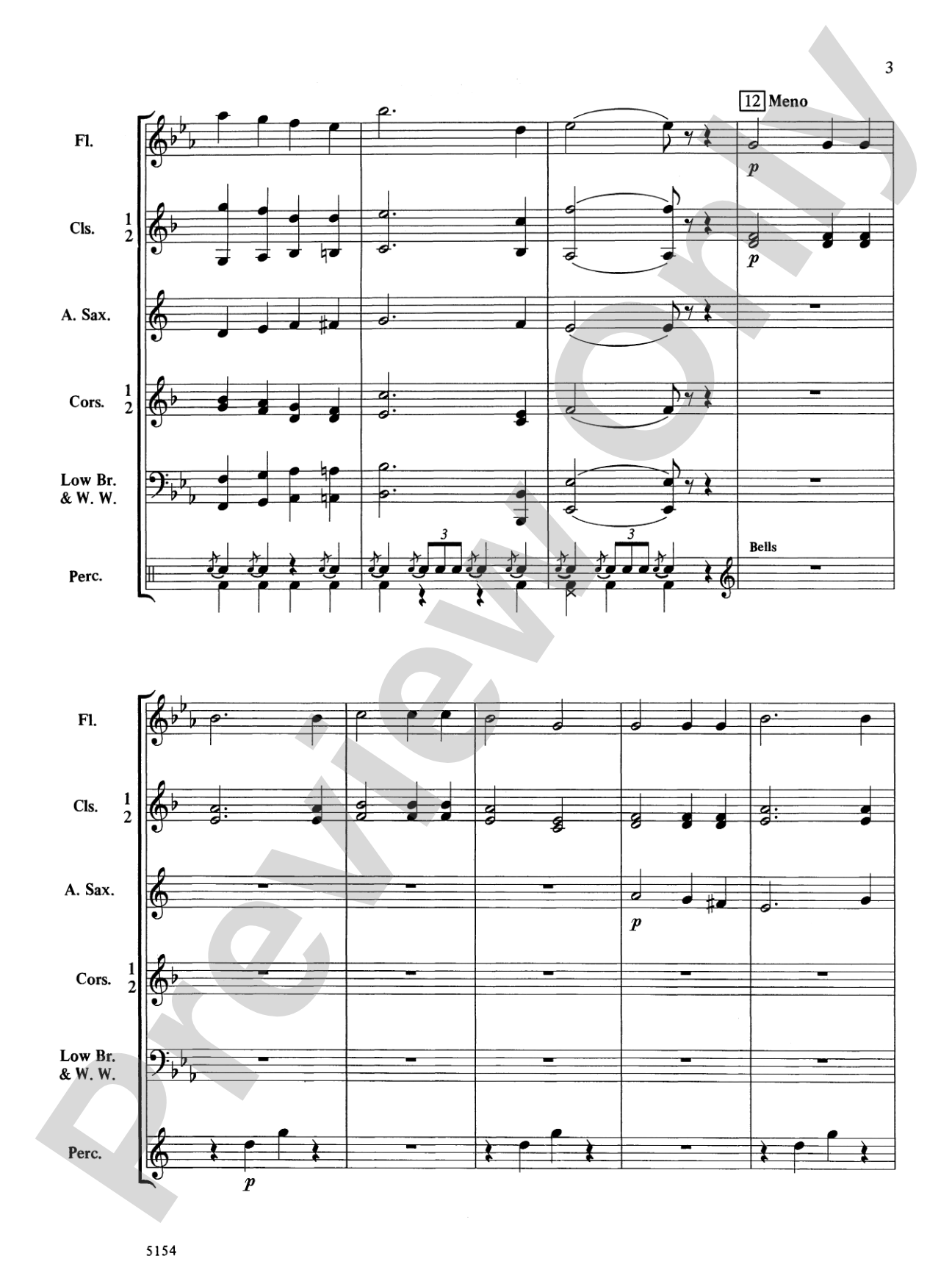
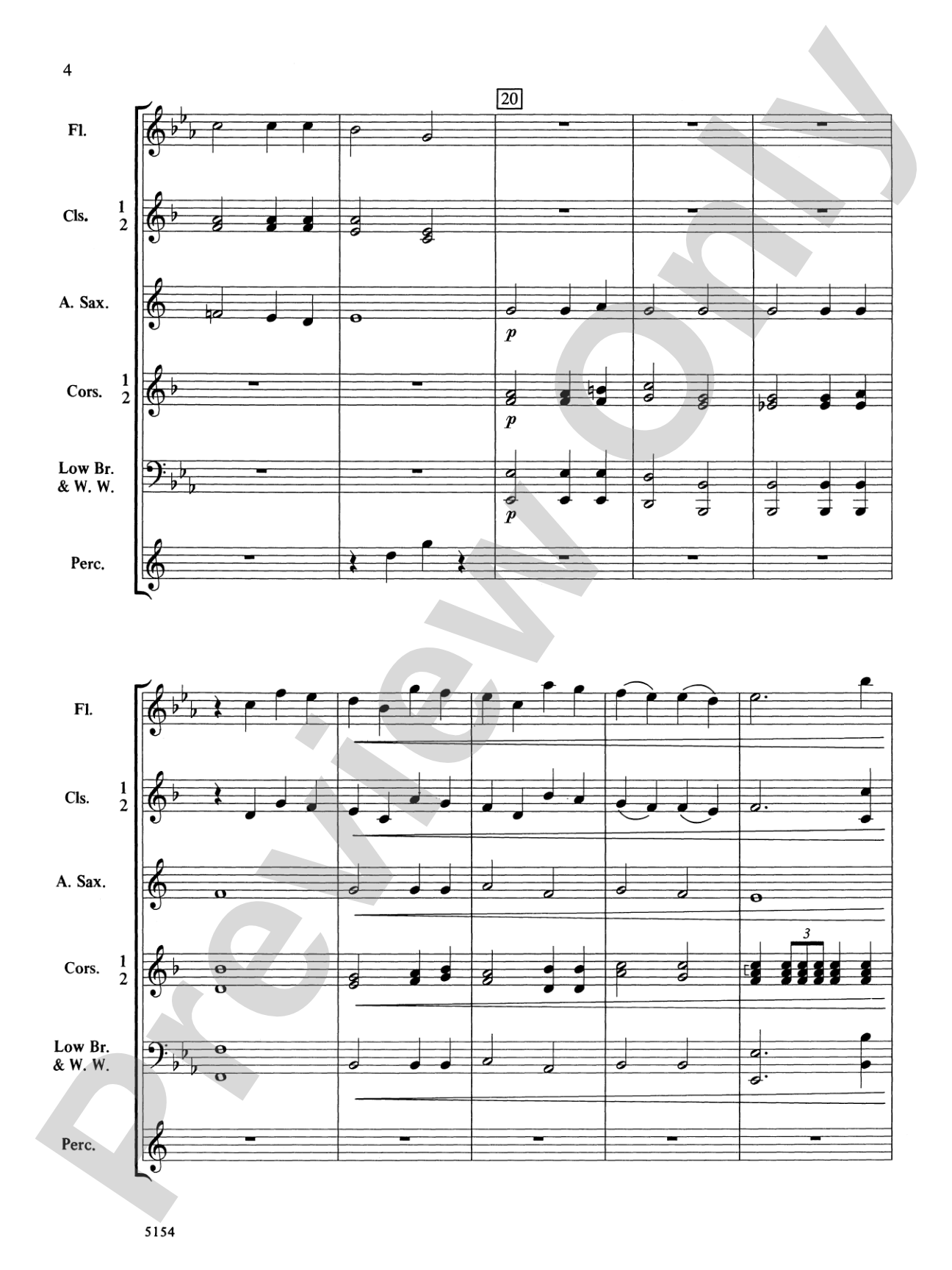
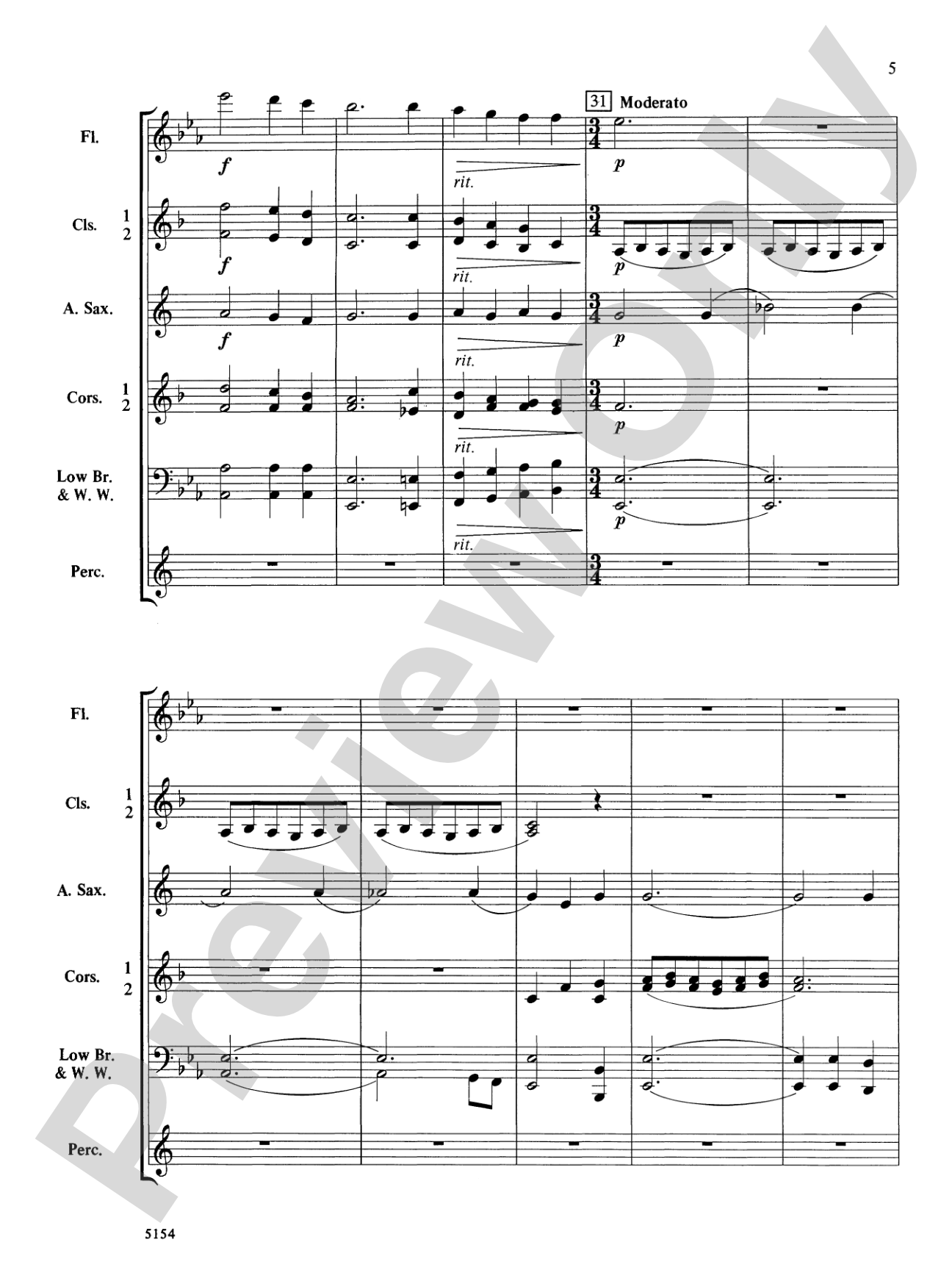
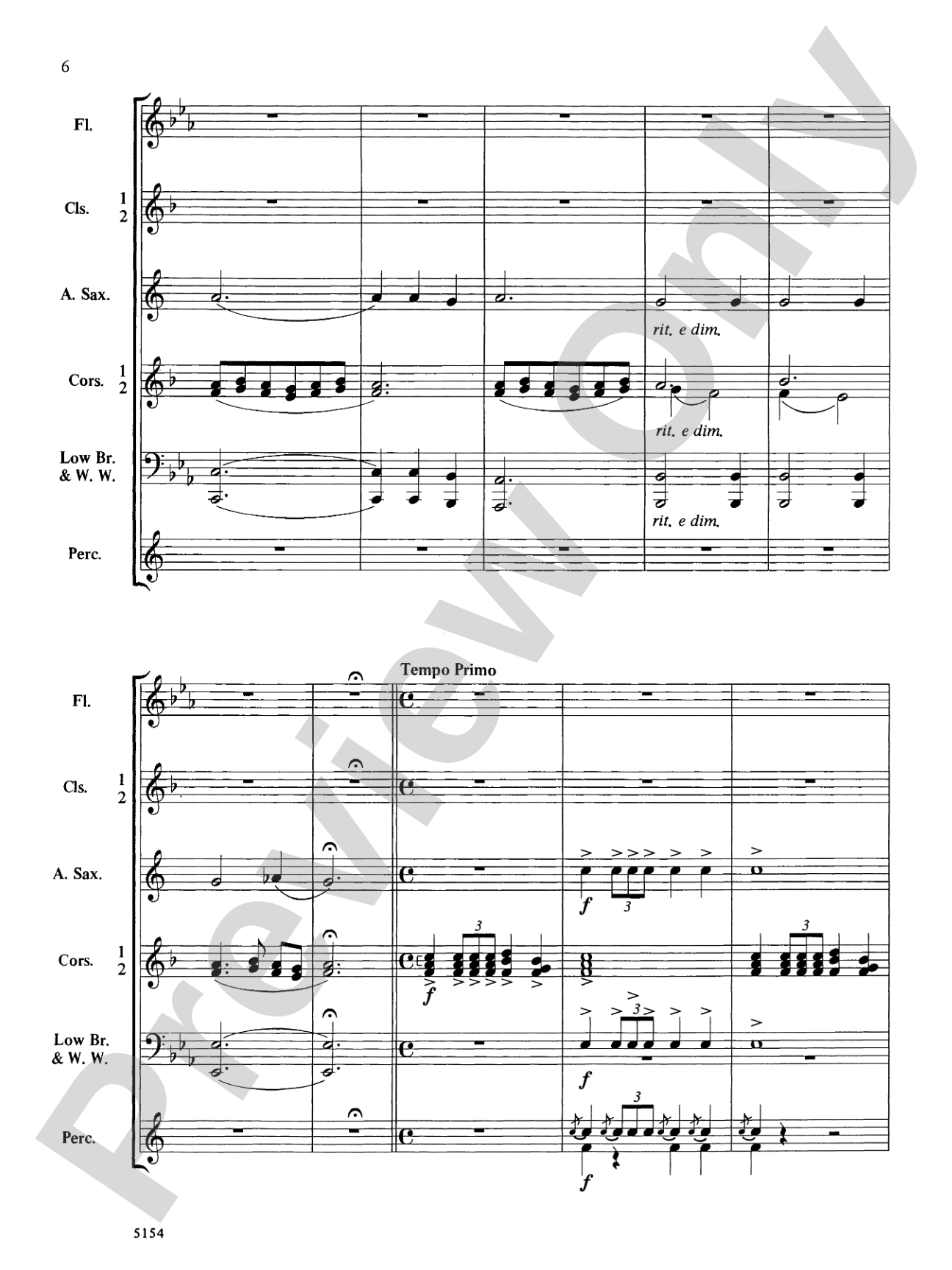
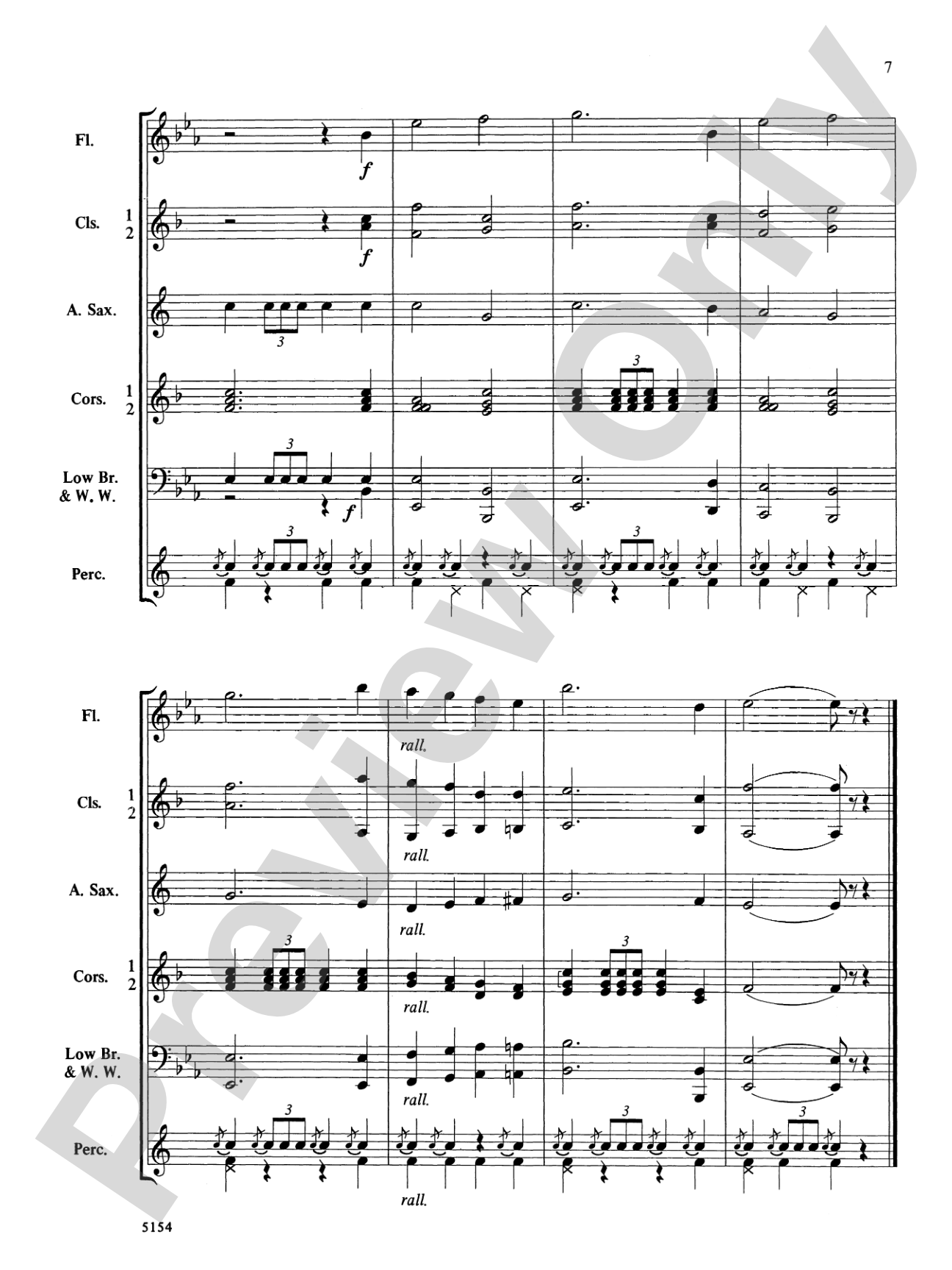
Let the trumpets sound! If you want a really dramatic sounding piece for your beginning band, this majestic overture is ideal. Cornets begin with a heralding introduction that is contrasted by low brass and percussion rhythmic punches. When the woodwinds join in, the effect is magnificent! A pleasant flute melody then enters, leading the listener through a stately journey that culminates in a restatement of the introductory herald and a triumphant ending. (Grade 1)


Don't just read it, hear it, play along with it, and watch your students grow with it. In MakeMusic Cloud, Royal Overture: Concert Band Conductor Score & Parts comes alive with professional accompaniment, adjustable tempo, and built-in practice tools that turn solo practice into real progress.
Open in the Player
Jump straight in and assign it today.
Start Your Free Trial
Open this title and explore the full library in minutes.
Sample Audio
1
Audio File
--:--
0:00
0:00
Sample Video
No sample videos found.
Additional Details
Series:
Mini Score Series
Publisher:
Alfred Music
Page Count:
102
SKU:
00-PK-0001886
More about this title
About the Composer: John Kinyon

John Kinyon studied at Ithaca College and the Eastman School of Music, later earning an honorary doctorate from Limestone College. His career spans classroom teaching, district leadership, music publishing direction at Warner Brothers Music in New York, and university-level instruction in music education at the University of Miami.
Kinyon has composed more than 250 works for Alfred Music, establishing himself as a cornerstone voice in educational repertoire. His catalog spans grades 1 through 3 and encompasses marches, ballads, overtures, and other forms, all written with a sharp understanding of what beginning and intermediate ensembles need to sound and feel accomplished.
Why we love this
Royal Overture delivers the dramatic arc your beginning band craves without asking for technical complexity beyond their reach. The sectional writing lets you build confidence through high-profile moments—cornets get a heroic introduction, low brass gets rhythmic power, and flutes eventually carry a genuine melody—so every section feels integral rather than ornamental.
What to expect
Ceremonial and processional, with a stately dignity that invites audiences to listen closely. The cornet call evokes royal fanfares; the low brass punctuation grounds the sound with gravitas; and the flowing flute melody provides a moment of lyrical beauty before the triumphant return of the opening gesture creates a satisfying sense of arrival.
Who it's for
Beginning concert bands hungry for material that sounds ambitious without technical barriers. If your ensemble is still building fundamental ensemble skills, Royal Overture offers a piece that rewards careful attention to balance and phrasing while staying within a realistic difficulty range.
How to get the most out of it
- Bring out the cornet herald at the opening with a clear, bright sound; this announcement sets the piece's architectural foundation and should cut through the initial texture.
- Shape the low brass and percussion rhythmic punches as deliberate accents rather than heavy attacks; precision matters more than force at this level.
- Let the flute melody breathe when it enters; it's the emotional heart of the journey, so resist the urge to rush it even if younger players need a gentle tempo reminder.
How to use it
Program this as the centerpiece of an early-season concert when your band is still settling into fundamentals but ready to sound polished. Its theatrical character pairs well on a program with lighter selections or with other Kinyon works that share his accessible approach to orchestration.
Skills your students will build
- Balancing sectional textures (cornets, low brass, woodwinds) in layered writing
- Responding to clear formal structure (introduction, development, recapitulation)
- Executing rhythmic accuracy in low brass and percussion parts while maintaining ensemble cohesion
- Shaping melodic lines with appropriate phrasing and dynamics