
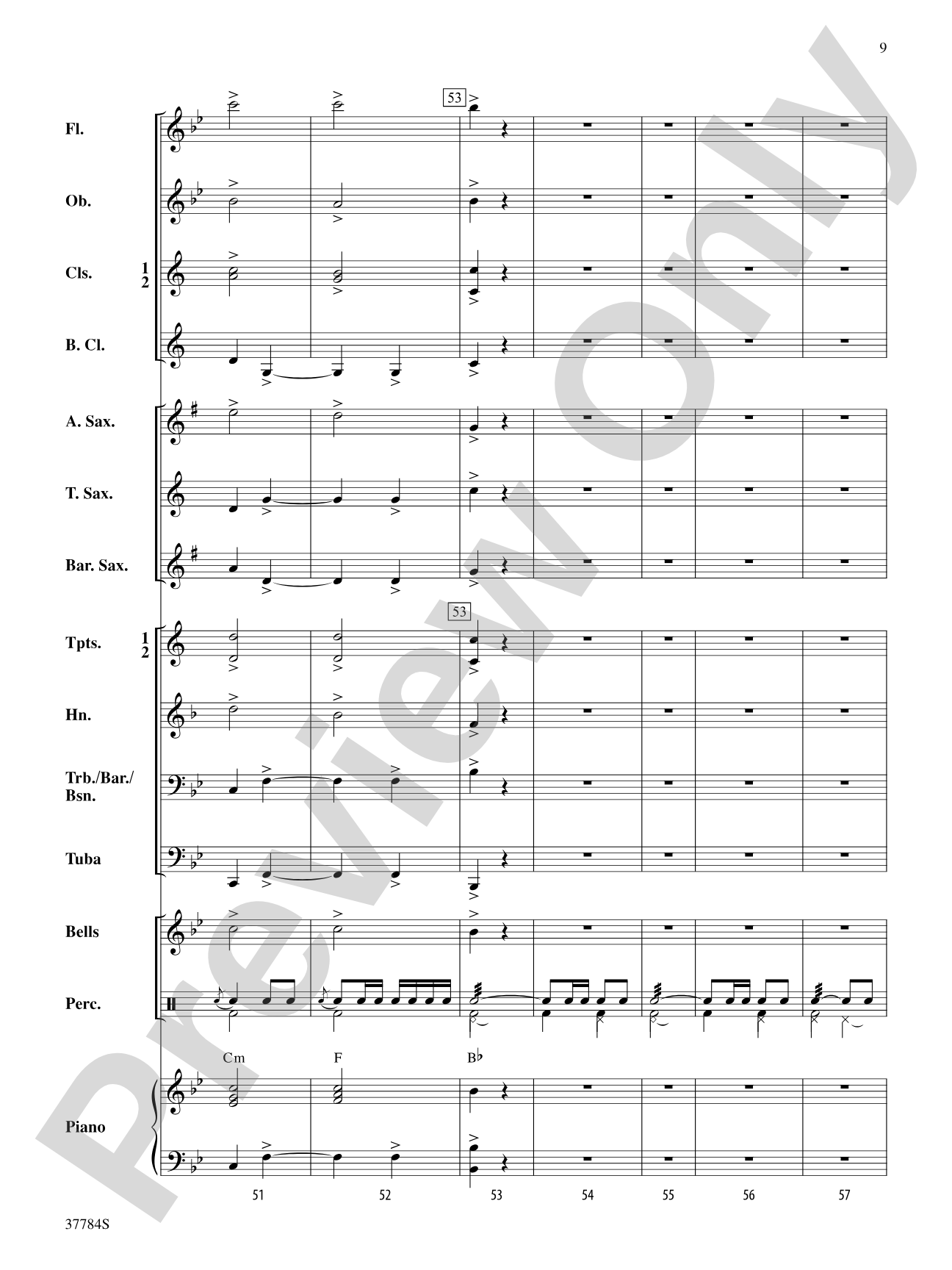
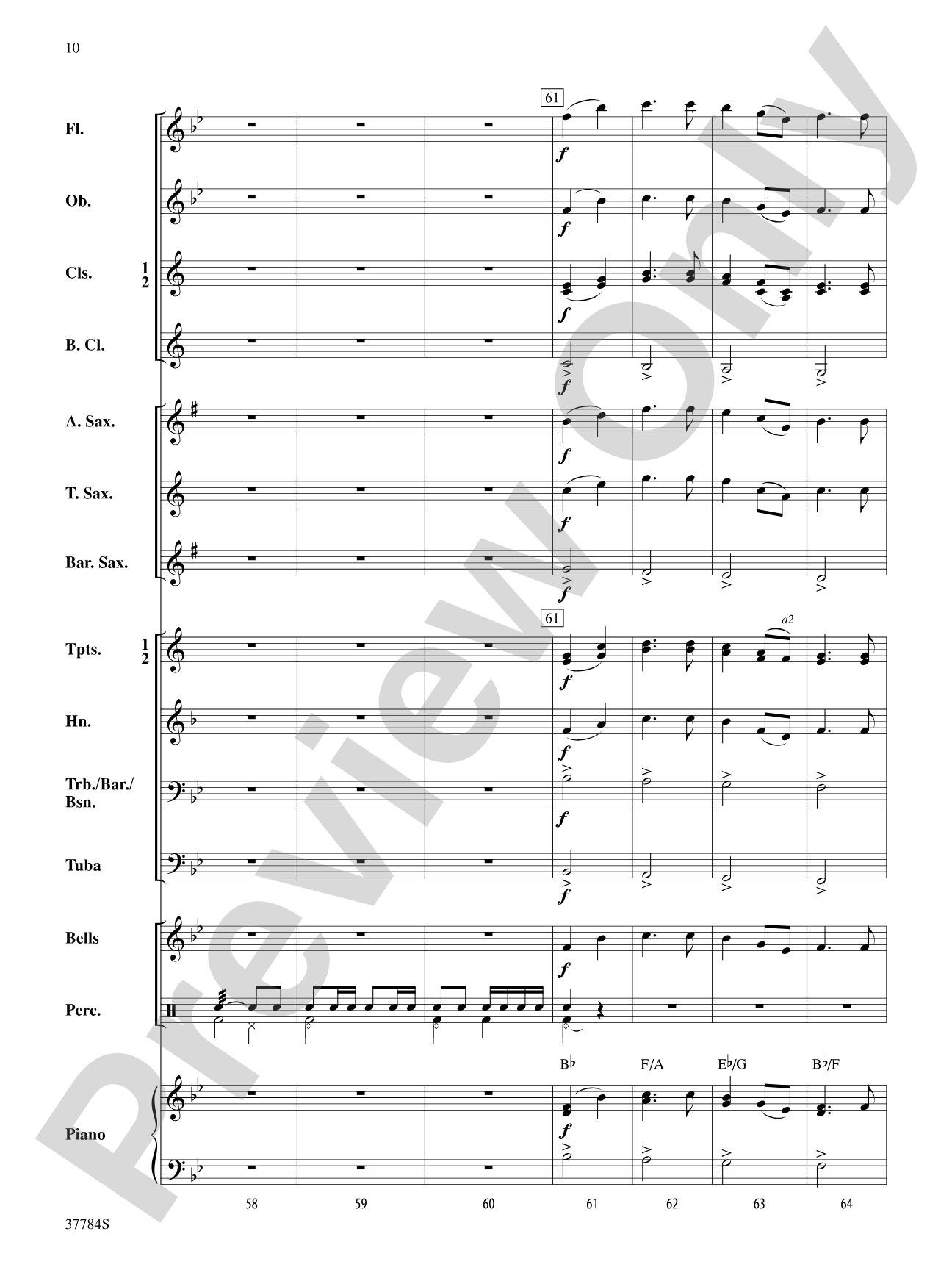
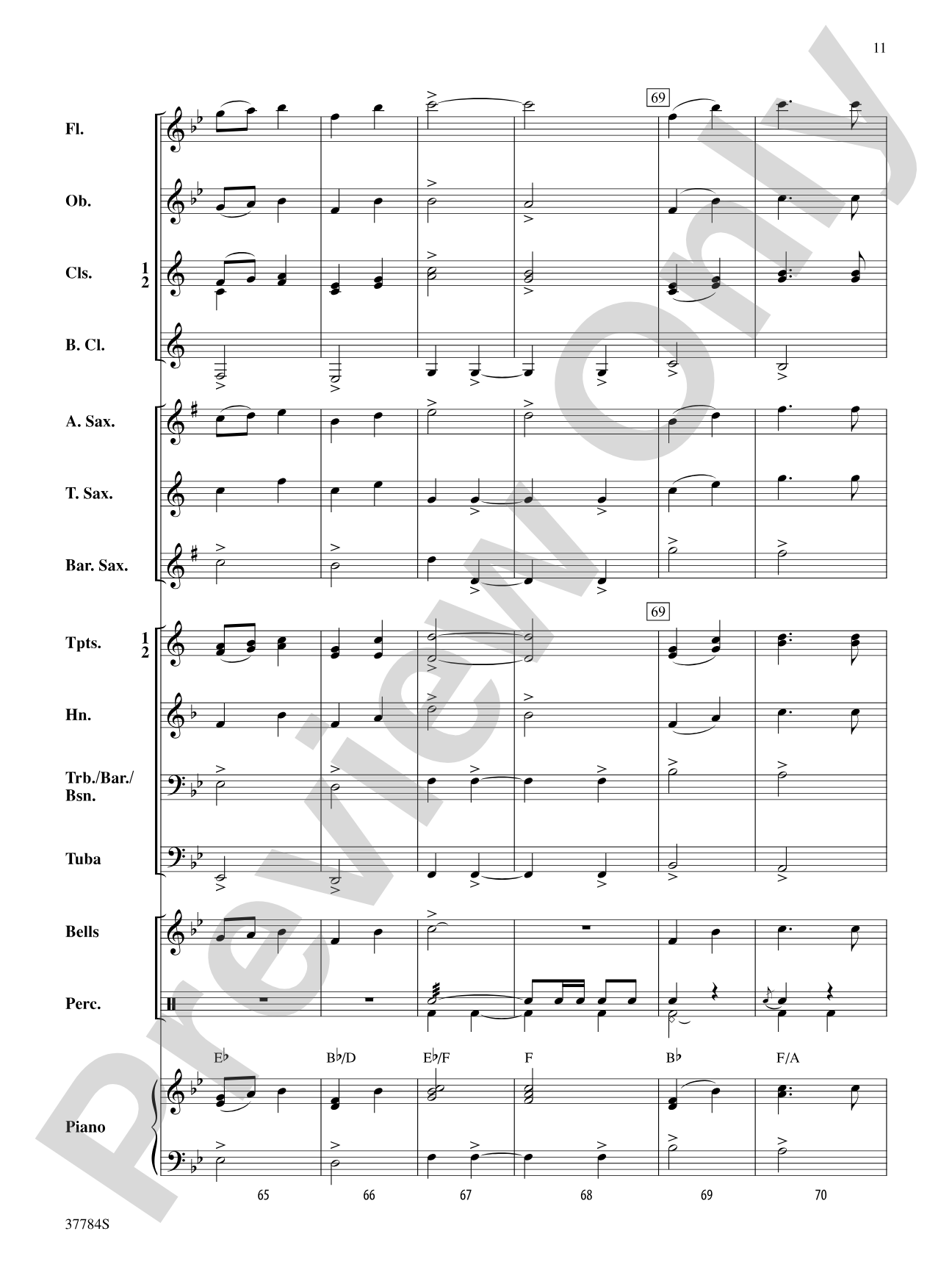
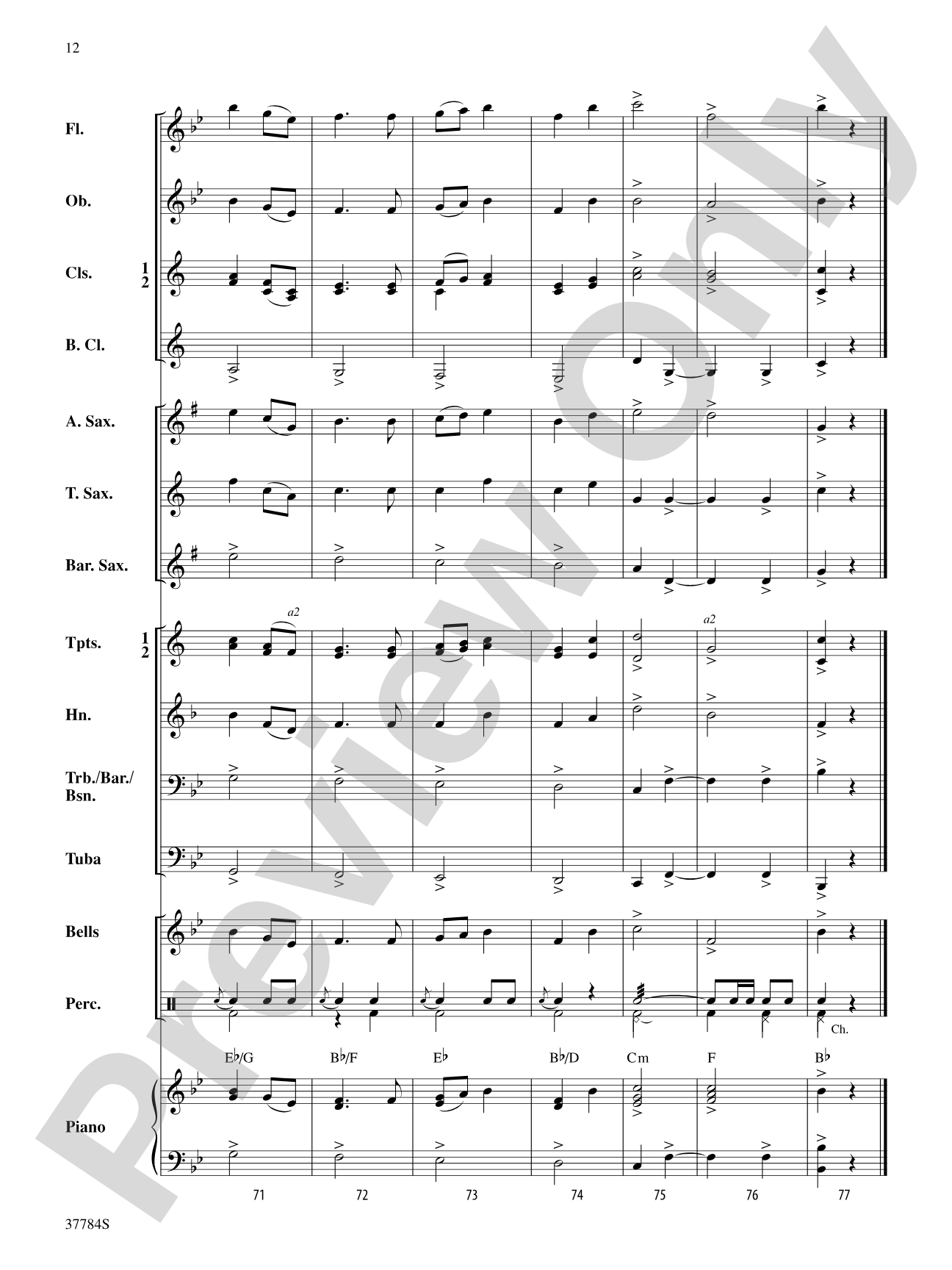

Royal March: Concert Band Conductor Score & Parts
By Robert Sheldon
Grade: 1 (Very Easy)
Item: 00-PK-0005059

$48.00
Pickup currently not available
Buy Extra Parts (Digital PDF Download)
| Product | Price | Quantity |
|---|---|---|
| Royal March: Score | $6.00 | |
| Royal March: Flute | $3.00 | |
| Royal March: Oboe | $3.00 | |
| Royal March: 1st B-flat Clarinet | $3.00 | |
| Royal March: 2nd B-flat Clarinet | $3.00 | |
| Royal March: B-flat Bass Clarinet | $3.00 | |
| Royal March: E-flat Alto Saxophone | $3.00 | |
| Royal March: B-flat Tenor Saxophone | $3.00 | |
| Royal March: E-flat Baritone Saxophone | $3.00 | |
| Royal March: 1st B-flat Trumpet | $3.00 | |
| Royal March: 2nd B-flat Trumpet | $3.00 | |
| Royal March: 1st F Horn | $3.00 | |
| Royal March: 1st Trombone | $3.00 | |
| Royal March: Baritone T.C. | $3.00 | |
| Royal March: Tuba | $3.00 | |
| Royal March: Bells | $3.00 | |
| Royal March: 1st Percussion | $3.00 | |
| Royal March: Piano Accompaniment | $3.00 |
Parts Added to Cart!
Description
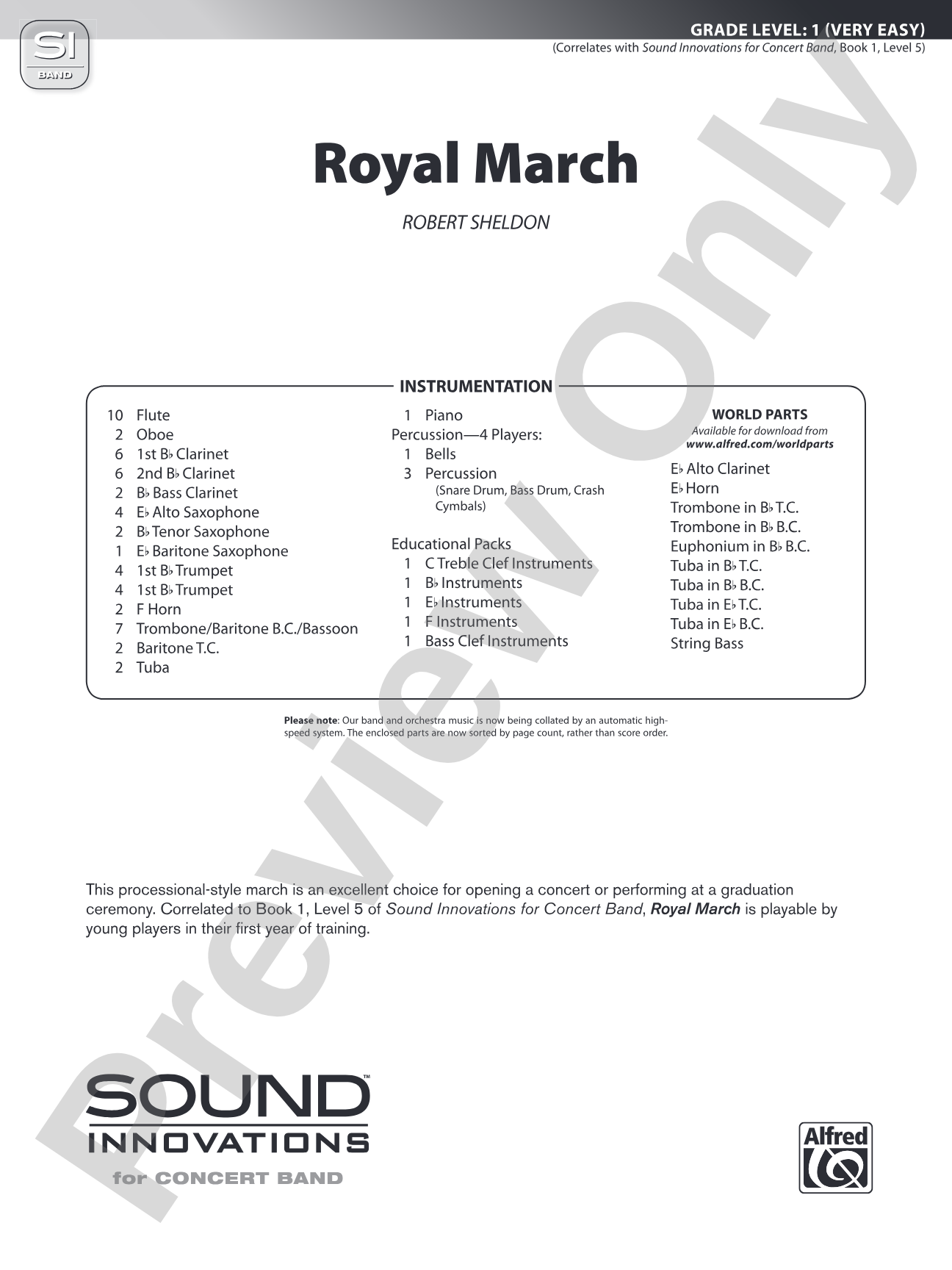
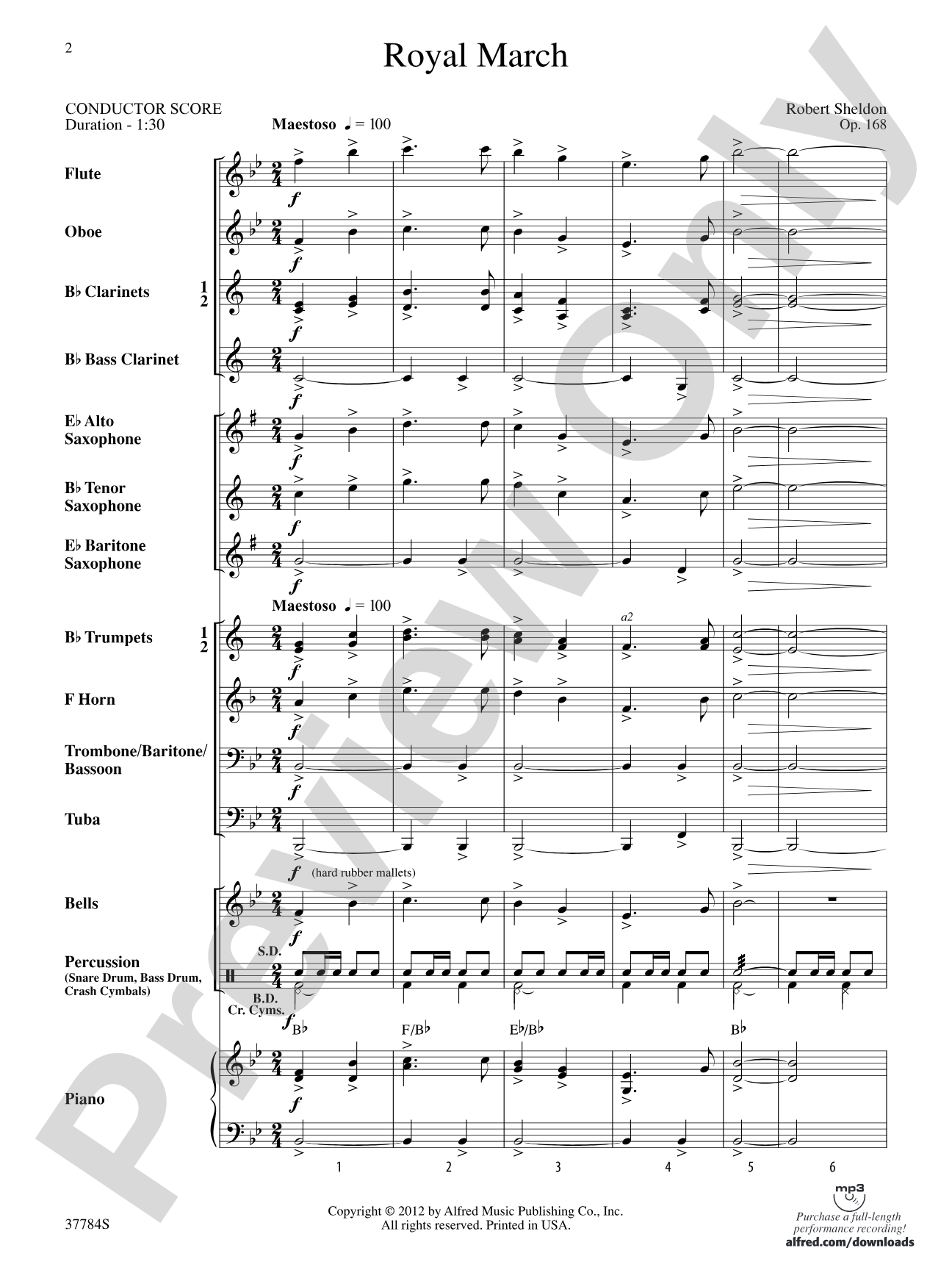
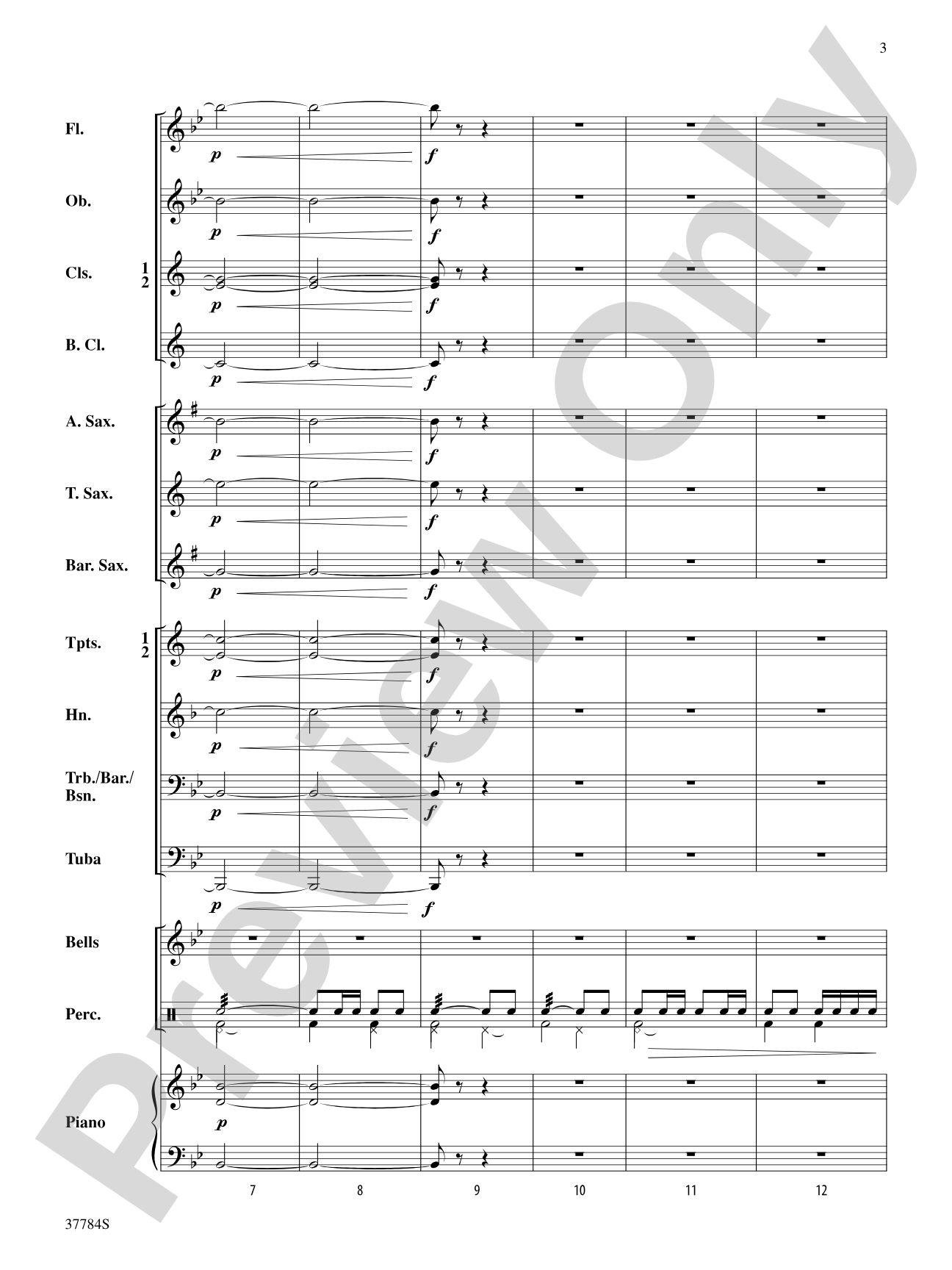
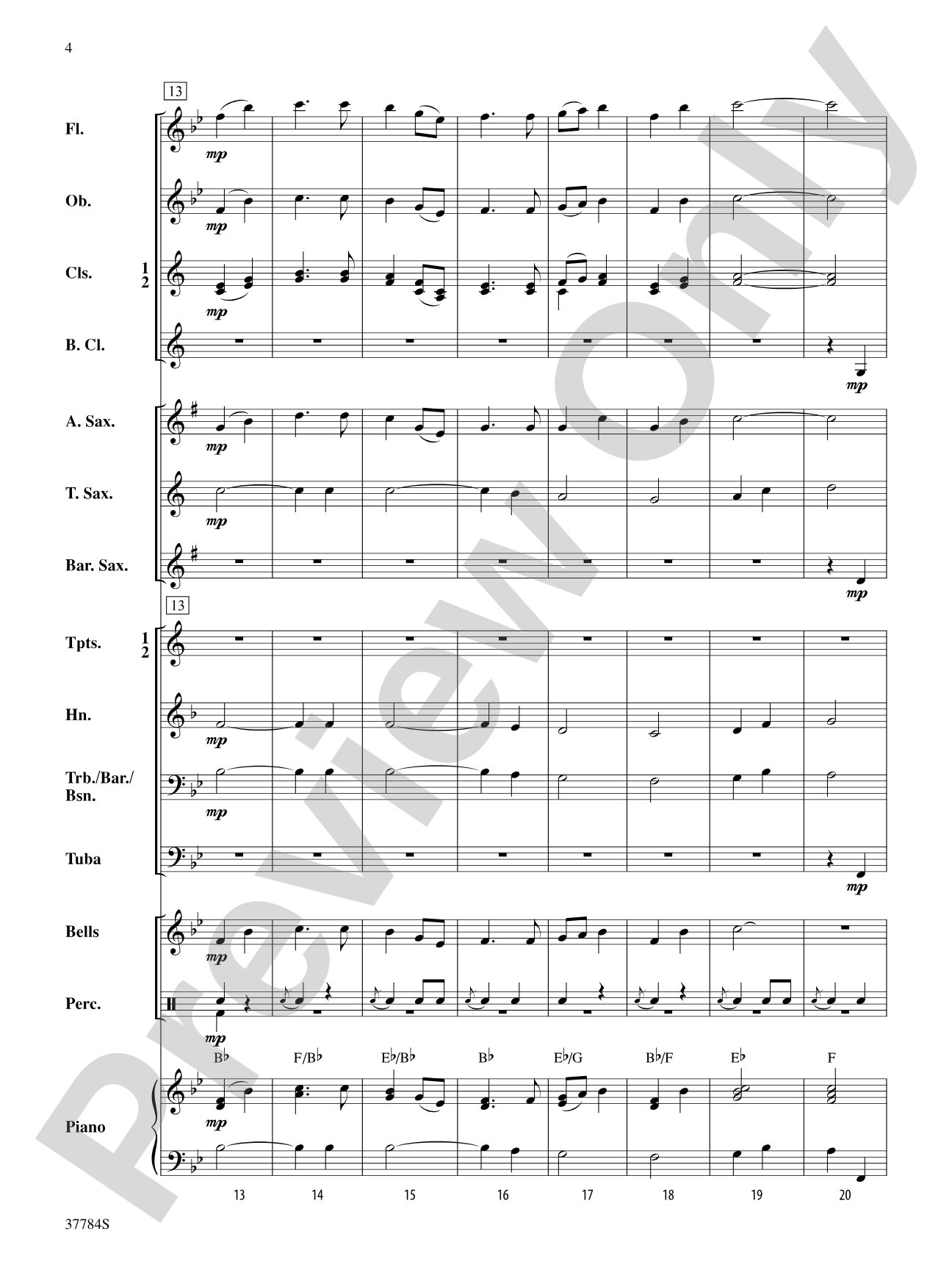
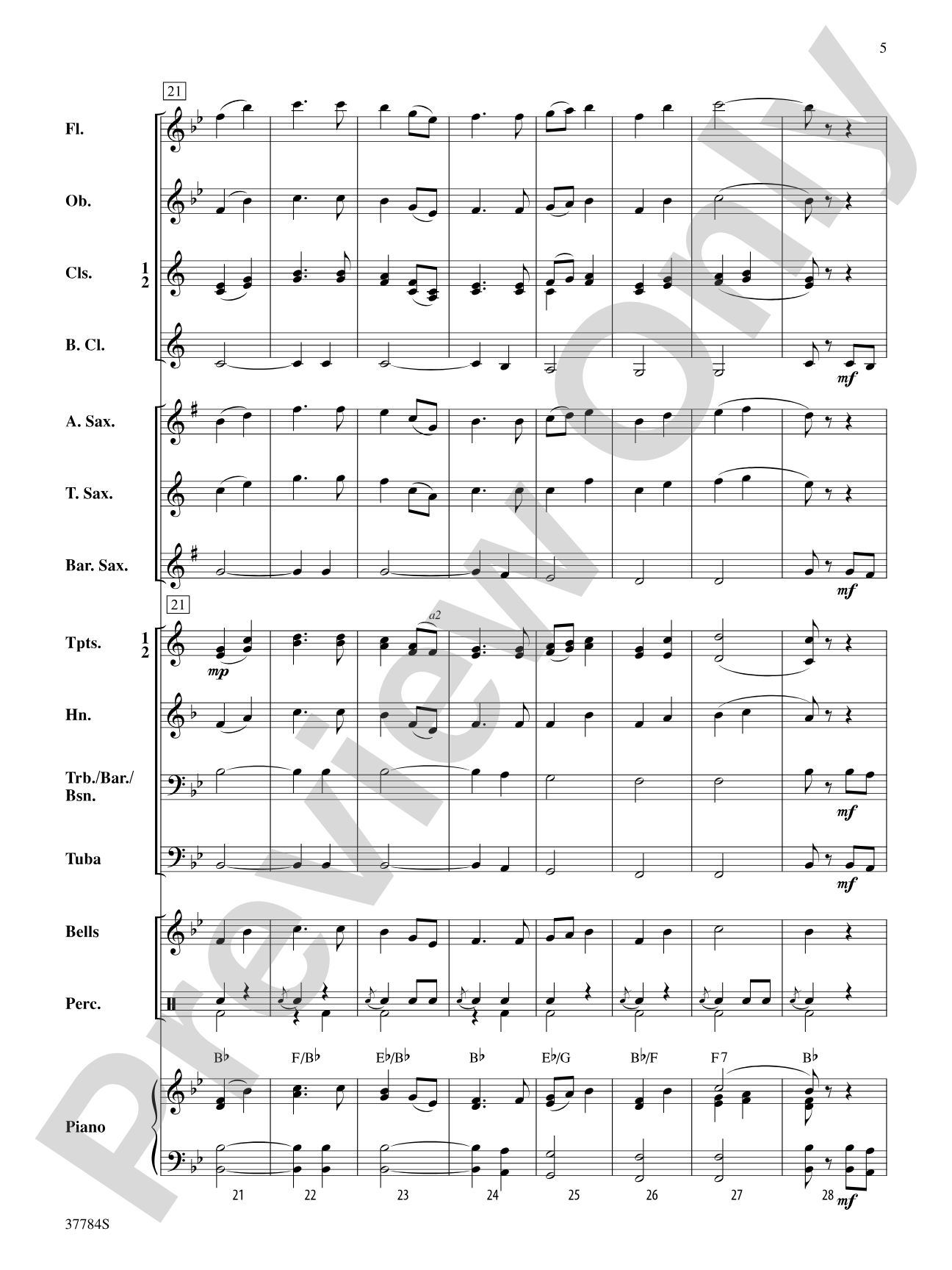
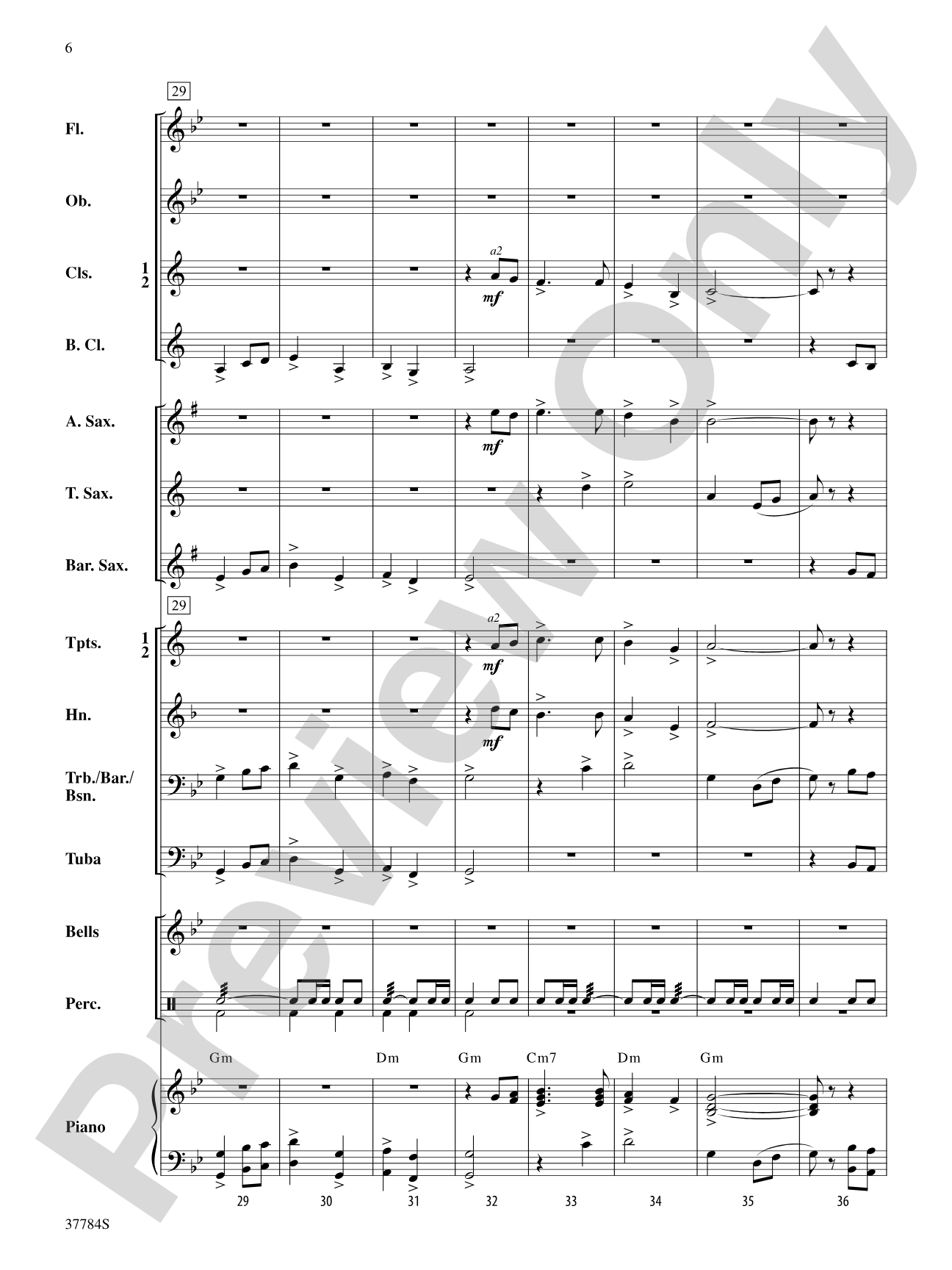
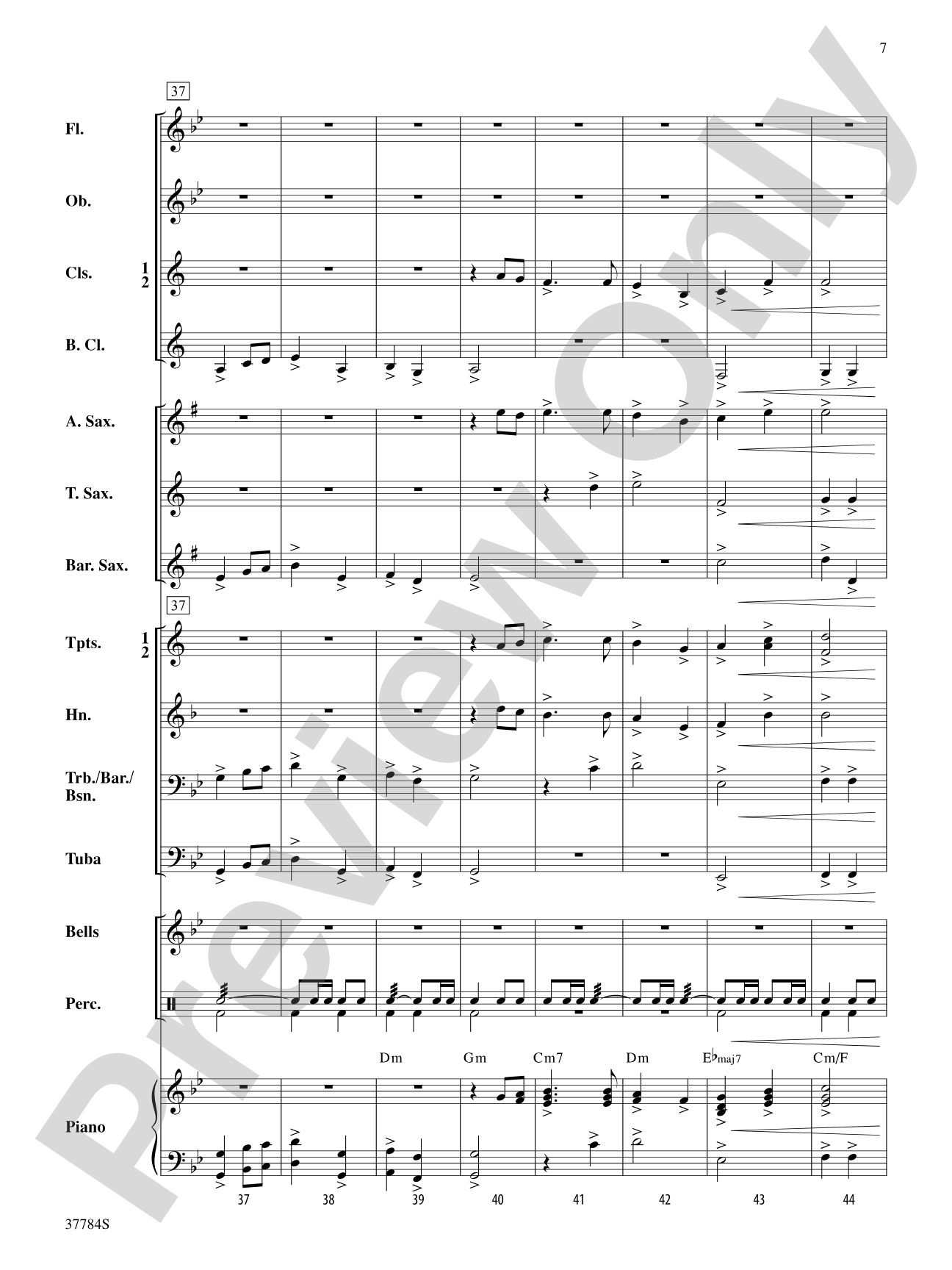
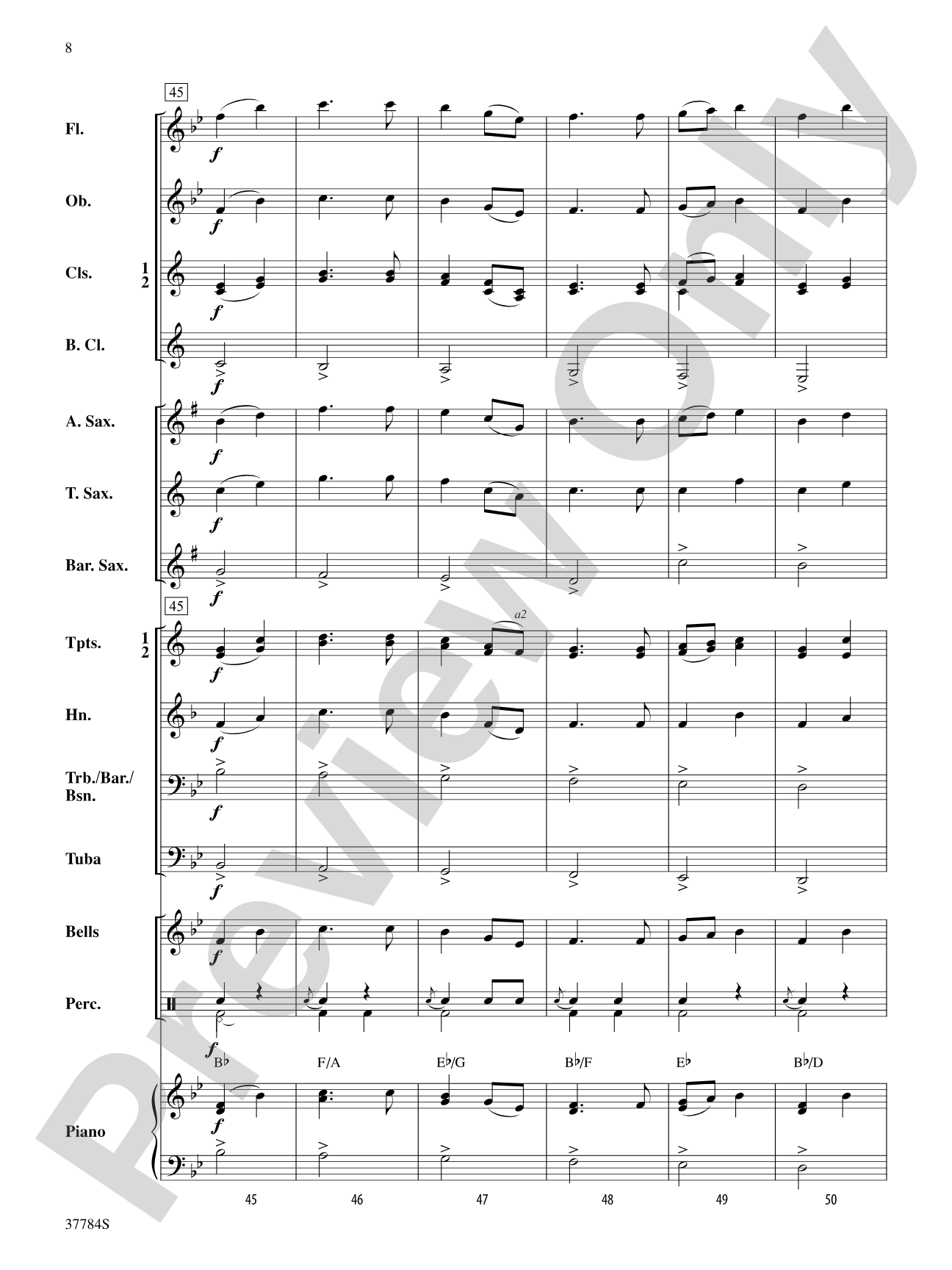
This processional-style march is an excellent choice for opening a concert or performing at a graduation ceremony. Correlated to Book 1, Level 5 of Sound Innovations for Concert Band, this piece is playable by young players in their first year of training. (1:30)


Don't just read it, hear it, play along with it, and watch your students grow with it. In MakeMusic Cloud, Royal March: Concert Band Conductor Score & Parts comes alive with professional accompaniment, adjustable tempo, and built-in practice tools that turn solo practice into real progress.
Open in the Player
Jump straight in and assign it today.
Start Your Free Trial
Open this title and explore the full library in minutes.
Sample Audio
1
Audio File
--:--
0:00
0:00
Sample Video
No sample videos found.
Additional Details
Series:
Sound Innovations for Concert Band
Publisher:
Alfred Music
Page Count:
140
SKU:
00-PK-0005059
More about this title
About the Composer: Robert Sheldon

Robert Sheldon stands among the most frequently performed composers in wind band repertoire. His works appear regularly on state contest lists and concert programs worldwide, and he has received major recognition from the American School Band Director's Association, Phi Beta Mu, and ASCAP. Sheldon authored the Sound Innovations method series and continues to produce new publications annually while accepting commissions for concert band works.
Beyond the page, Sheldon maintains an active presence as a guest conductor for All-State and Regional Honor Bands, and he has clinicked extensively throughout North America, Europe, Asia, and Australia. His compositions have been performed at Carnegie Hall, Orchestra Hall in Chicago, Boston Symphony Hall, the Sydney Opera House, and the Kennedy Center. VanderCook College of Music awarded him an honorary doctorate in 2020.
Why we love this
Royal March delivers exactly what young ensembles need at this stage: clean, idiomatic writing that sits comfortably in first-year ranges while maintaining genuine musical character. The processional style gives your ensemble an immediate sense of occasion and ceremony without requiring advanced technical facility, making it an ideal opener that sets a strong tone before more complex repertoire.
What to expect
Royal March carries the pageantry and forward momentum of a processional without pomposity. There's brightness and confidence in the melodic line, underpinned by steady harmonic support that feels both supportive and purposeful. The piece moves with quiet dignity, the kind of ceremonial character that anchors a meaningful moment.
Who it's for
This piece is built for young concert bands in their first year, especially those newly working from Sound Innovations for Concert Band. Directors staging graduation ceremonies, opening concerts, or seasonal events will find reliable, engaging material that allows developing ensembles to sound polished and intentional without overextending their abilities.
How to get the most out of it
- Balance the melody across sections rather than spotlighting a single voice part; the march gains dignity from transparent, supported voicing throughout.
- Shape the phrasing with subtle dynamic swell on each phrase rather than relying on sudden dynamic shifts; young players benefit from understanding line direction even in simple textures.
- Allow the steady marchlike accompaniment to anchor the ensemble's pulse; this rhythm section stability becomes the foundation for confident ensemble playing.
- Maintain consistent articulation across all sections on running passages; uniformity in tonguing and attack reinforces the ceremonial quality.
How to use it
Open a concert with Royal March to establish energy and professionalism immediately. At a graduation ceremony, this processional-style march serves as an ideal recessional or entrance piece. Pair it alongside other accessible Sheldon works or place it early in a mixed program where early-year ensembles can perform with confidence.
Skills your students will build
- Maintaining steady pulse in a march context
- Balance and blend in straightforward four-part textures
- Consistent articulation across an entire ensemble
- Shaping musical phrases through dynamic understanding rather than technical complexity
- Reading and executing simple harmonic progressions with confidence