

Rockin' Jerusalem: 2-Part Choral Octavo
Based on an American Spiritual / arr. Donald Moore
Item: 00-PO-0000801
$1.75
Minimum order quantity: 20 copies
Pickup currently not available
Related Items
Rockin' Jerusalem: SoundTrax Digital Audio Download |
$24.95
|
View | |
Rockin' Jerusalem: SATB Choral Octavo |
$1.75
|
View | |
Rockin' Jerusalem: SAB Choral Octavo |
$1.75
|
View | |
Rockin' Jerusalem: Choral SoundPax |
$35.00
|
View | |
Rockin' Jerusalem: SATB Choral Octavo |
$1.75
|
View | |
Rockin' Jerusalem: SAB Choral Octavo |
$1.75
|
View | |
Rockin' Jerusalem: 2-Part Choral Octavo |
$1.75
|
View | |
Rockin' Jerusalem: Choral Octavo SoundTrax CD |
$24.95
|
View | |
Rockin' Jerusalem: Choral SoundPax |
$35.00
|
View |
Description
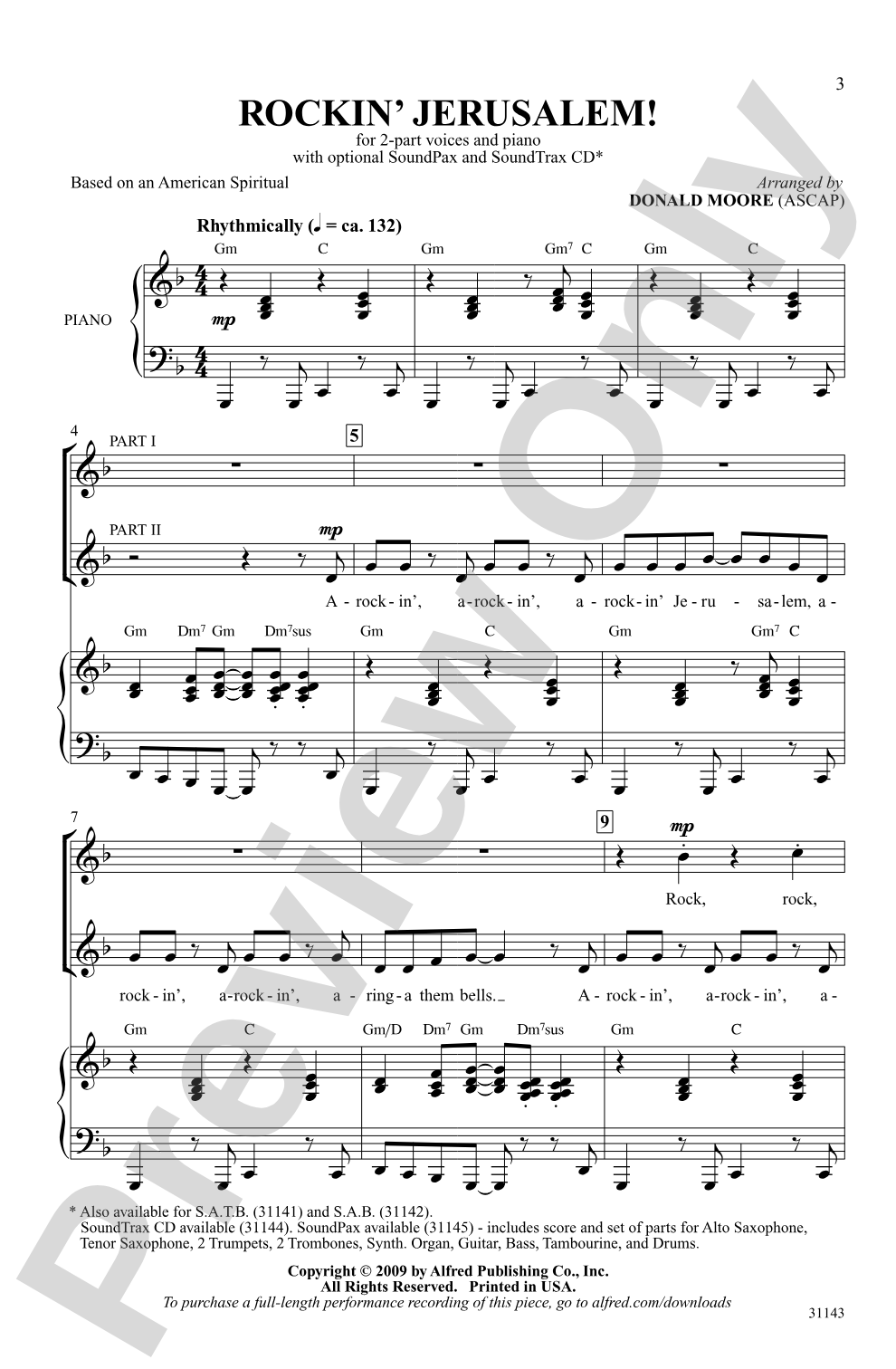
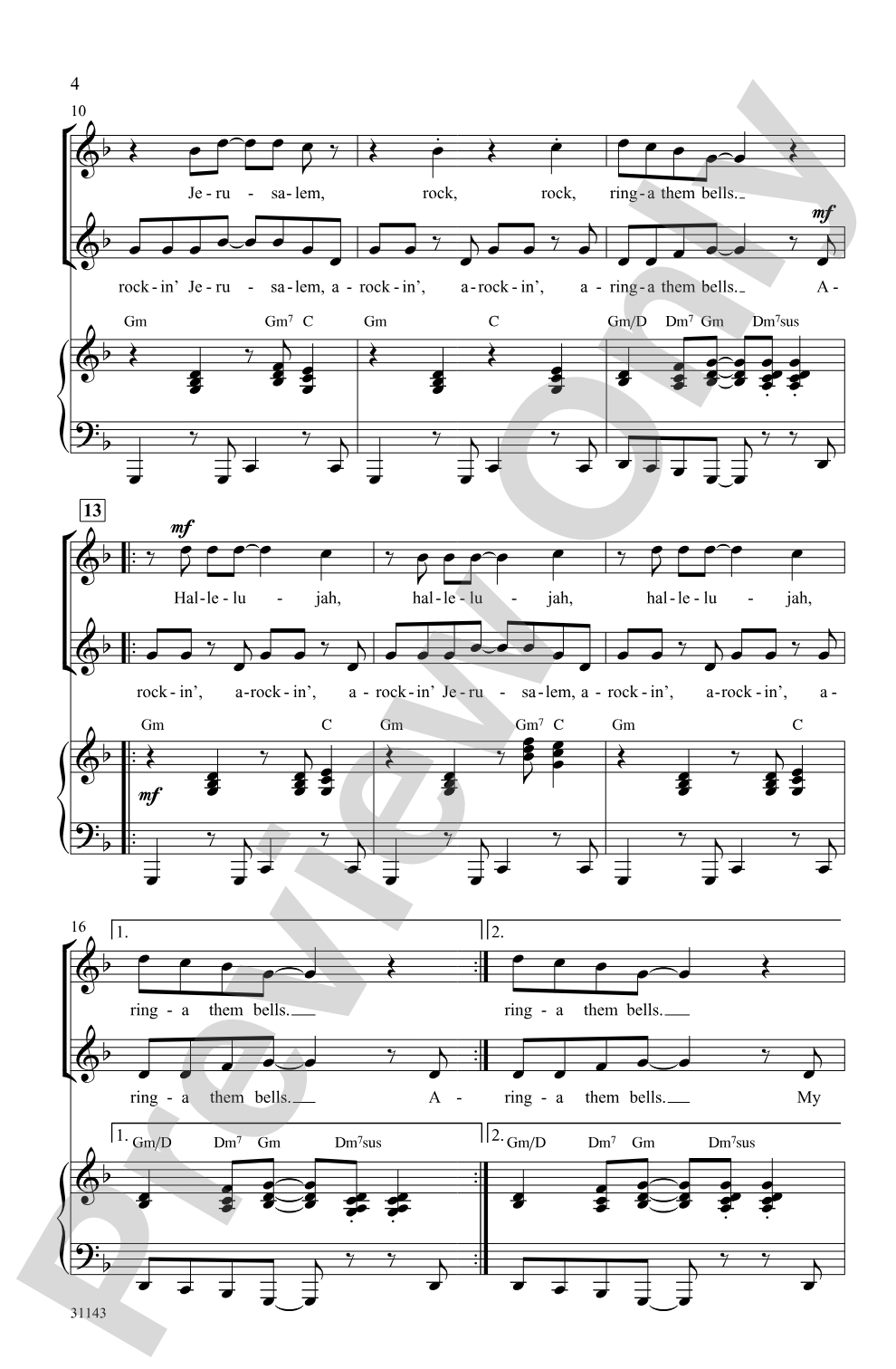
It starts and ends softly, but the energized groove never lets up. With a funky bass ostinato that drives us to the rockin' middle and syncopated "hallelujahs" throughout, each voice part is rooted in a memorable hook.


Rockin' Jerusalem: 2-Part Choral Octavo isn't in MakeMusic Cloud just yet...but it could be. Let us know you'd like to see it, and you'll help shape what comes next. In the meantime, start a free trial and dive into thousands of interactive titles your students can play along with today.
Request This Title
Tell us you want it.
Start Your Free Trial
Explore everything that's ready to play right now.
Sample Audio
1
Audio File
--:--
0:00
0:00
Sample Video
No sample videos found.
Additional Details
Series:
Alfred Choral Designs
Publisher:
Alfred Music
Page Count:
12
SKU:
00-PO-0000801
More about this title
About the Arranger: Donald Moore
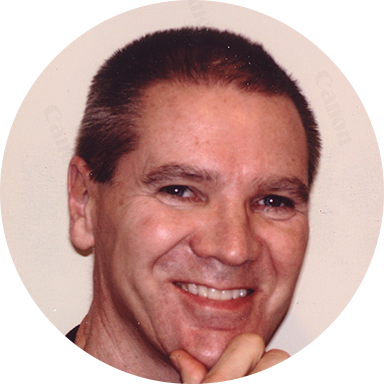
Donald Moore earned his Bachelor of Music in organ performance and Master of Arts in Teaching from Kent State University. He serves as Organist-Choirmaster at Pilgrim United Church of Christ in Cuyahoga Falls, Ohio, and has established himself as a prolific composer and arranger across multiple genres and ensembles.
With over 500 works published by Alfred Music, Hal Leonard, Heritage Music Press, and other major publishers, Moore's catalog spans sacred choral music, secular educational pieces, and instrumental works. His compositions appear regularly at state contests and festivals, and he has received the ASCAP Composers Standard Award seventeen times. The American Choral Directors Association recognized him as one of 400 elite composers of historical significance in American choral music.
Why we love this
Moore's arrangement captures the infectious energy of a spiritual while respecting the form's deep roots. The funky bass ostinato and syncopated rhythmic hooks make this accessible and engaging for 2-part choirs, yet the carefully crafted dynamic arc (soft opening and closing) adds sophistication and prevents the groove from becoming one-dimensional.
What to expect
A spiritual that swings. It opens gently, almost intimate, then locks into an undeniable groove driven by the funky bass line and bouncing syncopated phrases. The overall effect is joyful and contemporary while remaining rooted in the emotional truth of the form.
Who it's for
2-part choirs seeking contemporary sacred repertoire with real groove and accessibility. This works beautifully for middle school and high school ensembles, church choirs, and community groups looking to program a spiritual that energizes without demanding advanced vocal technique.
How to get the most out of it
- Lock in the bass ostinato early in rehearsal; it's the backbone that holds the syncopation together, and getting singers confident with it frees them to focus on their melodic hooks.
- Shape the dynamic journey deliberately: resist the urge to start loud, and let the groove build naturally from the soft opening toward the energized middle section.
- Use the recorded accompaniment to internalize the funky pocket; singers will feel the syncopation more authentically when they hear how the groove sits in the arrangement.
- Emphasize articulation on the "hallelujahs" to match the arrangement's rhythmic precision and give the syncopation definition.
How to use it
Pair this with other spirituals or contemporary sacred works to create a set that shows the genre's range and adaptability. The groove and energy make it an ideal closer for a concert or a vibrant opener for a second half, especially in programs that include more traditional or classical pieces earlier.
Skills your students will build
- Singing syncopated rhythms independently while maintaining the steady pulse
- Blending with a bass ostinato line that repeats underneath changing melody
- Balancing part independence in 2-part voicing with an accompaniment
- Interpreting dynamic shape across a longer form (soft to energized and back)