

Riu, Riu, Chiu: SSAB, a cappella Choral Octavo
Spanish Villancico / arr. Mark Burrows
Item: 00-PO-0006352

$2.30
Minimum order quantity: 20 copies
Pickup currently not available
Description
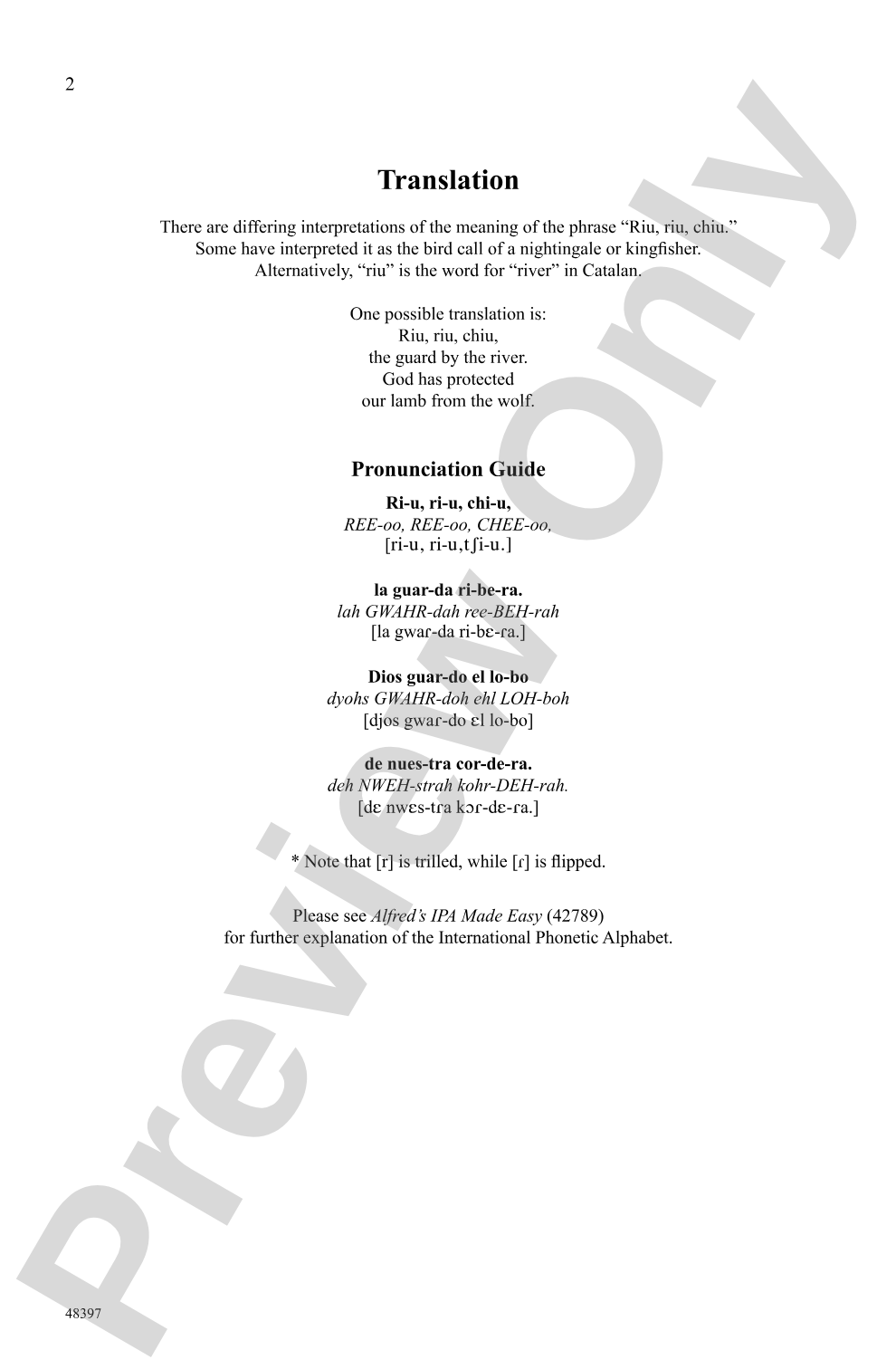
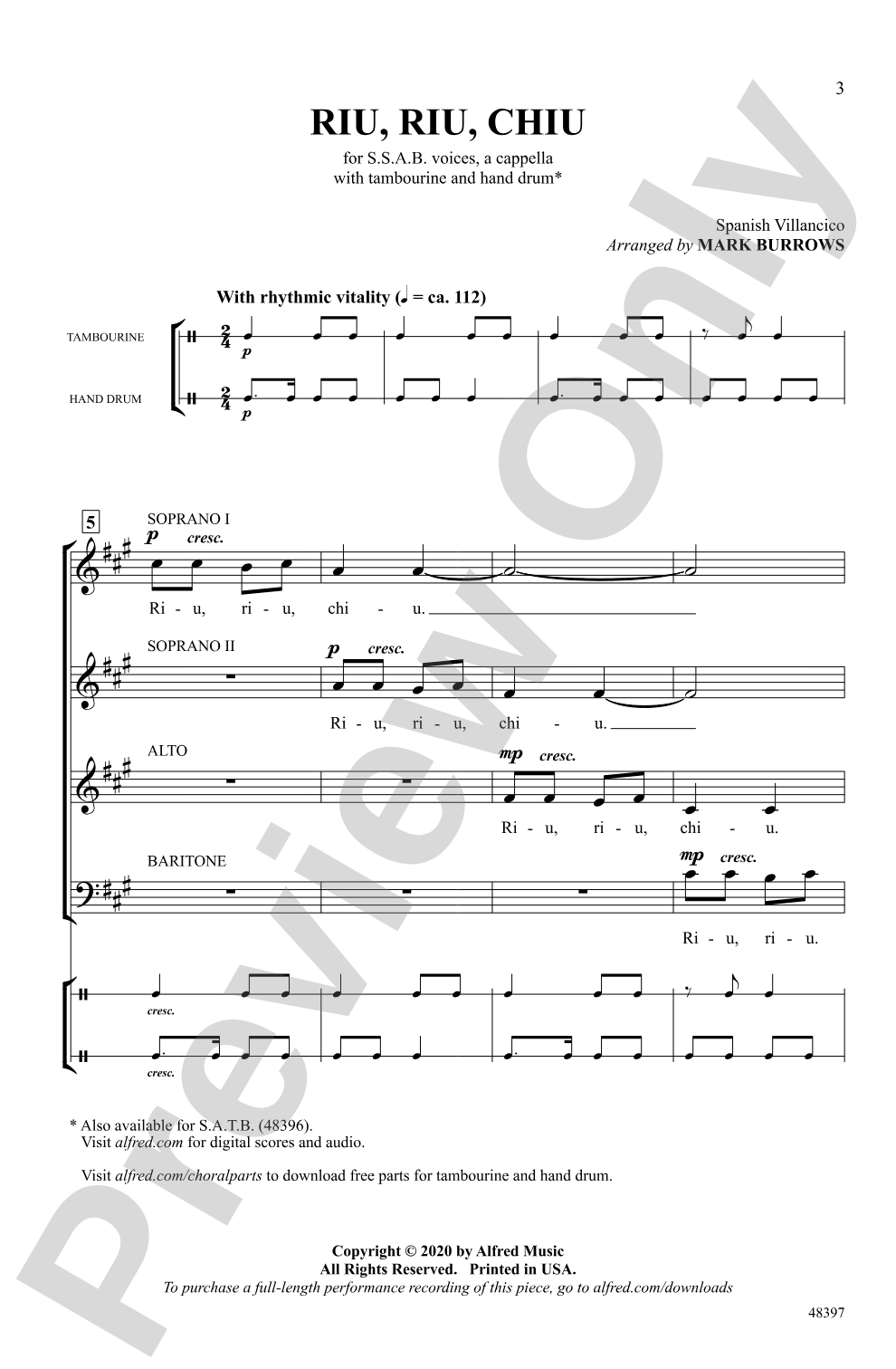
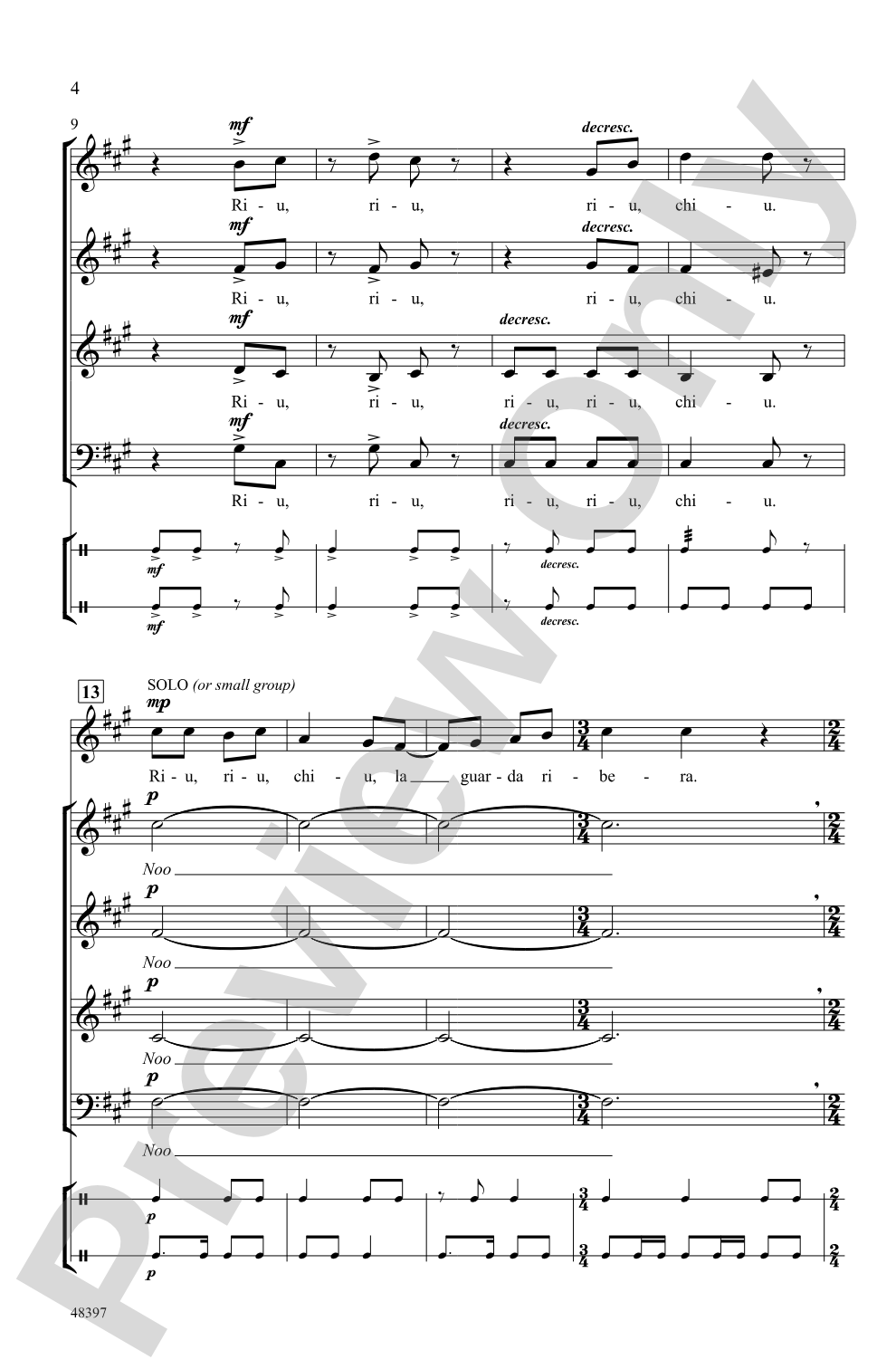
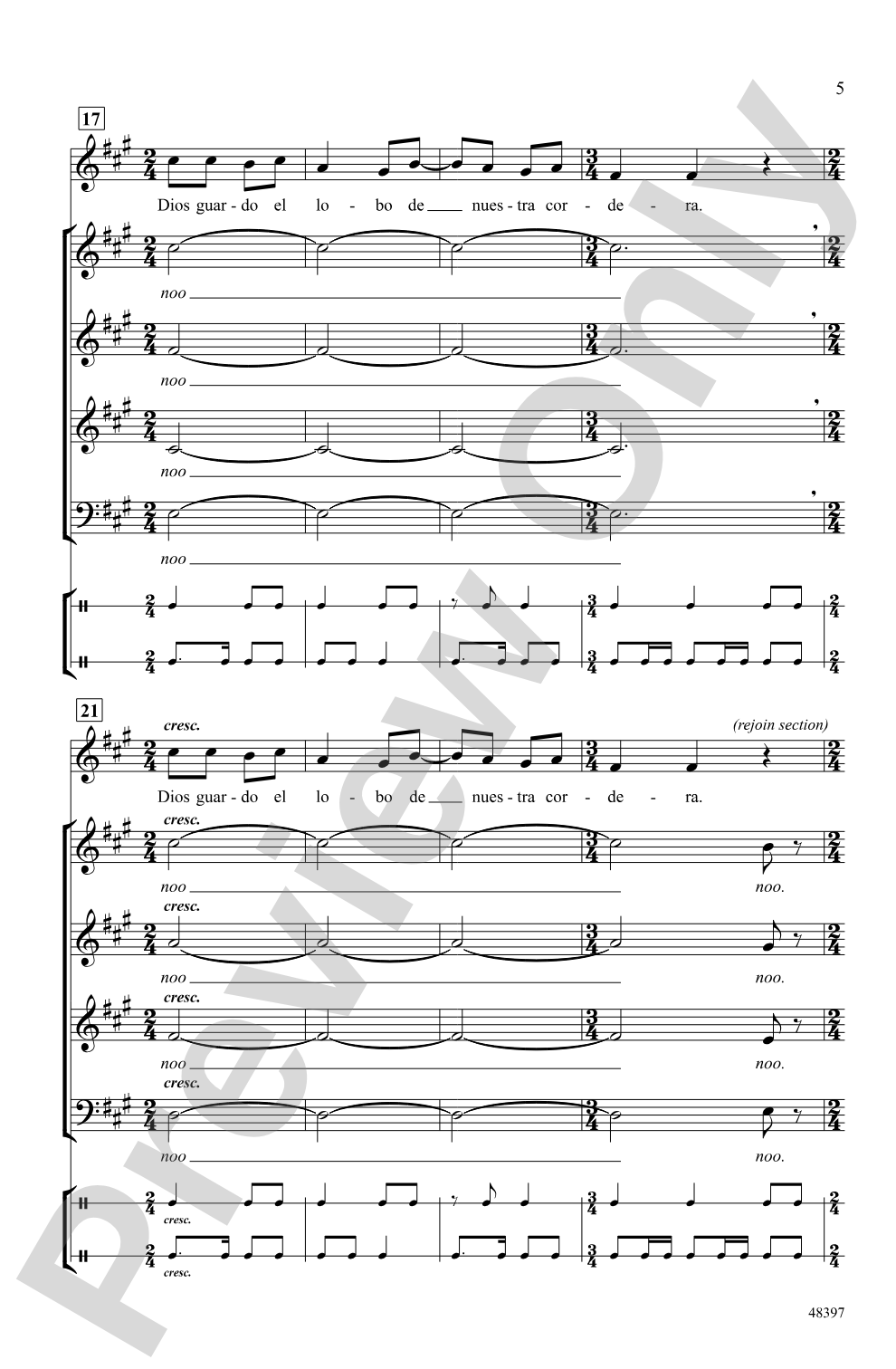
Tambourine and hand drum enhance the dance-like character of this Spanish villancico that dates back to the Renaissance era. This arrangement makes brilliant use of varied a cappella textures, from soloists over solid block chords to vigorous rhythmic interplay between voice parts. A true standout Christmas selection for discerning choirs.


Don't just read it, hear it, play along with it, and watch your students grow with it. In MakeMusic Cloud, Riu, Riu, Chiu: SSAB, a cappella Choral Octavo comes alive with professional accompaniment, adjustable tempo, and built-in practice tools that turn solo practice into real progress.
Open in the Player
Jump straight in and assign it today.
Start Your Free Trial
Open this title and explore the full library in minutes.
Sample Audio
1
Audio File
--:--
0:00
0:00
Sample Video
No sample videos found.
Additional Details
Series:
Alfred Choral Designs
Publisher:
Alfred Music
Page Count:
20
SKU:
00-PO-0006352
Instrumentation:
Tambourine; Hand Drum
More about this title
About the Arranger: Mark Burrows
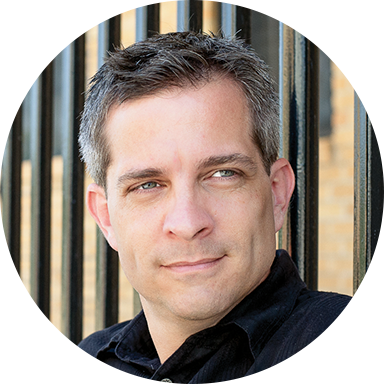
Mark Burrows brings together composition, conducting, and teaching in his work across multiple genres and ensemble types. His music appears regularly on state and festival performance lists, and he consistently receives commissions from children's choirs, adult ensembles, and intergenerational festival groups. He holds degrees in music education from Southern Methodist University and in conducting from Texas Christian University.
As Director of Children's Ministries at FUMC in Fort Worth, Burrows applies his deep understanding of how music serves faith communities and young singers. Based in Fort Worth, Texas, he continues to balance his work as an educator and commissioned composer with his family.
Why we love this
Burrows respects the villancico's essential character while giving singers real textural variety to explore. The interplay between soloists and block harmonies, combined with the rhythmic independence between voice parts, creates genuine musical interest without sacrificing accessibility for SSAB voicing. This is the kind of Renaissance carol that reminds audiences why the form endured.
What to expect
Dance-like energy pulses through this arrangement, grounded in the villancico's Renaissance roots but brought to life through rhythmic interaction between the voice parts. The shift from soloists floating over warm harmonies to all voices driving together rhythmically keeps listeners engaged and singers invested in the musical storytelling.
Who it's for
Directors working with three-part mixed choirs who want a Christmas selection with genuine rhythmic and textural sophistication. This arrangement suits groups comfortable with independent voice part movement and willing to add simple percussion to enhance the festive character.
How to get the most out of it
- Establish the hand drum and tambourine pattern early in rehearsal as the rhythmic anchor; let that pulse shape how the voice parts interact rather than treating percussion as decoration.
- Highlight the contrast between solo passages and full ensemble moments by adjusting dynamic levels sharply. The soloist-over-block-chords sections need real air around them.
- Balance the rhythmic independence between voice parts by rehearsing them separately first, then layering them in pairs before adding the full texture. Clarity matters more than blend in the vigorous passages.
How to use it
Place this earlier in a Christmas program rather than as a finale; its rhythmic vivacity and folk character work beautifully as a bridge between more formal sacred works and lighter fare. The instrumentation also makes it an excellent choice for a concert where you want to highlight your ensemble's versatility without requiring large instrumental resources.
Skills your students will build
- Independent part-singing in rhythmically active contexts
- Singing against the rhythmic flow of other voice parts
- Balancing solo and ensemble textures within a single piece
- Connecting rhythm and dance through vocal performance
- Responding to percussion accompaniment as a rhythmic guide rather than a harmonic support