Rhythm Section Workshop for Jazz Directors Cover Image

Rhythm Section Workshop for Jazz Directors: Supplemental Melody Book (C, B-flat, E-flat, & C Bass Clef) & CD

$9.99 USD
Sale price  $9.99 USD Regular price 
Skip to product information
Rhythm Section Workshop for Jazz Directors Cover Image

Rhythm Section Workshop for Jazz Directors: Supplemental Melody Book (C, B-flat, E-flat, & C Bass Clef) & CD

Rhythm Section Training for Instrumental Jazz Ensembles * Small Group Combos * Vocal Jazz Ensembles

By Shelly Berg, Lou Fischer, Fred Hamilton, and Steve Houghton

Item: 00-21998

$9.99
Shipped

One moment…

Description
Fix any rhythm section for less than $80! Perfect for instrumental jazz ensembles, small group combos, vocal jazz ensembles, and praise and worship bands!

Rhythm Section Workshop for Jazz Directors: Supplemental Melody Book (C, B-flat, E-flat, & C Bass Clef) & CD isn't in MakeMusic Cloud just yet...but it could be. Let us know you'd like to see it, and you'll help shape what comes next. In the meantime, start a free trial and dive into thousands of interactive titles your students can play along with today.

Sample Pages

No sample pages found.

Sample Audio
No sample audio found.
Sample Video
Additional Details
Publisher: Alfred Music
Page Count: 24
ISBN10: 0-7390-3782-X
ISBN13: 978-0-7390-3782-9
UPC: 038081228518
SKU: 00-21998
Instrumentation: C, B-flat, E-flat, C Bass Clef

More about this title

About the Author: Lou Fischer
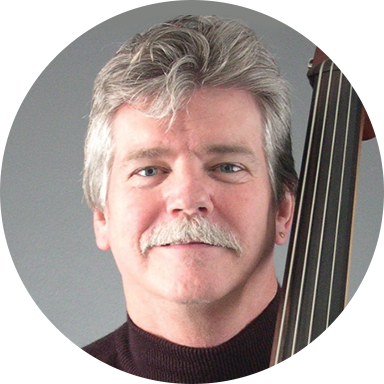
Lou Fischer

Lou Fischer directs jazz studies at Capital University in Columbus, Ohio, where he teaches theory and jazz bass. A performer for over four decades, he has worked on more than 2,000 commercial recordings, 50 Broadway productions, and toured internationally with ensembles ranging from The Crusaders to the orchestras of Woody Herman and Toshiko Akiyoshi. Fischer holds leadership roles within the International Association for Jazz Education and has guest-conducted all-state jazz ensembles across eight states.

Beyond the bandstand, Fischer has shaped jazz education as a publisher, composer, and clinician. He co-authored Rhythm Section Workshop for Jazz Band Directors and Stylistic Etudes in the Jazz Idiom, and regularly writes about jazz pedagogy for publications including the Jazz Educators Journal and The Instrumentalist. His work with the Bands of America Summer Symposium and IAJE Teacher Training Institutes reflects his commitment to developing the next generation of jazz educators and performers.

Why we love this

This resource tackles one of the hardest jobs in jazz education: getting a functioning rhythm section out of students who may have limited combo experience. Fischer and his co-authors distill decades of performance and teaching into practical material that works across multiple instrumental configurations, so you're not rewriting exercises for each student's transposition.

What to expect

Focused and purposeful. These melodies aren't meant to inspire or entertain; they're designed to expose and correct the weak spots where rhythm sections typically stumble. You'll find exercises that feel like diagnostics, revealing whether your players are truly locked in or just moving through the changes.

Who it's for

Jazz directors managing instrumental jazz ensembles, small combos, vocal jazz groups, and praise and worship bands who need targeted material to strengthen their rhythm sections. Teachers working with students across multiple transpositions will appreciate having C, B-flat, E-flat, and C bass clef versions in one resource.

How to get the most out of it

  • Isolate each melody line with individual students or small sections before running full group readings. This ensures accurate intonation and phrasing before blend becomes the goal.
  • Work through the included CD alongside the book to anchor students' sense of how each melody sits within a functioning rhythm section context.
  • Focus on the rhythm section's listening skills, not just individual technique. Have combo members identify who's leading during each exercise so they develop ensemble awareness.

How to use it

Use this as a curricular tool at the start of the school year or semester to assess and rebuild your rhythm section before diving into full ensemble repertoire. It's also valuable when you're adding new combo members or preparing a small group for a jazz festival competition.

Skills your students will build

  • Listening and responding to bass lines and chord changes
  • Playing with cohesive time and internal groove
  • Reading melodies across multiple transpositions
  • Understanding how melody, harmony, and rhythm layer together in jazz
  • Developing ensemble balance and blend in small group settings

You May Also Like