Rhythm 'n' Style, Book 2 Cover Image

Rhythm 'n' Style, Book 2: Piano Book

$5.50 USD
Sale price  $5.50 USD Regular price 
Skip to product information
Rhythm 'n' Style, Book 2 Cover Image

Rhythm 'n' Style, Book 2: Piano Book

7 Early Intermediate Piano Solos That Celebrate the Joy and Exhilaration of Rhythm

By George Peter Tingley

Level: Early Intermediate

Item: 00-18893

$5.50
Shipped

One moment…

Description
These are collections of solos containing the kind of ragtime, Latin and swing pieces that students love to practice and perform. Book One was written specifically to stimulate the rhythmic development of late elementary pianists, while Book Two is geared toward early intermediate levels. Teachers will find many exciting recital opportunities in these collections.

Rhythm 'n' Style, Book 2: Piano Book isn't in MakeMusic Cloud just yet...but it could be. Let us know you'd like to see it, and you'll help shape what comes next. In the meantime, start a free trial and dive into thousands of interactive titles your students can play along with today.

Sample Pages

Sample Audio
No sample audio found.
Sample Video
Additional Details
Publisher: Alfred Music
Page Count: 16
UPC: 038081171708
SKU: 00-18893

More about this title

About the Composer: George Peter Tingley
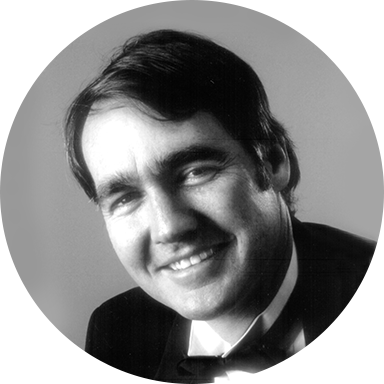
George Peter Tingley

George Peter Tingley came of age as a musician through hands-on experimentation. He began violin at four, switched to piano at ten, and spent his teenage years learning by ear alongside Beatles recordings. This self-directed foundation shaped his later formal training: a Bachelor of Arts in Piano Performance from California State University, Hayward, and both Bachelor and Master degrees in Music Theory from the University of Southern California. During the 1970s he studied composition privately with Nadia Boulanger in Paris.

Since 1989, Tingley has focused on composing for music students, amassing over 75 published piano pieces. His work ranges from solo recital fare (his signature piece "Reverie" remains widely performed) to collaborative works like "Fiddle and the Tuba," a teacher-student duet collection recognized by the National Federation of Music Clubs. He has also composed for performance contexts beyond the classroom; most notably, he wrote "Kristi's Theme" for Olympic figure-skating champion Kristi Yamaguchi, later arranged for full orchestra and recorded with Tingley as piano soloist. He maintains a private teaching studio in the San Francisco Bay Area.

Why we love this

Tingley understands what early intermediate pianists actually want to play. These solos tap into rhythmic styles students recognize and enjoy—ragtime, Latin grooves, and swing feels—so the motivation to practice comes built in. The collection strikes a real balance between accessibility and musical substance, giving your students legitimate recital material that doesn't feel like a compromise.

What to expect

These pieces move with swagger and groove. Ragtime syncopations bounce with playful energy, Latin rhythms sway and swing with warmth, and swing passages have a relaxed, propulsive feel. Throughout, Tingley's writing balances rhythmic sophistication with accessibility, so students hear themselves making real music, not just practicing technique.

Who it's for

Early intermediate pianists ready to explore rhythmic styles beyond classical forms. Teachers seeking recital solos that engage students through contemporary, recognizable grooves while building solid musicianship.

How to get the most out of it

  • Study the rhythmic character of each piece separately from the notes. Tingley's rhythmic vocabulary is precise, and getting the feel right before full tempo playing helps students grasp the style authentically.
  • Work the left hand patterns independently first, especially in pieces with steady groove elements. These pieces often ask the left hand to establish a consistent rhythmic foundation that the right hand plays over.
  • Listen to recordings of authentic ragtime, Latin, and swing music before rehearsing. Hearing the real thing gives students context for stylistic details that notation alone cannot convey.

How to use it

Build a recital or informal performance around a ragtime-Latin-swing theme, programming several solos from this collection as a cohesive set. Individual pieces also work well as lighter programming choices alongside more formal classical selections, giving concerts variety and keeping audiences engaged.

Skills your students will build

  • Syncopated rhythmic reading and execution in ragtime and swing contexts
  • Steady accompaniment patterns in Latin and groove-based styles
  • Stylistic interpretation beyond classical repertoire
  • Left hand independence and consistency in maintaining grooves
  • Swing eighth-note feel and dotted-rhythm accuracy

You May Also Like