
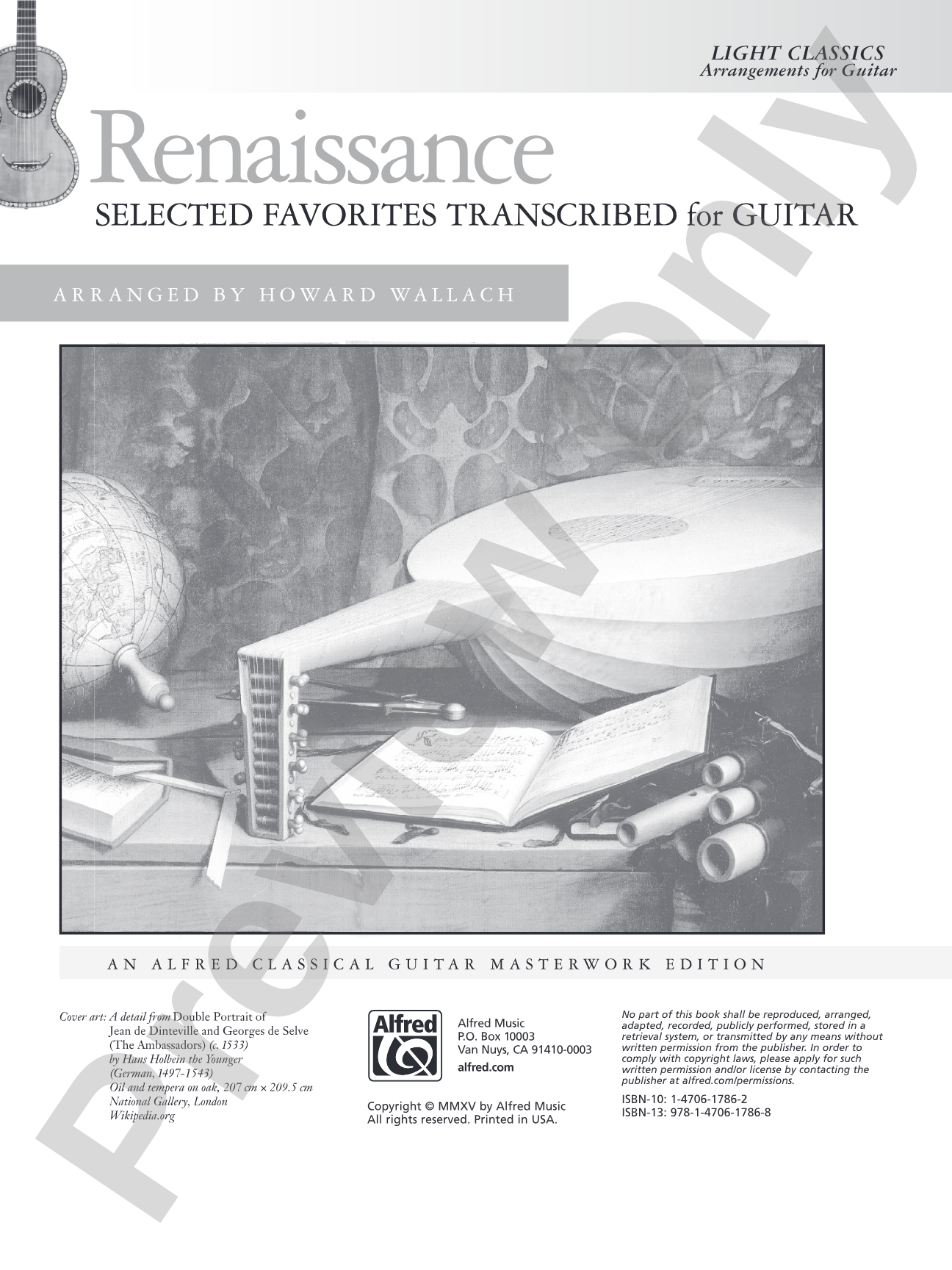

Renaissance: Selected Favorites Transcribed for Guitar: Light Classics Arrangements for Guitar: Solo Guitar
Light Classics Arrangements for Guitar
Transcr. Howard Wallach
Level: Intermediate
Item: 00-PB-0001854
$9.99
Pickup currently not available
Related Items
Renaissance: Selected Favorites Transcribed for Guitar: Guitar Book |
$9.99
|
View |
Description
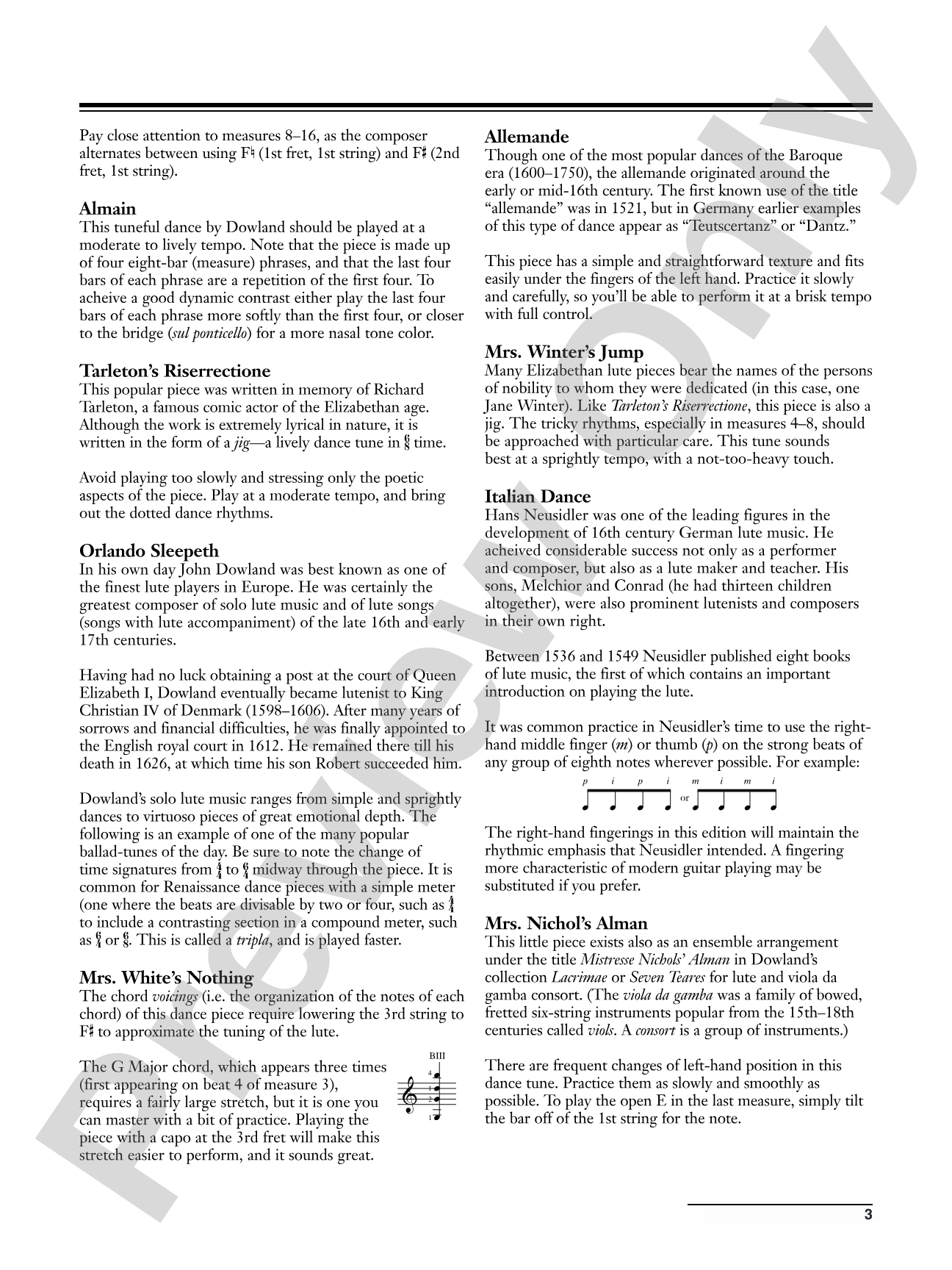
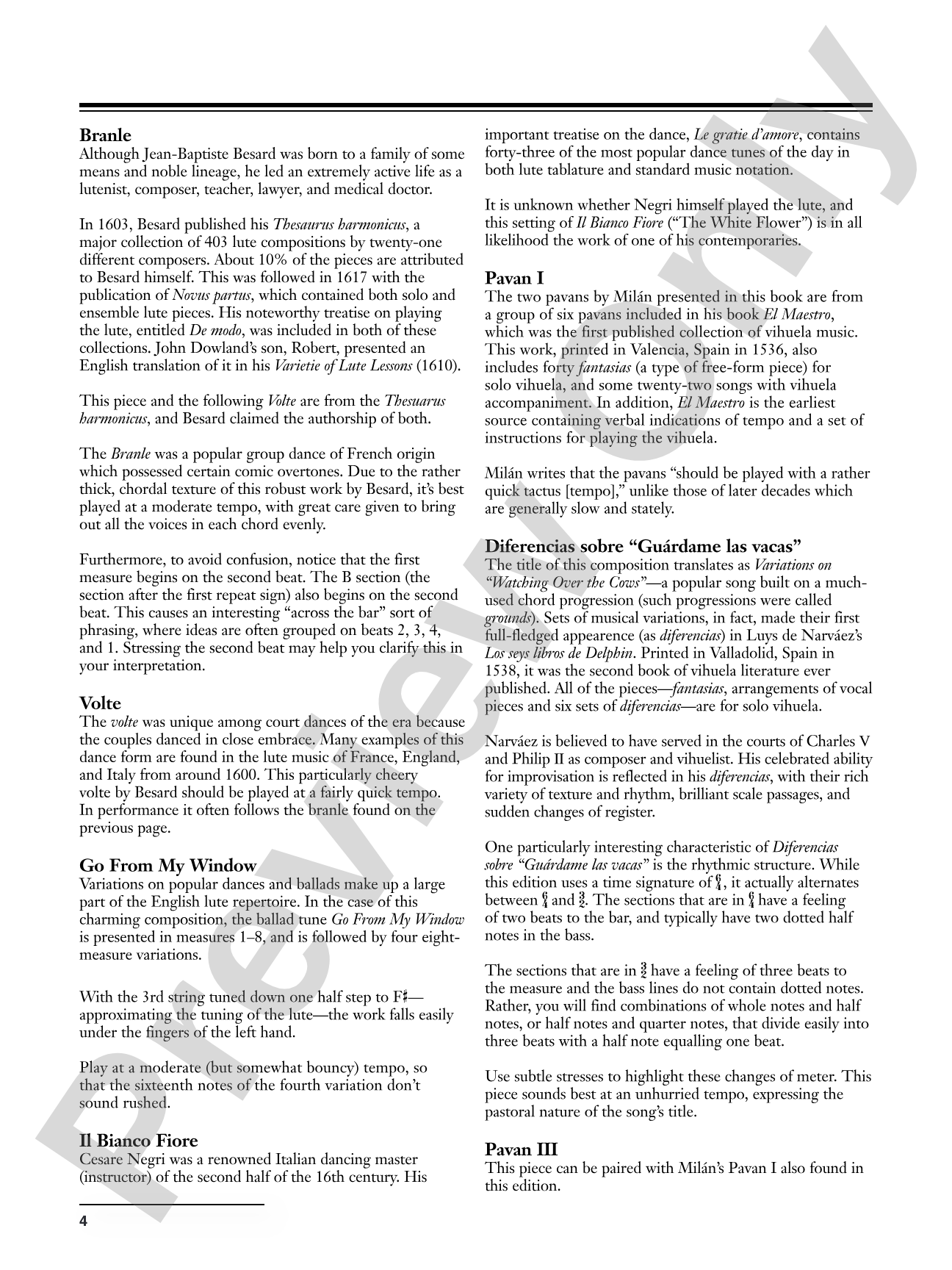
Intended for both working guitarists and those who play strictly for the enjoyment of great music, this collection of Renaissance favorites transcribed for guitar will add something special to any party or social gathering. Including popular pieces such as John Dowland's "Orlando Sleepeth," "Tarleton's Riserrectione," and "Mrs. Winter's Jump," Luis de Milán's "Pavan I" and "Pavan III," and Luis de Narváez's "Diferencias sobre 'Guárdame las Vacas,'" this edition will provide a repertoire of crowd-pleasing Renaissance tunes for any event. A special section about plucked instruments of the Renaissance is included to make this book more useful and enjoyable to own.
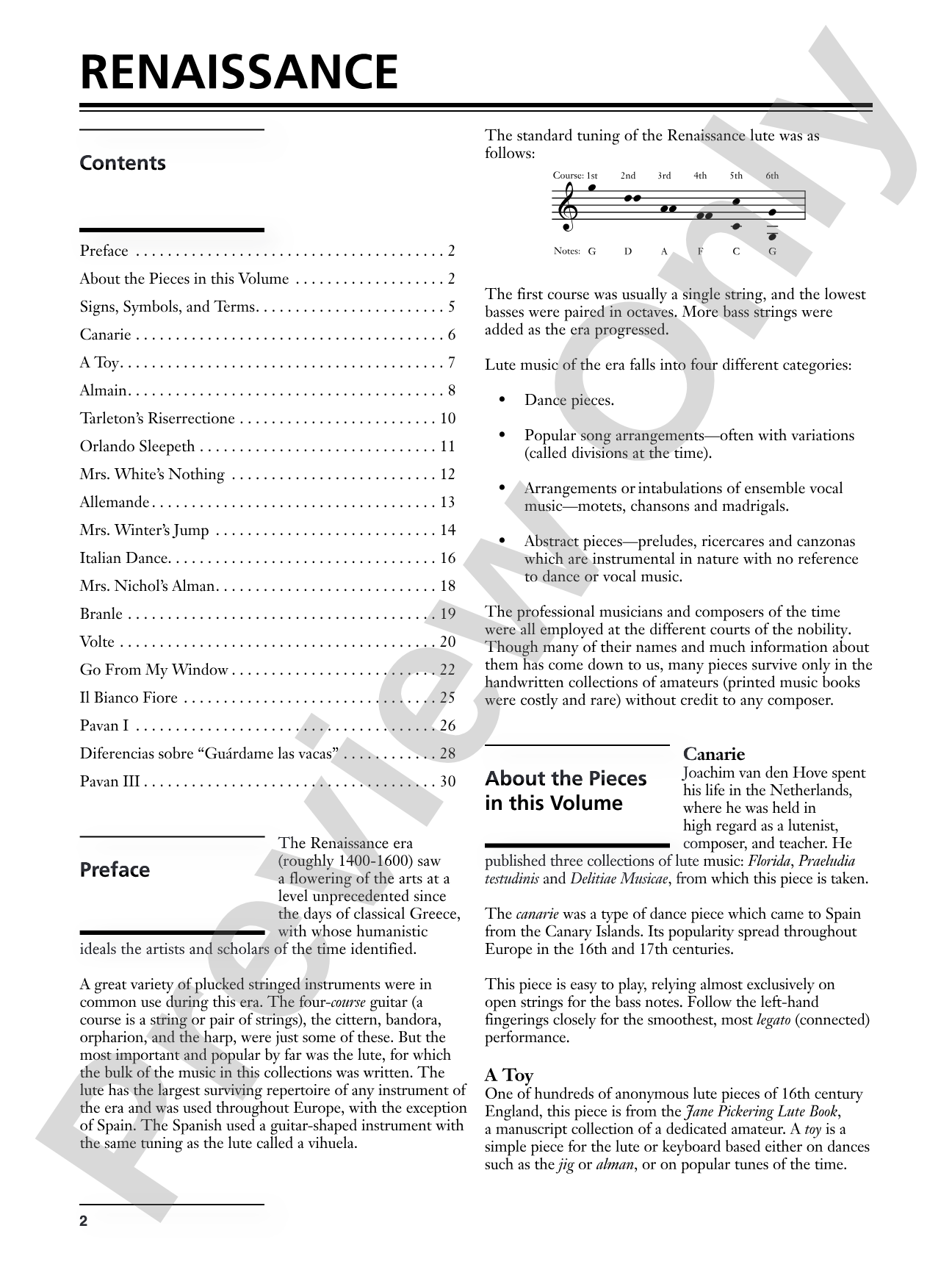
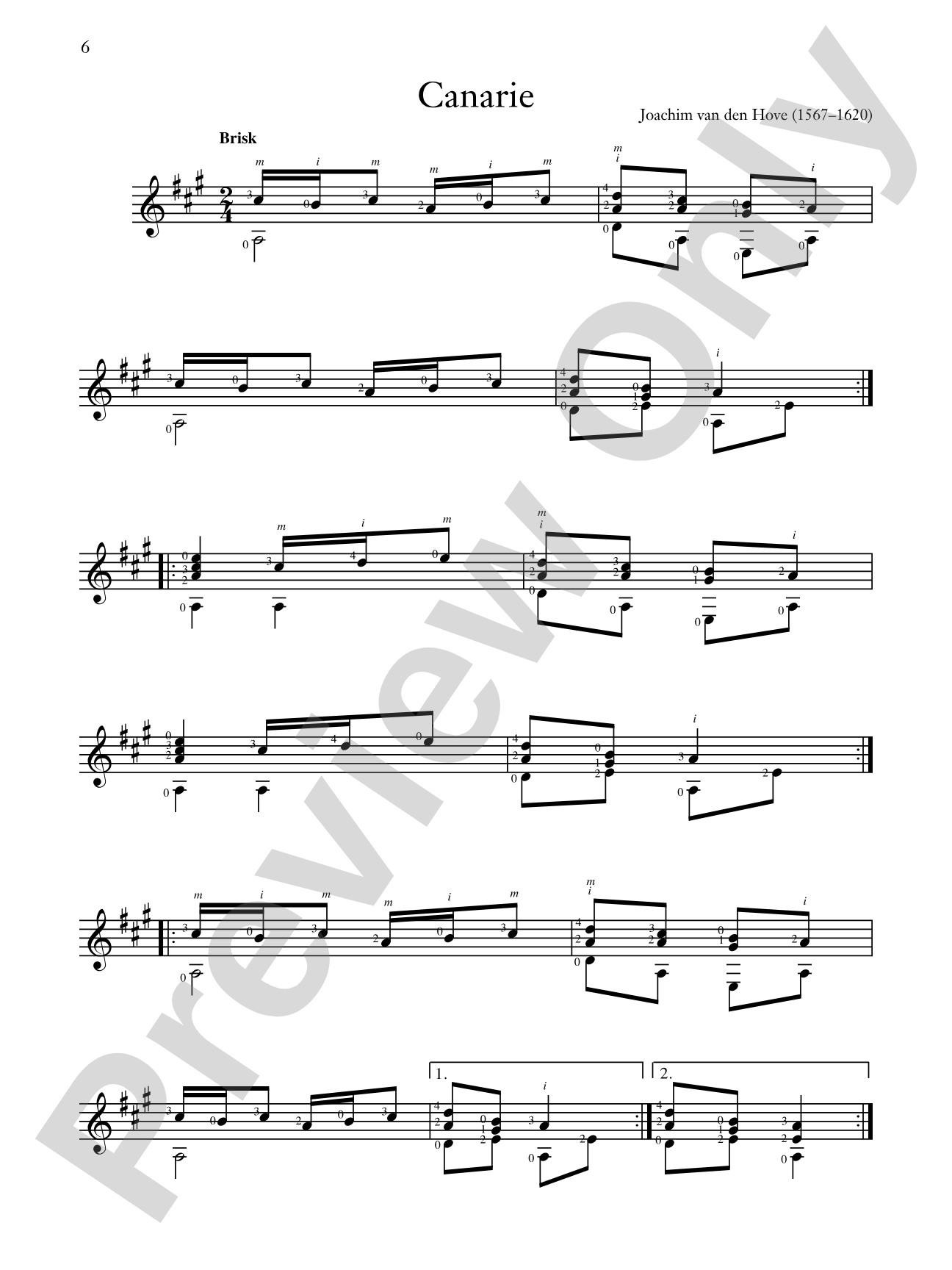
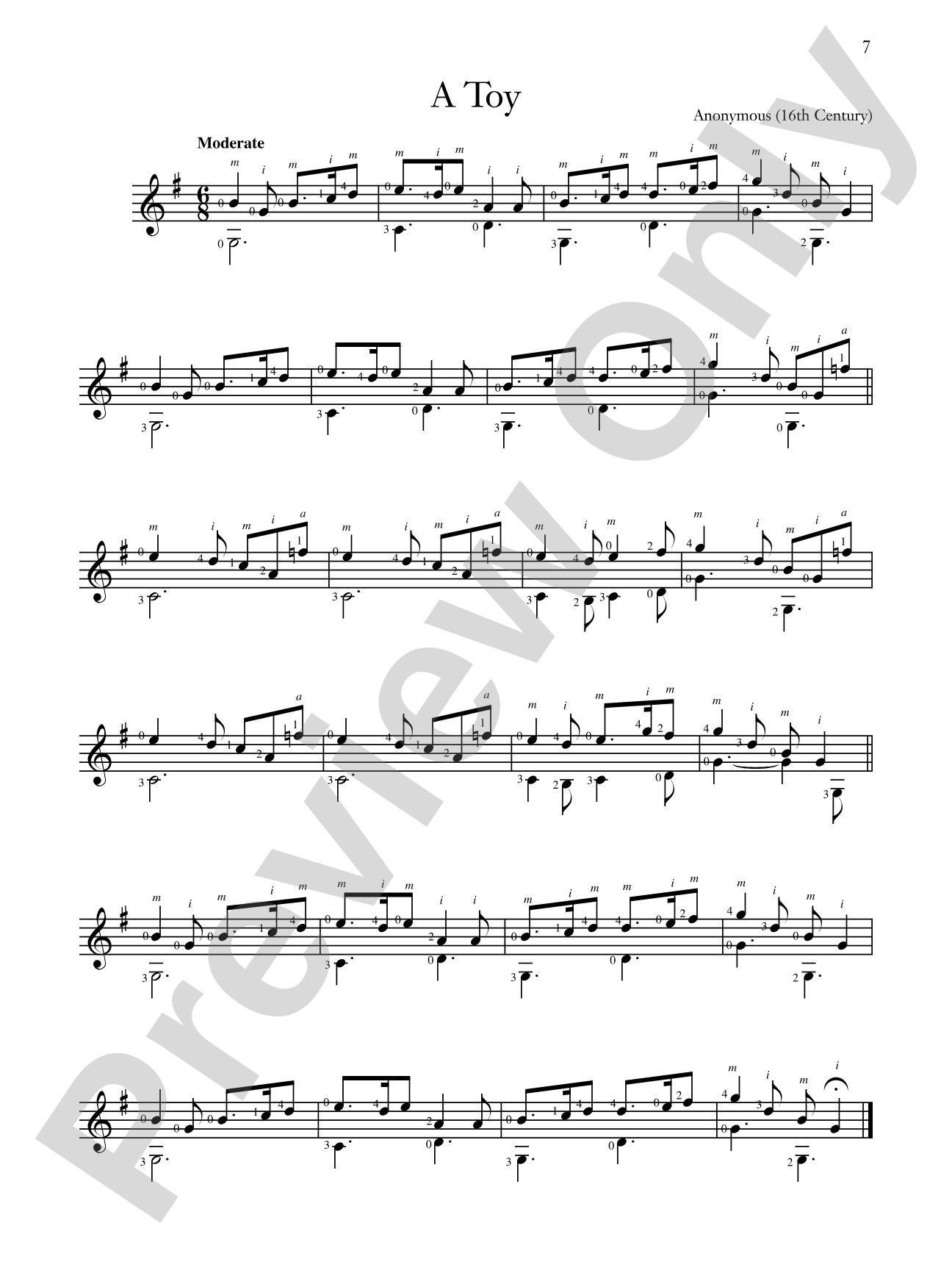
Titles: Canarie * A Toy * Almain * Tarleton's Riserrectione * Orlando Sleepeth * Mrs. White's Nothing * Allemande * Mrs. Winter's Jump * Italian Dance * Mrs. Nichol's Alman * Branle * Volte * Go From My Window * Il Bianco Fiore * Pavan I * Diferencias sobre "Guárdame las vacas" * Pavan III.


Titles: Canarie * A Toy * Almain * Tarleton's Riserrectione * Orlando Sleepeth * Mrs. White's Nothing * Allemande * Mrs. Winter's Jump * Italian Dance * Mrs. Nichol's Alman * Branle * Volte * Go From My Window * Il Bianco Fiore * Pavan I * Diferencias sobre "Guárdame las vacas" * Pavan III.
Renaissance: Selected Favorites Transcribed for Guitar: Light Classics Arrangements for Guitar: Solo Guitar isn't in MakeMusic Cloud just yet...but it could be. Let us know you'd like to see it, and you'll help shape what comes next. In the meantime, start a free trial and dive into thousands of interactive titles your students can play along with today.
Request This Title
Tell us you want it.
Start Your Free Trial
Explore everything that's ready to play right now.
Sample Audio
No sample audio found.
Sample Video
No sample videos found.
Additional Details
Series:
Alfred Classical Guitar Masterworks
Publisher:
Alfred Music
Page Count:
32
SKU:
00-PB-0001854
More about this title
Why we love this
Renaissance music on guitar occupies a natural home; these pieces were written for plucked instruments and the transcriptions honor that heritage while making them accessible to modern players. The collection mixes well-known titles (Dowland's Orlando Sleepeth) with character dances and variations that keep listeners engaged across a full performance. The included historical context about Renaissance plucked instruments transforms this from a purely practical book into one that deepens understanding of the music's origins.
What to expect
Opening this collection is like stepping into a lute consort. You'll encounter courtly elegance in the pavans, spirited joy in the dances, and the intimate expressiveness that Dowland brought to his ayres. The music has the reflective quality of secular Renaissance vocal writing but gains new character through the guitar's resonance and sustain.
Who it's for
Intermediate guitarists with an ear for the Renaissance will find this collection rewarding both for performance and deeper musical engagement. It works equally well for players seeking repertoire for social gatherings and for those building a classical guitar library rooted in historically appropriate transcriptions.
How to get the most out of it
- Shape phrases around the natural breath points of the original vocal or dance traditions. These aren't finger exercises; they're melodies that breathe.
- Balance ornamentation with clarity. Renaissance pieces often include decoration, but the underlying line should remain audible.
- Vary your tone production across the collection. A pavane calls for different sonority than a lively canarie or branle.
- Lean into the rhythmic character of each dance. The jump in Mrs. Winter's Jump should feel energetic; the pavan should settle into its own measured pace.
How to use it
These pieces excel in recitals featuring Early Music or guitar historicals, where they can be grouped by composer or dance type. They also serve beautifully as background music for receptions and informal gatherings, allowing players to engage an audience without the formality of a concert setting. A guitarist building toward a semester recital might program three or four selections to demonstrate stylistic range within a single period.
Skills your students will build
- Reading Renaissance tablature conventions and their modern equivalents
- Phrasing in contexts without barlines or conventional metrics
- Ornamentation techniques typical of 16th century style
- Rhythmic clarity in dance forms (pavans, almains, branles, voltes)
- Tone control across contrasting character pieces
- Interpreting historically informed articulation and dynamics