Remembrance Cover Image

Remembrance: Alto Saxophone, Solo with Piano, Book

$10.00 USD
Sale price  $10.00 USD Regular price 
Skip to product information
Remembrance Cover Image

Remembrance: Alto Saxophone, Solo with Piano, Book

By Bruce Broughton

Grade: 4.5

Item: 36-BSMIS112

$10.00
Shipped

One moment…

Description
The Bruce Broughton Solo Series features solos by one of the country's most outstanding composers of concert and film music. This new series by seven-time Emmy award winning composer features music that is notable for its wonderfully rich harmonies, flowing melodies, and rhythmic vitality. These pieces are ideal for recitals and contests and are great teaching pieces that appeal to performers and audiences alike.

Remembrance: Alto Saxophone, Solo with Piano, Book isn't in MakeMusic Cloud just yet...but it could be. Let us know you'd like to see it, and you'll help shape what comes next. In the meantime, start a free trial and dive into thousands of interactive titles your students can play along with today.

Sample Pages

No sample pages found.

Sample Audio
No sample audio found.
Sample Video
Additional Details
Series: Black Squirrel Music - LudwigMasters
Publisher: Keiser Productions, Inc.
ISBN10: 8-89-270454-0
ISBN13: 979-8-89-270454-0
UPC: 659359620744
SKU: 36-BSMIS112
Instrumentation: Alto Saxophone, Piano

More about this title

About the Composer: Bruce Broughton
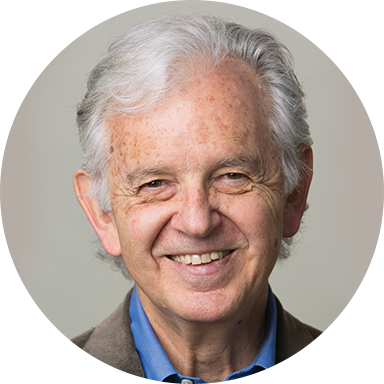
Bruce Broughton

Bruce Broughton's career spans Hollywood blockbusters and intimate concert halls with equal mastery. His film scores for Silverado, Tombstone, Miracle on 34th Street, and the Homeward Bound series established him as a composer who understands both dramatic storytelling and emotional nuance. He has also shaped television through iconic themes for JAG, The Orville, and Tiny Toon Adventures, earning ten Emmy Awards from twenty-three nominations.

Beyond screen work, Broughton maintains a robust concert music practice. Major orchestras including the Cleveland Orchestra, Chicago Symphony, and Los Angeles Chamber Orchestra regularly perform his chamber and orchestral works. His leadership roles in ASCAP, the Academy of Motion Picture Arts and Sciences, and the Society of Composers and Lyricists reflect his standing as a mentor and advocate within the American composer community.

Why we love this

Broughton writes for the alto saxophone with genuine understanding of the instrument's lyrical warmth and technical possibilities. The harmonies here are sophisticated without being opaque, giving students real musical substance to sink their teeth into while remaining accessible at the 4.5 level. Contest and recital venues expect refined musicality paired with clear melodic writing, and this solo delivers both.

What to expect

Rich harmonic language creates an introspective, lyrical character that feels both contemporary and timeless. The piece invites deep expressive playing, rewarding performers who listen closely to the piano's role in shaping the emotional arc.

Who it's for

Alto saxophonists working at the late intermediate to early advanced level who are preparing for solo recitals or regional/state competitions. The musical maturity of the writing also makes it suitable for student teachers and young professionals seeking repertoire that impresses discerning audiences.

How to get the most out of it

  • Shape the phrasing around the harmonic changes rather than strict measure lines; Broughton's flowing melodic style rewards singers who treat the alto line as a vocal line first
  • Balance your sound against the piano accompaniment by focusing on tone quality in the middle register where the accompaniment lives densest
  • Mark dynamic transitions carefully since the piece relies on subtle color shifts to build emotional architecture

How to use it

Pair this with contrasting Baroque or Classical material on a solo recital to showcase the saxophonist's range as a chamber musician. At the competition level, it works well alongside a faster showpiece since its reflective nature gives judges a complete picture of the student's musical development.

Skills your students will build

  • Phrasing across harmonic progressions in contemporary concert music
  • Balancing melody with piano accompaniment in chamber contexts
  • Tonal shaping and dynamic control in lyrical passages
  • Interpretation of modern composed music with emotional restraint

You May Also Like