R U Chicken? Cover Image

R U Chicken?: Jazz Ensemble Conductor Score & Parts

$52.00 USD
Sale price  $52.00 USD Regular price 
Skip to product information
R U Chicken? Cover Image

R U Chicken?: Jazz Ensemble Conductor Score & Parts

By Kris Berg

Grade: 3 (Medium)

Item: 00-24849

makemusic Cloud badge

Need it now?

Buy Digital Version
$52.00
Shipped

One moment…

Description
You asked for a funky chart---well this is it! Another fabulous adventure by the chicken-master Kris Berg, and this time he plucks another prize-winner with "R U Chicken?" Written solos are included for trumpet and tenor sax, and the lead trumpet range is up to written B-flat. A great closer for any concert or festival performance. What a title. What a chart! This title is available in MakeMusic Cloud.

Don't just read it, hear it, play along with it, and watch your students grow with it. In MakeMusic Cloud, R U Chicken?: Jazz Ensemble Conductor Score & Parts comes alive with professional accompaniment, adjustable tempo, and built-in practice tools that turn solo practice into real progress.

Sample Pages

Sample Audio
0:00
0:00
Sample Video
Additional Details
Series: Jazz Band Series
Publisher: Alfred Music
Page Count: 90
UPC: 038081272337
SKU: 00-24849

More about this title

About the Composer: Kris Berg
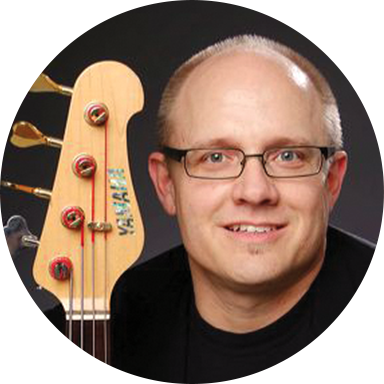
Kris Berg

Kris Berg leads the jazz studies program at Collin County Community College in Texas, where he earned both his bachelor's and master's degrees in jazz studies from the University of North Texas. His work as a composer and arranger has circulated globally, and he remains a prolific voice in big band literature through his publications with Belwin Jazz under Alfred Publishing. Beyond the page, Berg founded and directs both the Collin Jazz Fest and the Texas All-Star Jazz Camp, establishing himself as a mentor and educator within the jazz community.

As a clinician and performing artist for Yamaha Corporation of America, Berg has shared the stage with an impressive roster of jazz luminaries including Kurt Elling, Randy Brecker, Peter Erskine, Bob Mintzer, and Clark Terry. His ensembles at Collin County have earned repeated invitations to perform at the Montreux Jazz Festival, and his instructional work, including the widely adopted Bass Lines in Minutes, continues to shape how musicians approach jazz fundamentals.

Why we love this

Berg writes with a genuine understanding of what makes jazz charts fun to play and fun to hear. The funky groove, character-driven title, and carefully balanced solo writing (trumpet and tenor sax) give soloists real opportunities without overshadowing the ensemble's energy. This is the kind of closer that ends a concert on a high note and stays memorable long after the audience leaves.

What to expect

Funky, playful, and propulsive from the opening note. The groove has swagger; the written solos invite improvisation within a structured framework; and the ensemble passages give the whole band a chance to feel the pocket together. This is a chart that makes musicians smile while they play.

Who it's for

Jazz directors seeking an accessible, high-energy closer that plays well at concerts and festivals. The Grade 3 level keeps the chart within reach for developing ensembles while maintaining the sophistication and funkiness that keeps both players and audiences engaged.

How to get the most out of it

  • Lock the rhythm section (drums, bass, piano) into the pocket before rehearsing the horn sections; the groove is the foundation of everything that follows.
  • Encourage the trumpet section to nail the lead voice articulation; with the lead trumpet reaching written B-flat, precision on the written attacks will shine through.
  • Give the tenor sax and trumpet soloists space to find their voice during individual rehearsal time; Berg's voicings provide the structure, but the solo sections reward personality and risk-taking.
  • Balance the ensemble hits carefully so they support rather than overpower the soloists when they enter.

How to use it

Perfect as a festival closer or a concert finale when you want to leave the audience energized and in a good mood. The character and title also work well as a palette cleanser between more introspective or complex pieces, giving your program dynamic contrast while maintaining musicianship and ensemble cohesion.

Skills your students will build

  • Reading and maintaining jazz swing feel and articulation
  • Listening for and locking into a consistent groove
  • Playing written solos while responding to rhythm section support
  • Balancing section sound with individual solo voices
  • Interpreting jazz phrasing and dynamics within a composed framework

You May Also Like
