

Premier Piano Course, Performance 6: Piano
By Dennis Alexander, Gayle Kowalchyk, E. L. Lancaster, Victoria McArthur, and Martha Mier
Level: 6
Item: 00-PB-0000958
$9.99
Pickup currently not available
Related Items
Premier Piano Course, Performance 6: Piano Book & CD |
$9.99
|
View |
Description
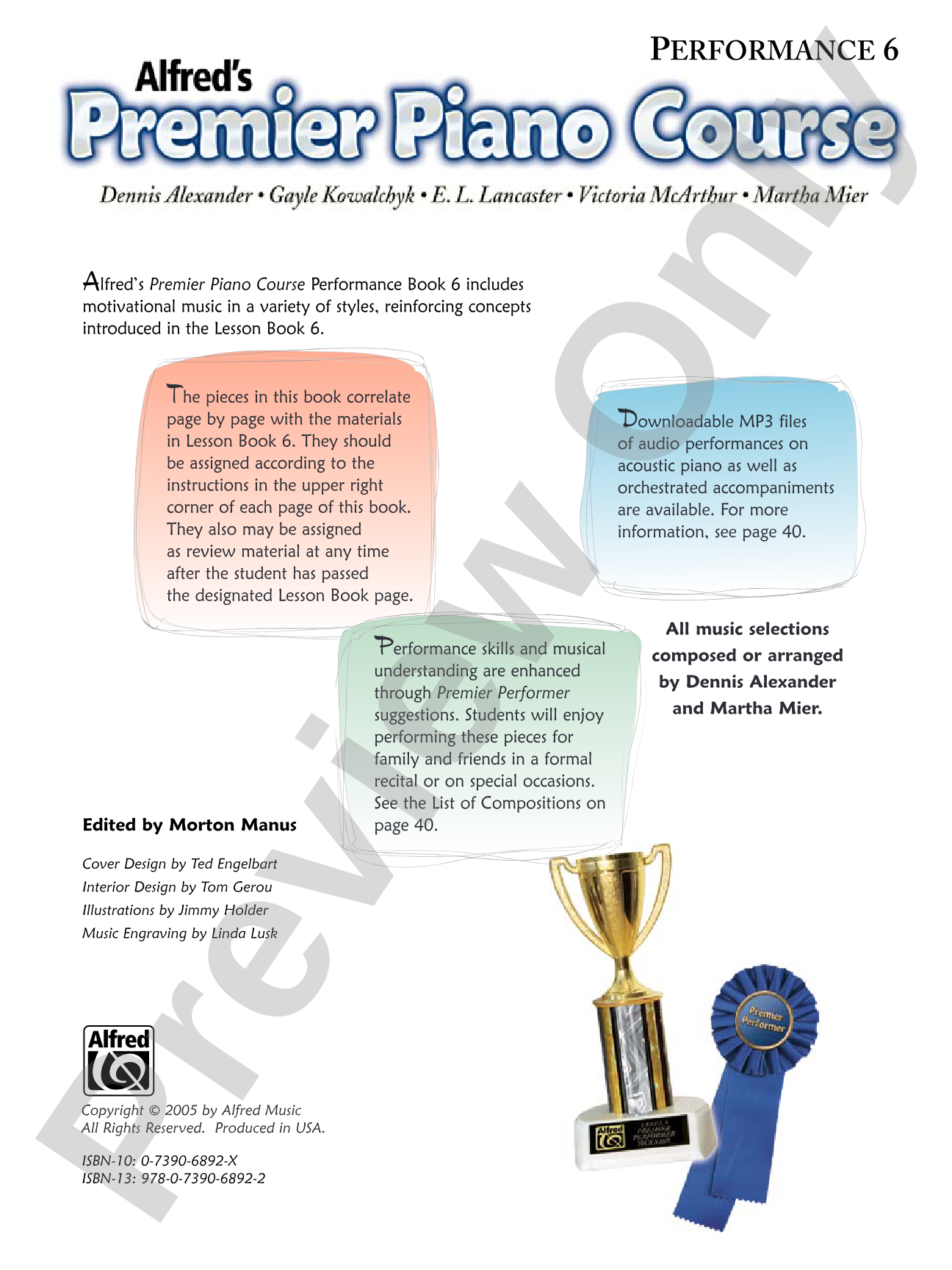
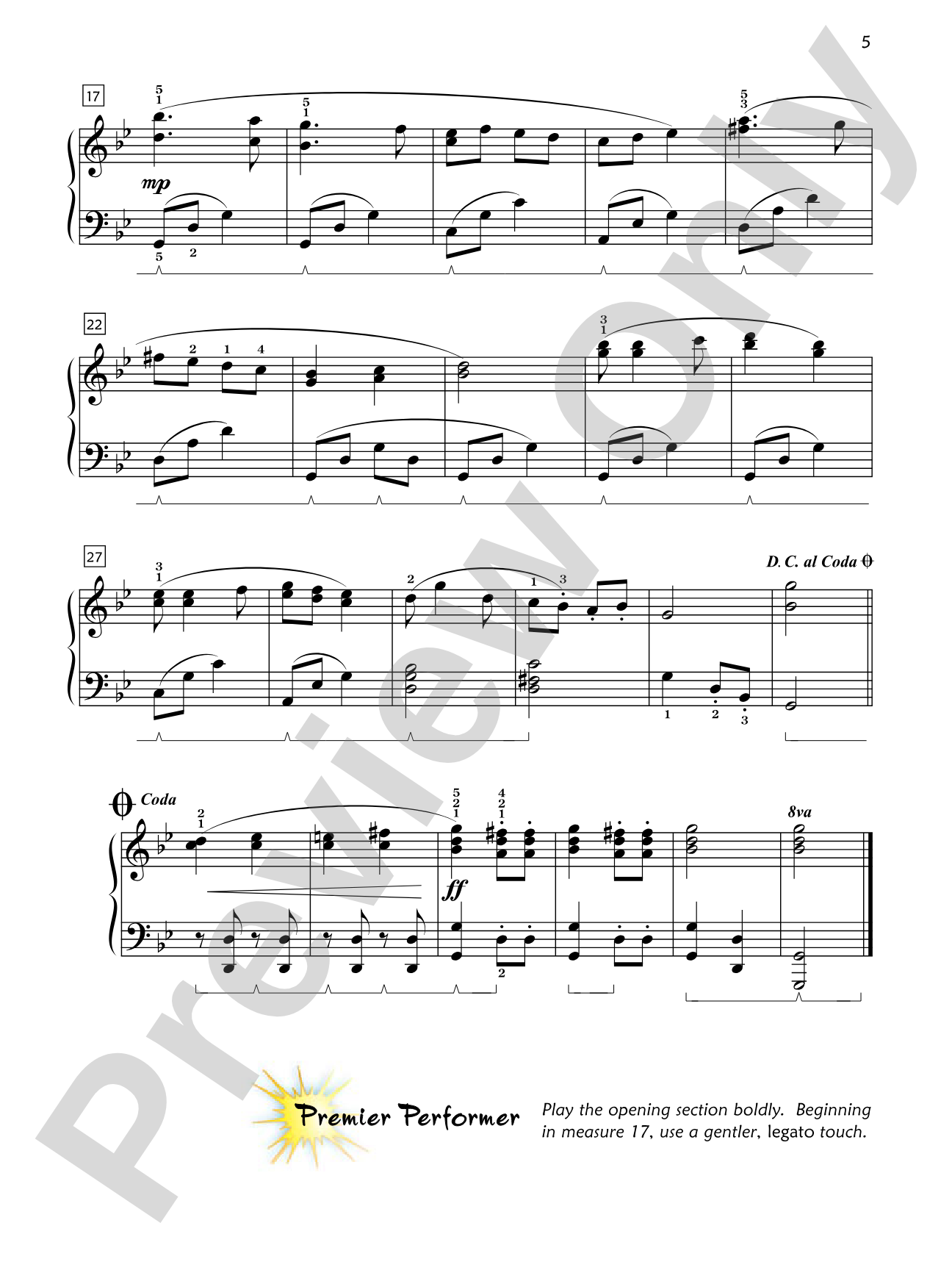
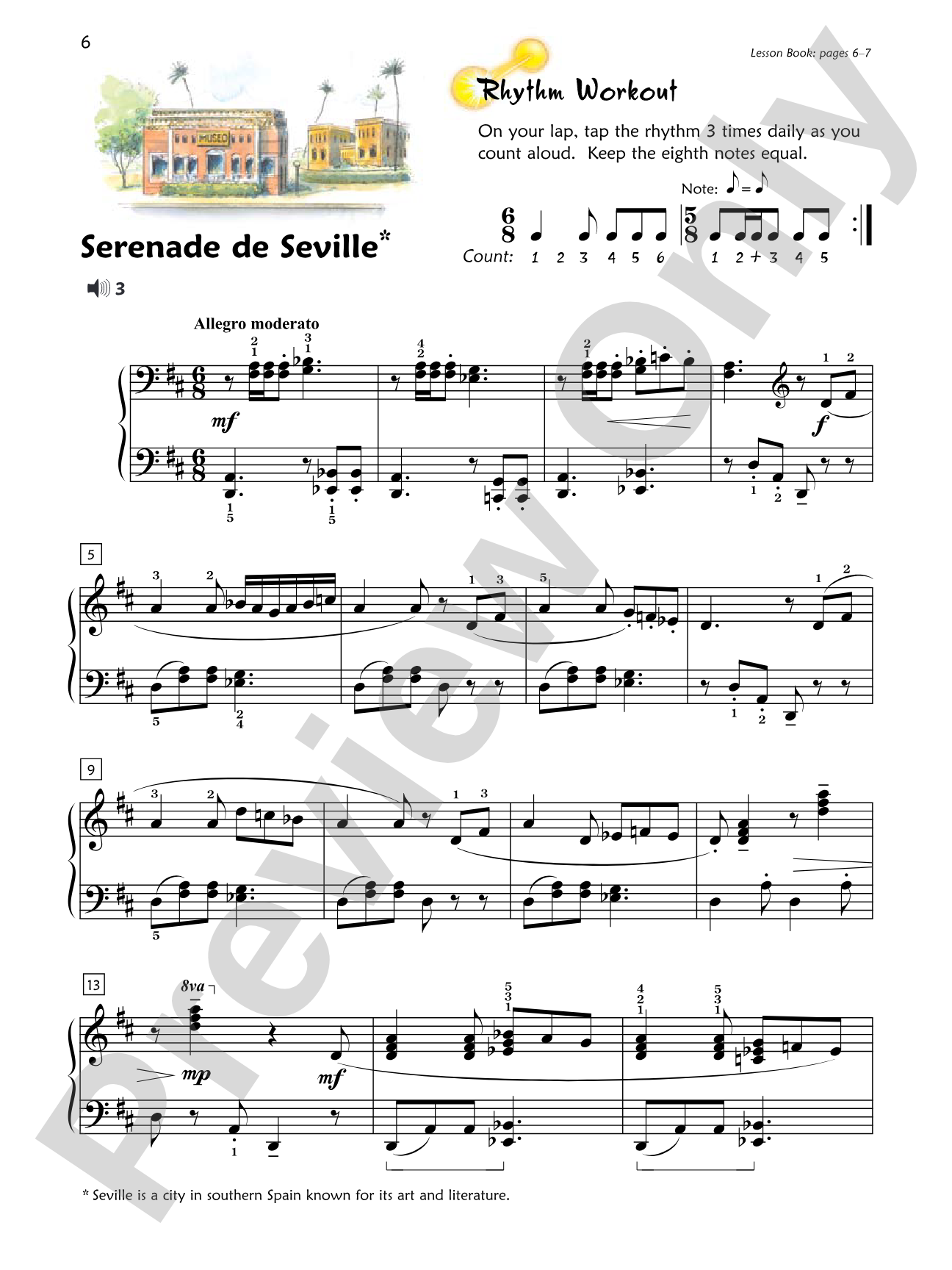
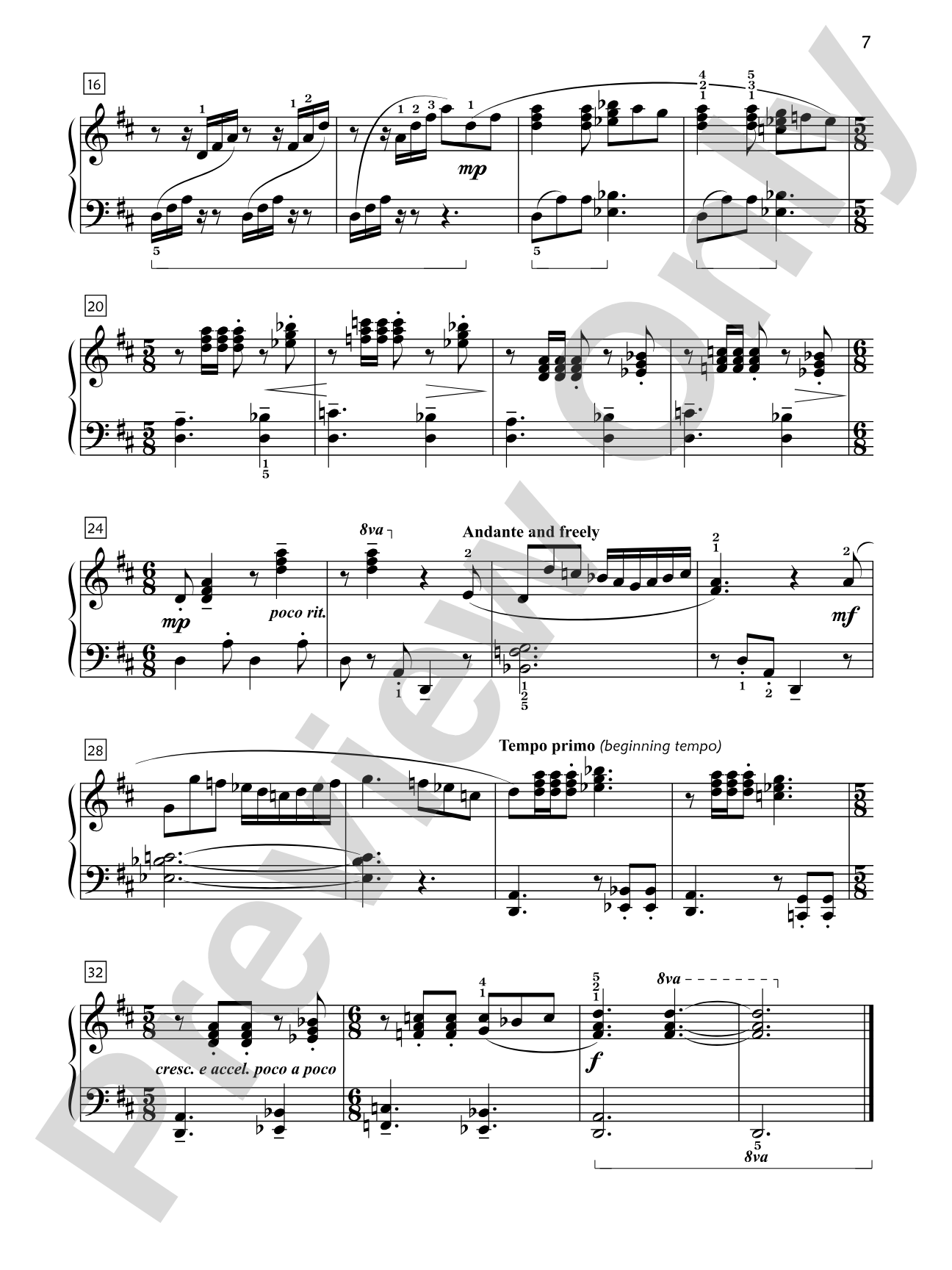
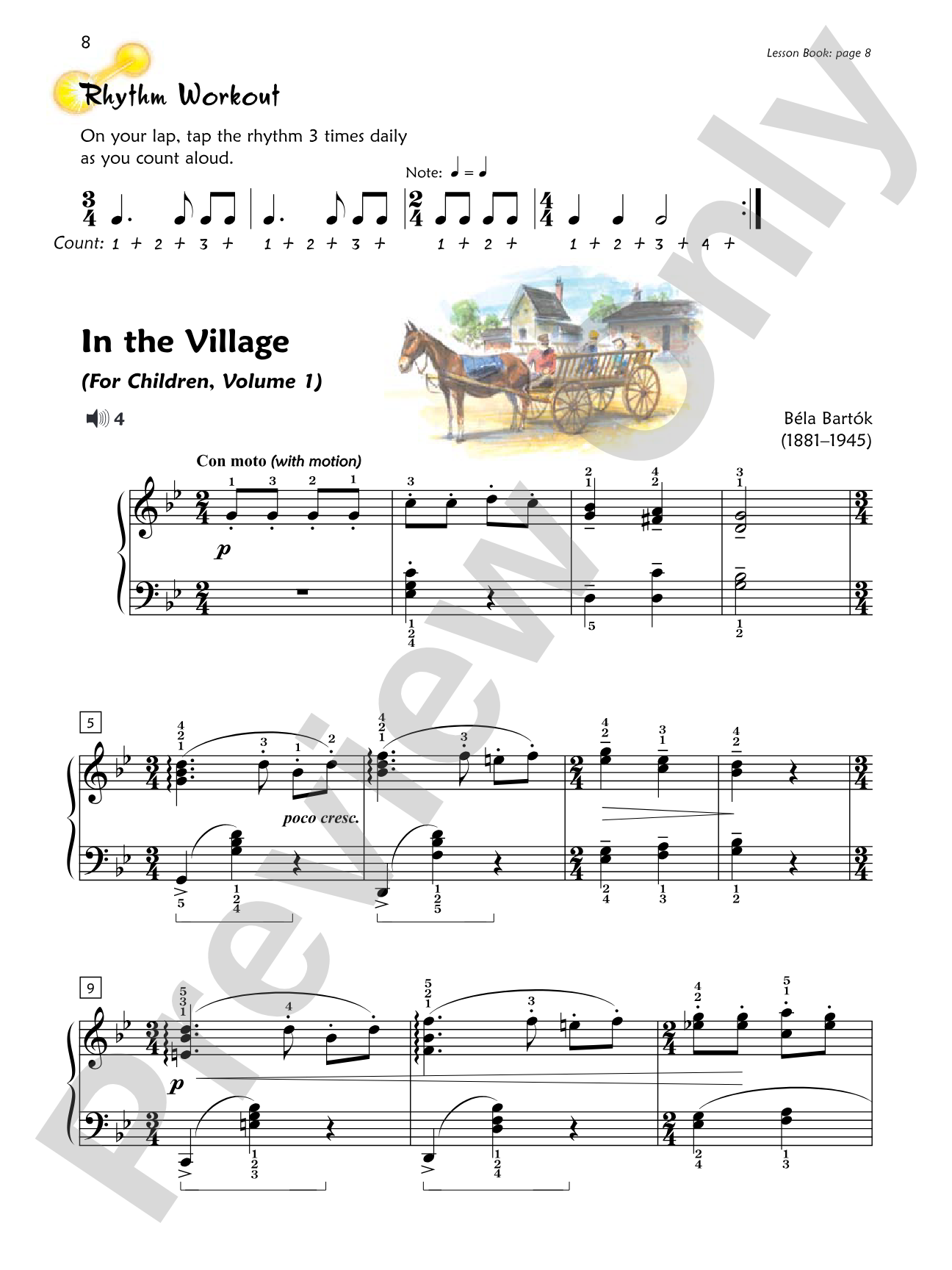
The fresh and appealing music contained in Performance Book 6 expands the technical and harmonic vocabulary of students. An eclectic mix of popular styles---from ballads to rock to ragtime---is balanced with favorite repertoire from the Classical, Romantic and Contemporary periods. Performance tips help the student play musically and stylistically. Each piece on the included CD was recorded at a performance tempo and a slower practice tempo.
The audio for this book is also available for download here


The audio for this book is also available for download here
Premier Piano Course, Performance 6: Piano isn't in MakeMusic Cloud just yet...but it could be. Let us know you'd like to see it, and you'll help shape what comes next. In the meantime, start a free trial and dive into thousands of interactive titles your students can play along with today.
Request This Title
Tell us you want it.
Start Your Free Trial
Explore everything that's ready to play right now.
Sample Audio
1
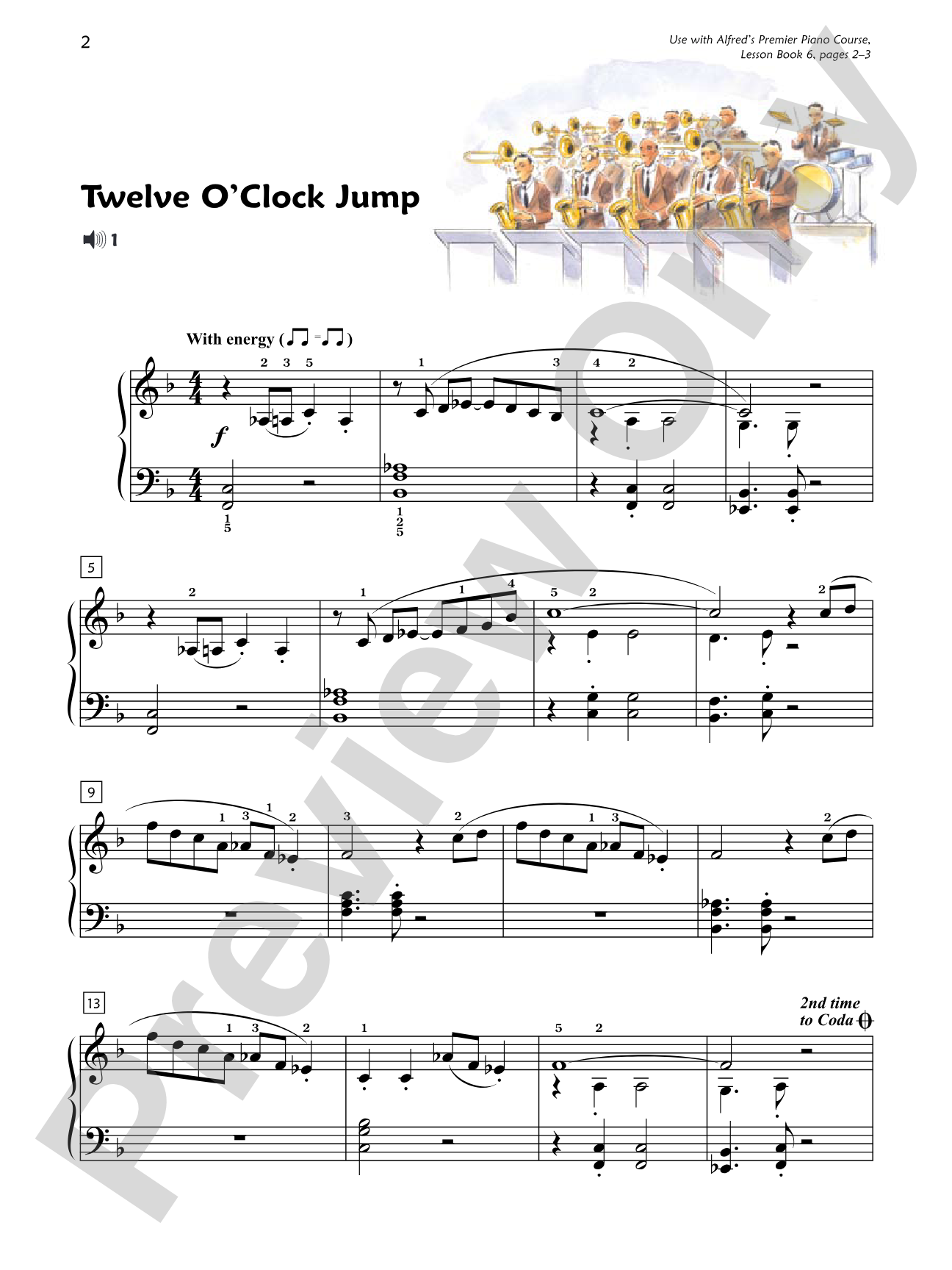
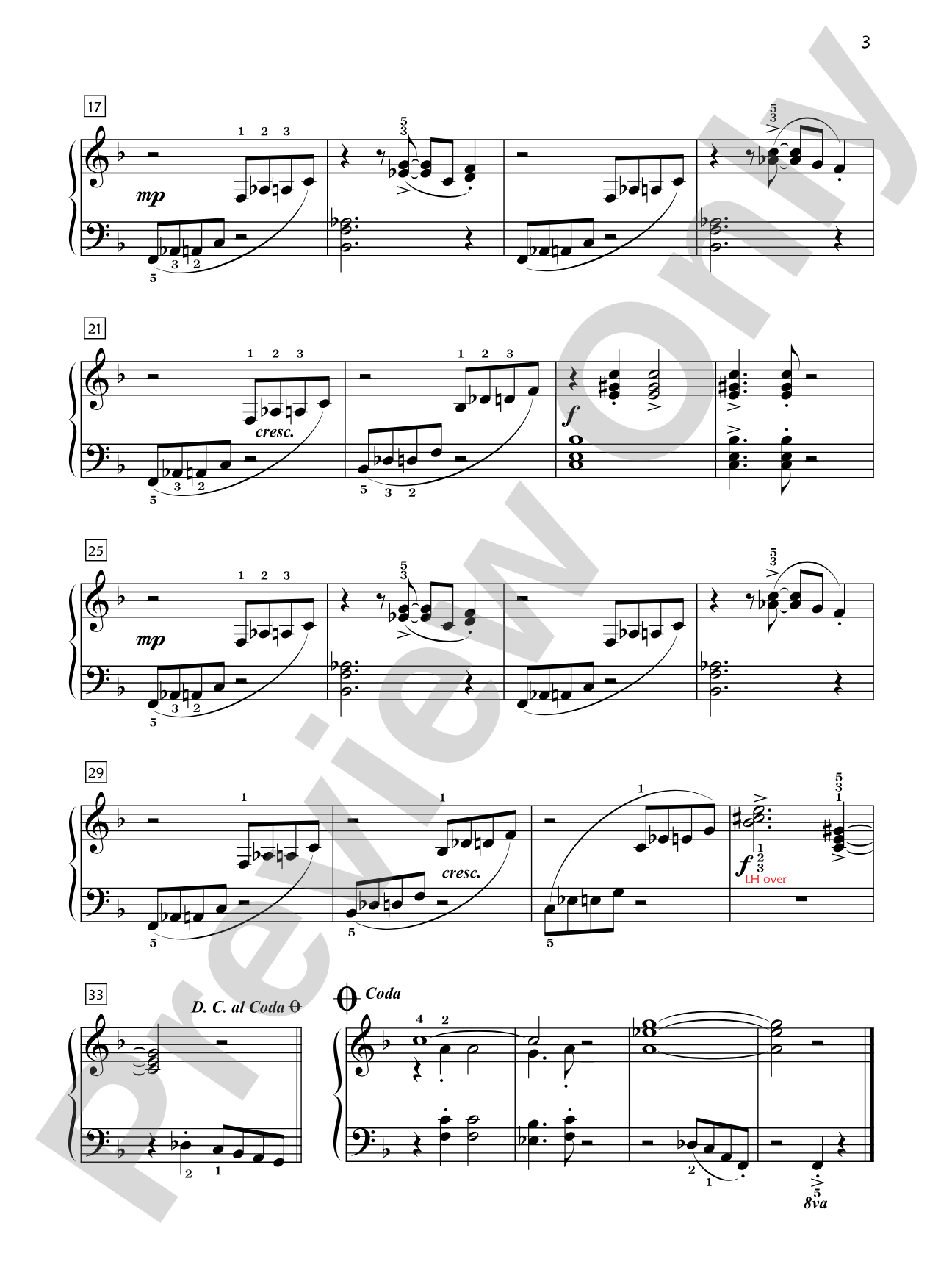
01 Twelve O'Clock Jump - Performance Tempo
--:--
2
02 Twelve O'Clock Jump - Practice Tempo
--:--
3
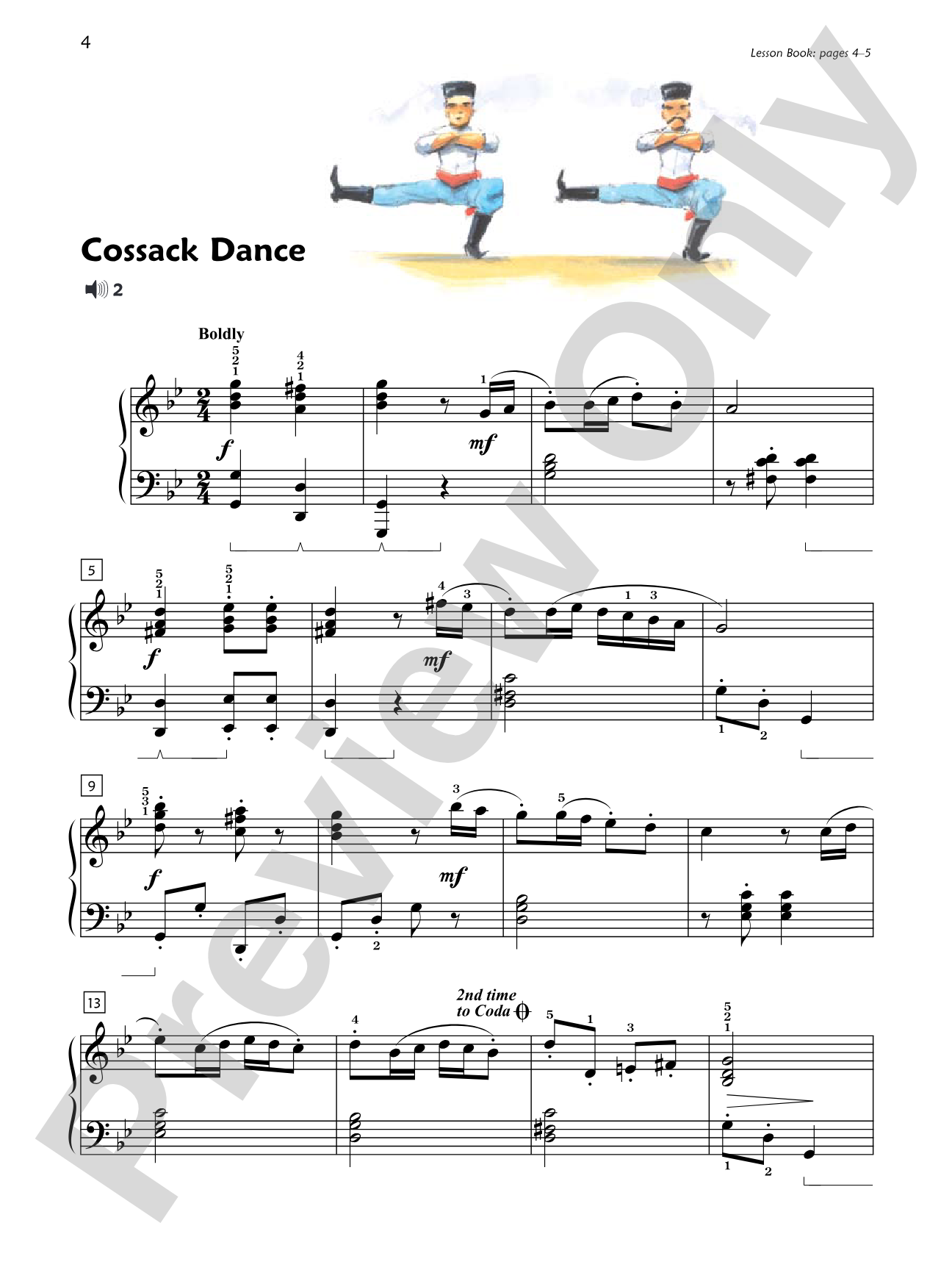
03 Cossak Dance - Performance Tempo
--:--
4
04 Cossak Dance - Practice Tempo
--:--
5
05 Serenade de Seville - Performance Tempo
--:--
6
06 Serenade de Seville - Practice Tempo
--:--
7
07 In the Village - Performance Tempo
--:--
8
08 In the Village - Practice Tempo
--:--
9
09 Waltz in B Minor - Performance Tempo
--:--
10
10 Waltz in B Minor - Practice Tempo
--:--
11
11 Friday Night Rock - Performance Tempo
--:--
12
12 Friday Night Rock - Practice Tempo
--:--
13
13 Solfeggio in C Minor - Performance Tempo
--:--
14
14 Solfeggio in C Minor - Practice Tempo
--:--
15
15 Trevi Fountain - Performance Tempo
--:--
16
16 Trevi Fountain - Practice Tempo
--:--
17
17 The Wild Rider - Performance Tempo
--:--
18
18 The Wild Rider - Practice Tempo
--:--
19
19 Southern Dreams - Performance Tempo
--:--
20
20 Southern Dreams - Practice Tempo
--:--
21
21 Valse mystérieuse - Performance Tempo
--:--
22
22 Valse mystérieuse - Practice Tempo
--:--
23
23 The Avalanche - Performance Tempo
--:--
24
24 The Avalanche - Practice Tempo
--:--
25
25 1950s Rock 'n' Roll - Performance Tempo
--:--
26
26 1950s Rock 'n' Roll - Practice Tempo
--:--
27
27 Jazz Reflections - Performance Tempo
--:--
28
28 Jazz Reflections - Practice Tempo
--:--
29
29 Sonatina in G Major - 1st Movement - Performance Tempo
--:--
30
30 Sonatina in G Major - 1st Movement - Practice Tempo
--:--
31
31 Sonatina in G Major - 2nd Movement - Performance Tempo
--:--
32
32 Sonatina in G Major - 2nd Movement - Practice Tempo
--:--
33
33 Reverie - Performance Tempo
--:--
34
34 Reverie - Practice Tempo
--:--
35
35 Magnolia Rag - Performance Tempo
--:--
36
36 Magnolia Rag - Practice Tempo
--:--
01 Twelve O'Clock Jump - Performance Tempo
0:00
0:00
Sample Video
Additional Details
Series:
Premier Piano Course
Publisher:
Alfred Music
Page Count:
32
SKU:
00-PB-0000958
More about this title
About the Composer: Dennis Alexander

Dennis Alexander has shaped educational piano pedagogy for over four decades through his prolific output with Alfred Music Publishing. Since 1986, he has composed more than 400 publications and recordings that span all student levels, establishing himself as one of the most widely taught composers in American piano studios. He earned his degree from the University of Kansas and spent 24 years at the University of Montana as a piano professor and department chair, where he taught applied piano, class piano, and piano pedagogy before retiring in 1996.
Alexander's work extends beyond the studio. He has performed at Carnegie Recital Hall as both soloist and collaborative artist for internationally recognized musicians, conducted master classes at the Music Teachers National Association convention, and served as a clinician at numerous state and national conferences. His compositions have been commissioned by organizations across the country, and he has toured internationally to conduct workshops and performances in Asia, Europe, and beyond. He currently resides in Albuquerque, New Mexico, where he maintains an active composing schedule.
Why we love this
At Level 6, students need music that challenges their growing harmonic awareness without overwhelming their technical grasp. This collection does exactly that by threading pieces across multiple idioms, ragtime, rock, ballads, and classical forms, so repertoire feels like discovery rather than drill. The dual-tempo recordings transform practice from solitary work into guided learning, and the performance tips embedded throughout address real musical questions that arise during preparation.
What to expect
Performance Book 6 feels like stepping into a wider musical world. You'll encounter ballads with rubato and sophistication, rhythmic energy in rock and ragtime pieces, and the elegant phrasing that defines classical writing. Each style carries its own voice and demand, making the journey through the book genuinely varied and rewarding.
Who it's for
Students at Level 6 who are ready to expand beyond foundational repertoire and develop a more sophisticated harmonic and technical palette. This book works for young pianists preparing for recitals, students in group lessons, or those building confidence in multiple musical styles.
How to get the most out of it
- Reference the performance tips in the book before learning each piece; they target the specific stylistic character you're after, whether it's ragtime swing or Romantic lyricism.
- Use the practice tempo recording as a reference guide, then experiment with tempo yourself as your comfort increases. The slower version helps you lock in accuracy before moving toward performance tempo.
- Balance technical accuracy with musical intent. A technically clean piece played without phrasing or dynamic shape will sound hollow; the music notation guides you, but your interpretive choices bring it to life.
How to use it
Assign pieces from this book to students preparing for winter and spring recitals, selecting repertoire that matches their strengths and interests. The eclectic mix means different students can program different styles on the same recital without repetition. You might also use individual pieces as technique-building stepping stones within a semester curriculum, introducing new harmonic or rhythmic concepts through music that students actually enjoy playing.
Skills your students will build
- Reading and performing varied harmonic progressions beyond diatonic harmony
- Interpreting stylistic markers in different genres (ragtime syncopation, ballad rubato, rock articulation, Classical phrase structure)
- Dynamic and pedal control within longer, more complex phrases
- Performing at multiple tempos with rhythmic accuracy and musical expression