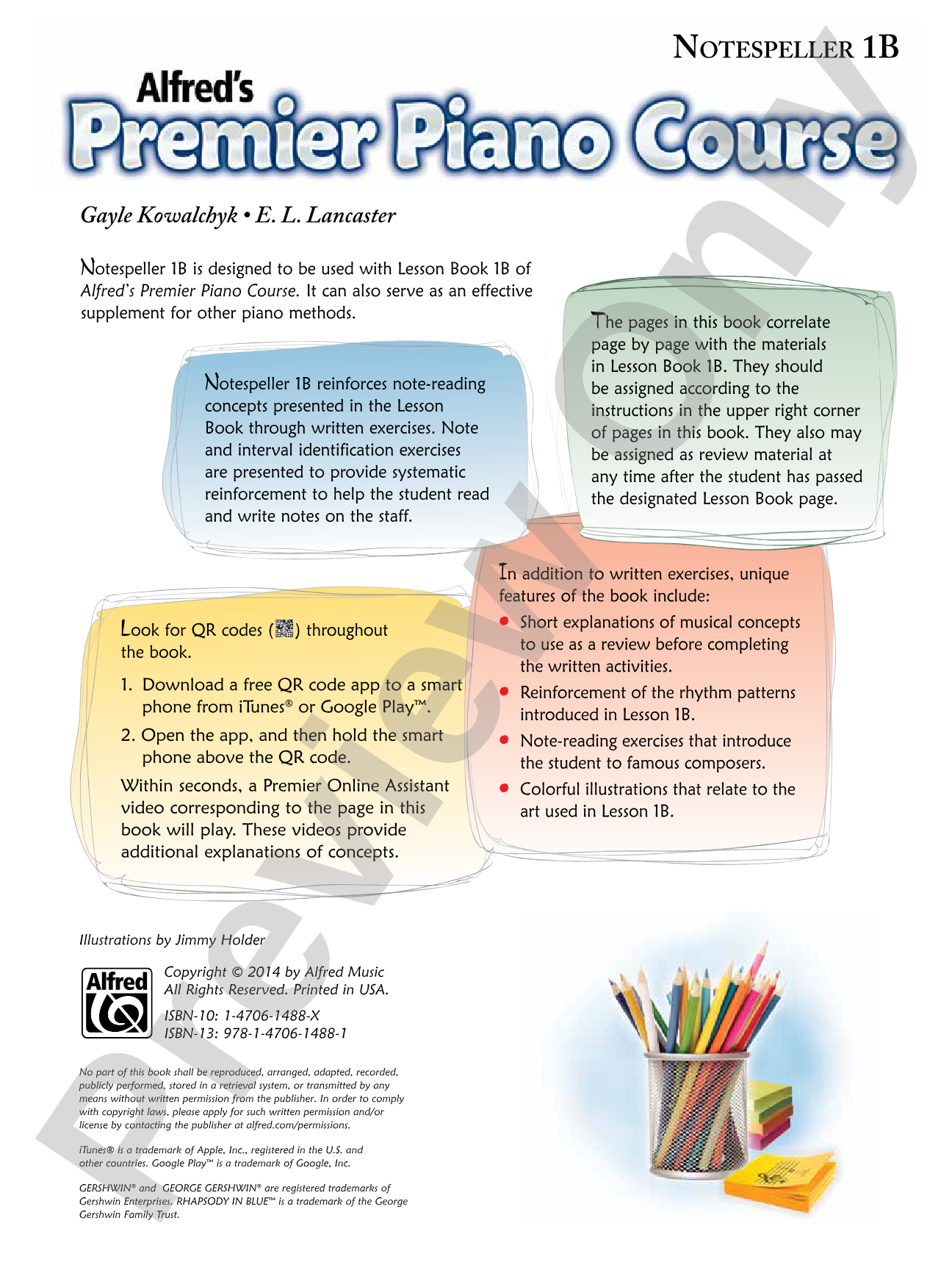
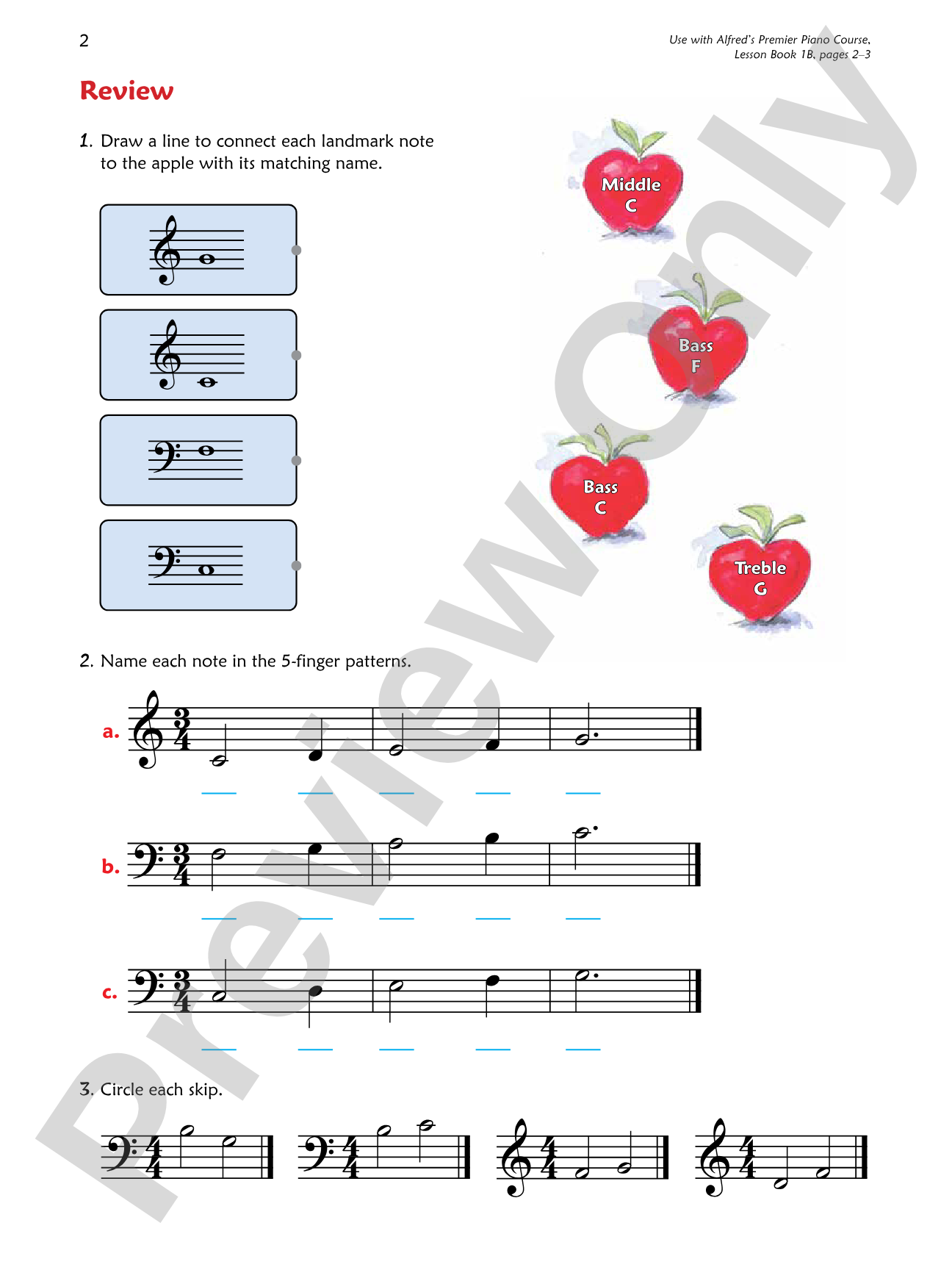
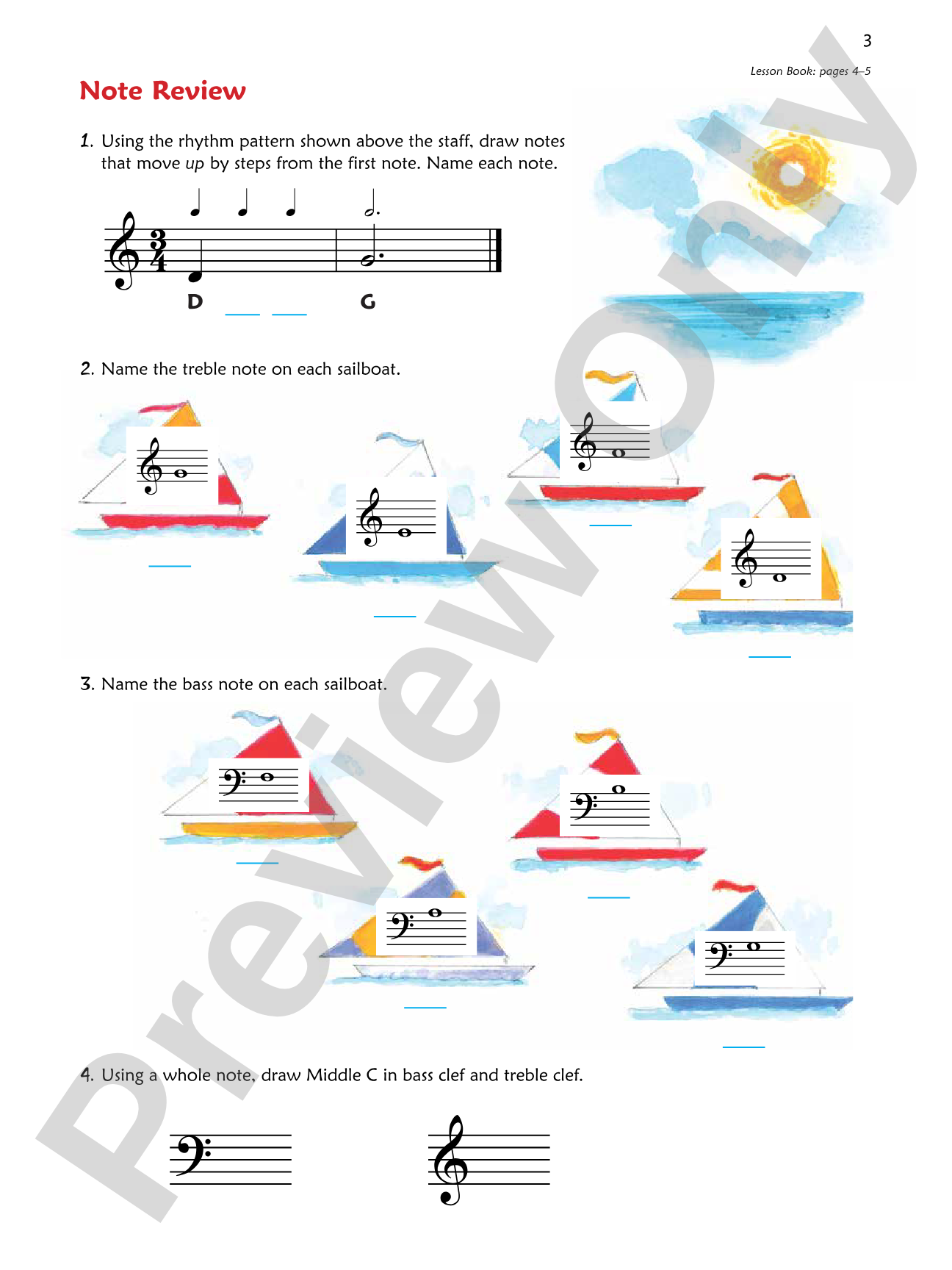
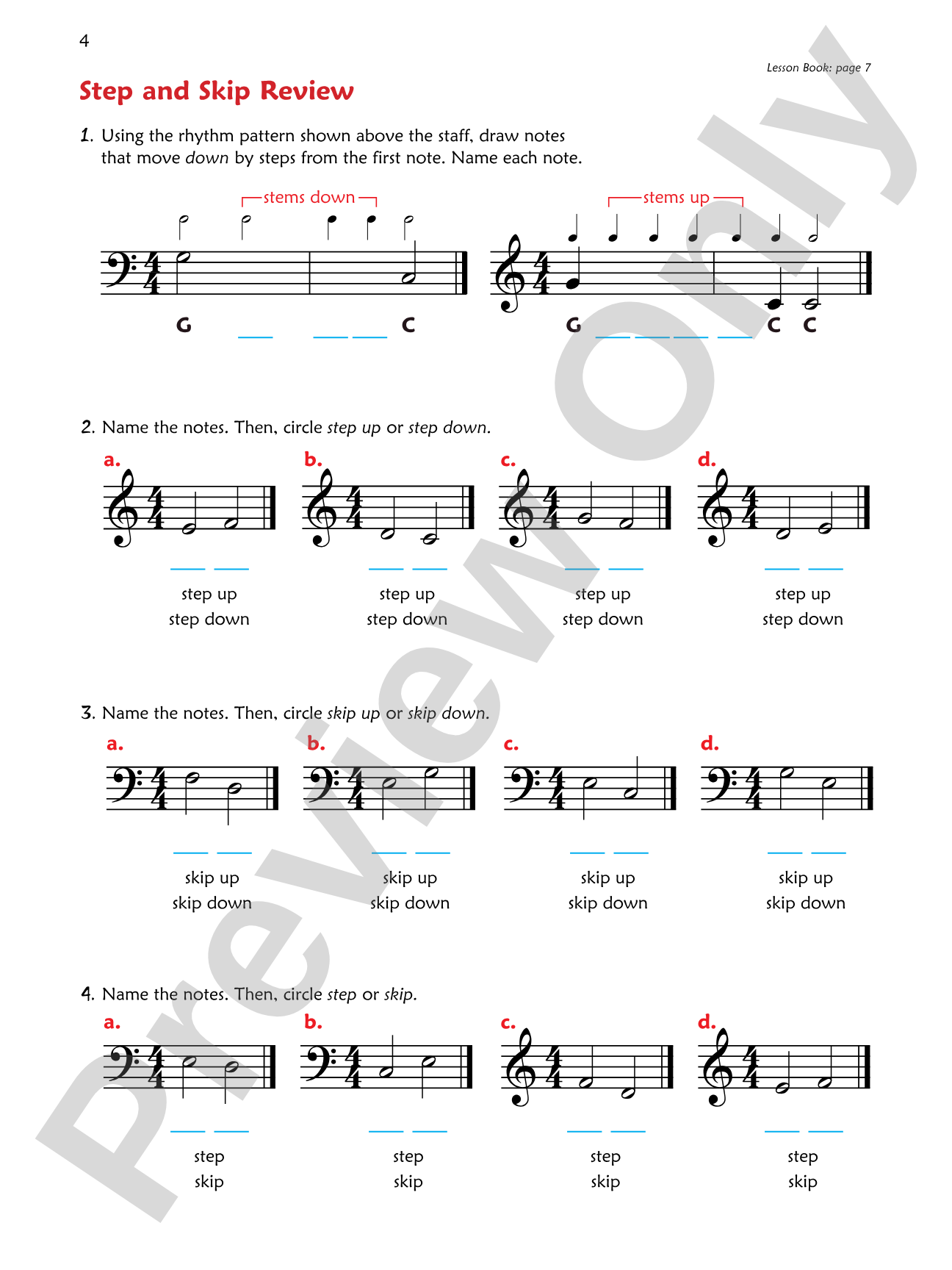
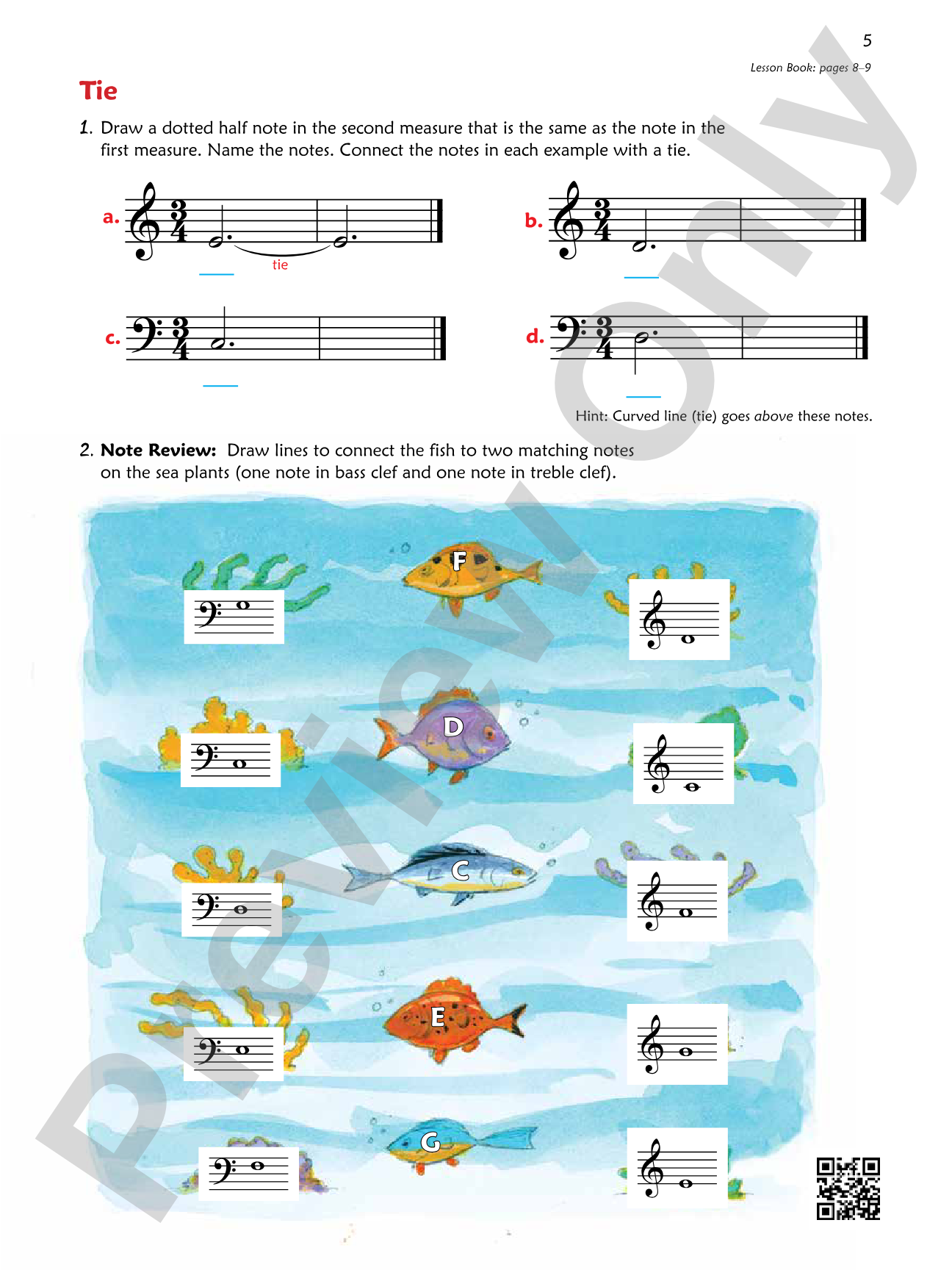
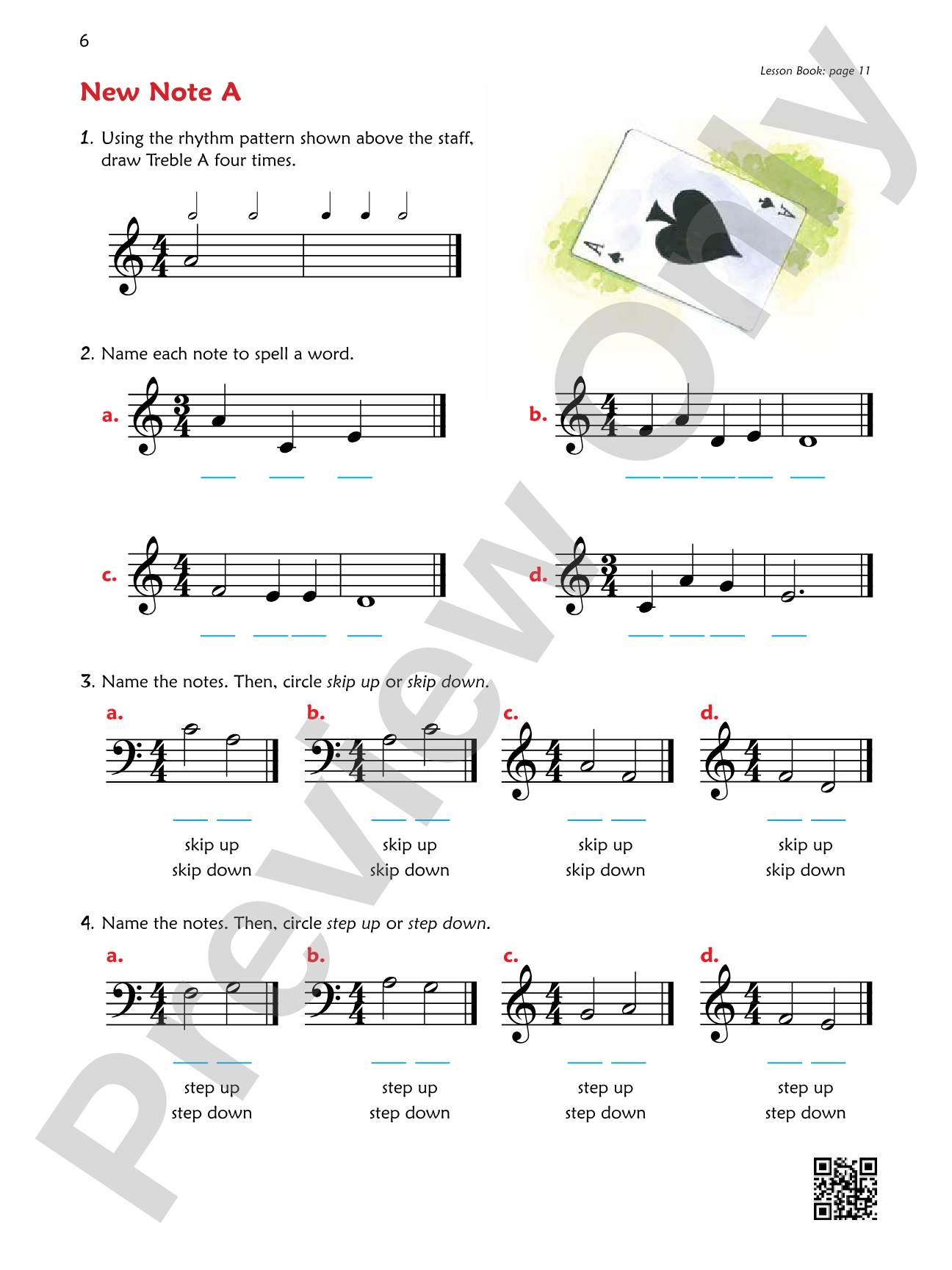
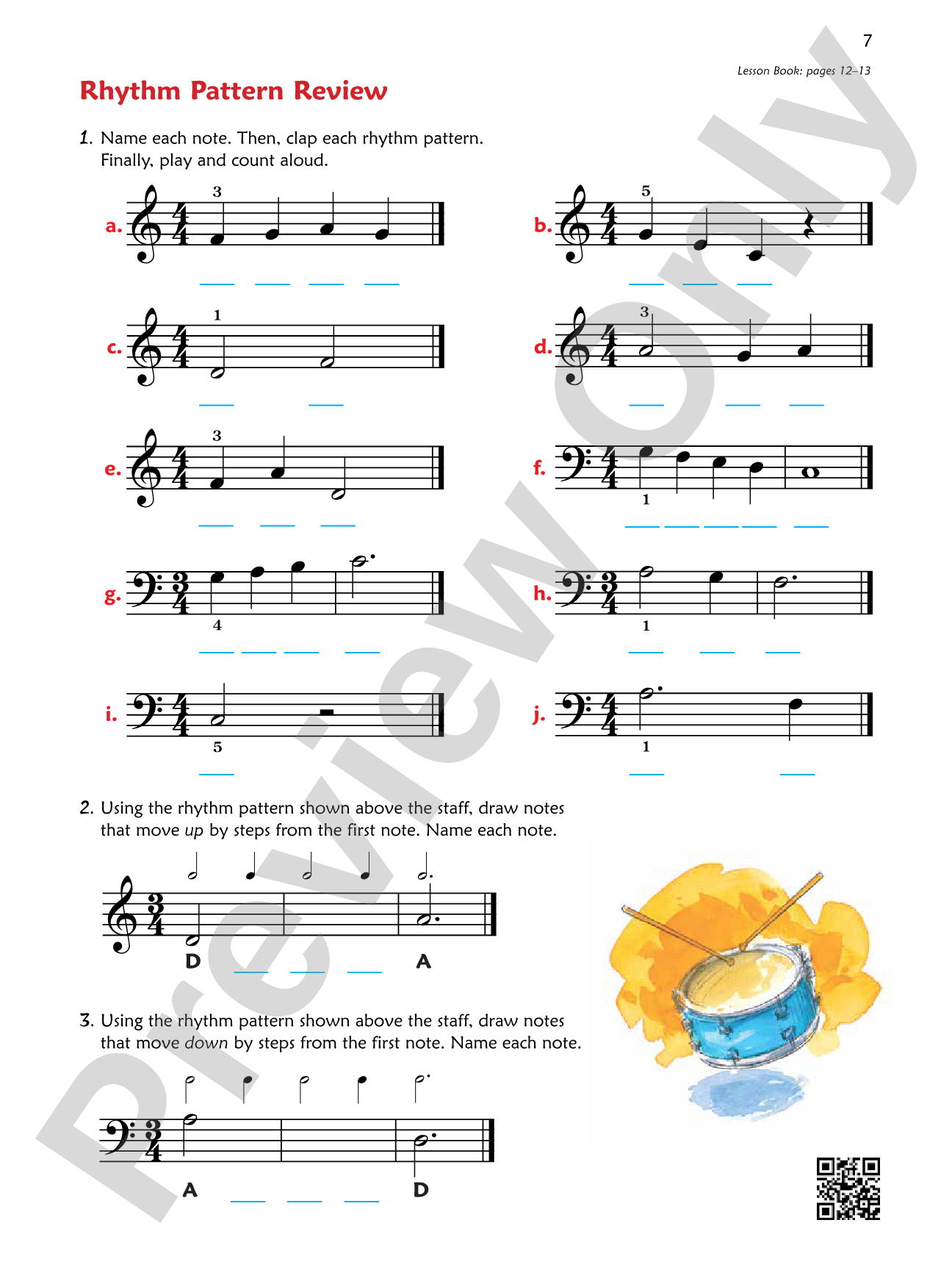
Notespeller 1B reinforces note-reading concepts presented in Lesson Book 1B through written exercises. Note and interval identification exercises are presented to provide systematic reinforcement to help the student read and write notes on the staff. QR codes are included and link directly to Premier Online Assistant videos that further support and increase understanding of the concepts.
Discover MakeMusic Cloud: thousands of interactive titles your students can play along with today.
Dr. Gayle Kowalchyk brings decades of piano pedagogy expertise to every page she writes. A faculty member at California State University, Northridge, where she teaches class piano and piano pedagogy, she holds degrees in piano performance from Ohio University and Northwestern University, plus an Ed.D. in piano pedagogy from Teachers College, Columbia University. Her teaching career spans university programs across the country, including leadership roles in class piano and preparatory piano instruction, alongside summers teaching at the National Music Camp in Interlochen.
With her husband, Dr. E. L. Lancaster, Kowalchyk has authored over 300 educational piano publications, including the widely adopted Premier Piano Course and Music for Little Mozarts series. Her work as a clinician and presenter at national conferences for MTNA, MENC, and specialized pedagogy organizations reflects a sustained commitment to teacher development and student learning. She continues to serve as a clinician for Alfred Music while maintaining her university teaching responsibilities.
Why we love this
This workbook directly reinforces the reading concepts students encounter in their lesson book, making the written practice feel purposeful rather than supplementary. The systematic progression through note and interval identification mirrors how your students are actually learning, so completion feels like progress rather than busywork. Embedded QR codes connecting to video instruction turn independent practice into a supported learning environment, giving you confidence that students can work through exercises productively at home.
What to expect
Clear, methodical, and intentionally paced. Every exercise builds on the previous one without overwhelming, and the inclusion of video support makes it feel like the student has a teacher's voice available whenever they're stuck. The writing is straightforward and uncluttered, letting the musical concepts take center stage.
Who it's for
This workbook is designed for students working through the Premier Piano Course Lesson Book 1B who benefit from extra reinforcement of note-reading skills. It works especially well for younger learners who need written practice to solidify their understanding of staff notation, intervals, and rhythmic relationships.
How to get the most out of it
Have students complete the exercises in sequence without skipping ahead; the scaffolding is deliberate, and jumping around can create gaps in foundational understanding
Assign specific pages to correspond with lesson book chapters rather than working through the entire book at once, keeping written work aligned with what's being learned at the lesson
Encourage students to use the QR code videos before attempting an exercise if they're uncertain, turning the resource into preventive support rather than remedial work
Check completed pages weekly during lessons to catch misunderstandings early and reinforce correct notation habits before they become entrenched
How to use it
Assign pages as homework companions to specific lesson book chapters, creating a coordinated reinforcement system that deepens retention without adding extra concepts. The 32 pages span roughly a year of study at this level, so you can distribute them proportionally throughout your teaching year. For studio teachers managing multiple students, this workbook reduces the time needed to create supplementary exercises while ensuring consistency across your studio's approach to note-reading literacy.
Skills your students will build
Note identification on the treble and bass staves
Interval recognition and naming
Written music notation accuracy
Staff reading fluency and automaticity
Connection between written notation and keyboard placement
You May Also Like
Scan to Complete Your Purchase
Use your phone's camera to scan the code below
You'll log in on your phone and the order will be added to your account