

Premier Piano Course, Masterworks 4: Correlated Standard Repertoire: Piano
Correlated Standard Repertoire
Ed. Gayle Kowalchyk and E. L. Lancaster
Level: 4
Item: 00-PB-0000967
$8.99
Pickup currently not available
Related Items
Premier Piano Course, Masterworks 4: Piano Book & Online Audio |
$8.99
|
View |
Description
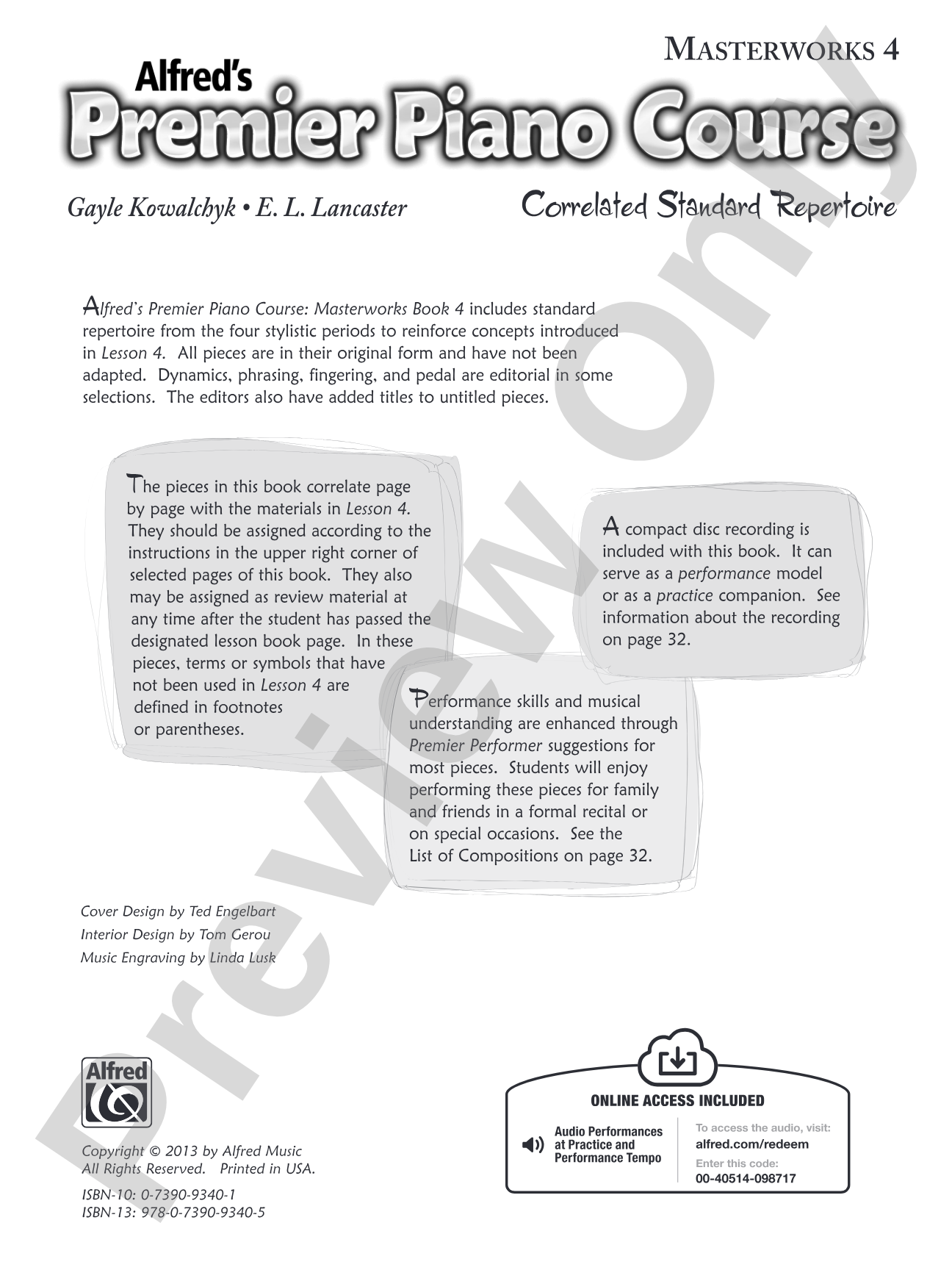
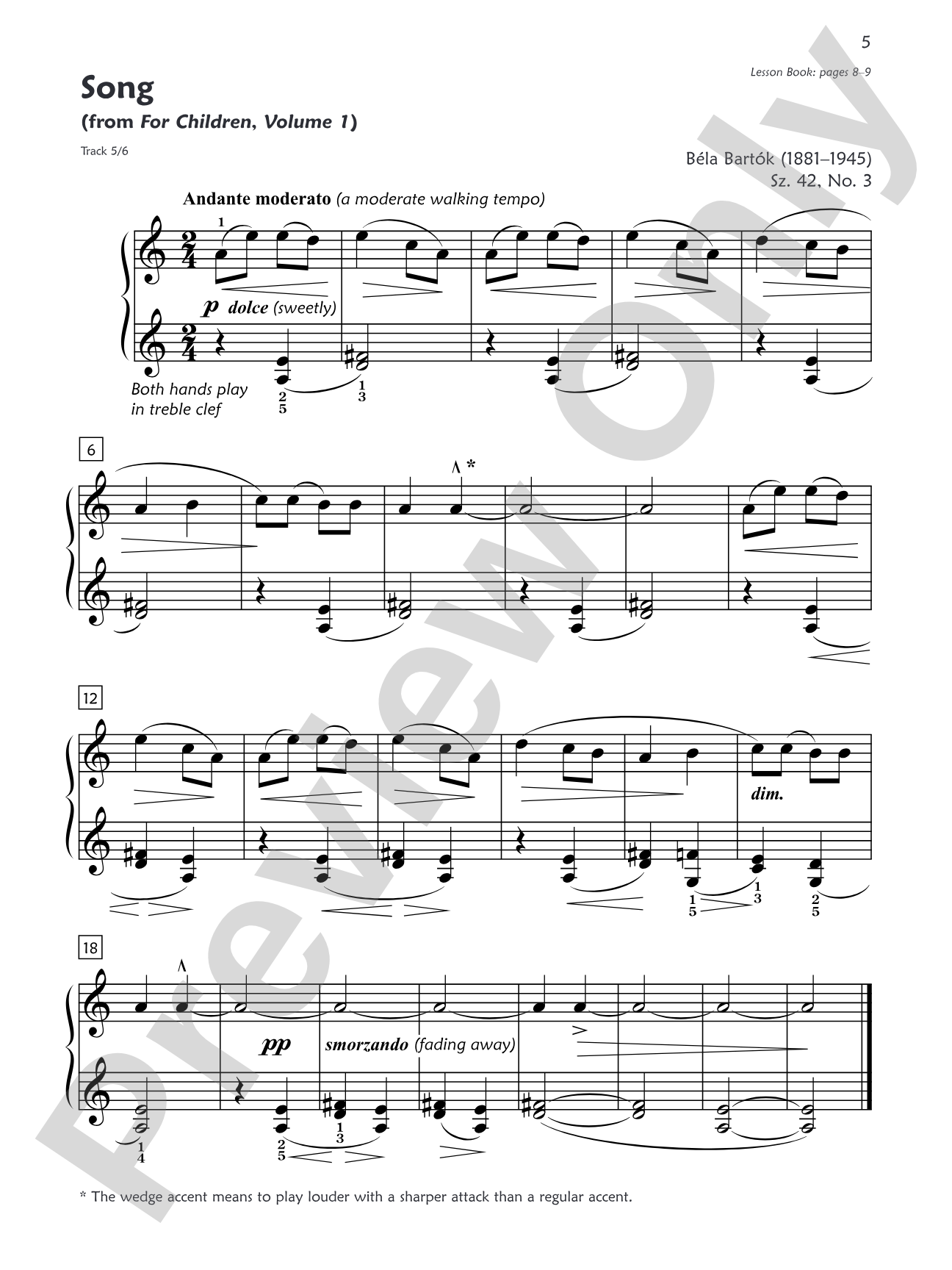
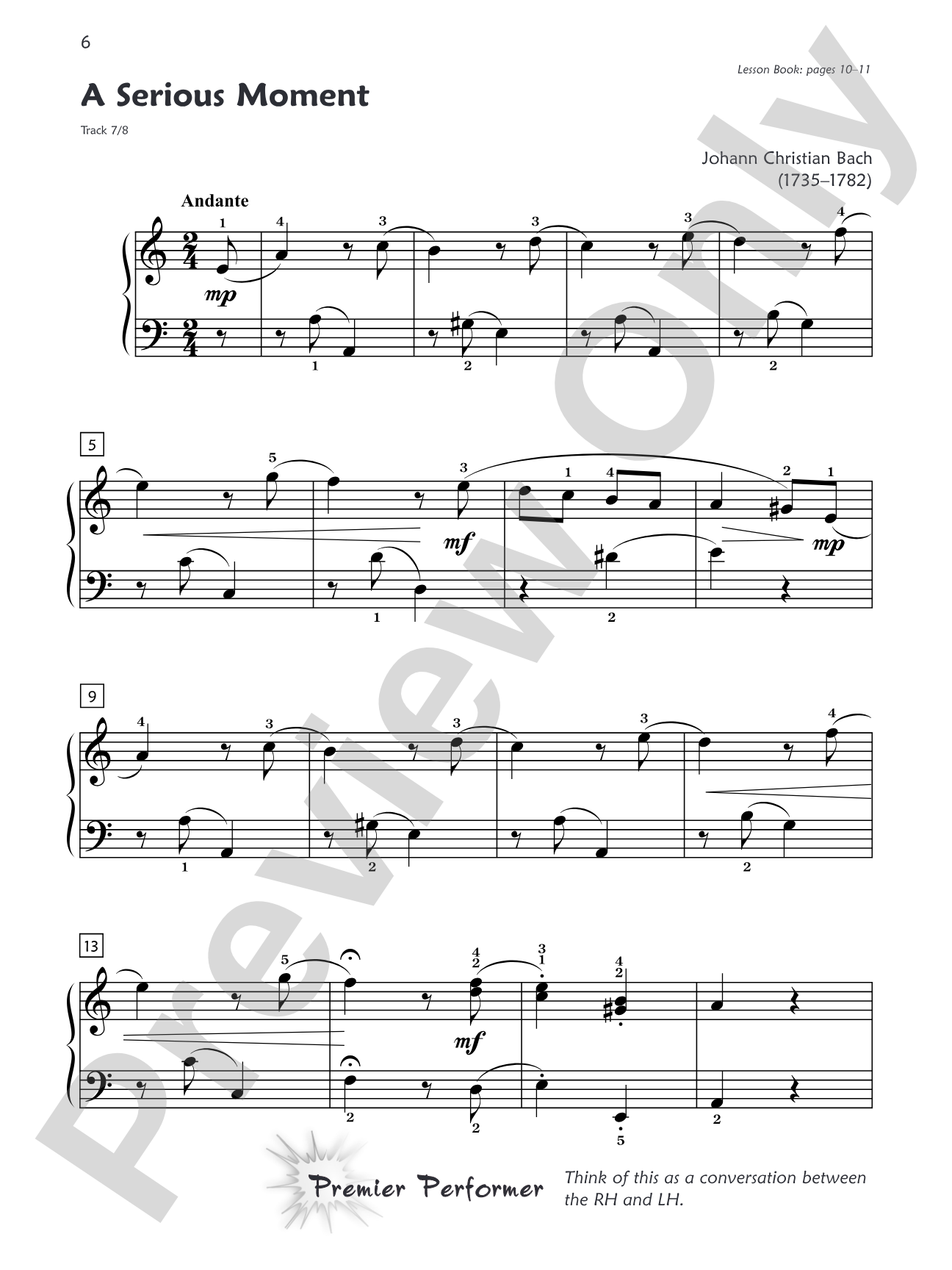
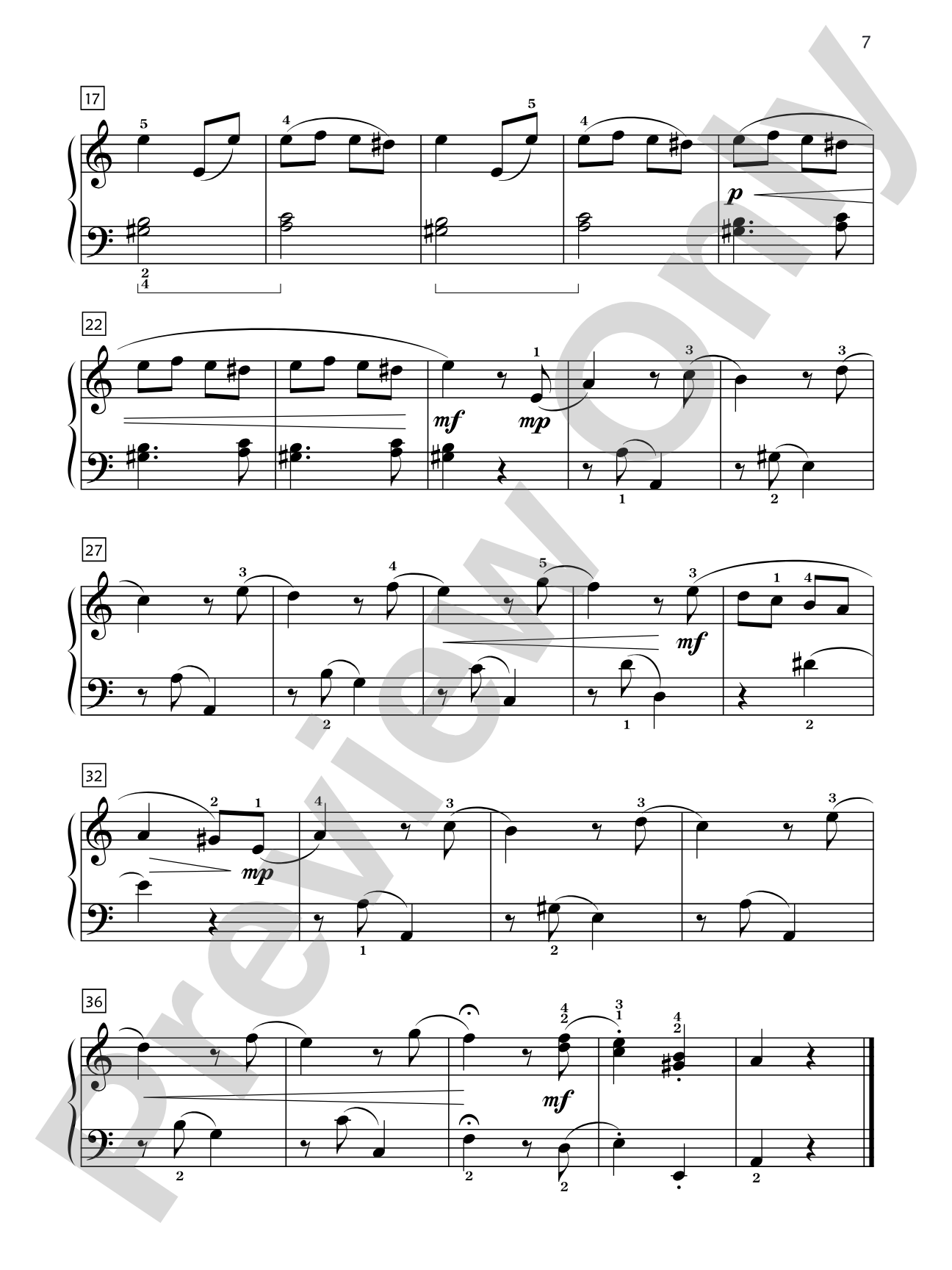
Premier Piano Course Masterworks Book 4 includes standard repertoire from the four stylistic periods to reinforce concepts introduced in Lesson Book 4. Except for "Jazzy Trumpets," the pieces are in their original form and have not been adapted. Dynamics, phrasing, fingering, and pedal are editorial in some selections. The editors have also added titles to untitled pieces. Performance skills and musical understanding are enhanced through Premier Performer suggestions. Students will enjoy performing these pieces for family and friends in a formal recital or on special occasions.


Discover MakeMusic Cloud: thousands of interactive titles your students can play along with today.
Sample Audio
1
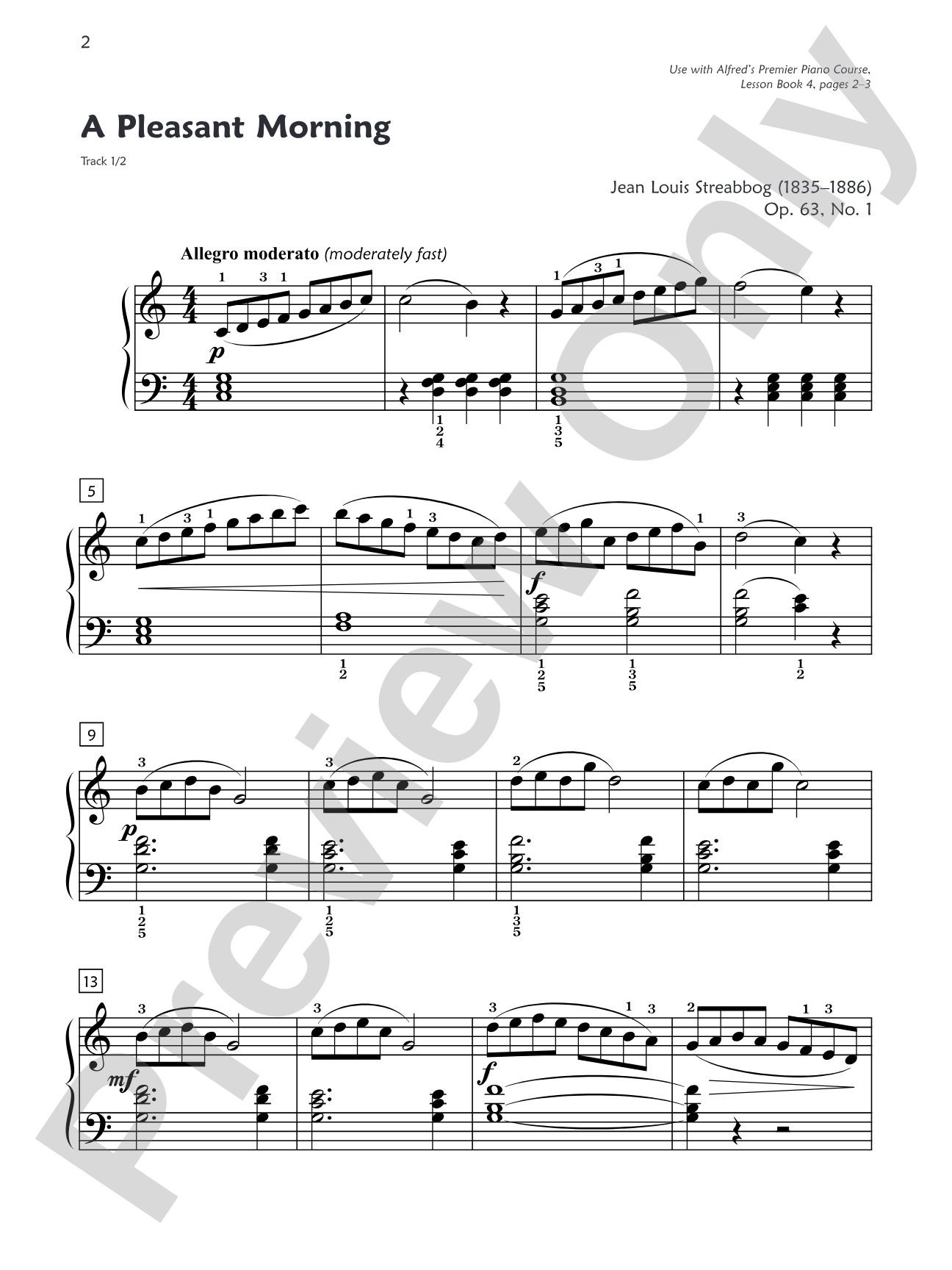
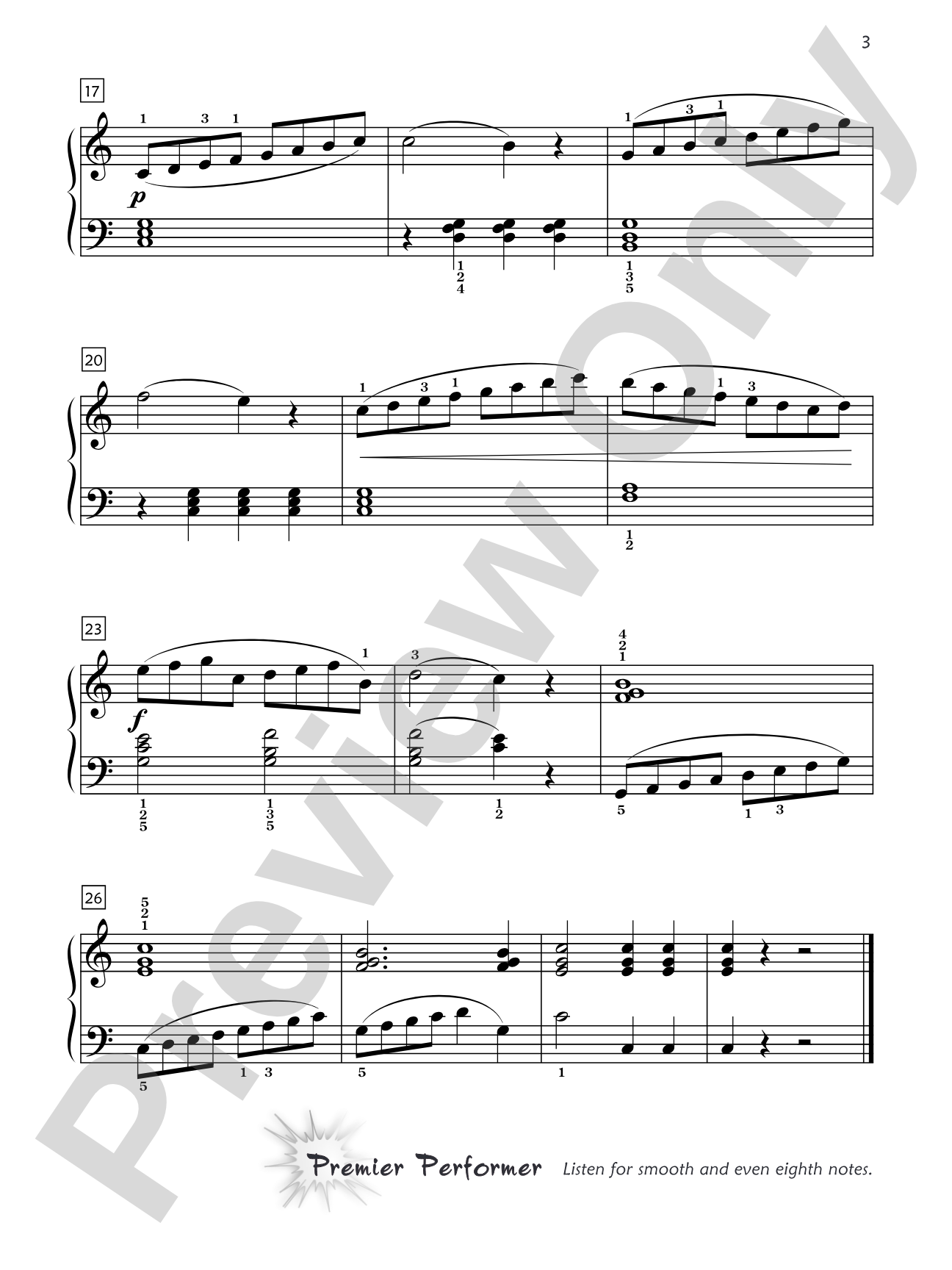
A Pleasant Morning [Performance Tempo]
--:--
2
A Pleasant Morning [Practice Tempo]
--:--
3
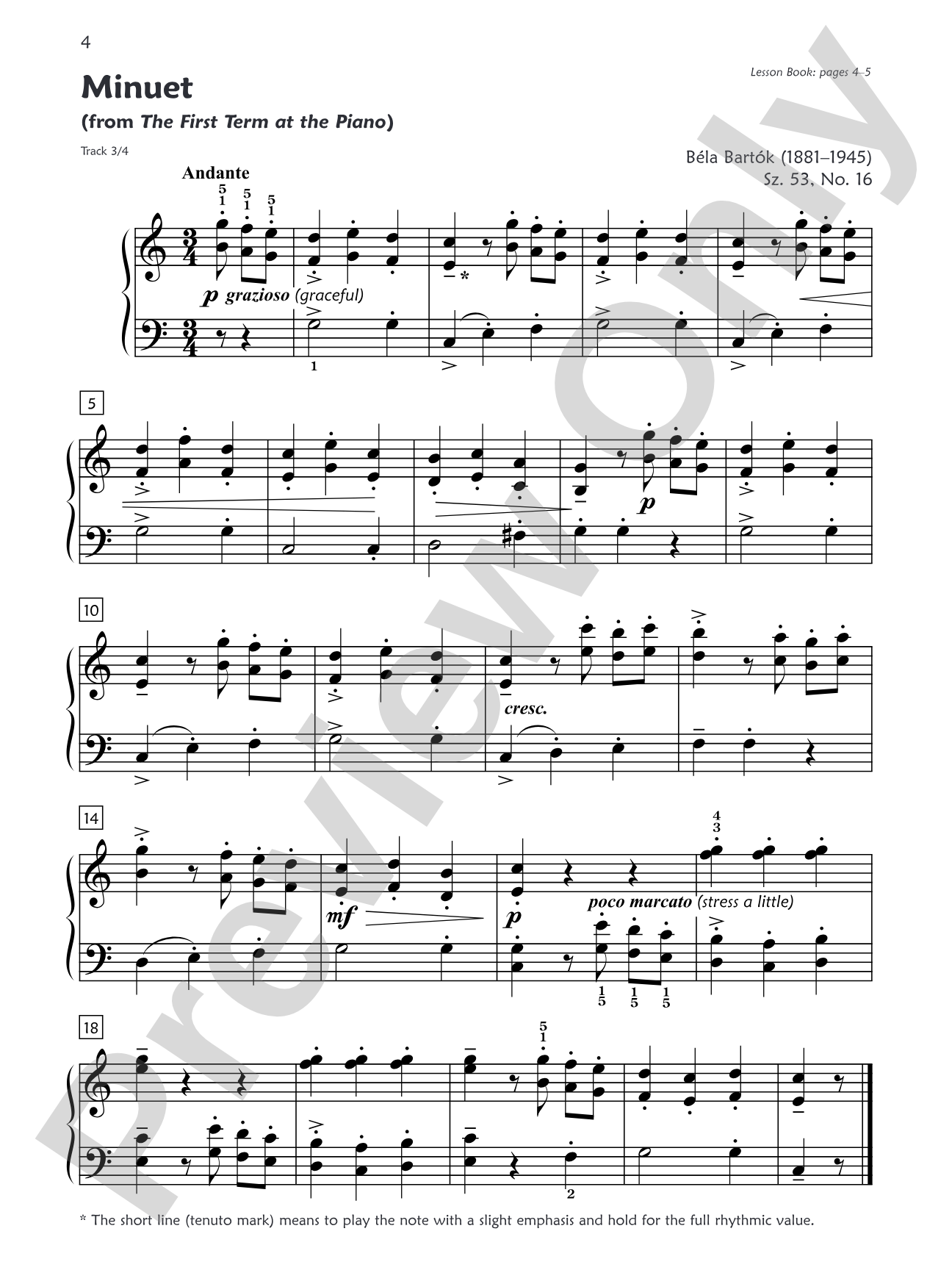
Minuet [Performance Tempo]
--:--
4
Minuet [Practice Tempo]
--:--
A Pleasant Morning [Performance Tempo]
0:00
0:00
Sample Video
No sample videos found.
Additional Details
Series:
Premier Piano Course
Publisher:
Alfred Music
Page Count:
32
SKU:
00-PB-0000967
More about this title
About the Arranger: Tom Gerou

Tom Gerou has established himself as a prolific voice in music education through over 160 publications spanning composition, arrangement, and pedagogical writing. His reference works, including the Essential Dictionary of Music Notation and Essential Dictionary of Orchestration, alongside his foundational contributions to the Premier Piano Course series, reflect a deep commitment to clarifying music for learners at all levels.
Gerou's piano arrangements have become foundational resources in teaching studios across North America, and his work appears throughout Alfred's extensive collections of hits, patriotic music, and praise repertoire. Educated at the University of Southern California (Bachelor of Music in composition) and Yale University (Master of Music in composition), he has received commissions from the North Dakota Music Teachers Association and the Music Teachers National Association Collaborative Commissioning Project. His accolades include two Los Angeles Drama Critics Circle Awards for original theatrical music, a Morton Gould Young Composer Award, and recognition through the Rena Greenwald and Jimmy McHugh composition prizes. Gerou's teaching influence extends internationally through workshops presented across the United States, Australia, Canada, China, Southeast Asia, and the Pacific region.
Why we love this
Pairing authentic repertoire with a coherent pedagogical framework means students aren't just playing pieces, they're absorbing stylistic vocabulary across Baroque, Classical, Romantic, and contemporary music. The editorial thoughtfulness (fingering, pedal markings, interpretive guidance) handles the annotation work so you can focus on the musicianship, while preserving each work's original integrity.
What to expect
These pieces range from elegant and ceremonial to playful and spirited, reflecting the stylistic variety of four centuries of keyboard writing. Whether navigating the mathematical precision of a Baroque invention or the lyrical richness of a Romantic miniature, students discover how different compositional eras shaped the piano's expressive possibilities.
Who it's for
This book serves Level 4 pianists ready to engage with authentic repertoire across Baroque, Classical, Romantic, and contemporary styles. Students at this level benefit from encountering pieces in their original form while receiving carefully considered editorial support that clarifies notation and performance practice.
How to get the most out of it
- Examine the editorial pedal markings closely; they show students how composers' harmonic intentions connect to resonance and color, not merely mechanical sound effects.
- Study the fingering suggestions as pedagogical choices, not arbitrary assignments. Notice how Gerou's fingering preserves hand position and sets up efficient movement for the passages ahead.
- Prepare the dynamics and phrasing markings as a unit. Experiment with how tempo interacts with your dynamic shaping to find the most musical interpretation.
How to use it
Draw from this book for individual recital selections throughout the level, allowing students to build a personal masterworks folder as they progress. The stylistic variety also serves chamber music exploration, pairing two or three contrasting pieces for a student solo recital creates programming architecture that mirrors professional concert design.
Skills your students will build
- Interpreting editorial markings (fingering, pedal, phrasing) as pedagogical scaffolding rather than fixed rules
- Understanding stylistic differences across Baroque, Classical, Romantic, and contemporary repertoire
- Balancing technical accuracy with expressive shaping across varying keyboard textures
- Connecting harmonic motion to pedal usage and resonance