



Prelude II: String Orchestra Conductor Score & Parts
By George Gershwin / arr. Tim McCarrick
Grade: 4
Item: 00-PK-0001745

$64.00
One moment…
Description
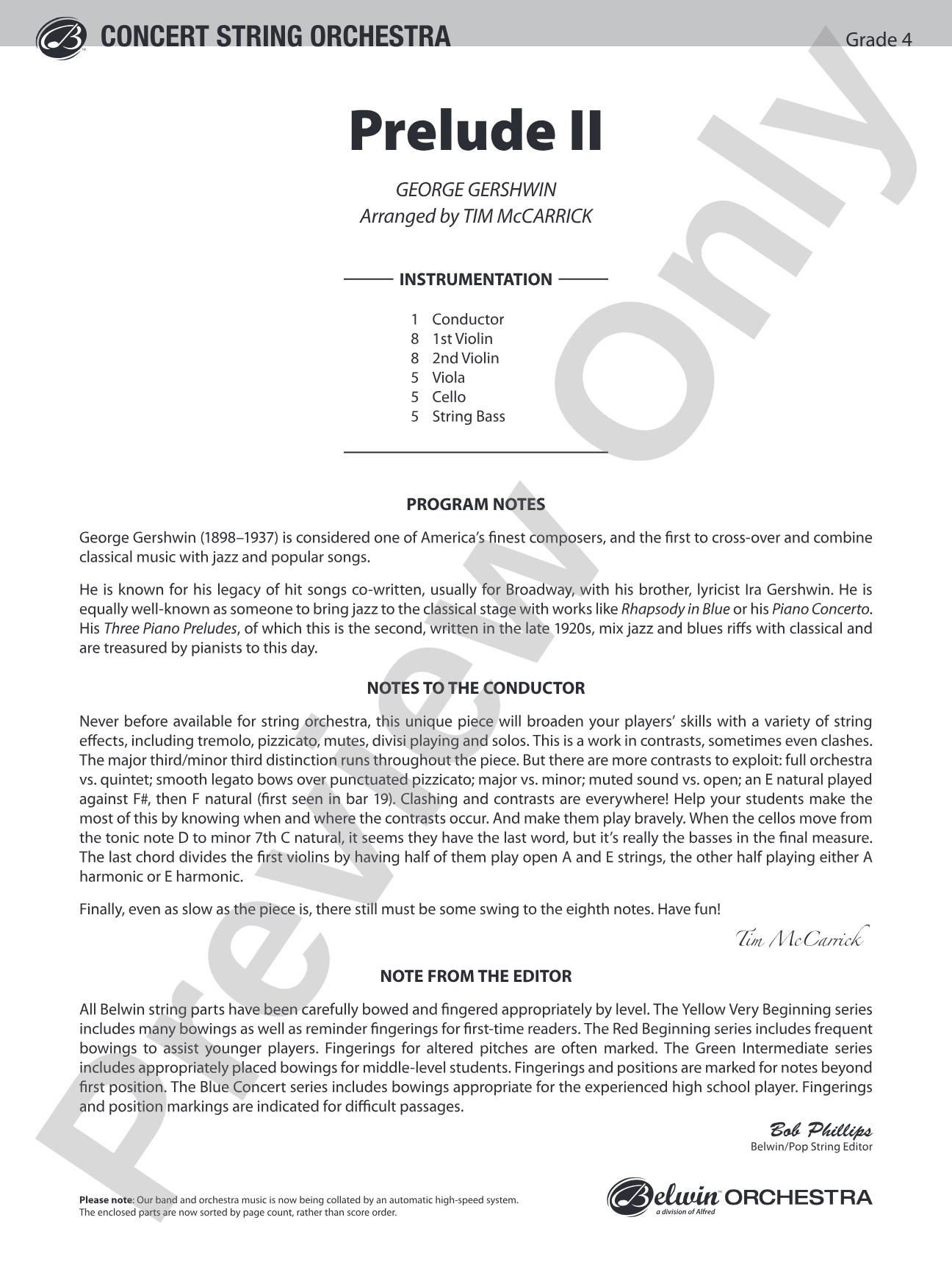
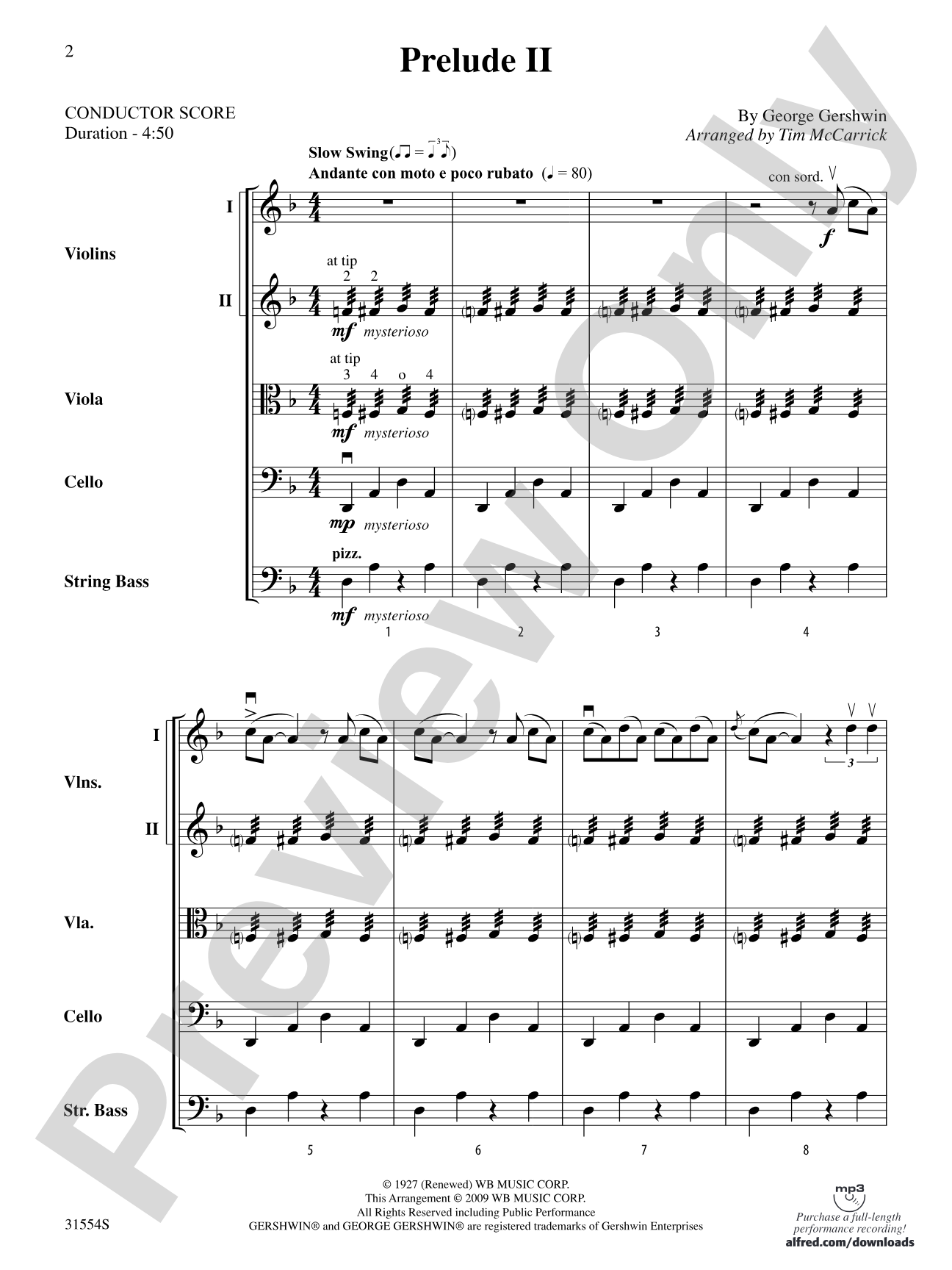
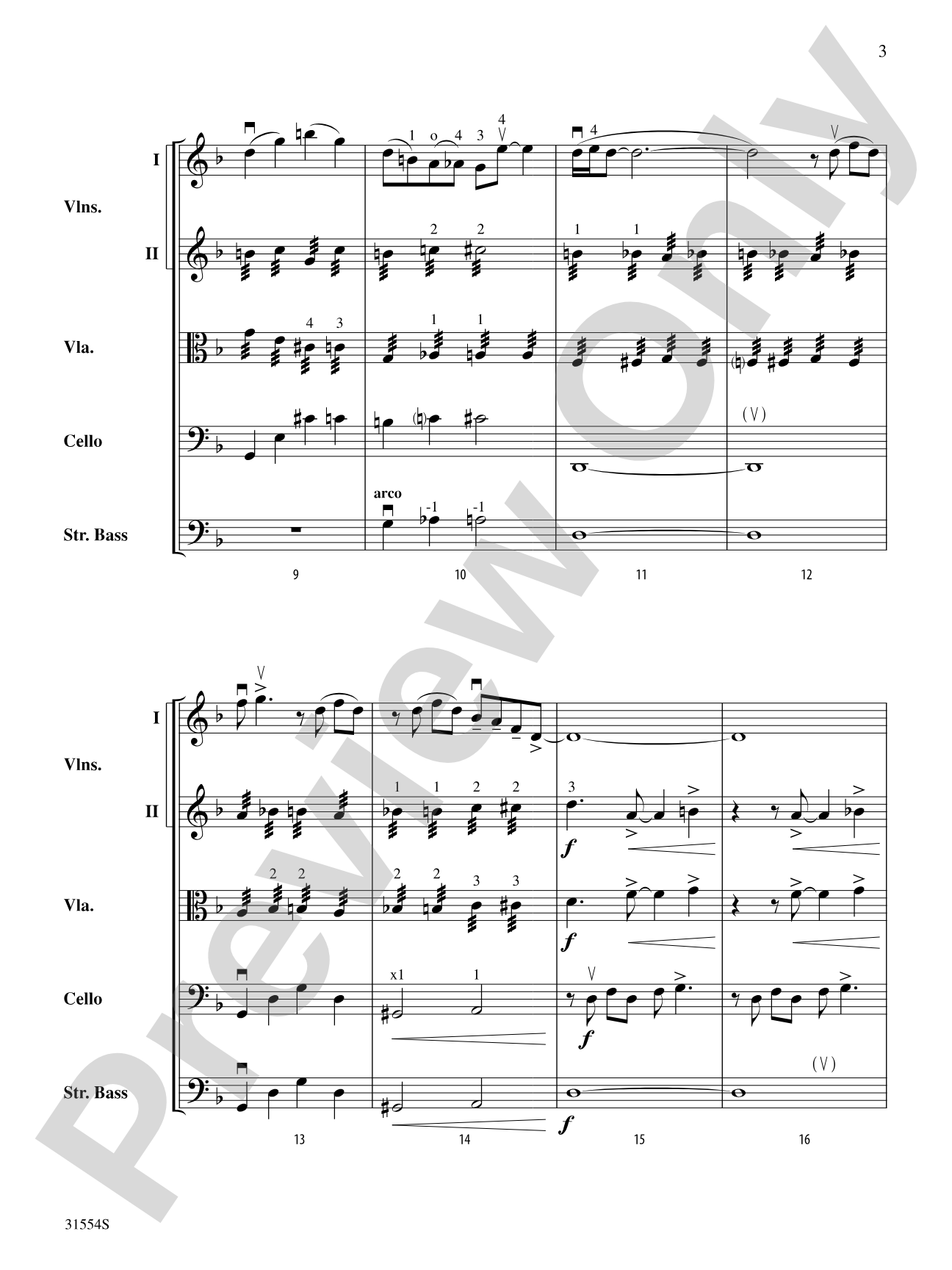
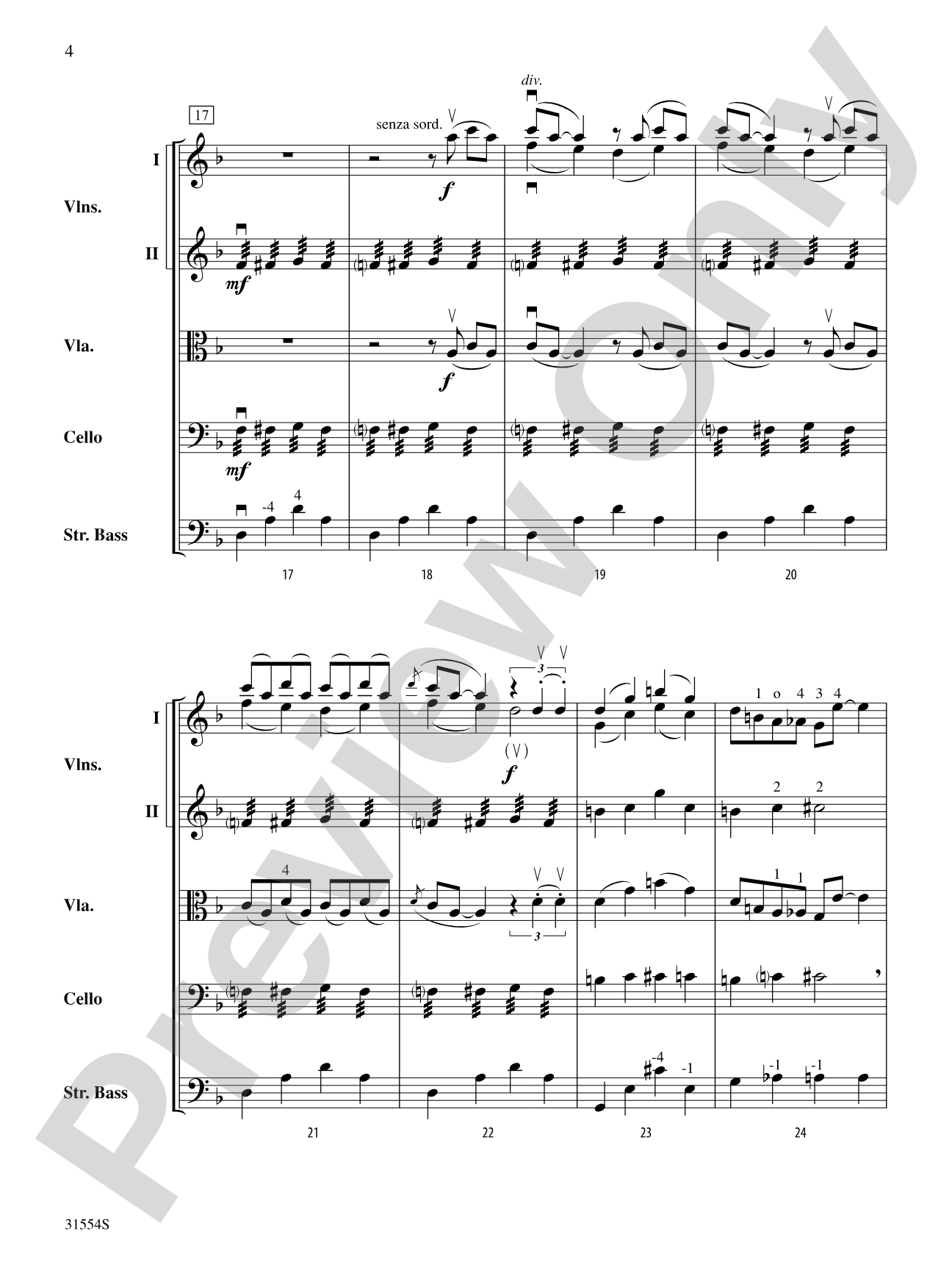
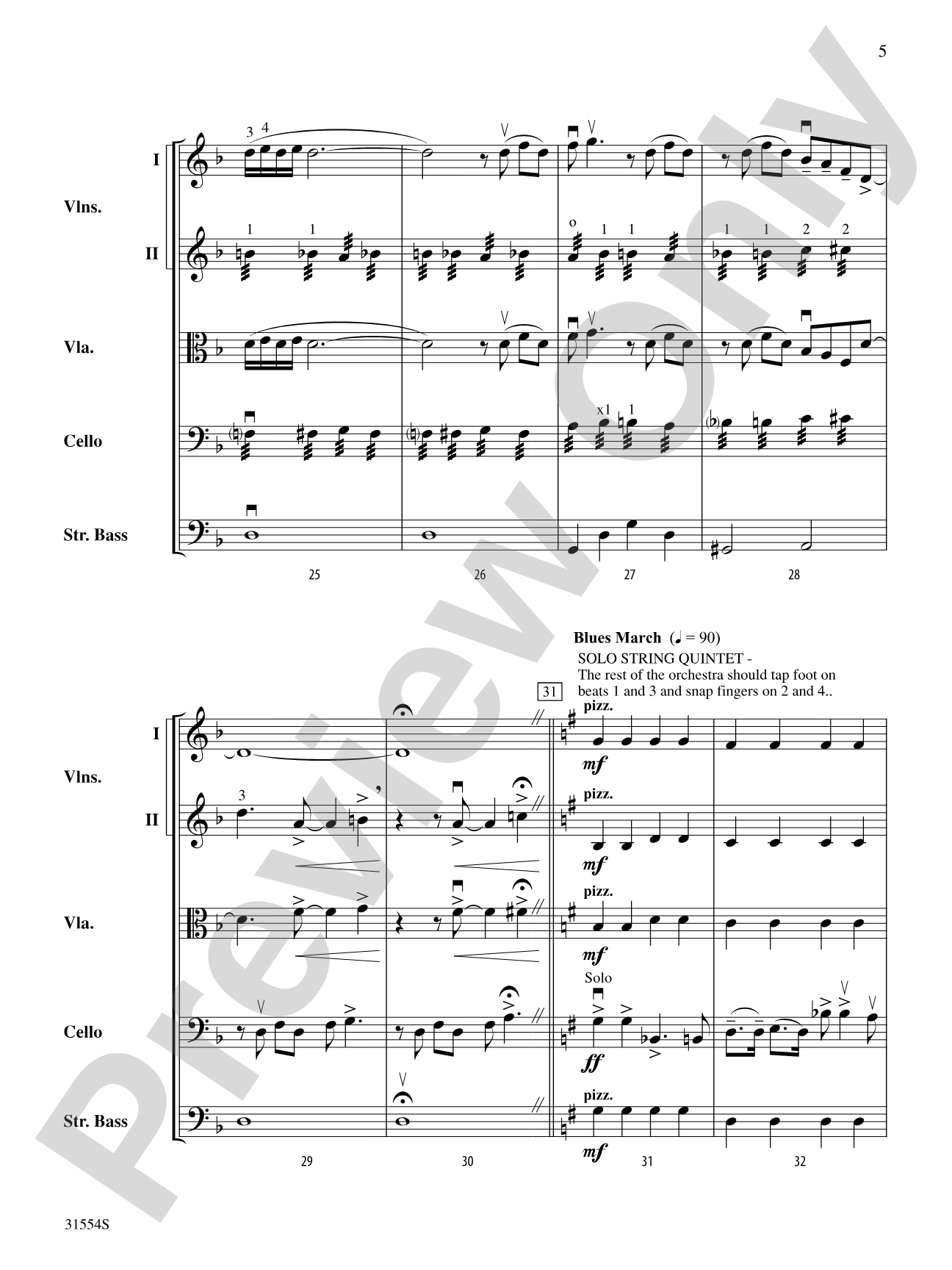
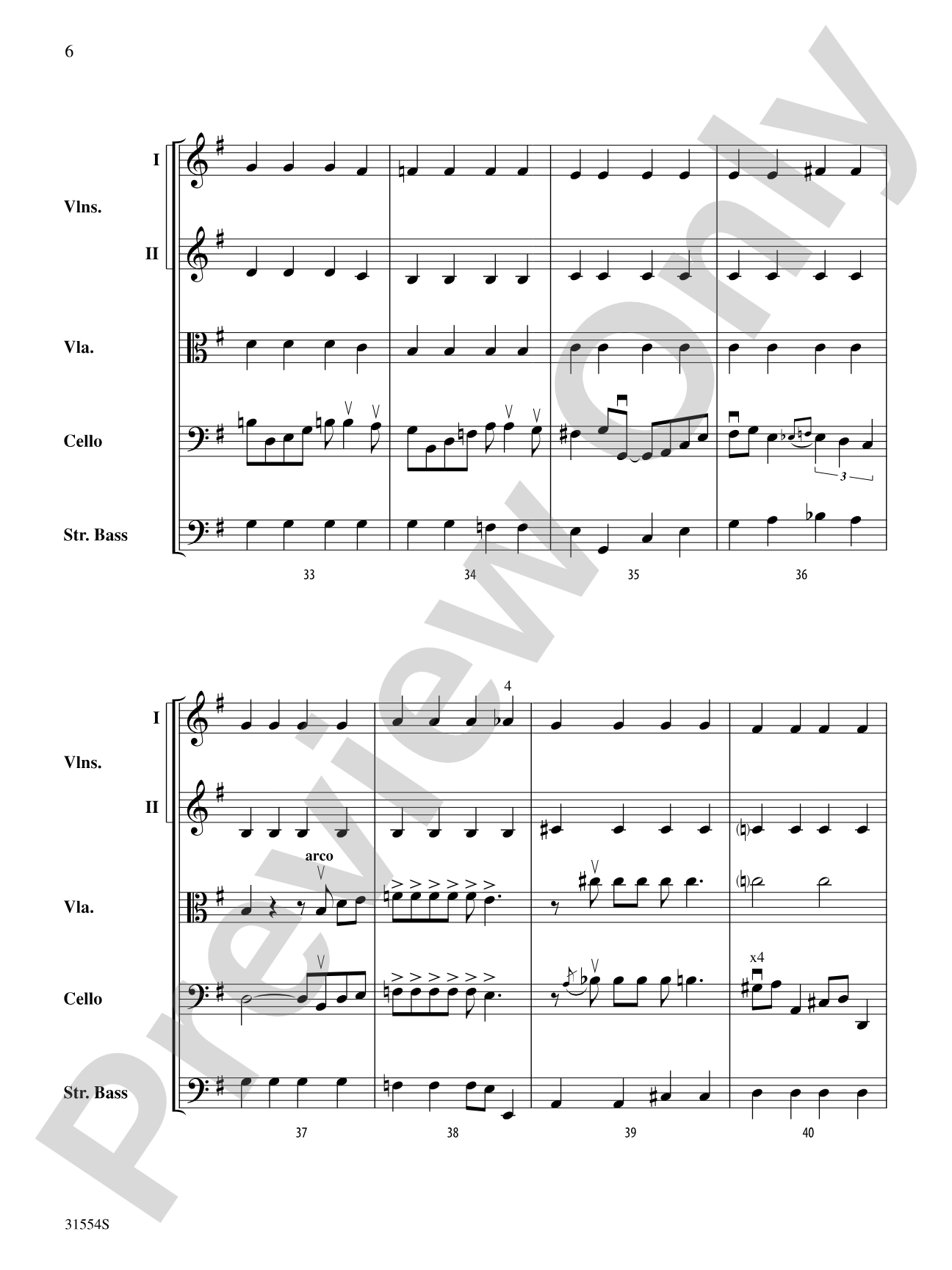
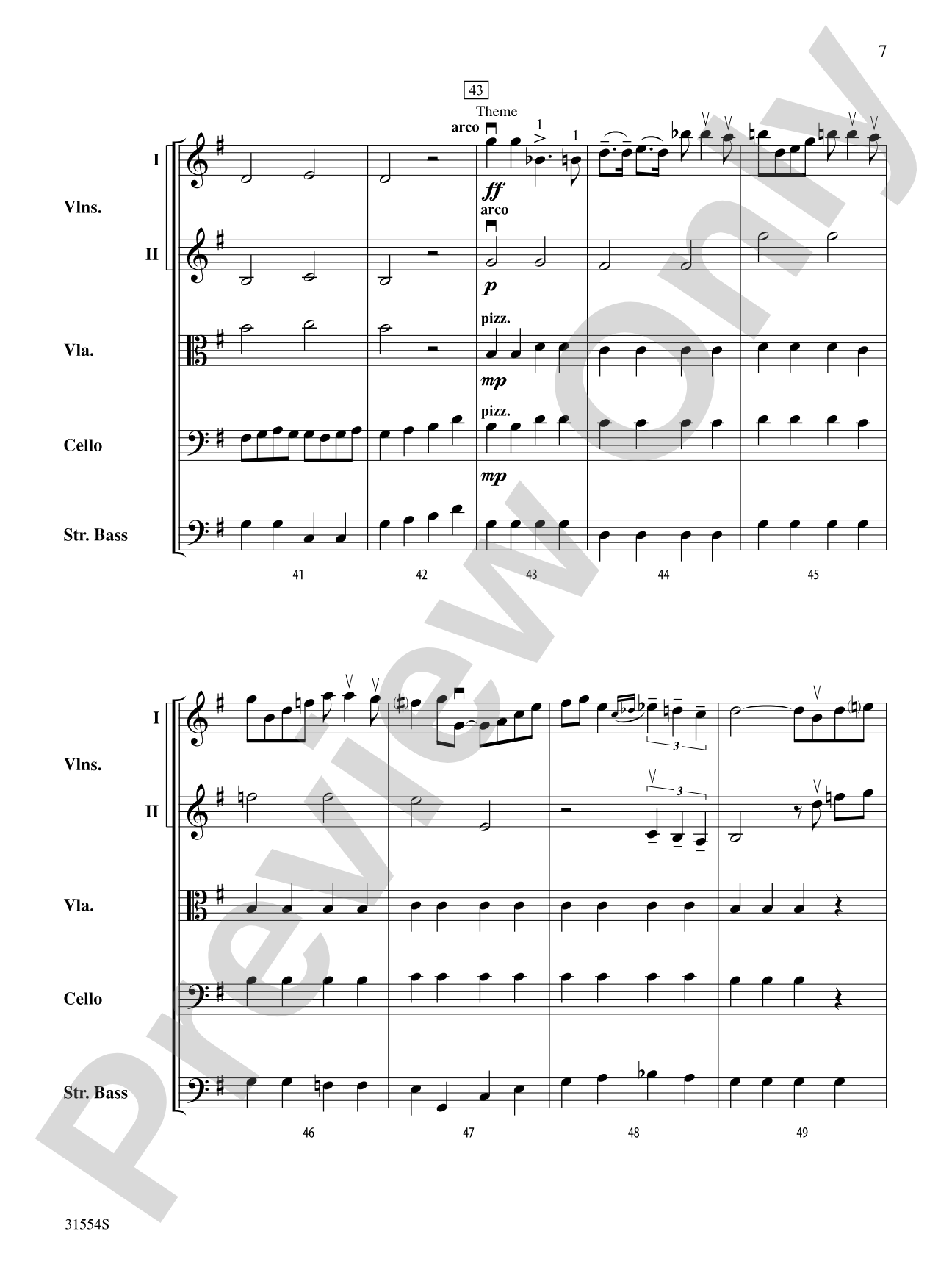
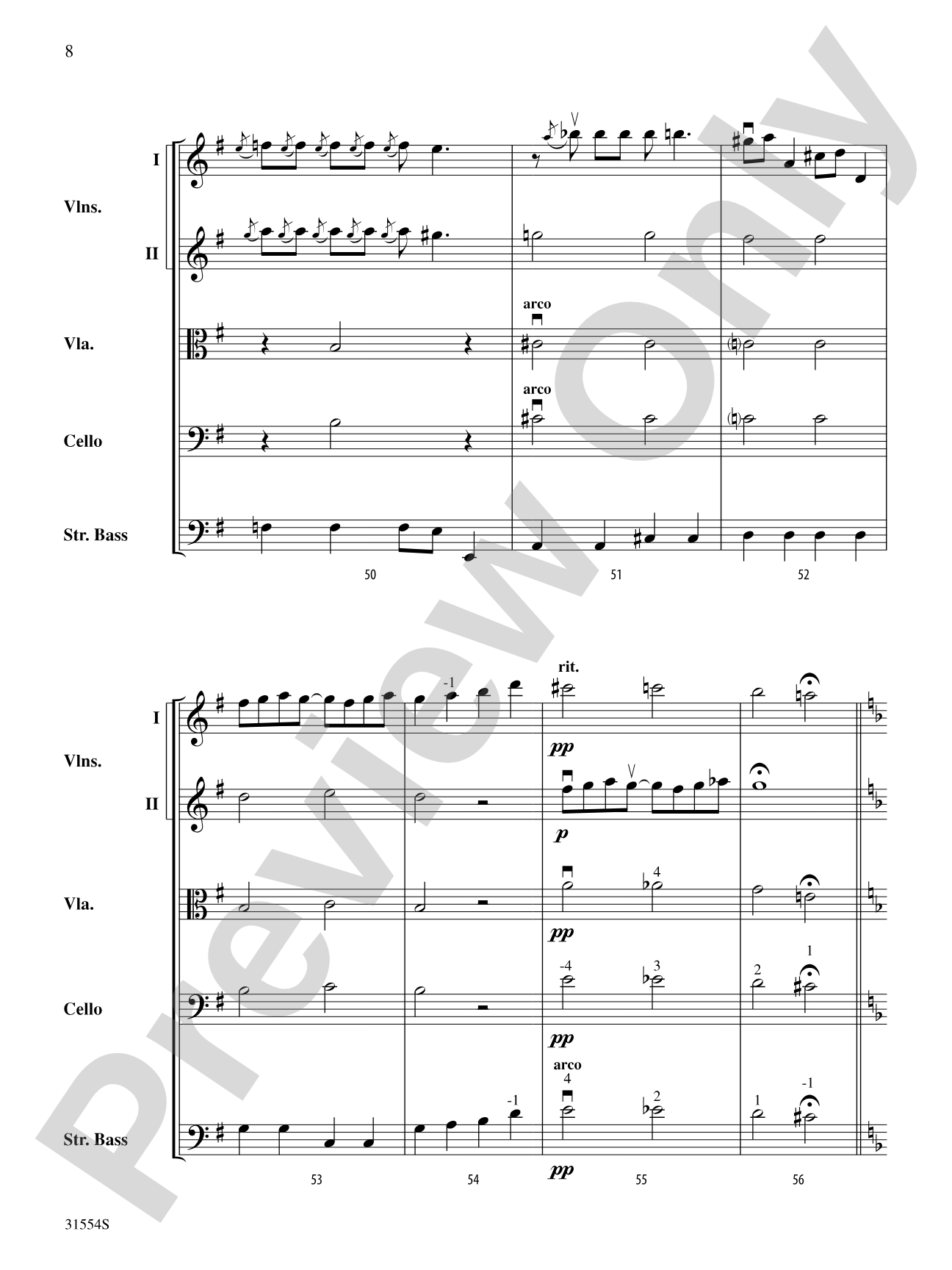
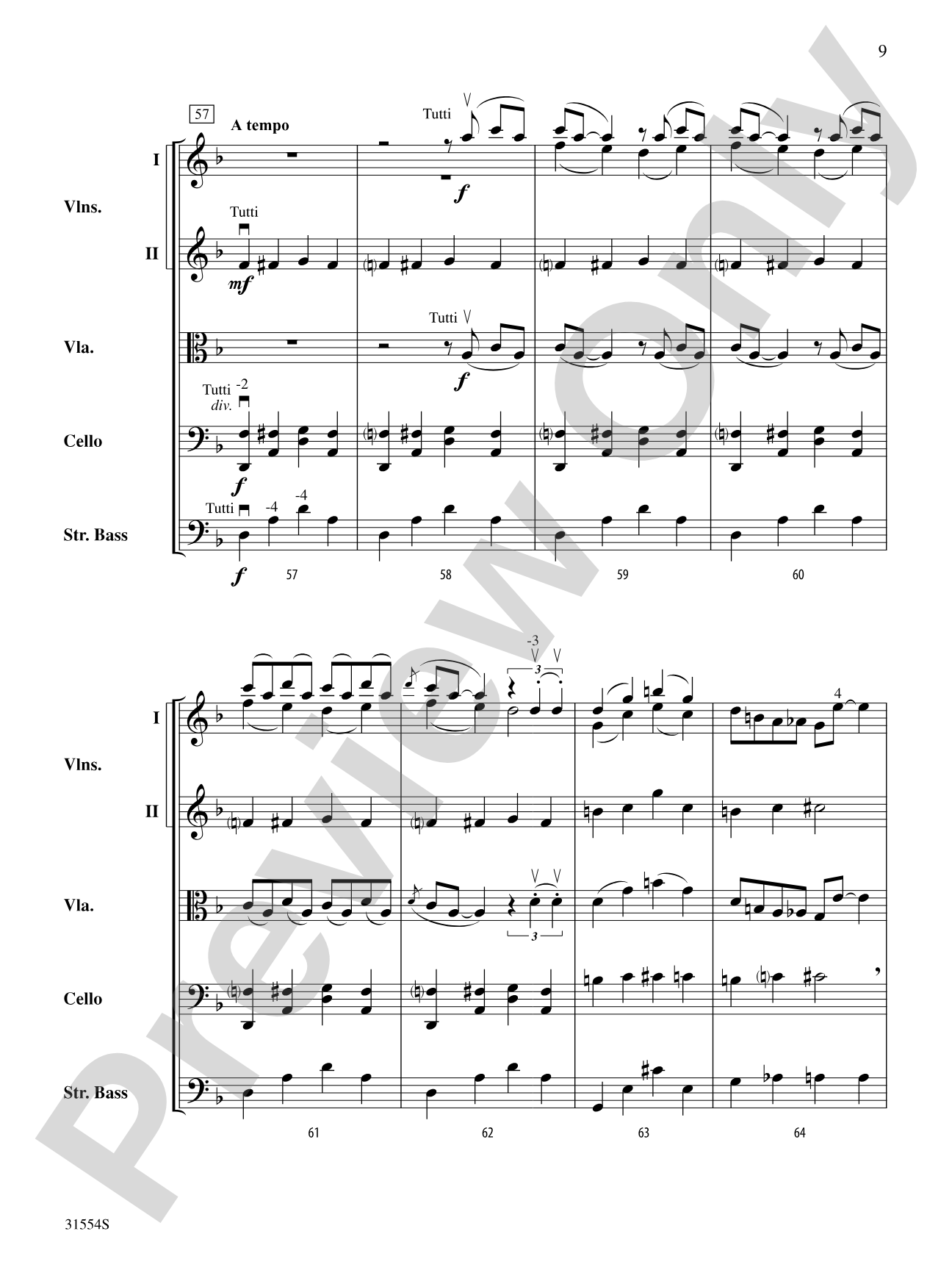
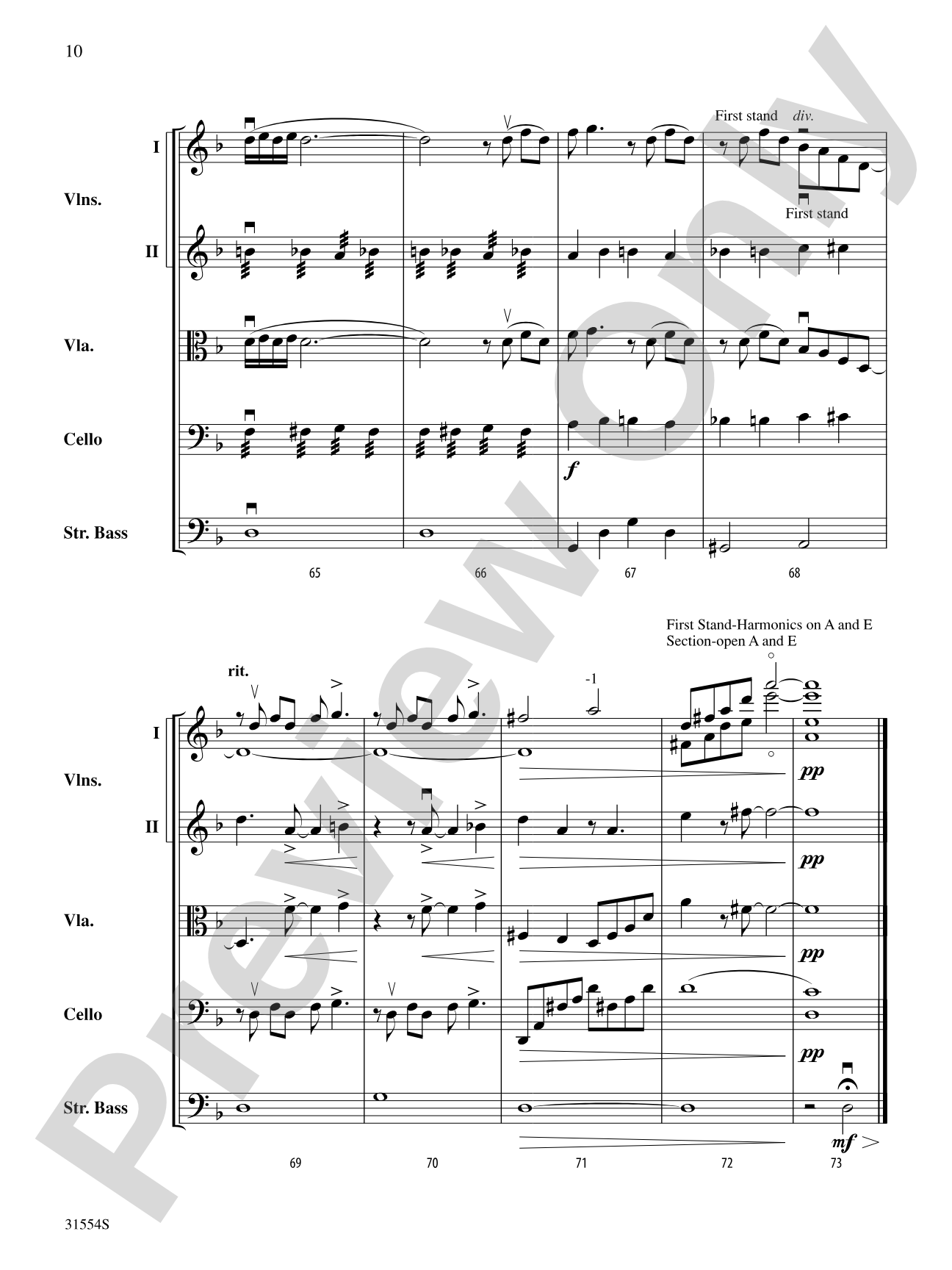
Never before available for string orchestra, this unique piece will broaden your players' skills with a variety of string effects, including tremolo, pizzicato, mutes, divisi playing and solos. Moving from the original keys to the string-friendly keys of D minor and G major brings out the best possible string sound. You'll want to play this one again and again. (4:50) This title is available in MakeMusic Cloud.


Don't just read it, hear it, play along with it, and watch your students grow with it. In MakeMusic Cloud, Prelude II: String Orchestra Conductor Score & Parts comes alive with professional accompaniment, adjustable tempo, and built-in practice tools that turn solo practice into real progress.
Open in the Player
Jump straight in and assign it today.
Start Your Free Trial
Open this title and explore the full library in minutes.
Sample Audio
1
Audio File
--:--
0:00
0:00
Sample Video
No sample videos found.
Additional Details
Series:
Pop Concert String Orchestra
Publisher:
Alfred Music
Page Count:
114
SKU:
00-PK-0001745
More about this title
About the Composer: George Gershwin
George Gershwin (1898-1937) bridged classical and popular music in ways that few composers have matched. His instinctive understanding of orchestration, jazz idiom, and melody made him a transformative figure in American music, influencing how concert composers approached vernacular styles.
Gershwin's works remain central to string orchestra repertoire because they sit at the intersection of accessibility and sophistication. His melodies are immediately recognizable, yet his harmonic language and orchestral color demand serious musicianship from players.
Why we love this
Tim McCarrick's arrangement captures Gershwin's harmonic sophistication while placing string players exactly where they succeed. The transposition to D minor and G major removes technical barriers and frees your orchestra to focus on the variety of effects that make this piece engaging for both players and audiences.
What to expect
The piece unfolds with Gershwin's trademark lyricism, supported by rich harmonic movement that keeps the ear engaged. Tremolo textures create luminosity; pizzicato passages inject rhythmic vitality; solos emerge from the ensemble like conversations. The overall arc feels both reflective and energized.
Who it's for
String orchestra directors teaching Grade 4 ensembles who want to introduce modern concert-hall standards alongside technical breadth. Advanced middle school or early high school orchestras will find genuine challenge in coordinating multiple string effects without sacrificing musicality.
How to get the most out of it
- Balance the tremolo passages carefully; they should shimmer rather than dominate. The string section will want to play these with energy, so guide them toward transparency and even bow distribution.
- Shape the pizzicato figures rhythmically, especially in ensemble sections. Clean articulation here becomes your harmonic glue.
- Use mute entrances as dramatic moments. The shift in color signals structural importance, so let these transitions breathe slightly before moving forward.
- Give solo passages room to sing. When individual voices break from the texture, they're carrying narrative weight and deserve conductor support for phrasing.
How to use it
This works beautifully as a concert centerpiece at mid-season, when your orchestra has developed both technical security and interpretive confidence. Pair it with shorter contemporary arrangements or classical standards to show how Gershwin's language sits comfortably alongside multiple traditions.
Skills your students will build
- Coordinating multiple string effects (tremolo, pizzicato, mutes, divisi) within ensemble context
- Balancing solo passages against sustained background textures
- Reading divisi parts and maintaining voice independence
- Responding to conductor cues for articulation and color changes
- Sustaining vibrato control during lyrical passages
- Executing clean ensemble rhythms in pizzicato figures