

Pot-Pourri: Orff Arrangements for Elementary and Middle School Students
Orff Arrangements for Elementary and Middle School Students
By Konnie Saliba
Item: 00-PB-0001882
$14.95
Pickup currently not available
Related Items
Pot-Pourri: Book |
$14.95
|
View |
Description
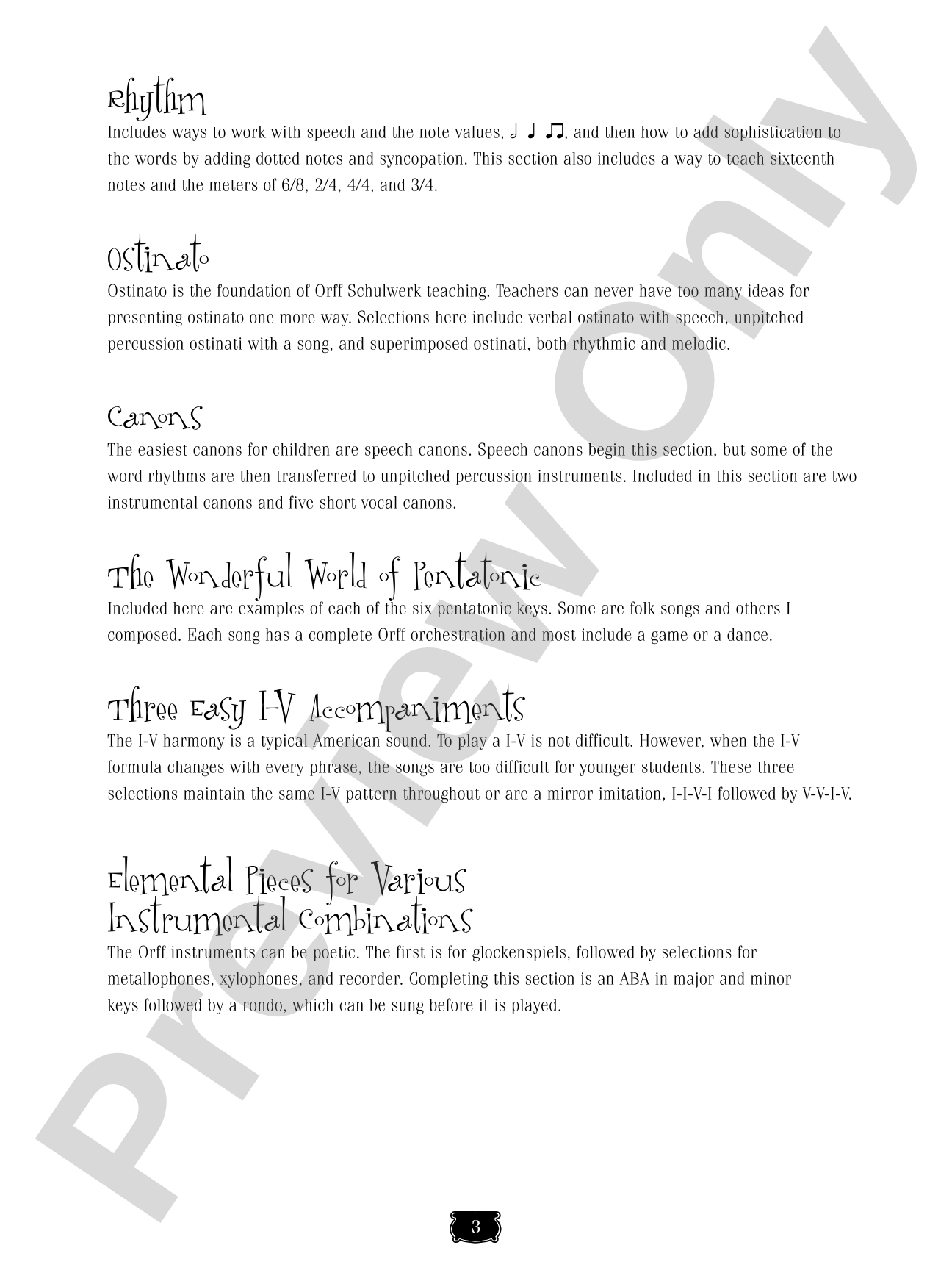
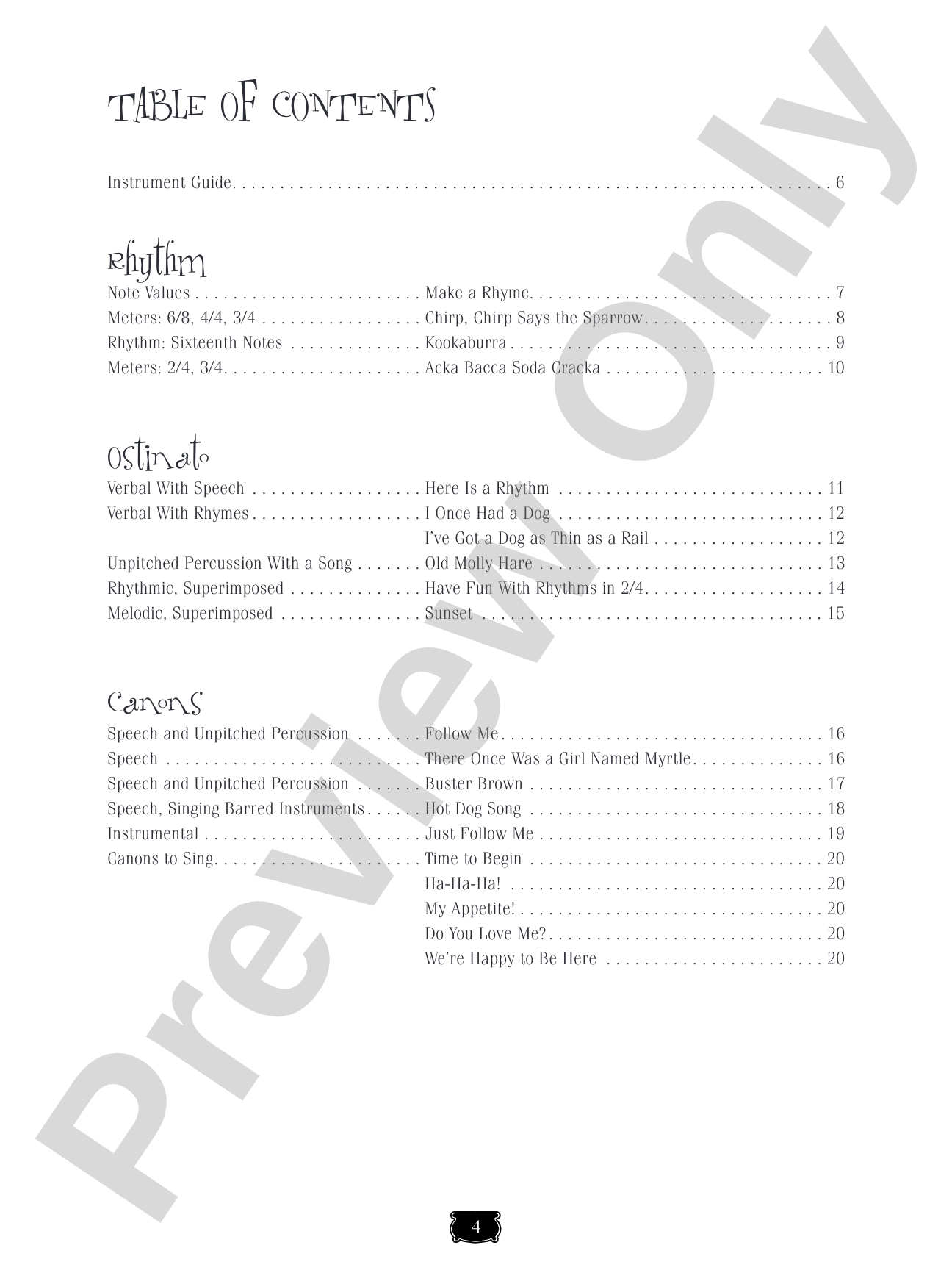
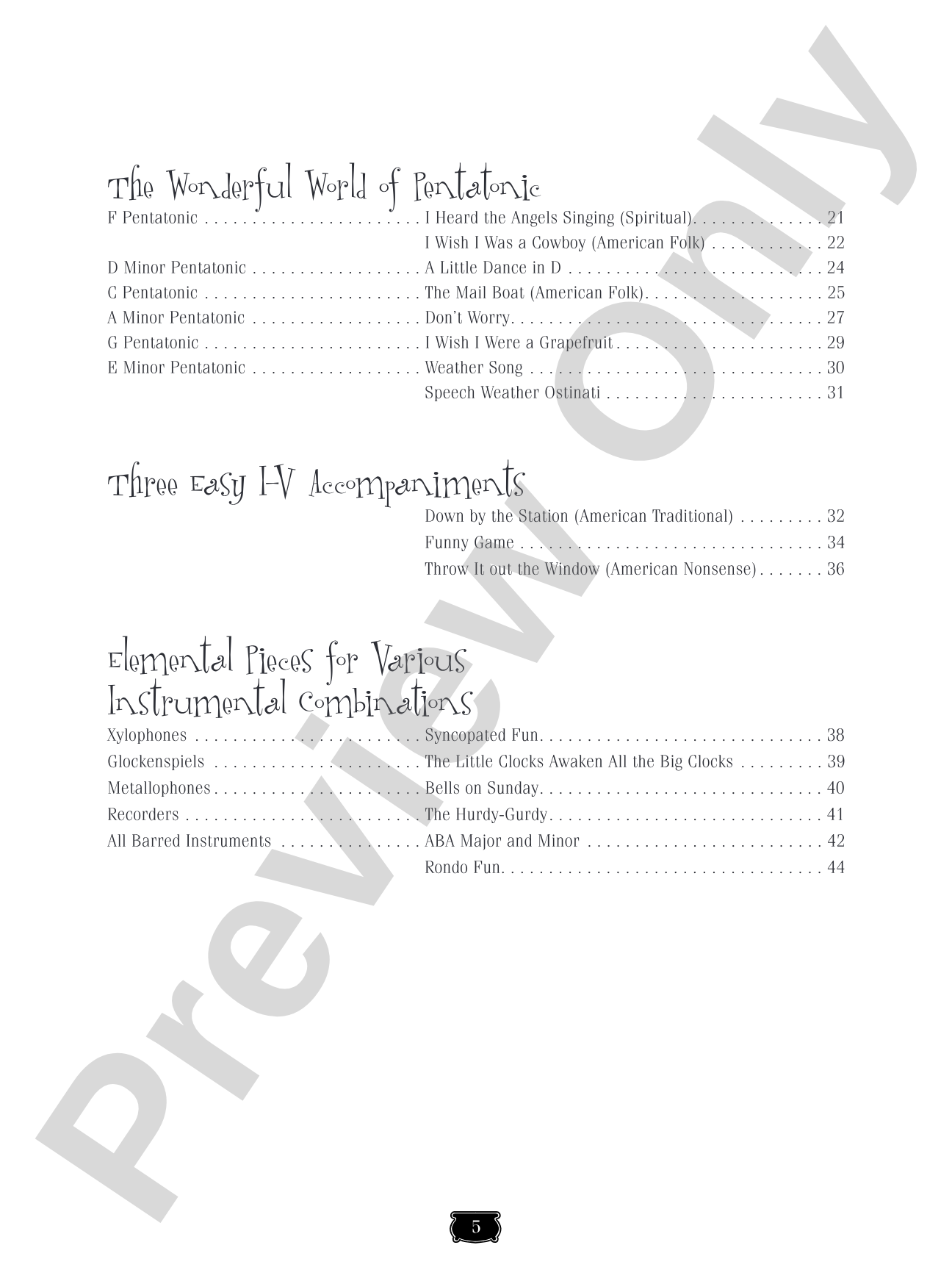
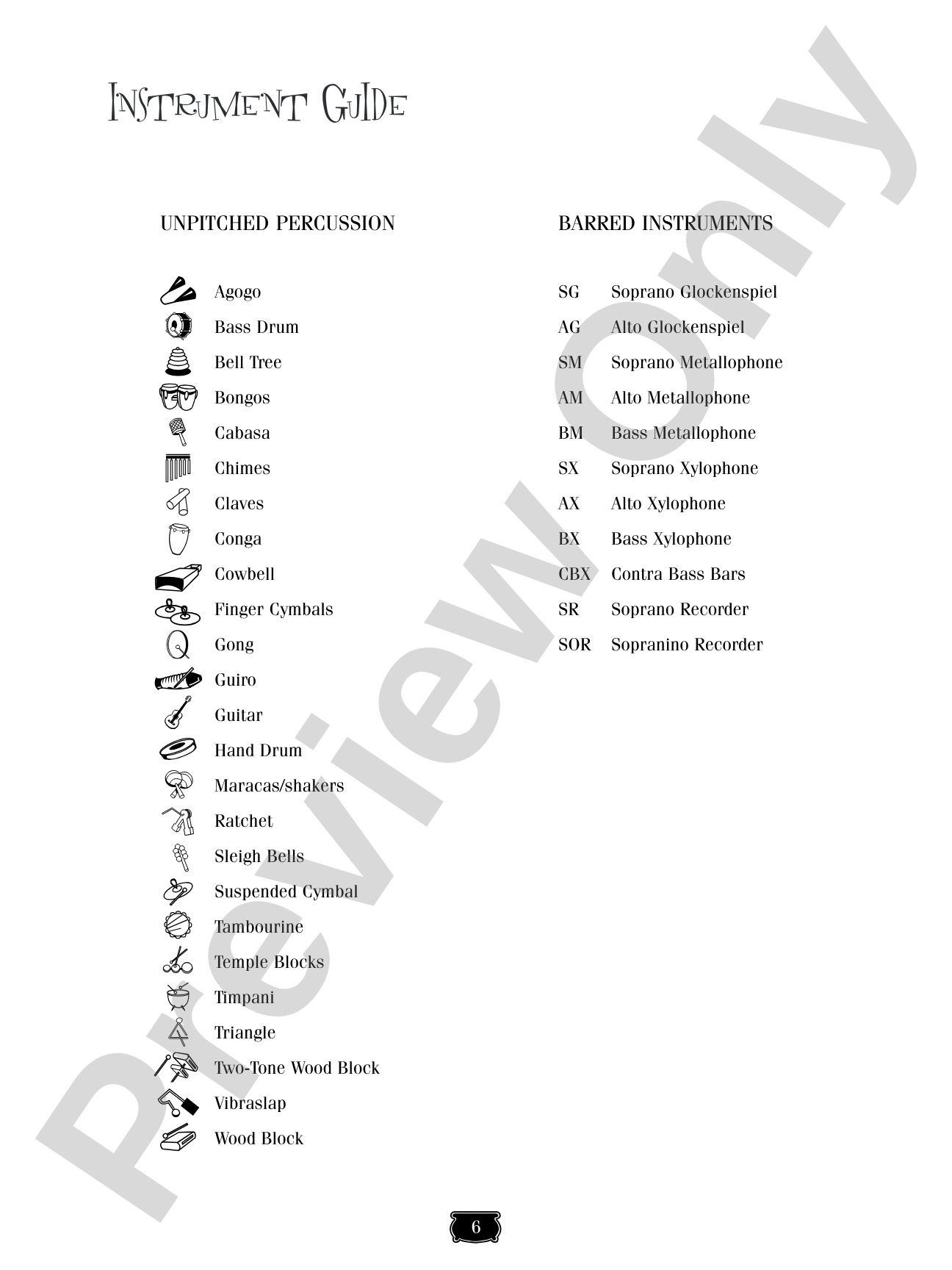
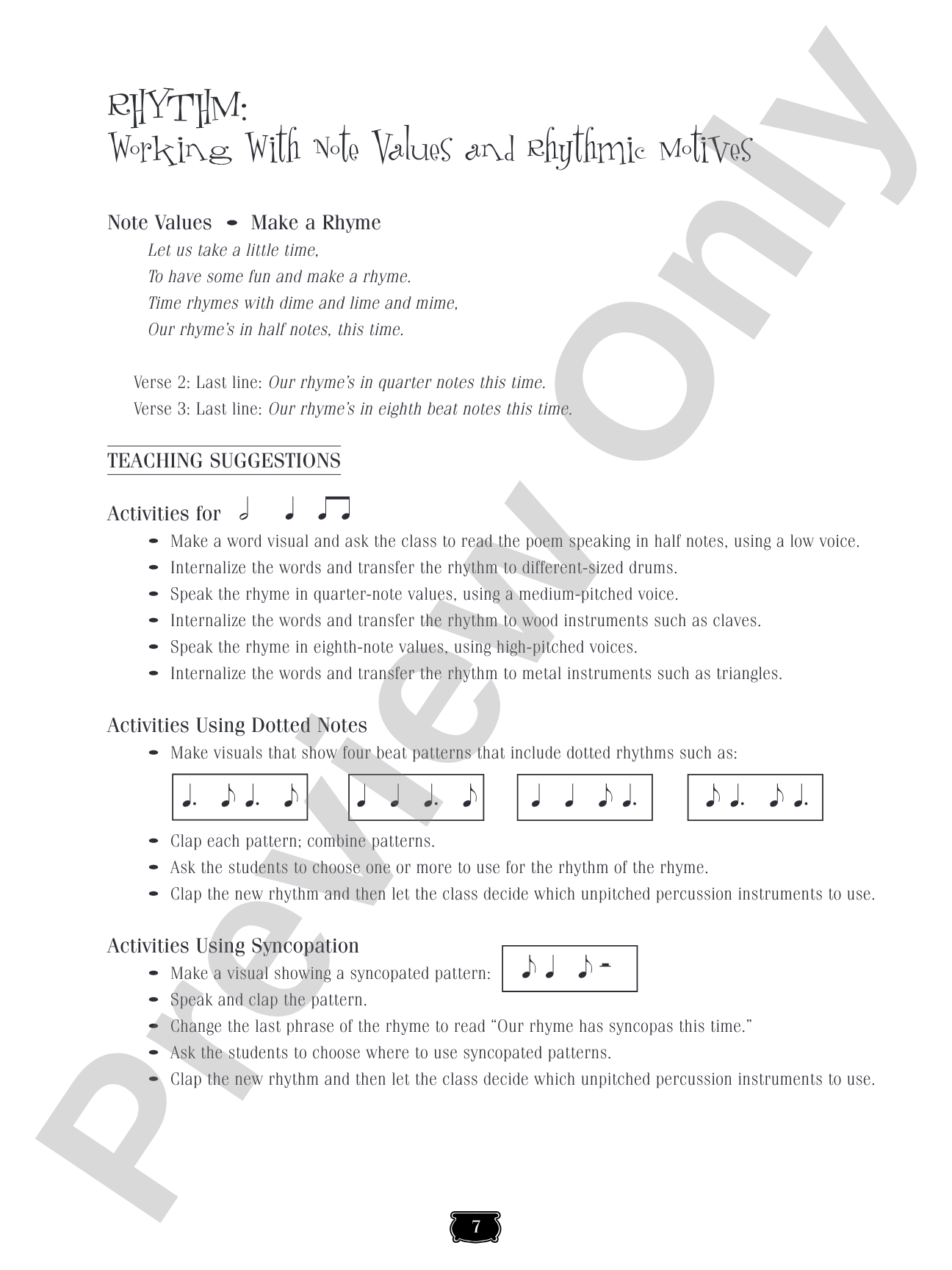
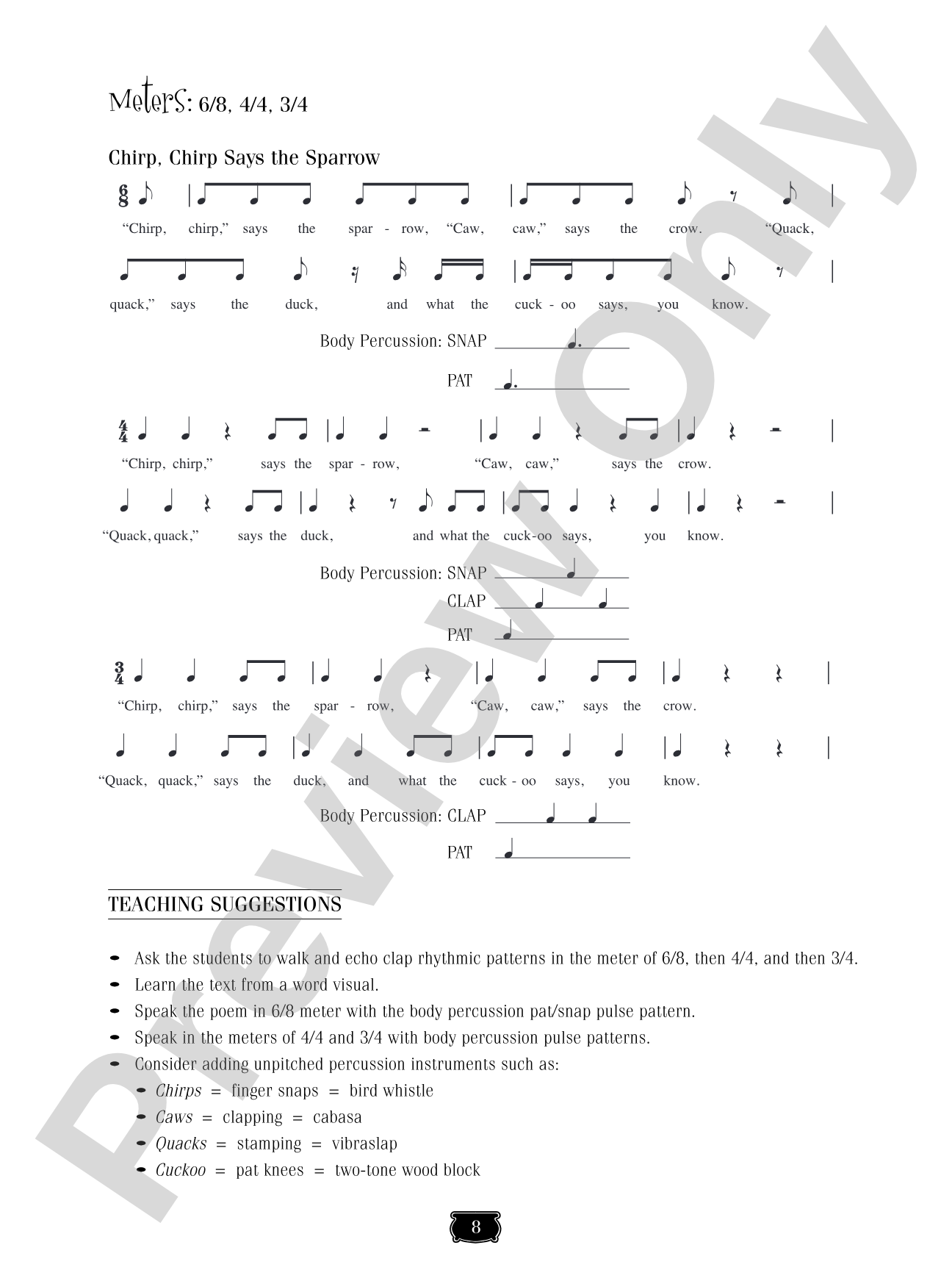
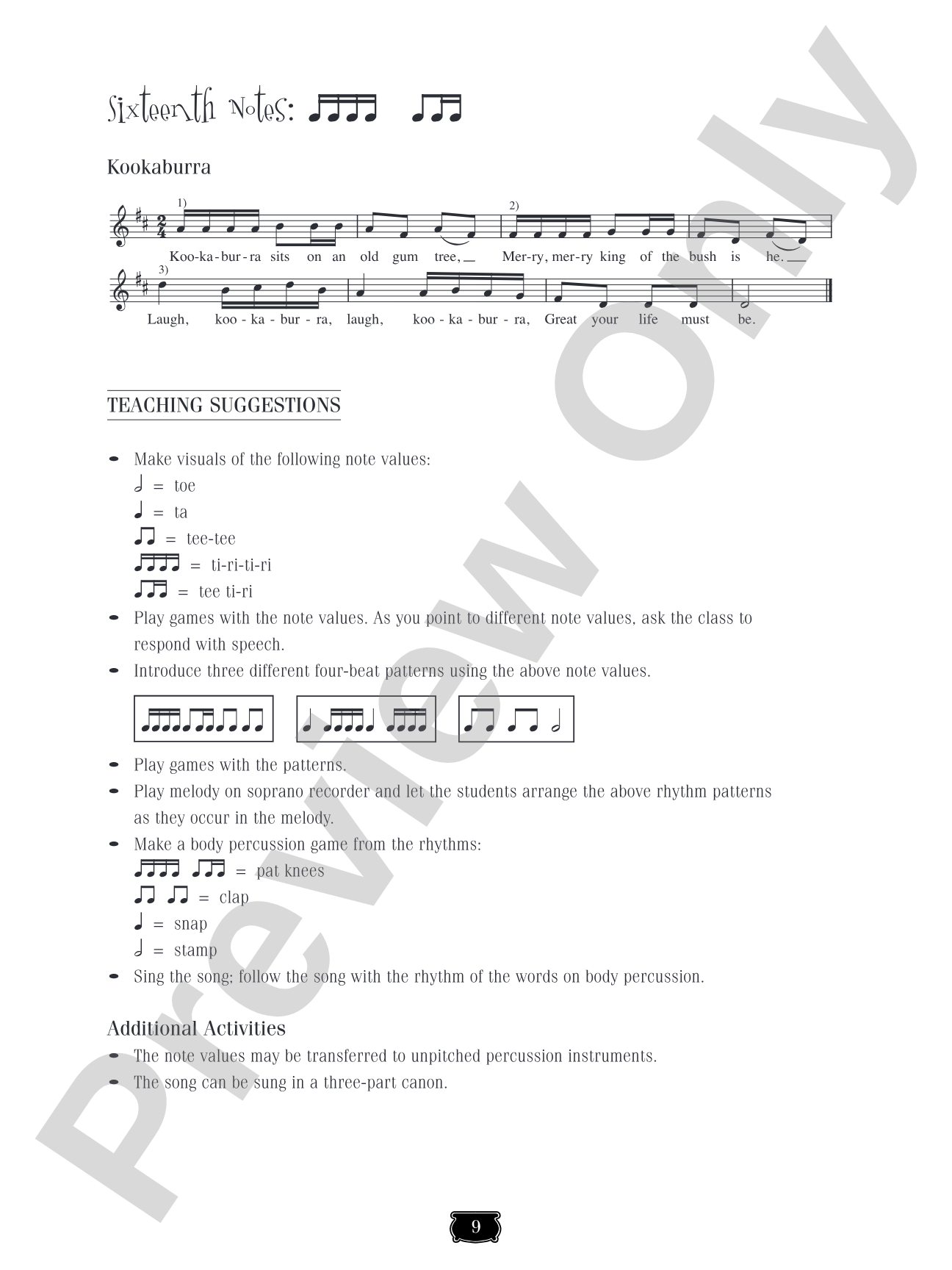
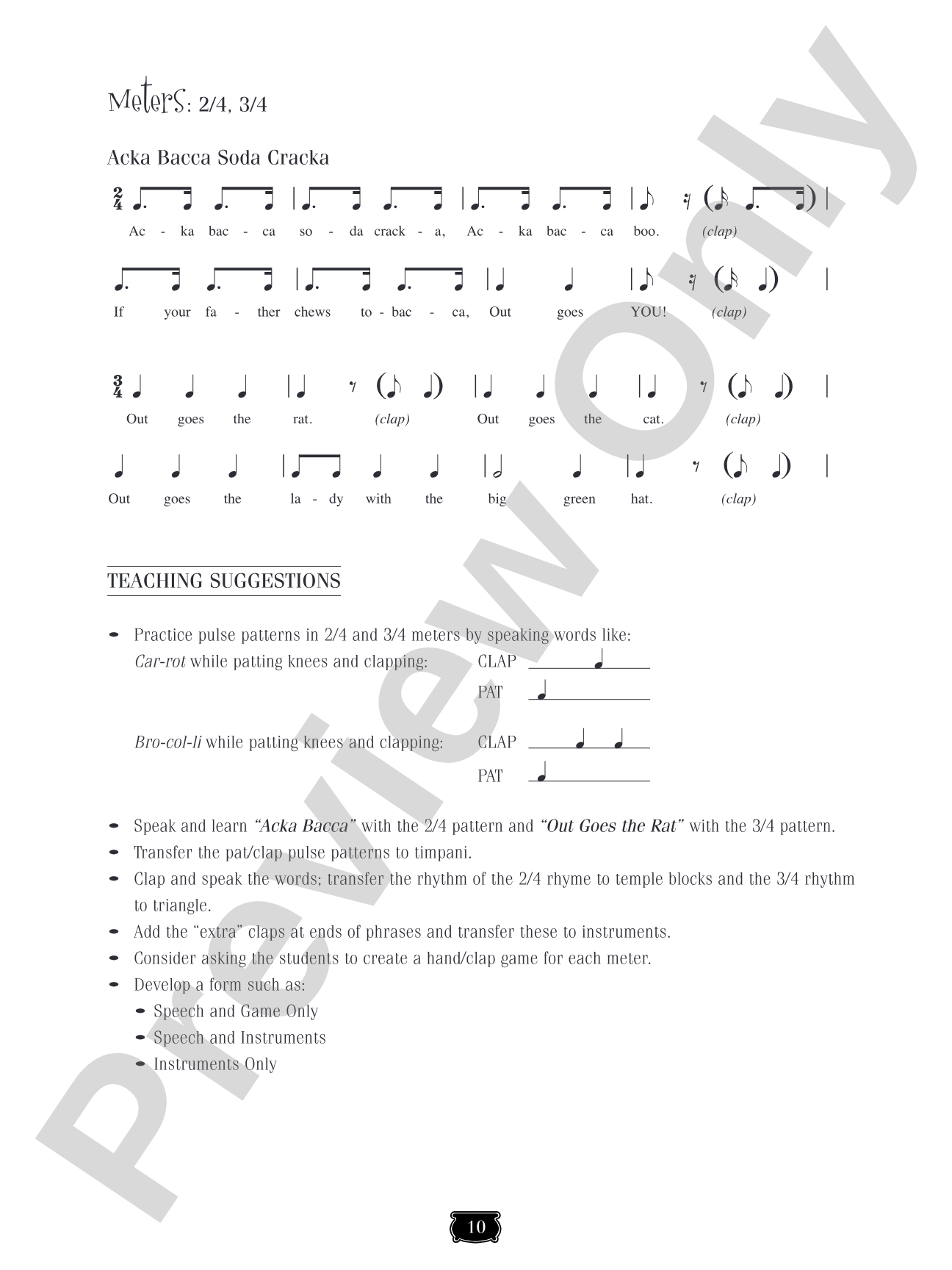
Pot-Pourri is a creative collection of 35 original and traditional songs set as Orff arrangements. This book is written by a well-known consultant in Orff-Schulwerk, and the 1996 recipient of the American Orff-Schulwerk Distinguished Service Award. Pot-Pourri contains games and rhythms for elementary and middle school students. Also includes many suggestions for teaching the arrangements.


Pot-Pourri: Orff Arrangements for Elementary and Middle School Students isn't in MakeMusic Cloud just yet...but it could be. Let us know you'd like to see it, and you'll help shape what comes next. In the meantime, start a free trial and dive into thousands of interactive titles your students can play along with today.
Request This Title
Tell us you want it.
Start Your Free Trial
Explore everything that's ready to play right now.
Sample Audio
No sample audio found.
Sample Video
No sample videos found.
Additional Details
Publisher:
Alfred Music
Page Count:
48
SKU:
00-PB-0001882
More about this title
About the Composer: Konnie Saliba

Konnie Saliba spent her career as a choral and general music educator in K-12 settings before becoming Professor Emeritus at the University of Memphis. She established and directed the university's Master of Music program in Orff Schulwerk, becoming one of the country's leading voices in the methodology and training other teachers nationwide.
As past president of the American Orff Schulwerk Association and a 1997 recipient of their Distinguished Service Award, Saliba earned respect through decades of hands-on teaching and consultation work across the United States, Canada, Europe, Asia, and Latin America. Her publications and curriculum contributions to major textbook series reflect her commitment to making Orff pedagogy accessible and practical for everyday classrooms.
Why we love this
A master teacher compiled this collection specifically for the realities of elementary and middle school ensembles, blending traditional favorites with original compositions that respect how young musicians actually learn. Saliba's extensive classroom experience shines through in the embedded teaching suggestions, which transform these arrangements from sheet music into complete lessons ready to implement. The variety of 35 songs means you'll find repertoire that fits different skill levels and musical interests within a single book.
What to expect
These arrangements capture the playful energy that makes Orff ensembles work in schools. Rhythmic layers build momentum; unexpected color changes keep attention sharp; and the balance between original compositions and recognizable songs creates moments of both discovery and grounding. The spirit throughout is exploratory rather than rigid, inviting young musicians to feel ownership of their parts.
Who it's for
Elementary and middle school general music classes, school orchestras using percussion instruments, and Orff ensemble directors seeking reliable, classroom-tested material. Teachers new to Orff pedagogy will appreciate Saliba's guidance as much as experienced Orff educators looking for fresh arrangements and game structures.
How to get the most out of it
- Read through the embedded teaching suggestions before introducing each arrangement. Saliba designed them to guide your instruction, not just sit on the page.
- Start by having students explore the available mallets and beaters for each piece. The tactile discovery of sound quality deepens their connection to the Orff method.
- Build arrangements gradually by layering parts one at a time. Let students hear how their line fits before adding the next, especially with the rhythmic games included.
- Use the traditional songs as anchors for students who need melodic familiarity while they're building comfort with ensemble playing and ostinato patterns.
How to use it
Draw from this collection throughout the year as part of your general music curriculum or as a go-to resource when you need flexible, scalable repertoire for school assemblies, concerts, or seasonal celebrations. The 48-page scope makes it practical to introduce 2-3 new arrangements each month, building your ensemble's comfort with Orff instrumentation and ensemble playing progressively.
Skills your students will build
- Layering and performing ostinato patterns with steady pulse
- Reading and executing rhythm notation across mixed meter
- Listening and responding to simultaneous melodic and rhythmic lines
- Ensemble listening and part independence
- Mallet technique and instrument control
- Collaborative problem solving through musical games and structured improvisation