Population Zero Cover Image

Population Zero: Conductor Score & Parts

$6.95 USD
Sale price  $6.95 USD Regular price 
Skip to product information
Population Zero Cover Image

Population Zero: Conductor Score & Parts

By Edmund J. Siennicki

Grade: 3

Item: 36-10402287

$6.95
Shipped

One moment…

Description

Population Zero: Conductor Score & Parts isn't in MakeMusic Cloud just yet...but it could be. Let us know you'd like to see it, and you'll help shape what comes next. In the meantime, start a free trial and dive into thousands of interactive titles your students can play along with today.

Sample Pages

No sample pages found.

Sample Audio
No sample audio found.
Sample Video
Additional Details
Series: LudwigMasters Woodwind Series
Publisher: Keiser Productions, Inc.
ISBN10: 1-63-361520-0
ISBN13: 978-1-63-361520-5
UPC: 660355168680
SKU: 36-10402287
Instrumentation: Flute, Clarinet and Bassoon

More about this title

About the Composer: Edmund J. Siennicki
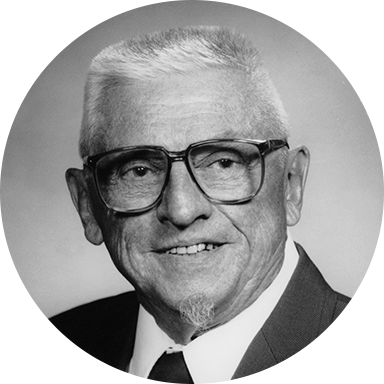
Edmund J. Siennicki

Edmund J. Siennicki (born 1920) grew up in Cleveland, Ohio, where a formative conversation with pianist Ignacy Jan Paderewski at age 12 set him on a compositional path. He completed his Bachelor's degree at Kent State University, where he composed Fight on for KSU, a piece that remains part of the university's football tradition. His graduate studies took him to Teachers College, Columbia University, where he earned his MA and studied composition with Herbert Elwell, electronic music with Sergio Barroso, and worked closely with Vincent Persichetti.

Siennicki built a distinguished career as both performer (bassoon and piano) and educator, teaching primarily in Cleveland's junior high schools while also serving on the faculty at Michigan and Kent State University. His compositional output includes approximately 200 published works, many of which have won recognition in National School Orchestra composition contests. He received the Distinguished Alumnus Award from Kent State's School of Music in 1994 and has been honored with special awards from ASCAP for two decades. He continues composing and conducting educational clinics in schools.

Why we love this

Siennicki writes with a clear understanding of young woodwind players' capabilities, and Population Zero moves with purpose without overwhelming the ensemble. The piece benefits from a composer who spent his career in junior high schools and knows exactly what Grade 3 players can achieve musically and technically.

What to expect

Population Zero presents music with clear harmonic direction and a sense of forward motion. The writing sits comfortably on each instrument while maintaining the independence that makes trio playing rewarding.

Who it's for

Junior high and middle school woodwind trios seeking Grade 3 repertoire that teaches ensemble balance and phrasing without requiring advanced technique. This works equally well for a standalone woodwind recital or as a section feature in a larger band or orchestra concert.

How to get the most out of it

  • Balance the three voices carefully during ensemble passages; the bassoon line anchors the texture, so ensure it's heard but not dominating the flute and clarinet above.
  • Find the harmonic center in passages where the parts move in rhythmic unison; locking the ensemble's articulation and phrasing here will lift the entire sound.
  • Shape phrases by listening for the natural peak of each musical idea rather than pushing every note with equal weight.

How to use it

Pair this with other Grade 3 woodwind trio repertoire for a focused woodwind recital, or program it as a chamber feature during a full band or orchestra concert to showcase your trio players. It also works as a refreshing change of pace mid-rehearsal when you want the ensemble to experience how ensemble balance functions in intimate settings.

Skills your students will build

  • Maintaining independent lines while listening to two other parts simultaneously
  • Balancing melodic and harmonic roles within a three-voice texture
  • Shaping musical phrases with purpose and direction
  • Coordinating articulation and rhythm across three different instruments

You May Also Like