Willard A. Palmer was a prolific composer and pedagogue whose output spanned nearly every keyboard instrument and musical genre. Over his lifetime, he published 789 works covering piano methods, accordion techniques, guitar instruction, solo repertoire, and choral music, with translations reaching audiences across Germany, Japan, France, the Netherlands, and Spain. His formal training began early; he performed piano on radio at age 13 and later studied at the Leipzig Conservatory on scholarship before joining the University of Houston faculty, where he taught the first accredited college accordion courses for 18 years.
Palmer's scholarly reputation rested on meticulous research into Baroque music and ornamentation practices, a foundation for his acclaimed Alfred Masterworks series. As director of the Riemenschneider Bach Institute and recipient of doctoral degrees in both Humanities (1971) and Music (1983), he became recognized internationally as an authority on historical performance practice. His decades as choir director at Memorial Lutheran Church in Houston, combined with his own keyboard mastery, shaped his understanding of how musicians learn and retain essential musicianship skills.
Why we love this
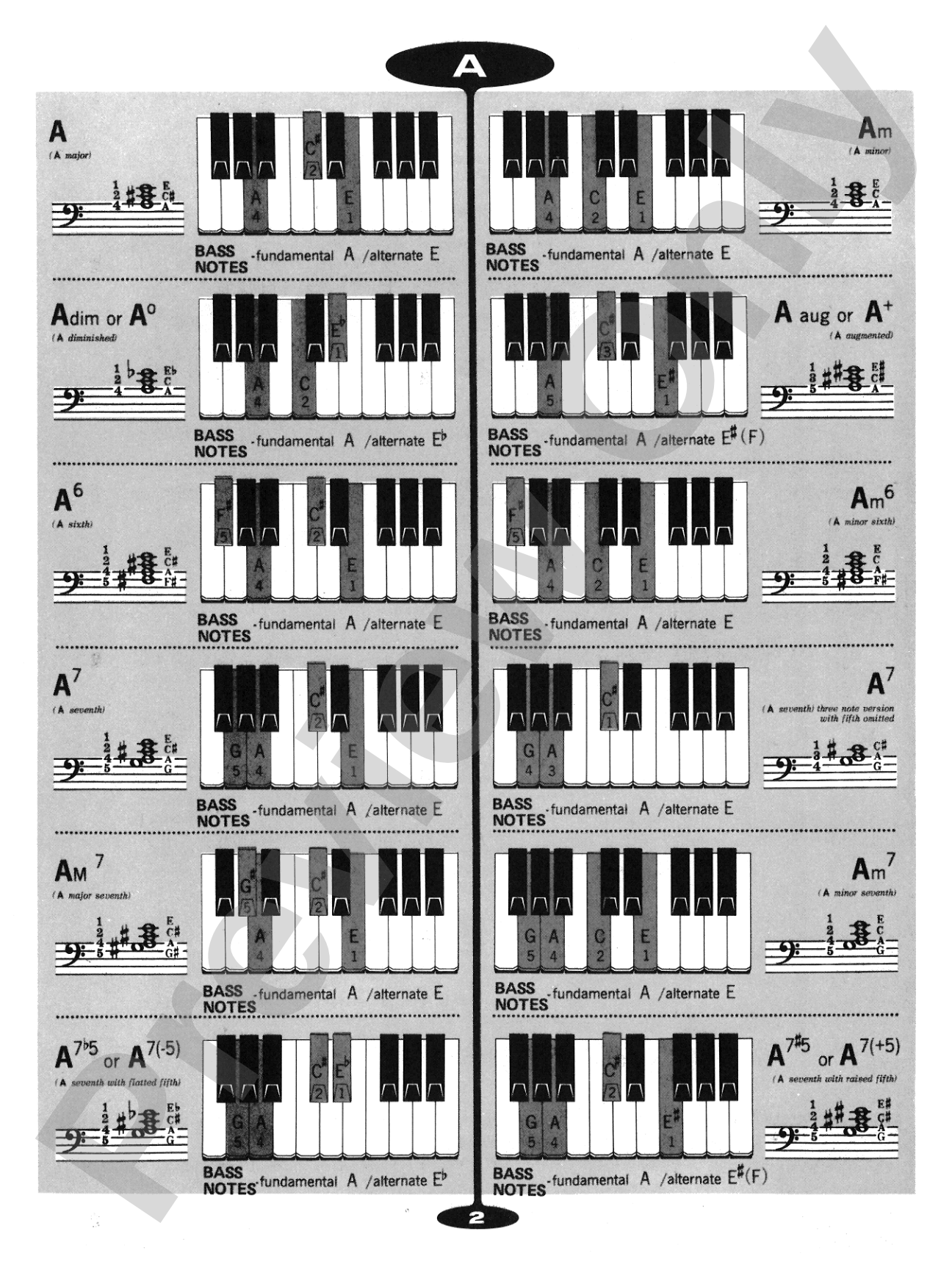
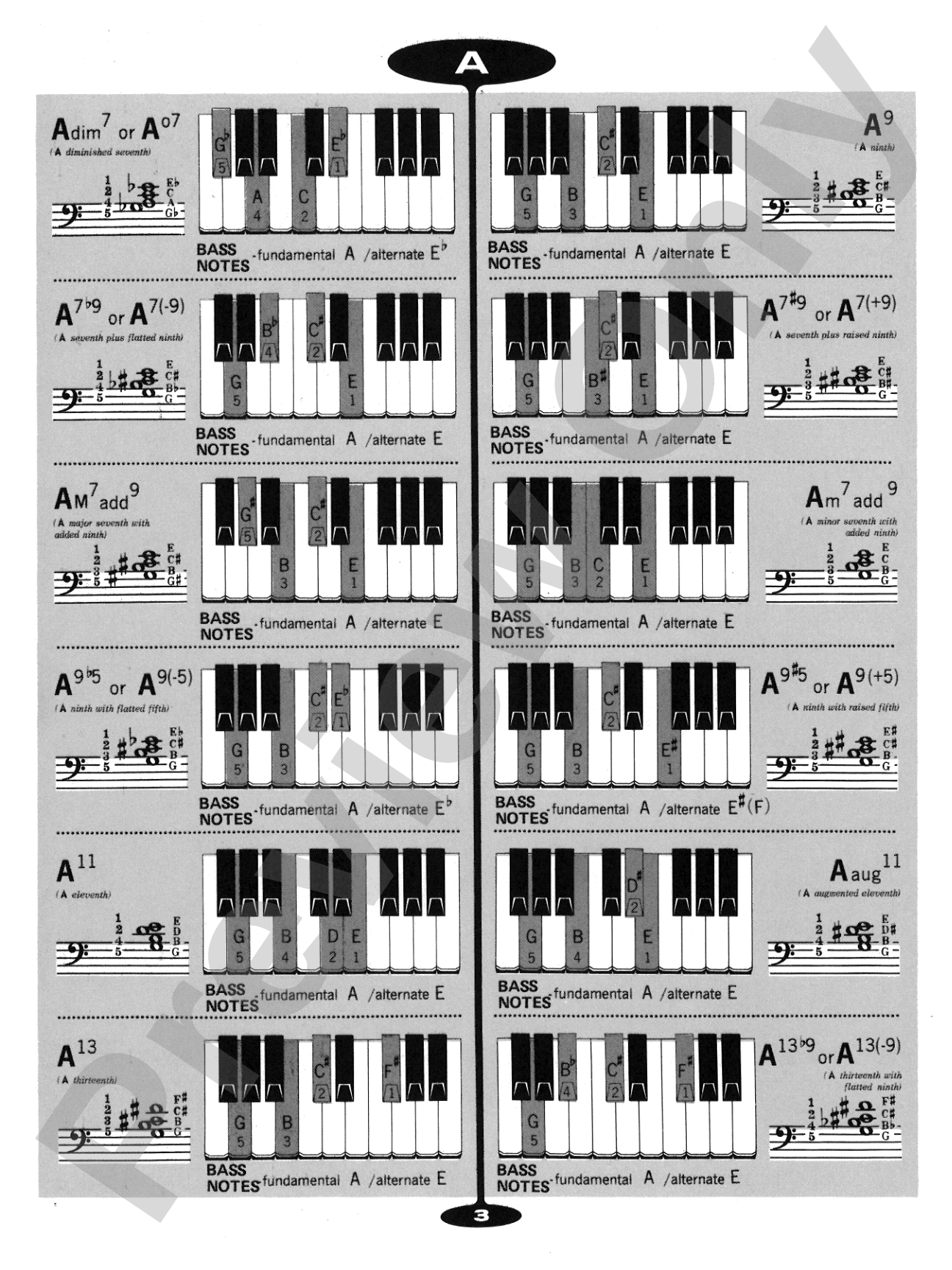
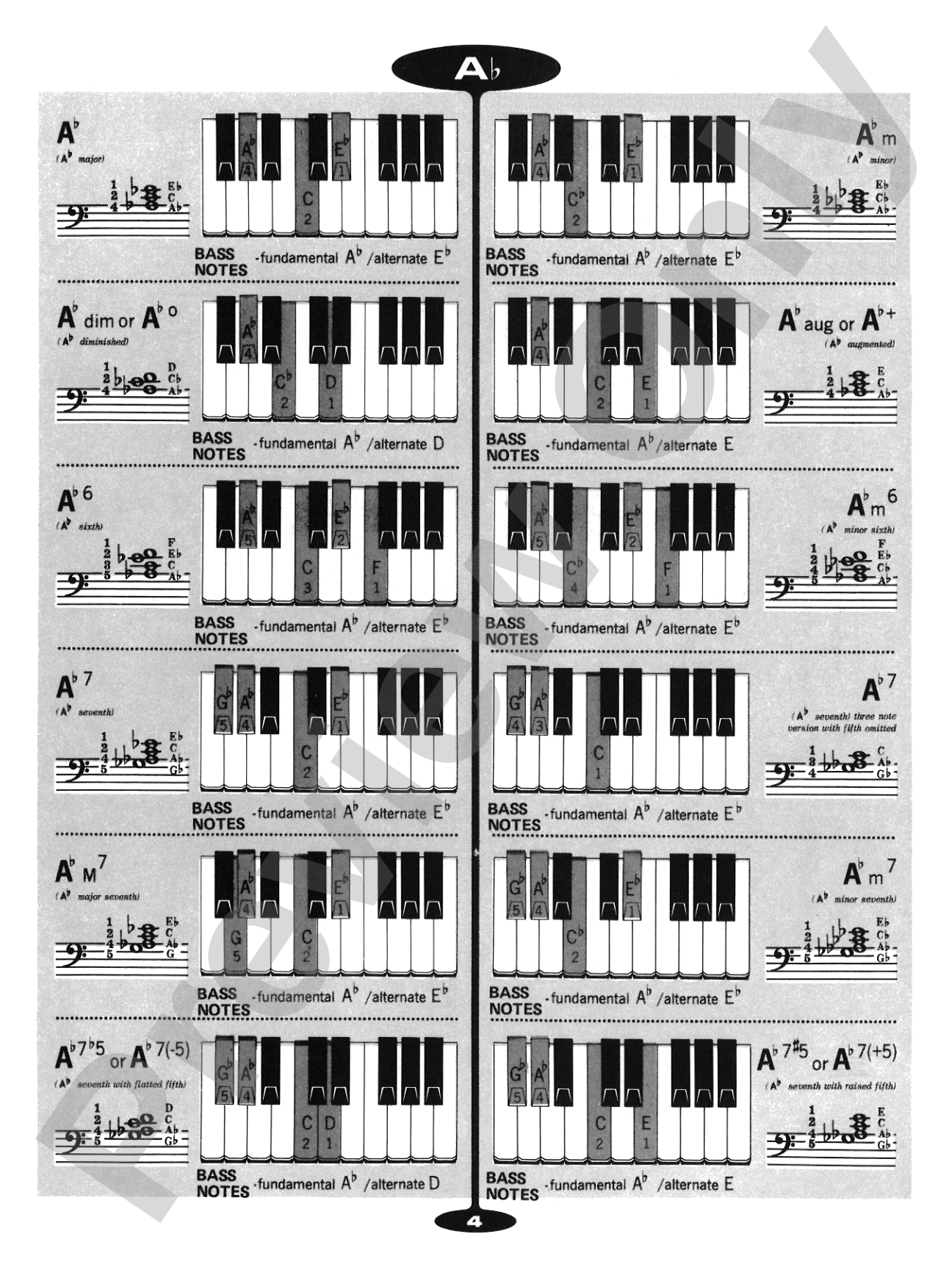
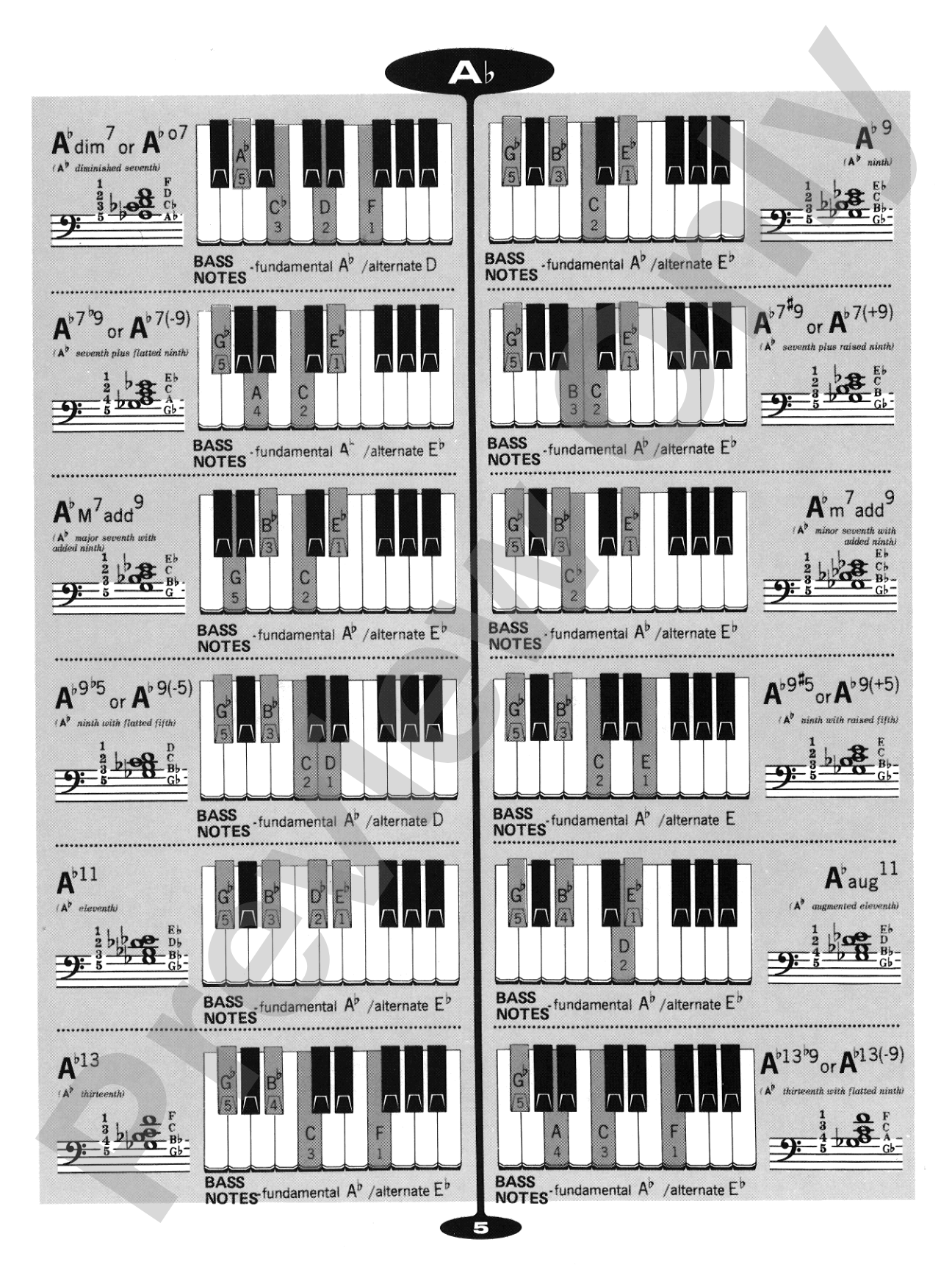
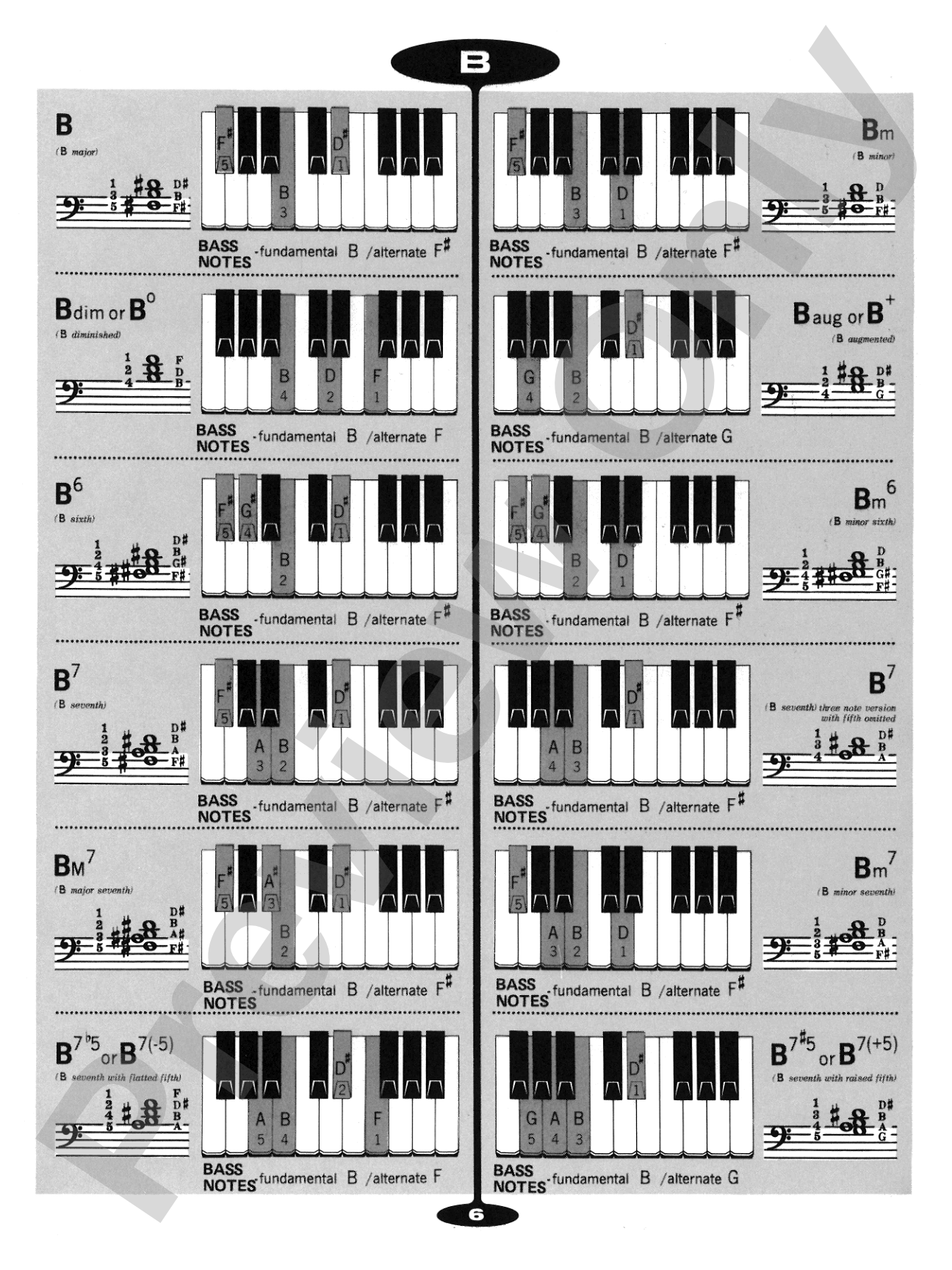
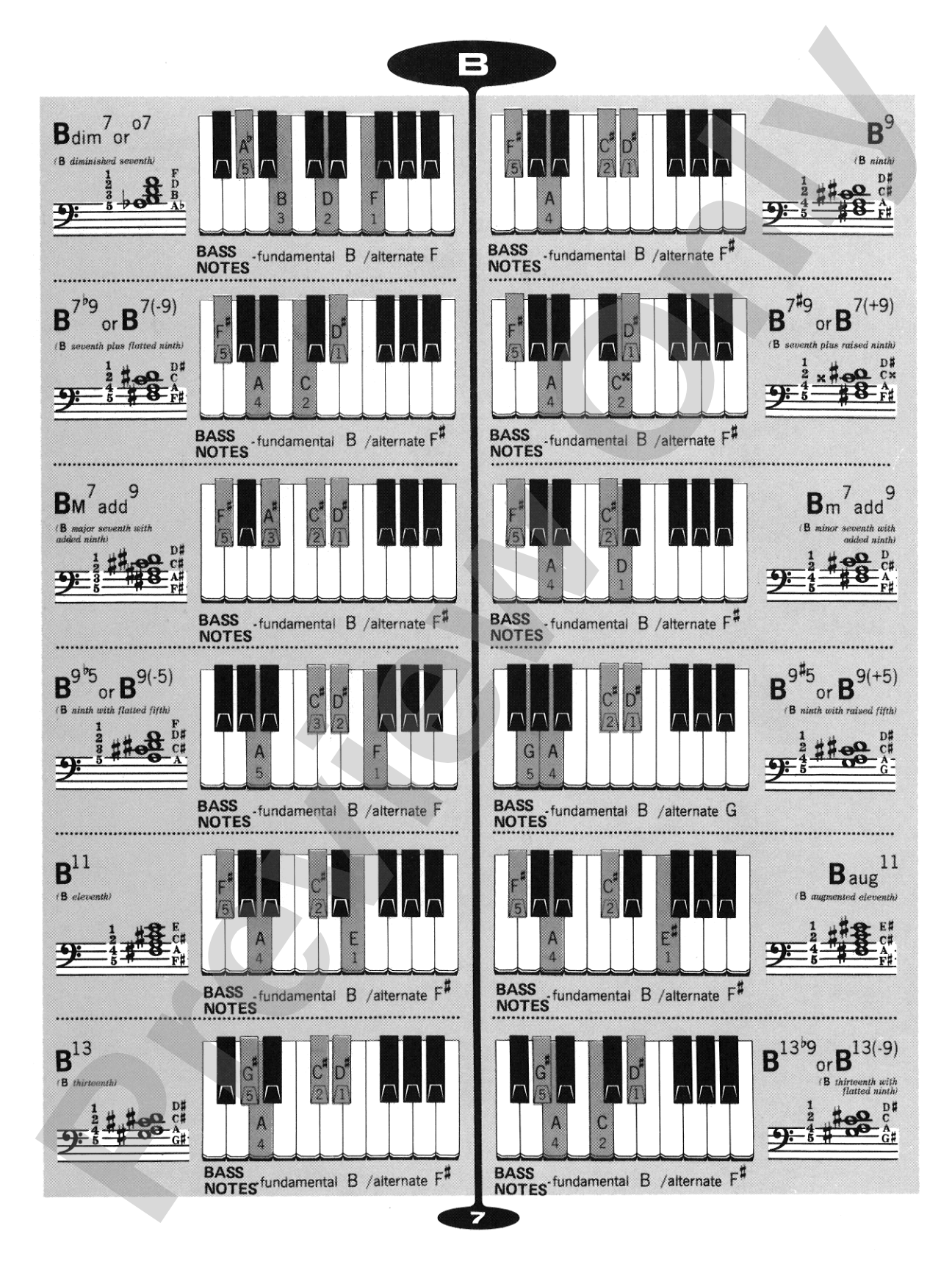
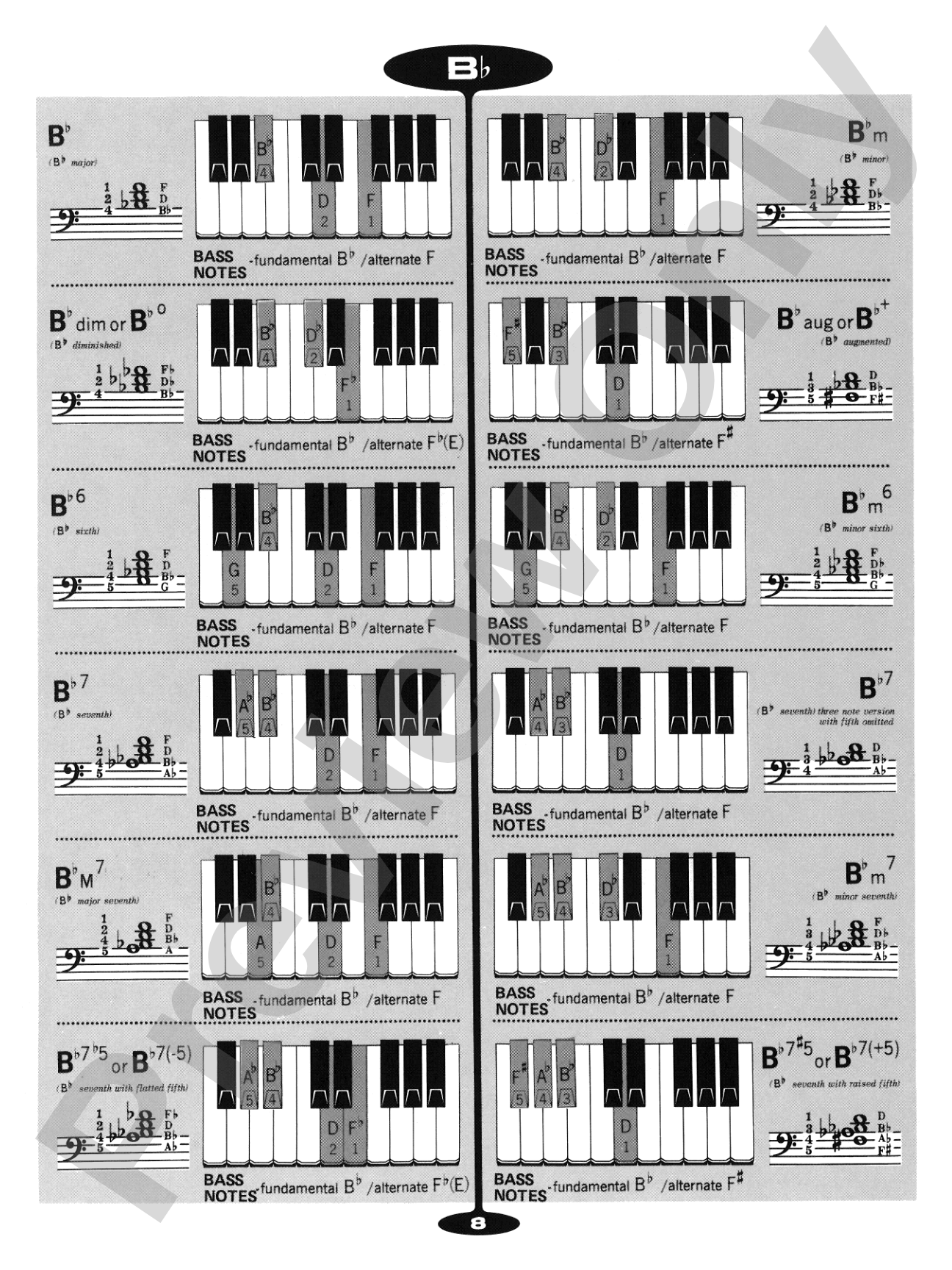
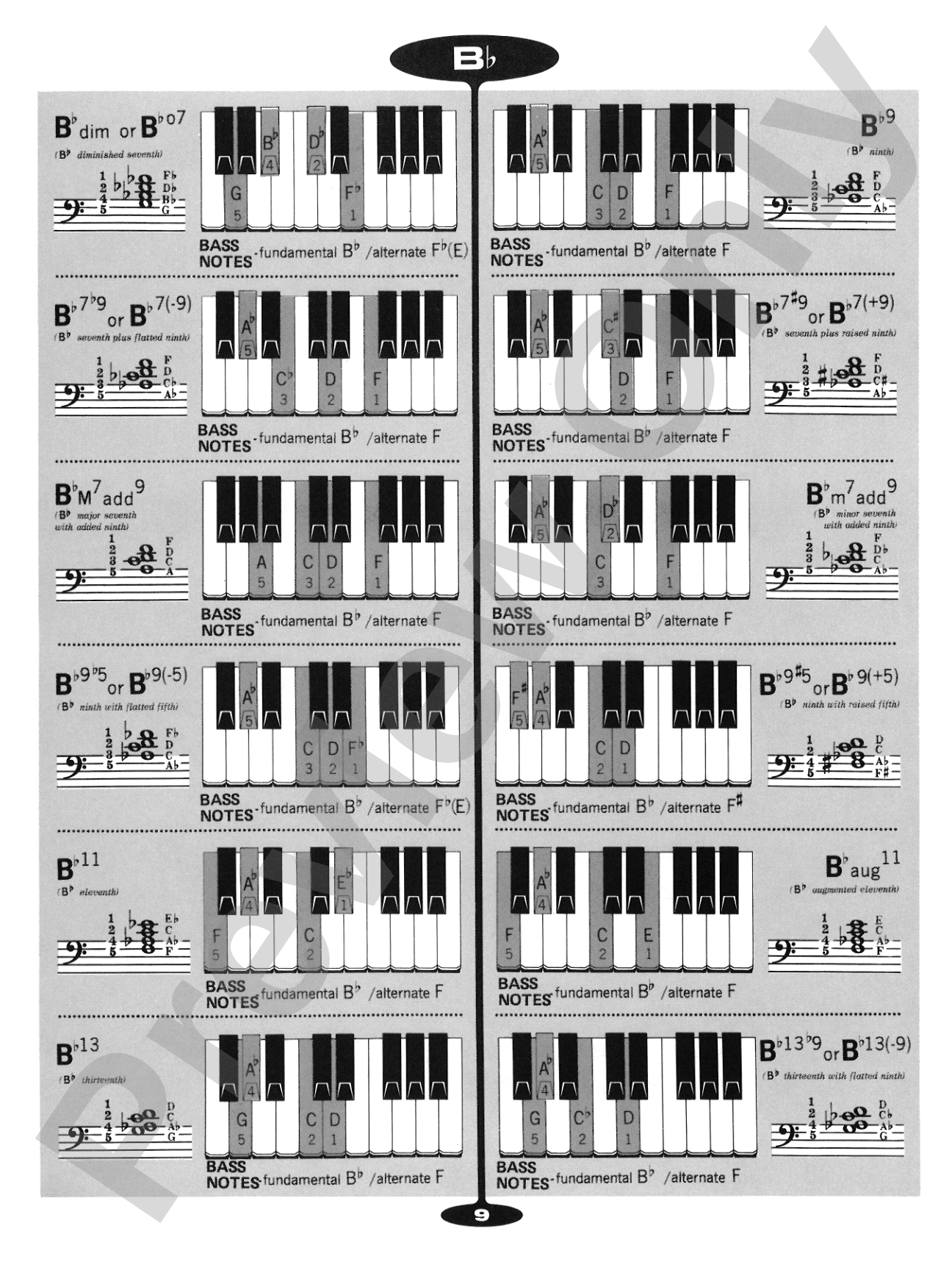
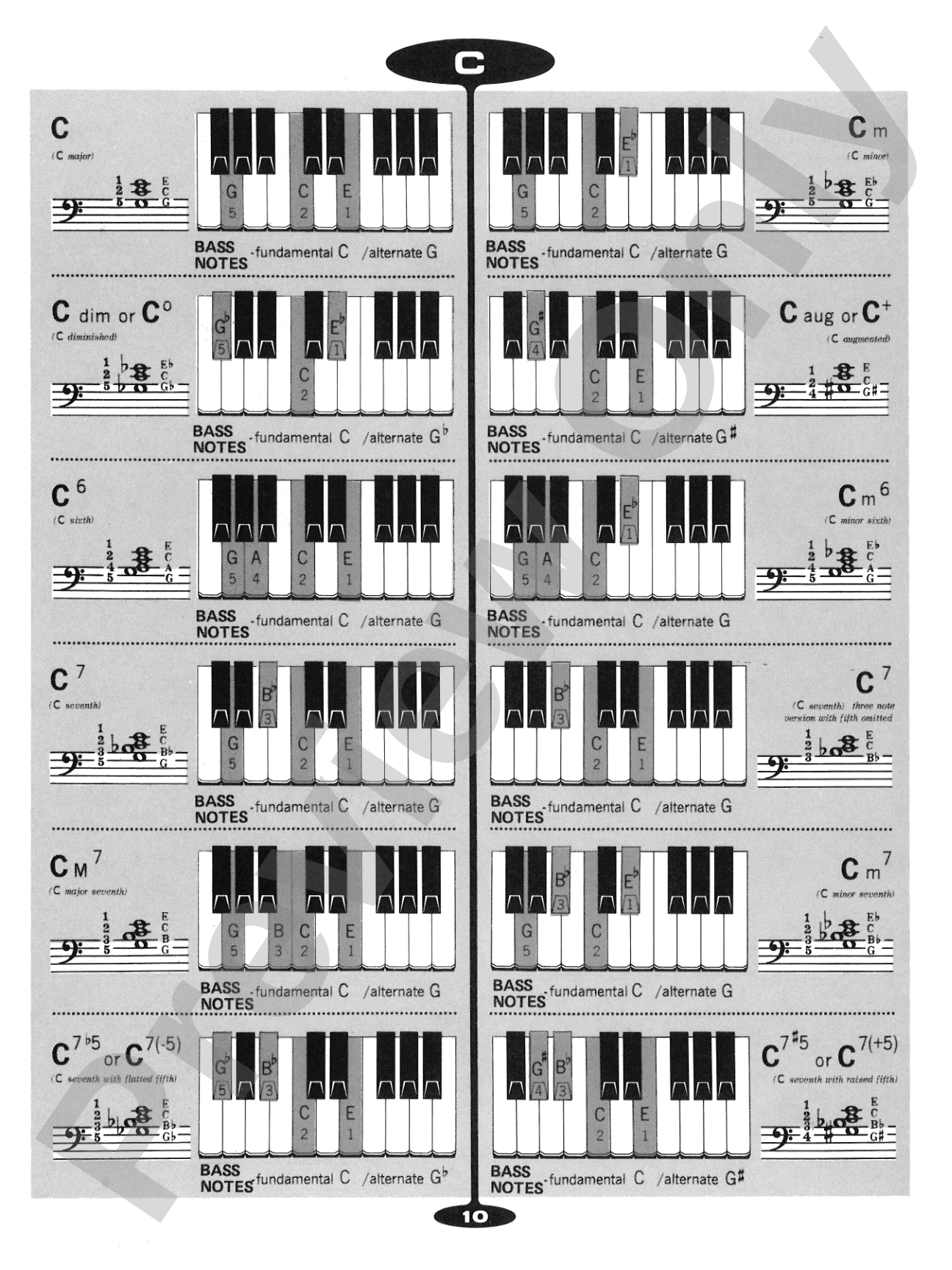
This reference cuts through the noise of chord theory by organizing the harmonies that actually appear in the songs your students want to play. Rather than abstract harmonic progressions, Palmer grounds every chord in notation, fingering patterns, and keyboard diagrams, making the leap from theory page to actual playing immediate and achievable.
What to expect
Practical and reassuring. Every chord you encounter in real music is here, fingered and diagrammed in a way that respects both hand anatomy and musical voice leading. You move through the resource with confidence, always knowing exactly where to place your fingers.
Who it's for
Piano students at the intermediate level and beyond who are exploring jazz, pop, and commercial music styles. Teachers seeking a practical, notation-based chord reference that moves beyond generic theory workbooks will find this essential for individual study and classroom reference.
How to get the most out of it
Refer to the keyboard diagrams first when introducing a new chord; visual finger placement registers faster than reading notation alone.
Cross reference chord spellings with actual repertoire your students are learning to show how theory directly serves their playing goals.
Use the fingering suggestions as written, even if they feel awkward at first; Palmer's positions are designed for smooth voice leading and hand transitions across keys.
How to use it
Keep this open during technique classes when students are learning chord substitutions or exploring jazz standards. It also serves as a permanent reference students can return to independently as they encounter unfamiliar harmonic colors in repertoire.
Skills your students will build
Recognizing and spelling major, minor, dominant seventh, and extended chord qualities
Understanding optimal fingering for chord transitions within keys
Reading keyboard diagrams and transferring visual information to hand position
Applying chord voicings to actual popular music repertoire
You May Also Like
Scan to Complete Your Purchase
Use your phone's camera to scan the code below
You'll log in on your phone and the order will be added to your account