Poems for Two Cover Image

Poems for Two: Vocal Acc. CD

$16.99 USD
Sale price  $16.99 USD Regular price 
Skip to product information
Poems for Two Cover Image

Poems for Two: Vocal Acc. CD

10 Vocal Duets for Recitals, Concerts, and Contests

By Mary Donnelly & George L. O. Strid, Greg Gilpin, Ruth Morris Gray, Victor C. Johnson, Penny Rodriguez, Michael John Trotta, and Douglas E. Wagner

Item: 00-51127

$16.99
Shipped

One moment…

Description
This captivating collection features texts by renowned poets, including Emily Dickinson, Robert Frost, Sara Teasdale, Edgar Allan Poe, and more, set to music by contemporary composers Mary Donnelly & George L. O. Strid, Greg Gilpin, Ruth Morris Gray, Victor C. Johnson, Penny Rodriguez, Michael John Trotta, and Douglas E. Wagner. Poems for Two provides the opportunity for duet singers in any combination to develop musicianship, hone vocal skills, elevate artistry, and connect with timeless literature. Audio tracks of the expressive piano accompaniments are available for download. Unlock the magic of poetry with Poems for Two!

Poems for Two: Vocal Acc. CD isn't in MakeMusic Cloud just yet...but it could be. Let us know you'd like to see it, and you'll help shape what comes next. In the meantime, start a free trial and dive into thousands of interactive titles your students can play along with today.

Sample Pages

No sample pages found.

Sample Audio
No sample audio found.
Sample Video
Additional Details
Series: For Two Series
Publisher: Alfred Music
UPC: 038081581644
SKU: 00-51127

More about this title

About the Composer: Mary Donnelly
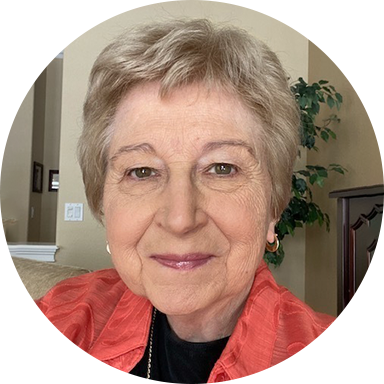
Mary Donnelly

Mary Donnelly grew up in Reno, Nevada, and studied English and French at the University of Nevada, Reno. While still an undergraduate, she helped establish two children's choruses and discovered her calling in music education. She returned to school for teacher certification and earned a Master's Degree in Education from Lesley College, where she focused on arts integration across the curriculum.

Donnelly spent thirty years teaching general music and choir in the Washoe County School District, retiring as a respected voice in elementary and middle school music education. In 1985, she began collaborating with George Strid while team-teaching; their principal's request for a Reading Week musical sparked a partnership that has produced over two hundred songs and twenty-five musicals. She holds memberships in ACDA, NEA, and ASCAP, and continues to live in Reno with her husband Rich.

Why we love this

This collection pairs canonical American poetry with fresh musical settings that honor both the text and contemporary compositional voices. Seven different composers bring distinct stylistic approaches to Dickinson, Frost, Teasdale, and Poe, giving singers the chance to explore varied musical languages while diving into literature they'd encounter in an English class. The vocal writing is genuinely singable for duet ensembles at multiple levels, and the recorded accompaniments let you rehearse independently or use them for polished performances.

What to expect

Literary and intimate. These are not theatrical duets but rather conversations between two voices exploring timeless imagery and emotion. The settings honor the quiet intensity of the poetry while giving singers room to shape phrases with intention and depth.

Who it's for

Duet singers at the middle school through adult levels who want substantive, artistically rewarding material that bridges vocal music and literature. Voice teachers can assign individual songs as recital pieces or studio repertoire; choral directors can extract duets for mixed ensembles or create concert segments that showcase two singers.

How to get the most out of it

  • Spend time with the poems independently before learning the music. Read them aloud, discuss imagery and tone, and notice where the composer's setting either mirrors or creates tension with the text.
  • Balance the blend between your two voices by listening critically to which singer has the primary melody in each phrase. Some texts benefit from equal partnership; others from a clear soloist-and-support dynamic.
  • Use the recorded accompaniment strategically: rehearse without it first to lock ensemble and phrasing, then add the track for performance preparation and to refine tempo relationships with the piano.

How to use it

Build a recital or concert segment around these duets, pairing them with instrumental solos or choral works to create a mixed-media exploration of American poetry. They work especially well as centerpieces in a program themed around literature, or as a bridge between your vocal and English departments during a school-wide poetry or literature unit.

Skills your students will build

  • Ensemble listening and balance in two-part vocal writing
  • Text interpretation and connection between poetic meaning and musical setting
  • Independence as a secondary voice while maintaining forward momentum
  • Collaborative rehearsal skills and communication with a singing partner
  • Musicianship in working with recorded accompaniment

You May Also Like