Plenty Good Room Cover Image

Plenty Good Room: 3-Part Mixed/SAB Choral Octavo

$1.65 USD
Sale price  $1.65 USD Regular price 
Skip to product information
Plenty Good Room Cover Image

Plenty Good Room: 3-Part Mixed/SAB Choral Octavo

Arr. Donald Moore

Item: 00-23448

$1.65
Shipped

One moment…

Description
Donald Moore gives new energy to a traditional American spiritual by adding new words and contemporary musical sensibilities. Each time the chorus returns it is more embellished until reaching its ultimate "rock out" potential. The bass section gets some great moments in the SATB and SAB voicings, and Part II isn't left out in the 2-part. Optional SoundTrax CD and SoundPax parts that really deliver the goods. SoundPax includes parts for a. sax., t. sax., tpt., tbn., rhy.

Plenty Good Room: 3-Part Mixed/SAB Choral Octavo isn't in MakeMusic Cloud just yet...but it could be. Let us know you'd like to see it, and you'll help shape what comes next. In the meantime, start a free trial and dive into thousands of interactive titles your students can play along with today.

Sample Pages

Sample Audio
0:00
0:00
Sample Video
Additional Details
Series: Alfred Choral Designs
Publisher: Alfred Music
Page Count: 12
UPC: 038081237725
SKU: 00-23448

More about this title

About the Arranger: Donald Moore
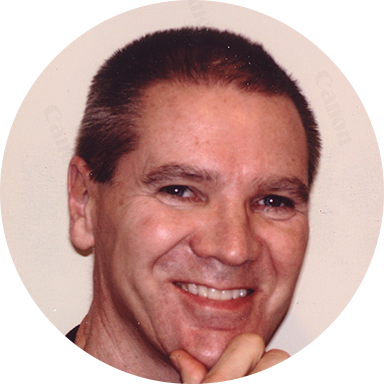
Donald Moore

Donald Moore earned his Bachelor of Music in organ performance and Master of Arts in Teaching from Kent State University. He currently serves as Organist-Choirmaster at Pilgrim United Church of Christ in Cuyahoga Falls, Ohio, and has established himself as a prolific composer, arranger, and author with more than 500 works published across major houses including Alfred Music, Hal Leonard, and Heritage Music Press.

Moore's output spans sacred choral music, secular works, educational pieces, organ and piano repertoire, and eight instructional books. His compositions regularly appear at state and festival competitions, and he has been recognized with seventeen ASCAP Composers Standard Awards. In 2014, the American Choral Directors Association's Choral Journal identified him as one of 400 composers of significance in American choral music history.

Why we love this

Moore's arranging style refuses to sit still. The repeated harmonic material gives singers a structural anchor, but the way each chorus return grows more embellished keeps the energy climbing toward that "rock out" moment. You'll find genuine moments for your bass singers here, and the optional instrumentation transforms a simple choral octavo into something that feels like a full band collaboration.

What to expect

The piece opens in familiar spiritual territory, then quietly plots its own path. As verses and choruses cycle, the musical argument builds: more rhythmic precision, deeper bass support, lusher harmonies. By the final chorus, what started as tradition becomes something alive and present, with just enough "rock and roll" edge to remind you that spirituals were always music of the people.

Who it's for

Directors working with SAB or 3-part mixed choirs who want a spiritual that moves beyond reverence into genuine contemporary energy. This works for middle and high school programs, church choirs seeking fresh takes on traditional material, and ensembles ready to add optional instrumentation for a fuller sound.

How to get the most out of it

  • Layer the embellishments in rehearsal so singers hear how each chorus builds on the last. Mark the exact sections where fuller harmonies, rhythmic intensification, or dynamic shifts occur.
  • Work the bass line with intention from day one. These aren't background moments; they anchor the groove and deserve the same attention you'd give to a melody line.
  • If you add the SoundPax instruments (saxophone, trumpet, trombone, rhythm), balance them so the choir still projects. Rehearse without tracks regularly to ensure voices stay independent.
  • Push the "rock out" section to find genuine rhythmic edge without losing pitch control. This isn't about shouting; it's about commitment to the groove.

How to use it

This suits a program featuring American sacred music, particularly one exploring how traditional spirituals connect to contemporary idioms. It also works as a concert closer when you want to send an audience out energized rather than contemplative. Consider it for spring or festival programs where you can pair it with other Moore arrangements or spirituals in varied styles.

Skills your students will build

  • Building dynamic intensity and embellishment across repeated harmonic cycles
  • Singing rhythmically independent bass lines that carry harmonic weight
  • Balancing ensemble blend when optional instrumental parts are added
  • Understanding how traditional music can be recontextualized without losing its core identity

You May Also Like