Piddlin' Cover Image

Piddlin': String Orchestra Conductor Score & Parts

$45.00 USD
Sale price  $45.00 USD Regular price 
Skip to product information
Piddlin' Cover Image

Piddlin': String Orchestra Conductor Score & Parts

By Shirl Jae Atwell

Grade: 3

Item: 36-50250168

$45.00
Shipped

One moment…

Description
Piddlin' is a loose double Rondo in a slightly modal D minor, with contrasting episodes in between the two main themes. The basses start off theme 1 with an ostinato. Violin 1, celli and basses will shift, with carefully marked fingerings to aid less-experienced students. This would make a wonderful review for high school students, because of all the varying rhythmic values. Counting is a must, along with maintaining a steady beat!

Piddlin': String Orchestra Conductor Score & Parts isn't in MakeMusic Cloud just yet...but it could be. Let us know you'd like to see it, and you'll help shape what comes next. In the meantime, start a free trial and dive into thousands of interactive titles your students can play along with today.

Sample Pages

Sample Audio
0:00
0:00
Sample Video
Additional Details
Series: LudwigMasters Concert Strings
Publisher: Keiser Productions, Inc.
UPC: 660355197413
SKU: 36-50250168
Instrumentation: String Orchestra

More about this title

About the Composer: Shirl Jae Atwell
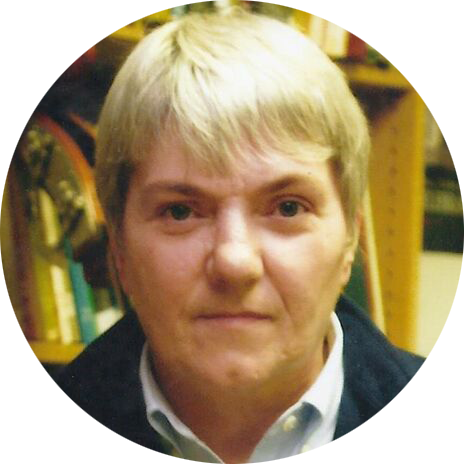
Shirl Jae Atwell

Shirl Jae Atwell holds degrees from Kansas State Teachers College and the University of Louisville, where she earned her Master of Music Theory/Composition degree. She completed four years of advanced composition study at the University of South Carolina, establishing herself as a prolific composer across multiple genres. Her work has been recognized nationally: she won the Clifford Shaw Memorial Award for Kentucky Composers in 1984, took first place in the National School Orchestra Association composition contest in 1996 with her string orchestra piece Modus á Four, and won the Texas Orchestra Directors Association contest in 1997. Her output spans opera, ballet, choral works, and orchestral music, with six of her scores now housed in the permanent collection of the Paris Bibliothèque Internationale de Musique Contemporaine.

Why we love this

Atwell designed this piece specifically as a review tool for high school orchestras, which means every measure serves a pedagogical purpose. The loose double Rondo structure with contrasting episodes keeps players engaged across varied rhythmic content, while the carefully marked fingerings in the Violin 1, cello, and bass parts show a composer who understands what less-experienced string players need to succeed.

What to expect

Piddlin' sits in a slightly modal D minor that feels contemplative without being heavy, carried forward by the hypnotic bass ostinato that anchors the opening. The double Rondo structure unfolds with natural grace, returning to familiar thematic material while the contrasting episodes provide just enough variety to keep the ear interested.

Who it's for

High school string orchestras preparing concert repertoire or needing a piece that consolidates fundamental skills. This Grade 3 work fits orchestras with mixed experience levels, since Atwell's careful fingerings and rhythmic clarity support developing players while remaining musically engaging for more advanced musicians.

How to get the most out of it

  • Establish a rock-solid pulse before rehearsal one. The ostinato in the basses is the heartbeat of this piece; if those players lock in, the rhythmic layers above will fall into place naturally.
  • Mark every beat subdivision in the score during the first read-through. The varying rhythmic values demand consistent counting, especially when players move between quarter notes and sixteenth-note figures.
  • Use the fingering indications as learning opportunities rather than restrictions. Atwell's marked fingerings exist to build muscle memory and intonation awareness in less-secure players; take time to discuss why each fingering choice matters.
  • Balance texture carefully in the contrasting episodes. Since this piece relies on the interplay between themes and their developmental passages, bring out each section's contribution without letting any voice disappear into the mix.

How to use it

Program this as a centerpiece for a high school concert when you want to showcase the orchestra's rhythmic precision and ensemble cohesion. Its moderate length and Grade 3 accessibility make it an ideal bridge piece between warmup repertoire and more ambitious works on the same program.

Skills your students will build

  • Reading and maintaining mixed rhythmic values (quarter notes, eighth notes, sixteenth notes)
  • Executing consistent ostinato patterns without rhythmic drift
  • Double stop technique in violin parts with fingering guidance
  • Listening through texture to track thematic material across multiple sections
  • Counting complex metric passages while maintaining steady pulse

You May Also Like