
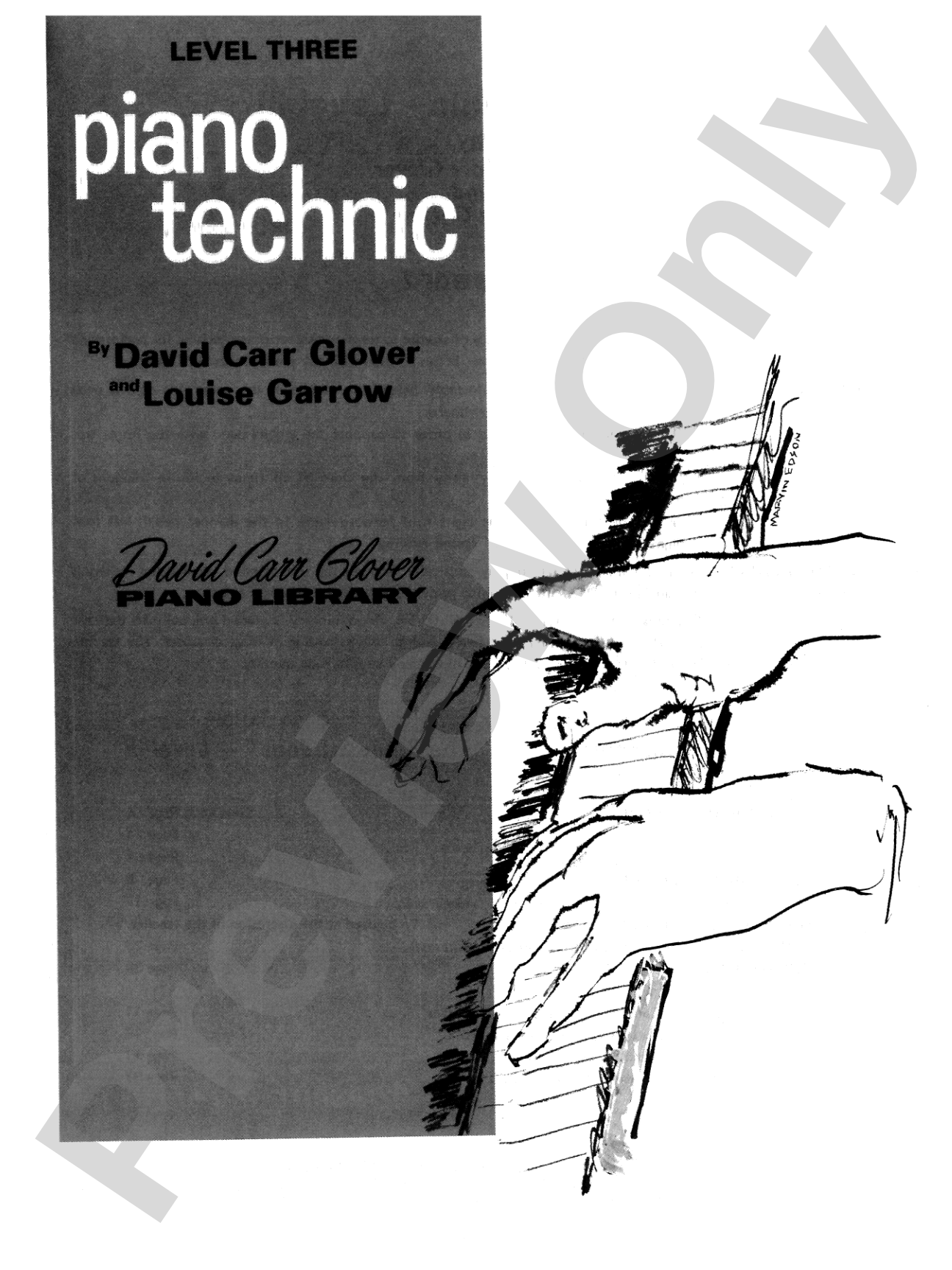

Piano Technic, Level 3: Piano
By David Carr Glover and Louise Garrow
Item: 00-PB-0002077
$7.95
Pickup currently not available
Related Items
Piano Technic, Level 3: Piano Book |
$7.95
|
View |
Description
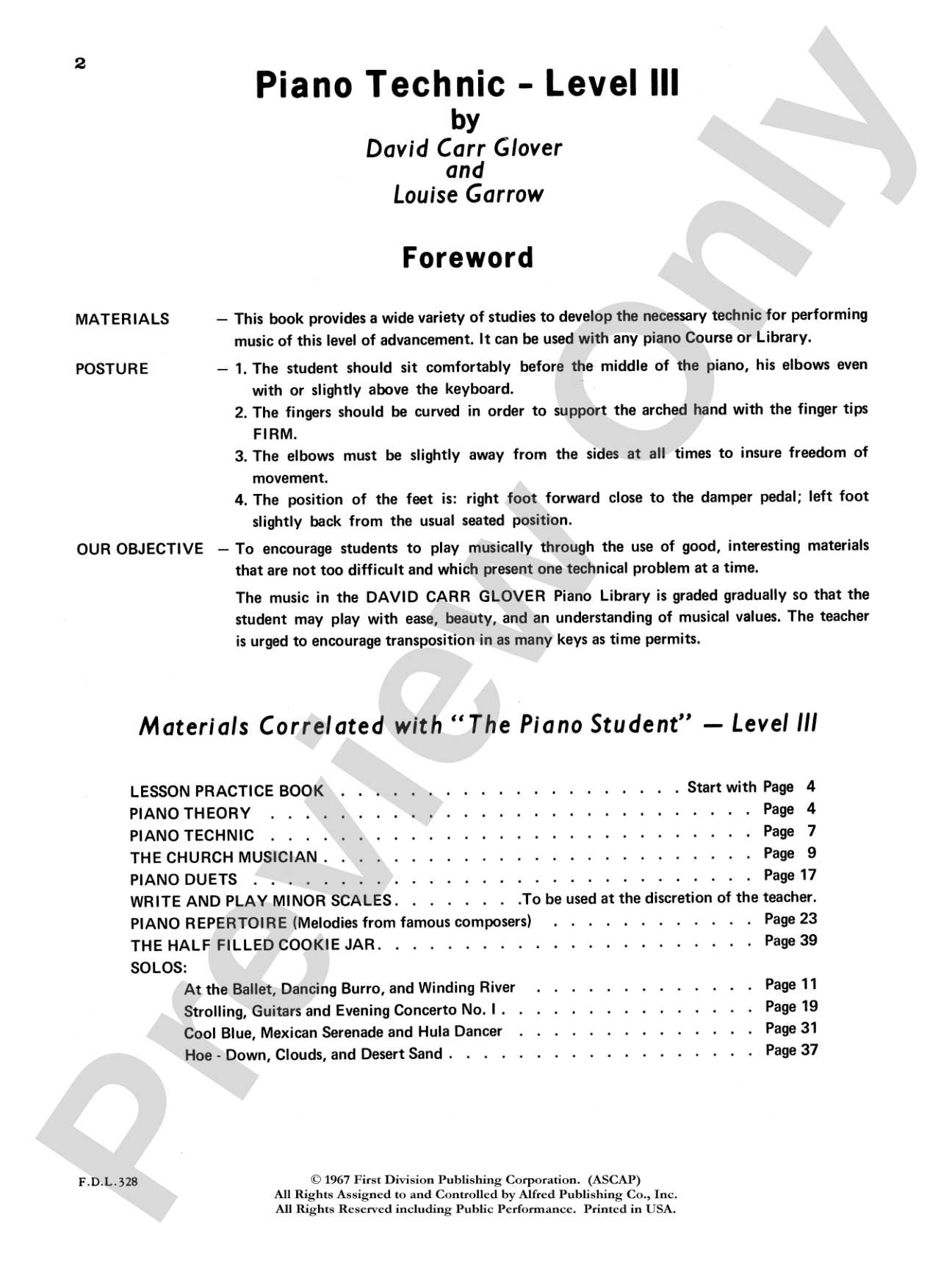
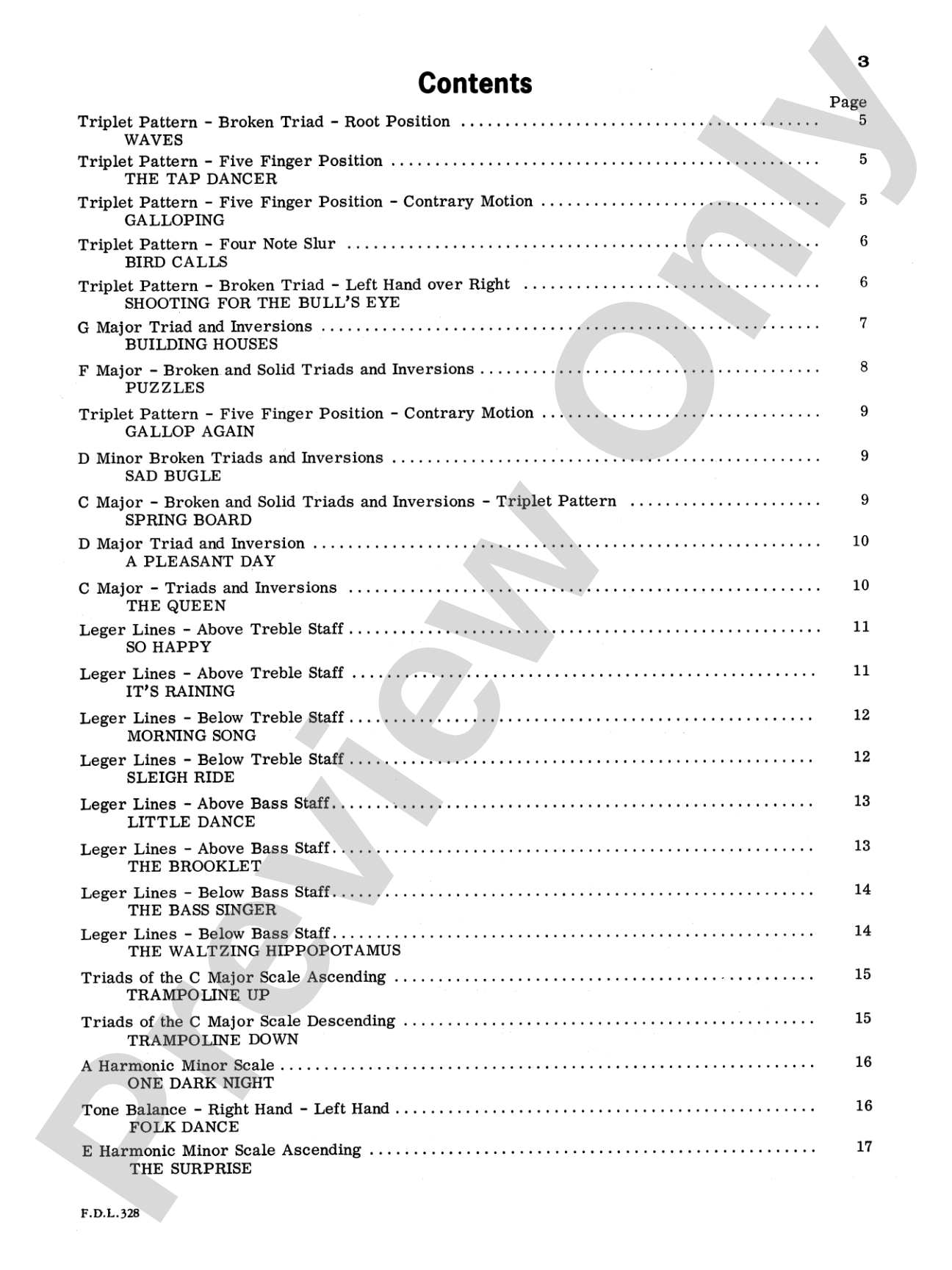
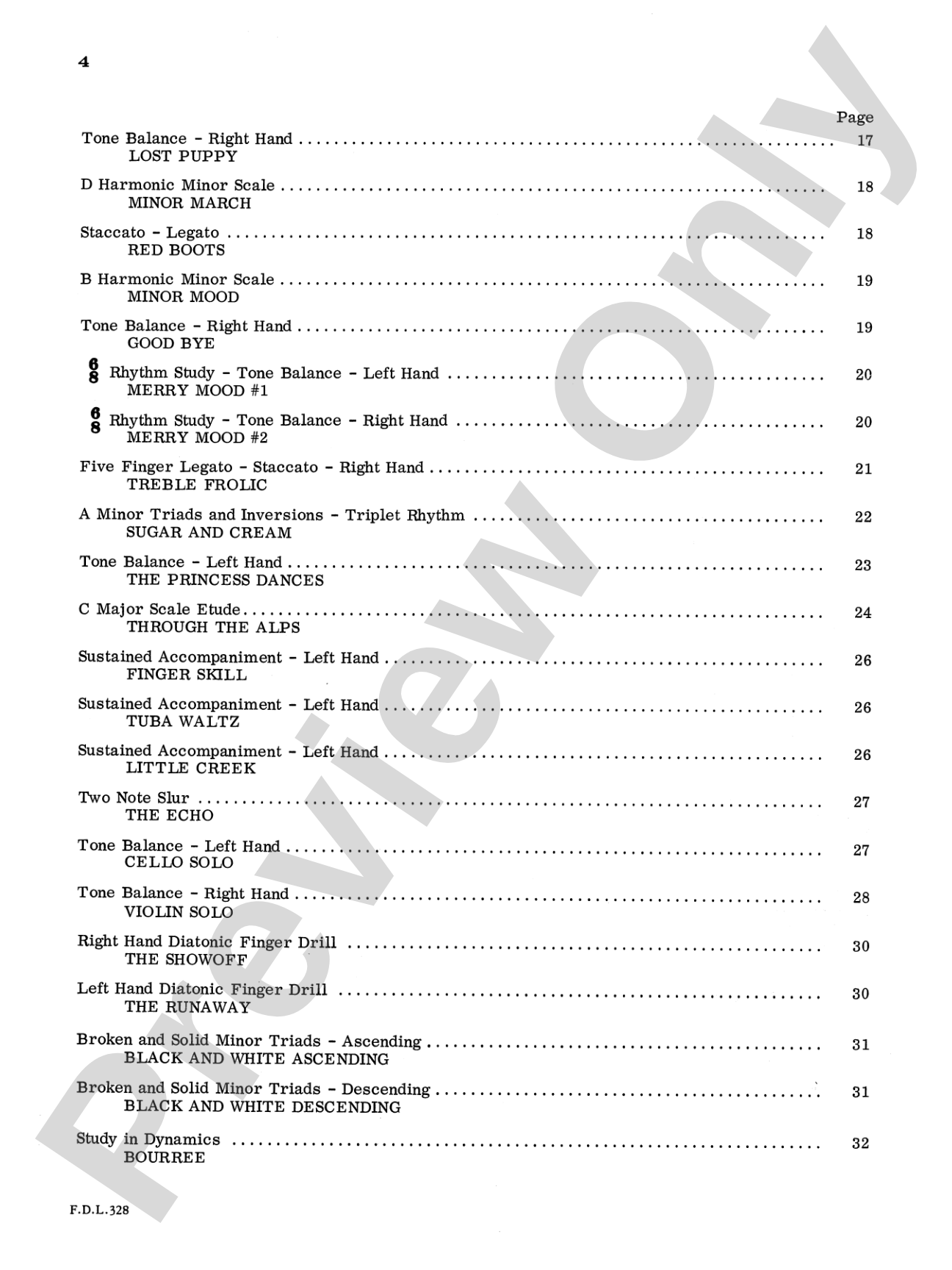
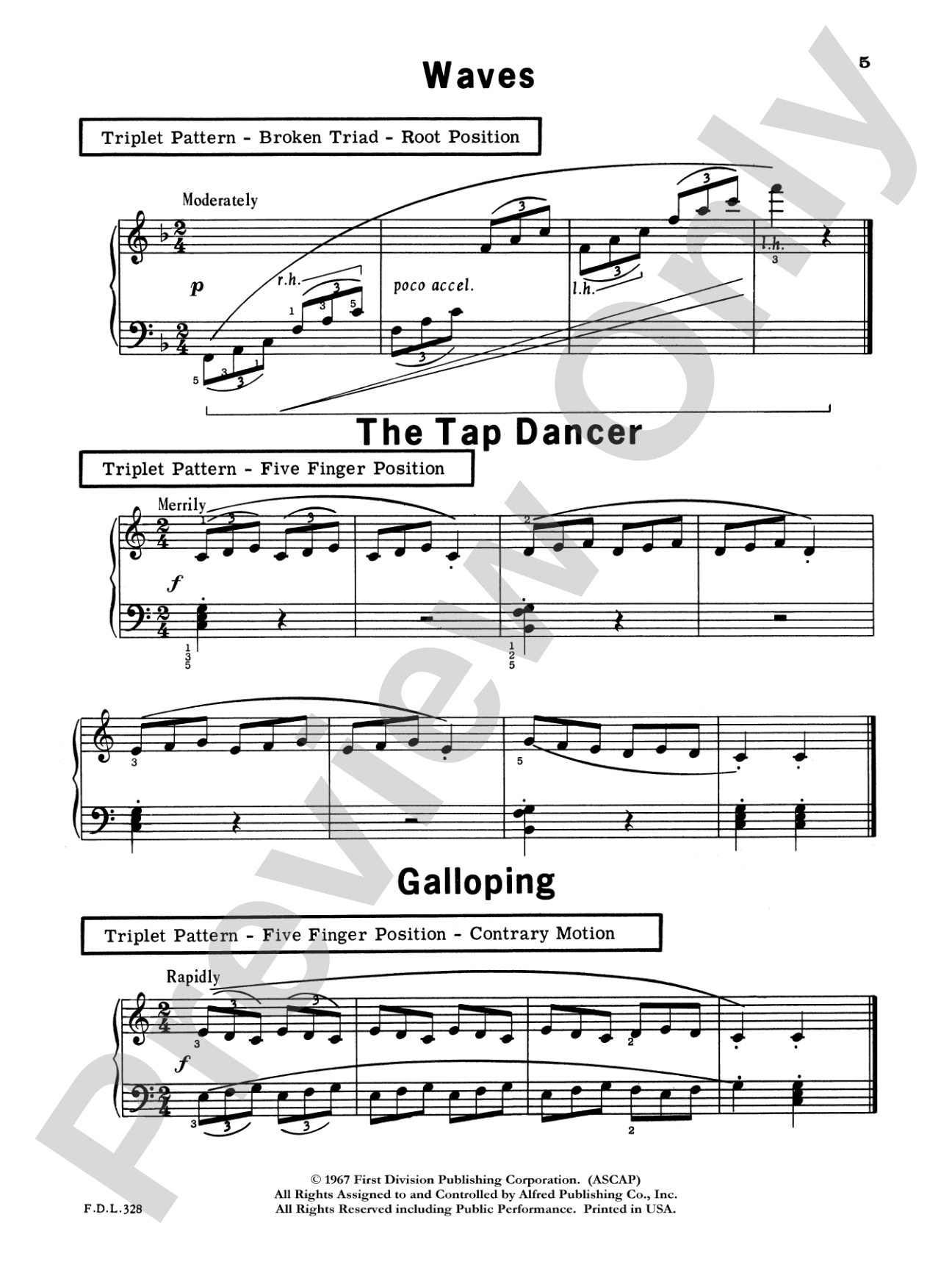
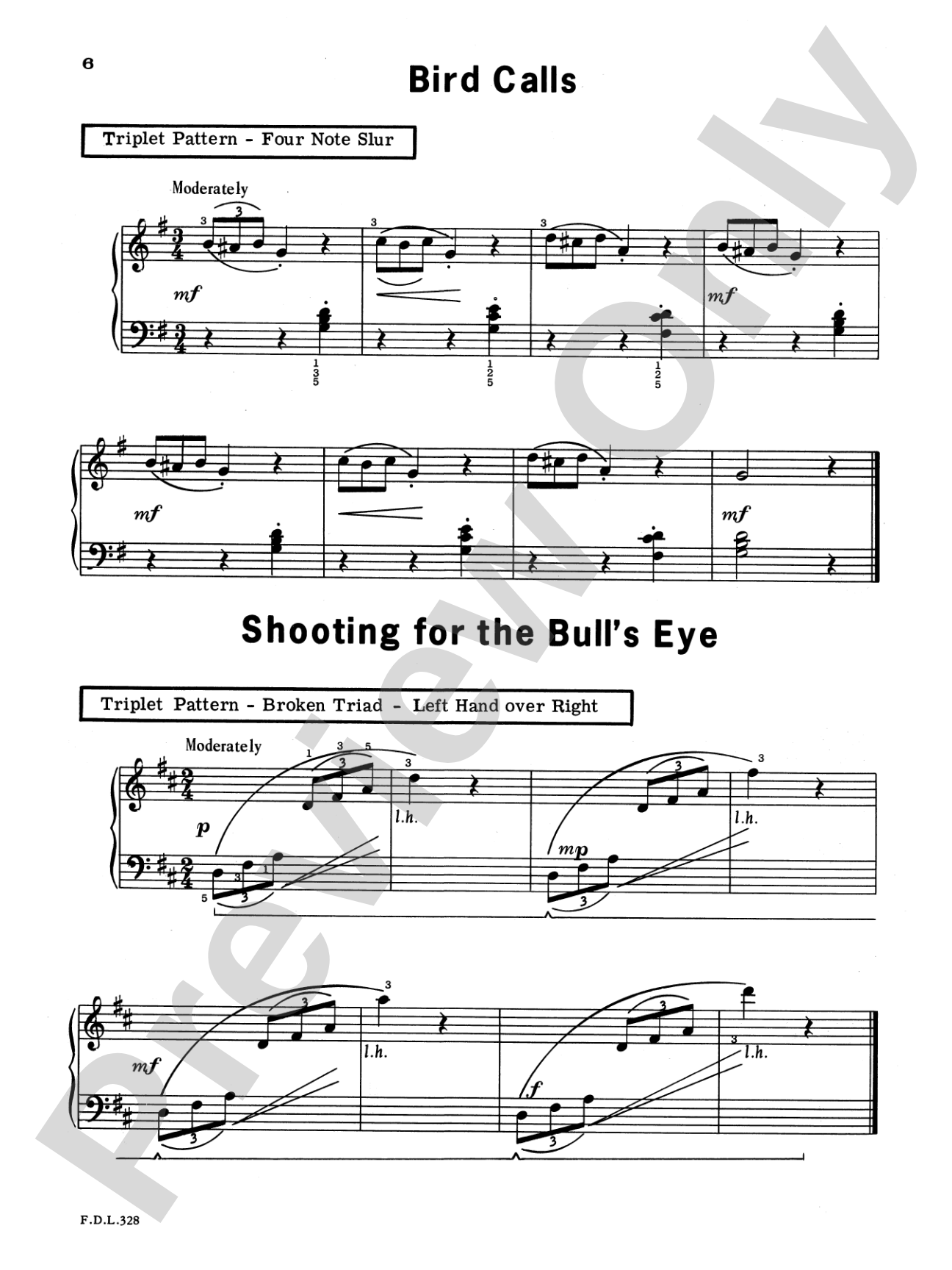
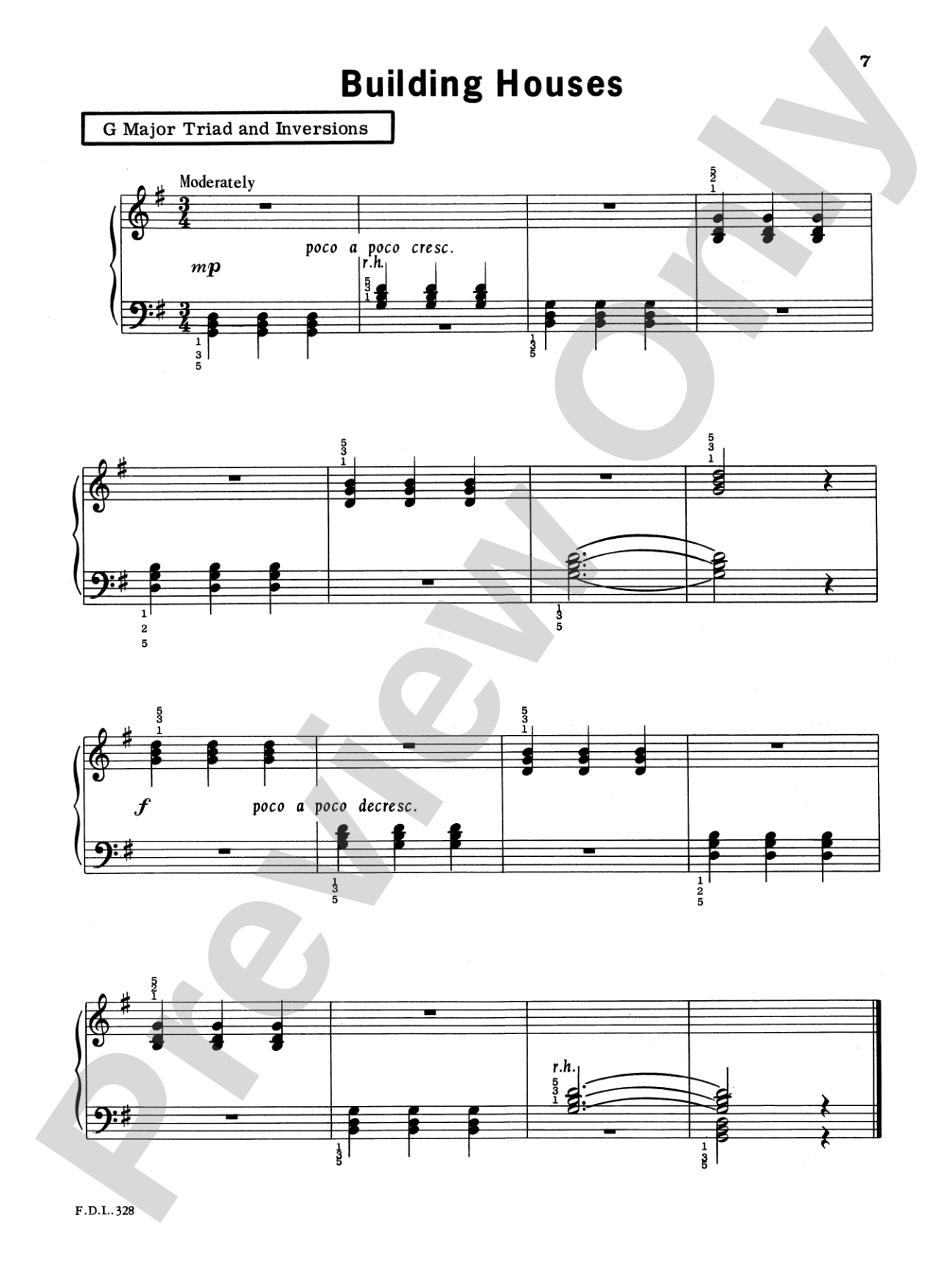
Piano Technic provides a wide variety of studies to develop the necessary skills for performing music. It can be used with any piano course or library. The music in the David Carr Glover Piano Library is graded gradually so that the student may play with ease, beauty, and an understanding of musical values. Level Three studies cover triplet patterns, triads and inversions, leger lines, tone balance, harmonic minor scales, and left-hand sustained accompaniment.


Piano Technic, Level 3: Piano isn't in MakeMusic Cloud just yet...but it could be. Let us know you'd like to see it, and you'll help shape what comes next. In the meantime, start a free trial and dive into thousands of interactive titles your students can play along with today.
Request This Title
Tell us you want it.
Start Your Free Trial
Explore everything that's ready to play right now.
Sample Audio
No sample audio found.
Sample Video
No sample videos found.
Additional Details
Series:
David Carr Glover Piano Library
Publisher:
Alfred Music
Page Count:
32
SKU:
00-PB-0002077
More about this title
About the Composer: David Carr Glover
David Carr Glover shaped generations of piano students through methodical, musically intelligent curricula. His Piano Library remains a cornerstone of American music education because it treats technique not as drill work but as a gateway to expressive playing.
Glover understood that students progress when studies are sequenced thoughtfully and graded precisely. His materials balance the mechanical demands of piano with genuine musical content, ensuring that every exercise serves both the hand and the ear.
Why we love this
Level 3 lands at exactly the moment when students are ready to move beyond basic five-finger patterns into real harmonic thinking. The integration of triads, inversions, and harmonic minor scales means students aren't just learning technique in isolation; they're building the vocabulary they need to sight-read and interpret actual repertoire. Glover's pacing here is masterful, introducing triplet figures and left-hand accompaniment patterns without overwhelming the learner.
What to expect
These studies feel like small windows into the repertoire that comes next. While they're fundamentally pedagogical, they carry real musicality. Triplet patterns dance across the keyboard with natural rhythmic lift; triad inversions create smooth voice leading that satisfies the ear; the harmonic minor scale opens darker, more expressive possibilities than students have encountered before.
Who it's for
Intermediate pianists in their first or second year of study who have completed foundational technique and are ready to engage with harmonic concepts. Teachers seeking a comprehensive yet flexible source of graded studies that aligns with any existing piano method will find this essential.
How to get the most out of it
- Address triplet accuracy through slow practice with a metronome set to subdivisions. Many students rush the final note of a triplet; drilling the pattern at half-speed first prevents this habit from taking hold.
- When working through triad inversions, assign finger numbers deliberately and stick with them across multiple studies. Consistent fingering builds muscle memory and transfers to performance repertoire.
- Listen for tone balance between hands by having students play left-hand accompaniment patterns alone first, establishing the right dynamic weight before adding melody.
- Frame harmonic minor scale practice as 'hearing the difference.' Play a measure in natural minor, then the same measure in harmonic minor so students understand why the raised seventh degree changes the character.
How to use it
Assign one or two studies weekly alongside your main method book to deepen whatever concept you're emphasizing in repertoire that month. If students are preparing a piece with sustained left-hand accompaniment, pull the relevant studies here to isolate and strengthen that specific texture before applying it to performance music.
Skills your students will build
- Triplet rhythm recognition and execution
- Triad construction and inversions in multiple keys
- Reading ledger lines above and below the staff
- Left-hand accompaniment patterns with sustained voices
- Harmonic minor scales and their characteristic sound
- Tone balance between melody and accompaniment
- Harmonic progression understanding