

Piano 101: Notespeller, Book 1: Carefully Sequenced Exercises That Reinforce Note-Reading Skills: Piano
Carefully Sequenced Exercises That Reinforce Note-Reading Skills
By Gayle Kowalchyk and E. L. Lancaster
Item: 00-PB-0000975
$10.99
Pickup currently not available
Related Items
Piano 101: Notespeller, Book 1: Piano Book |
$10.99
|
View |
Description
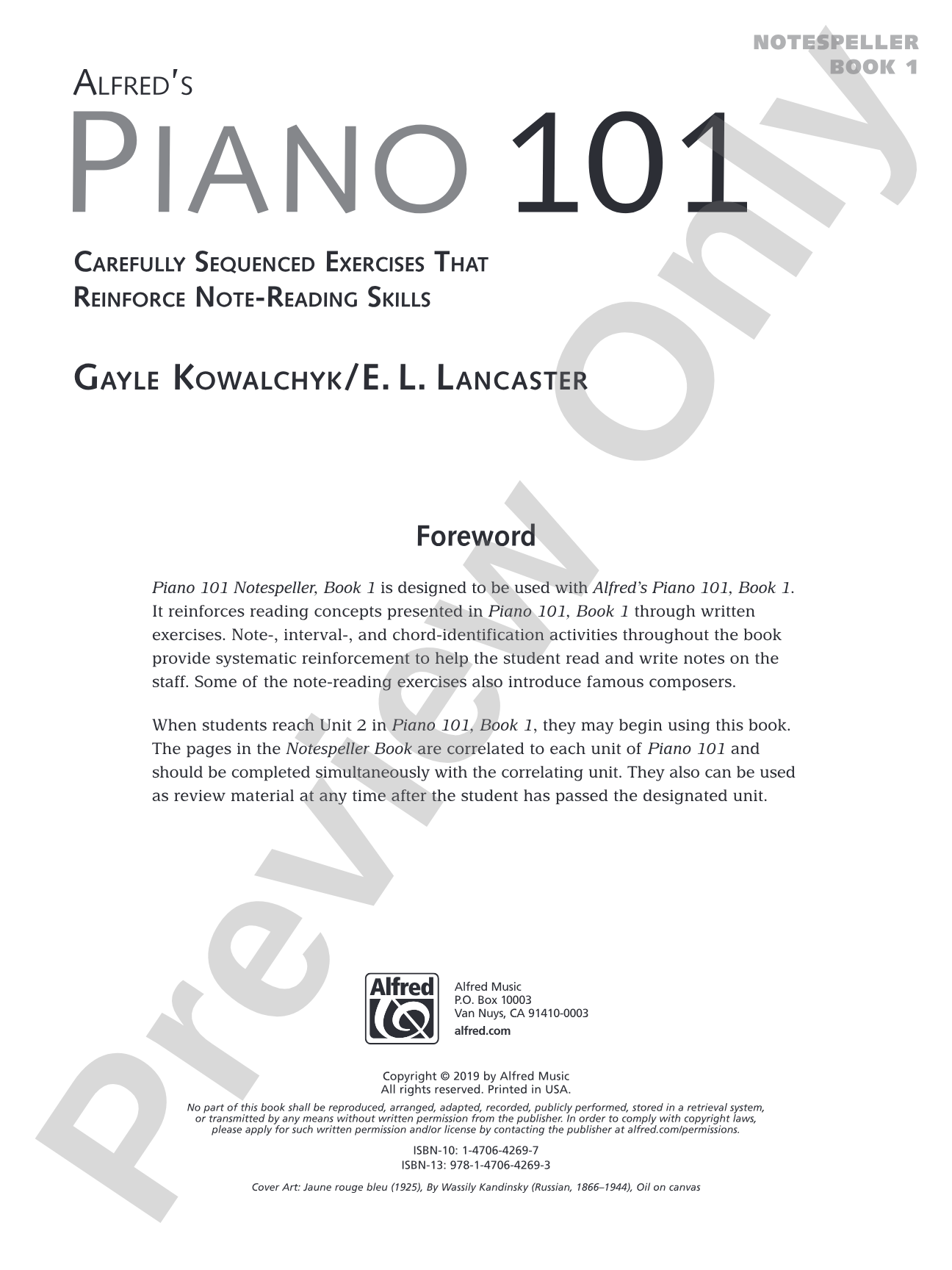
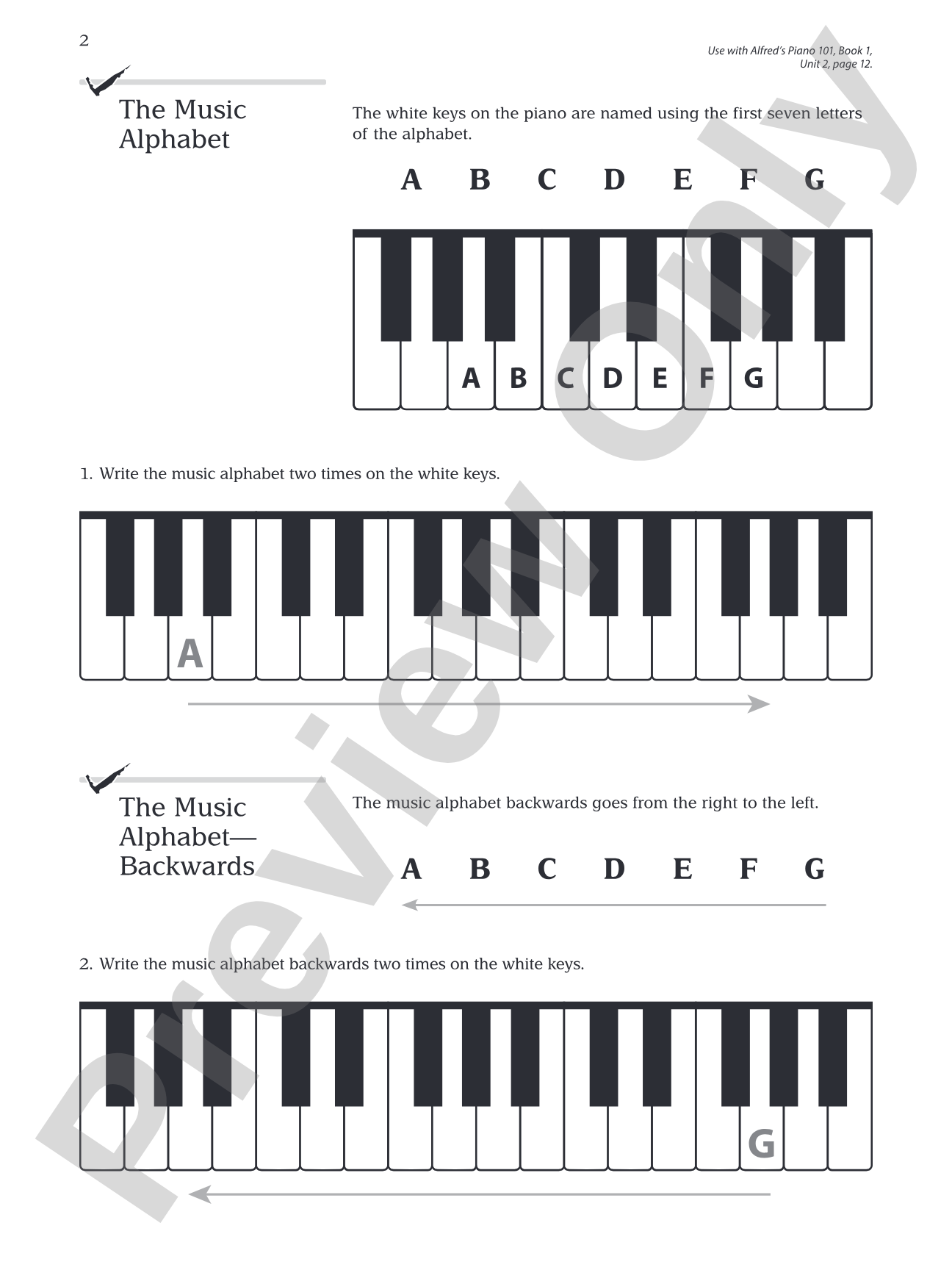
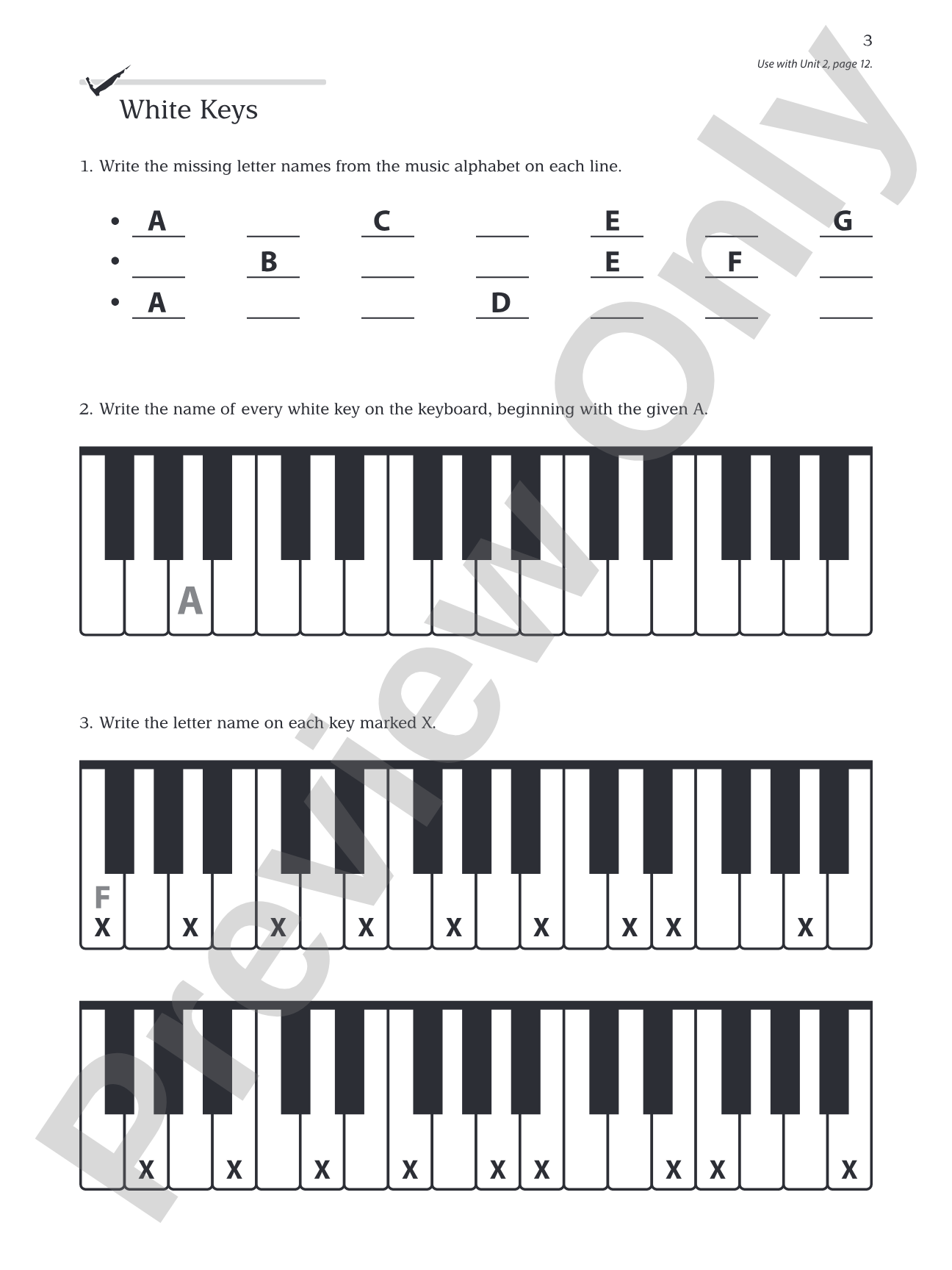
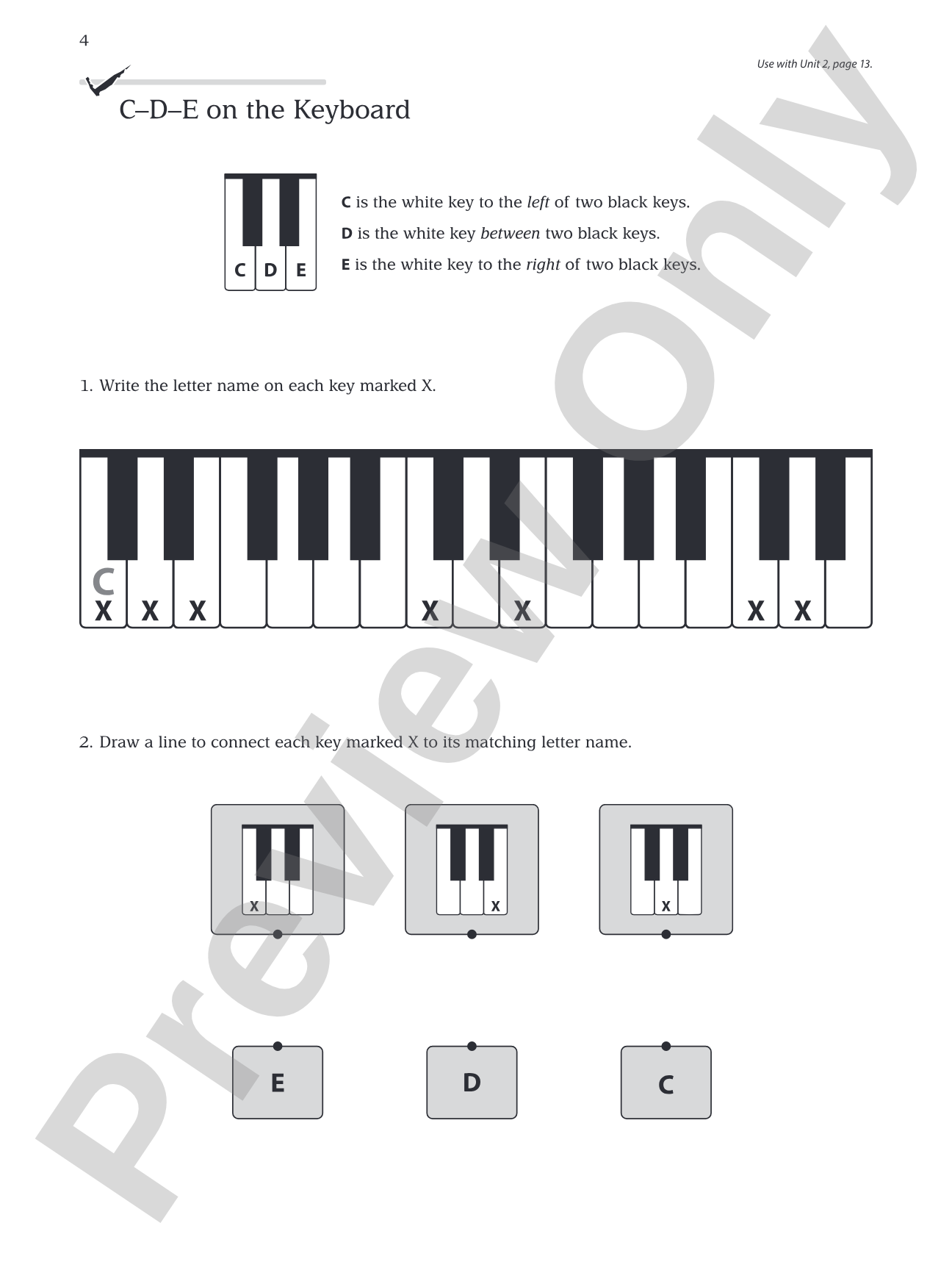
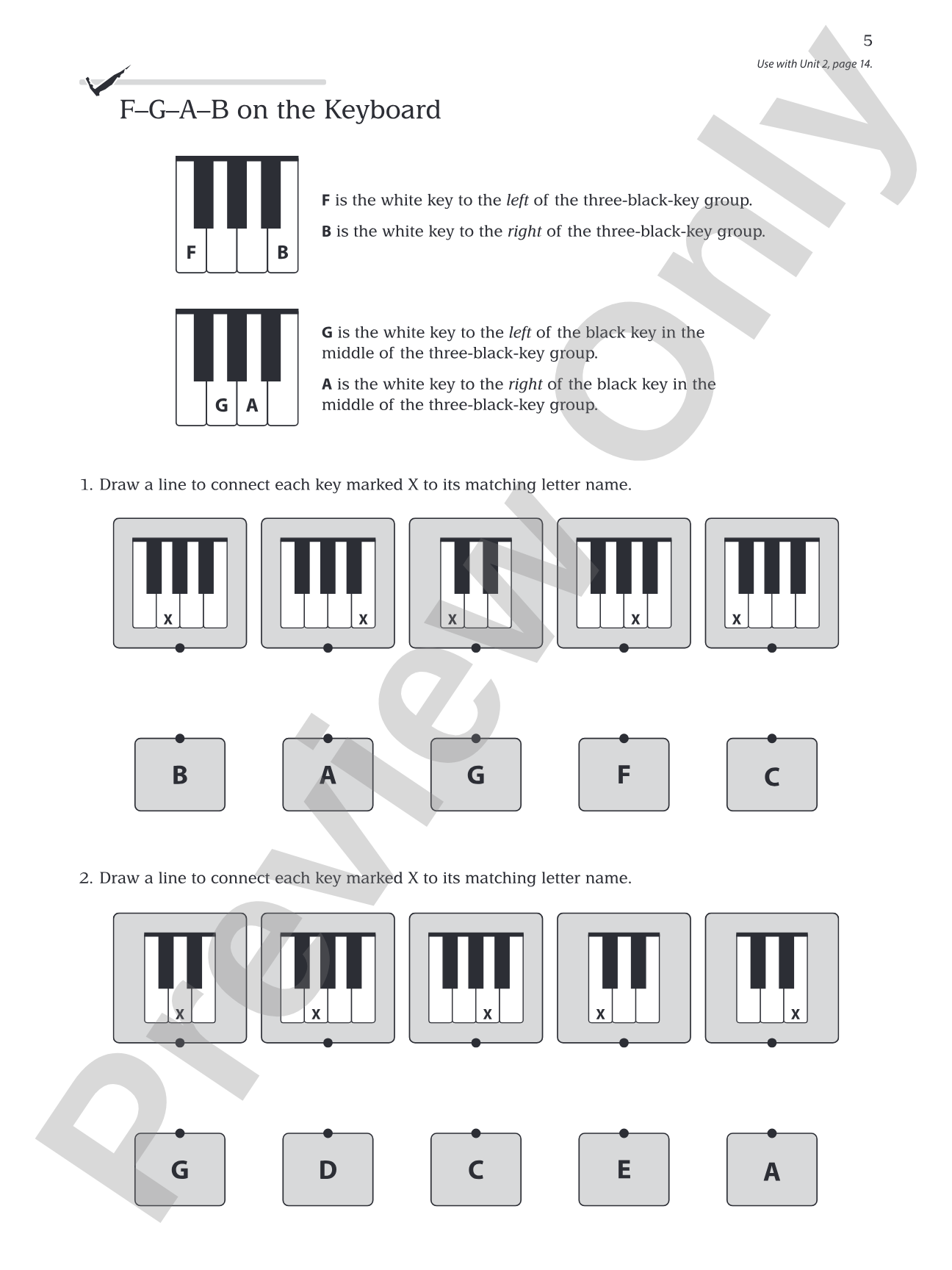
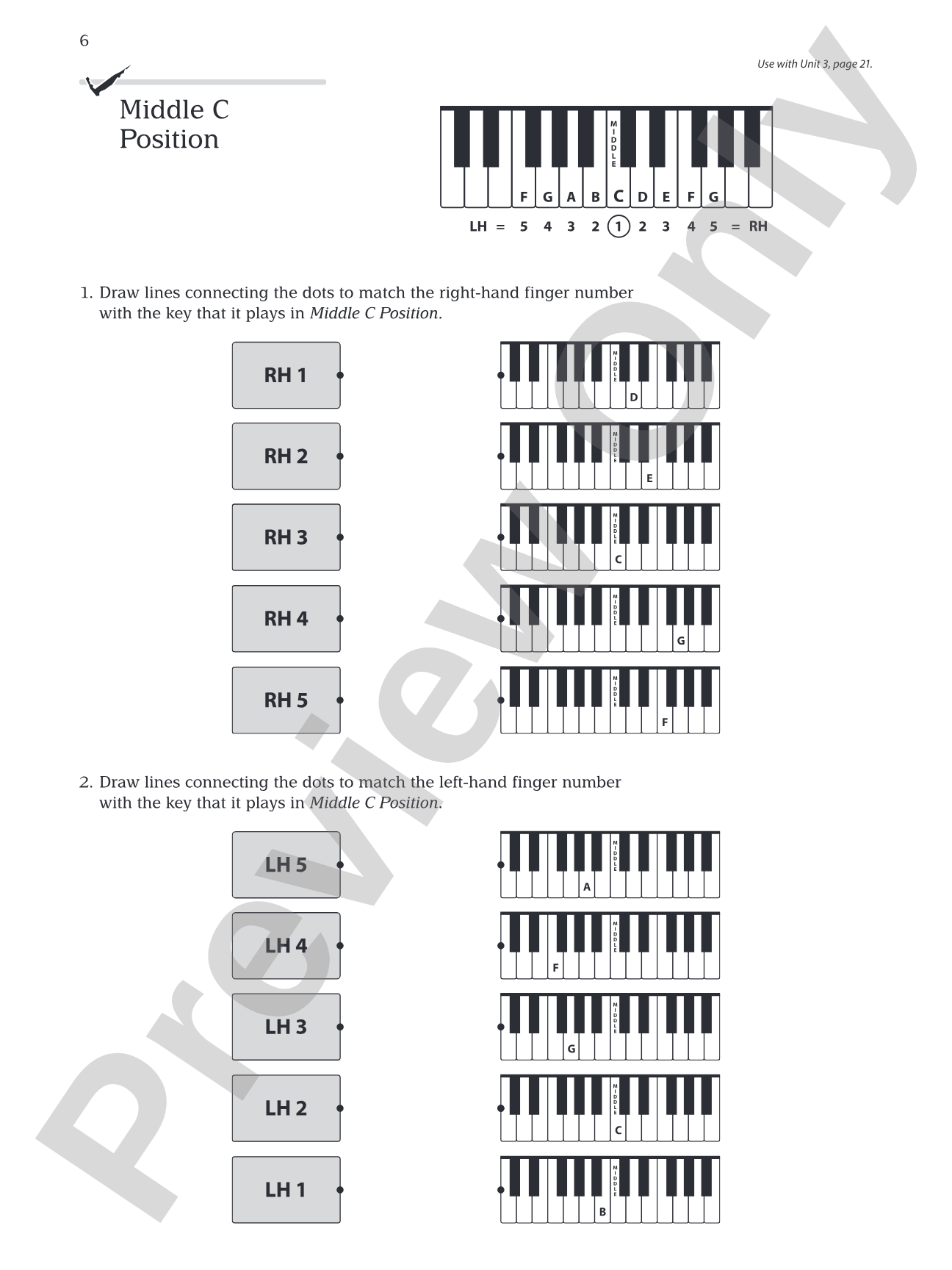
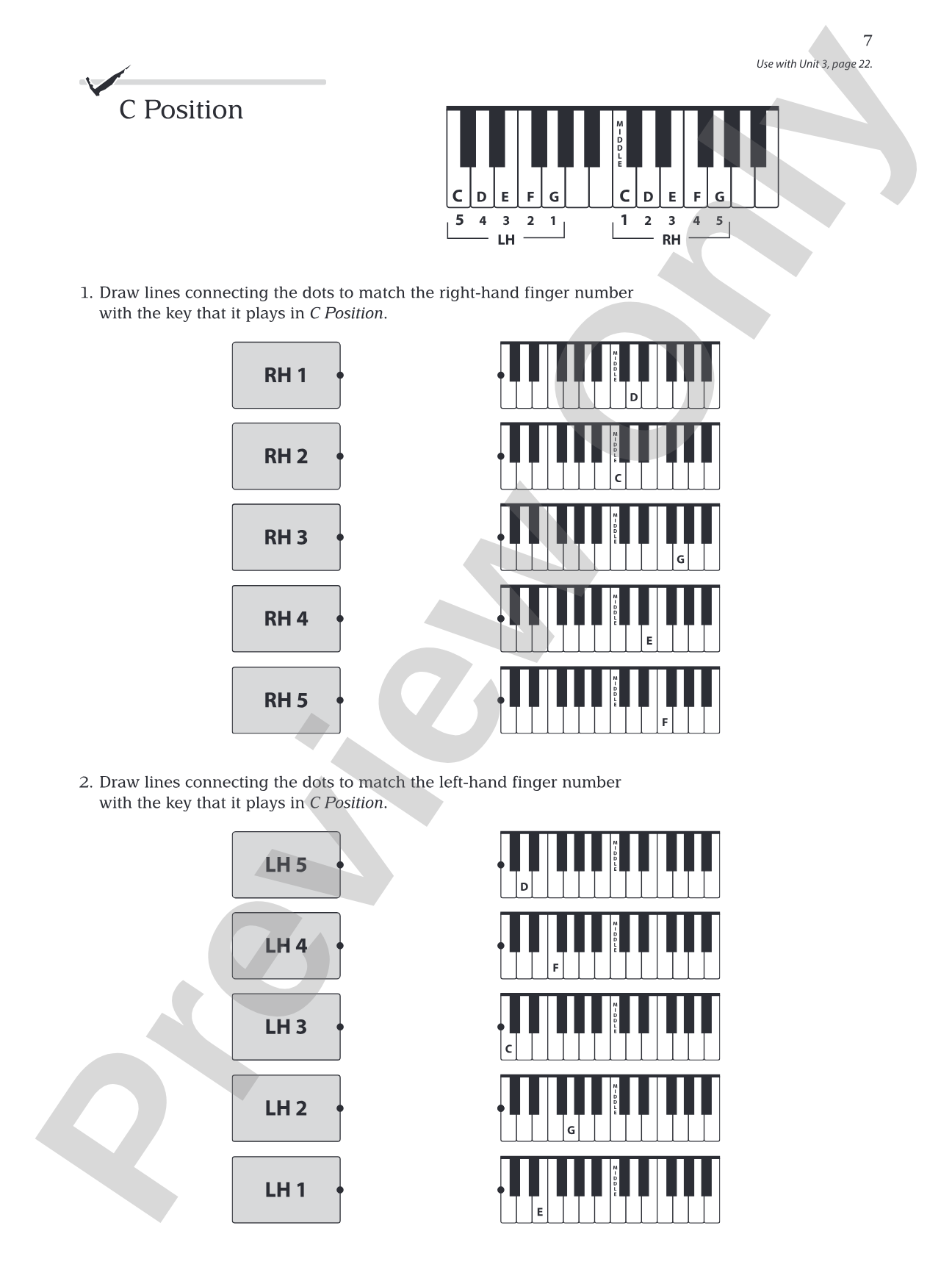
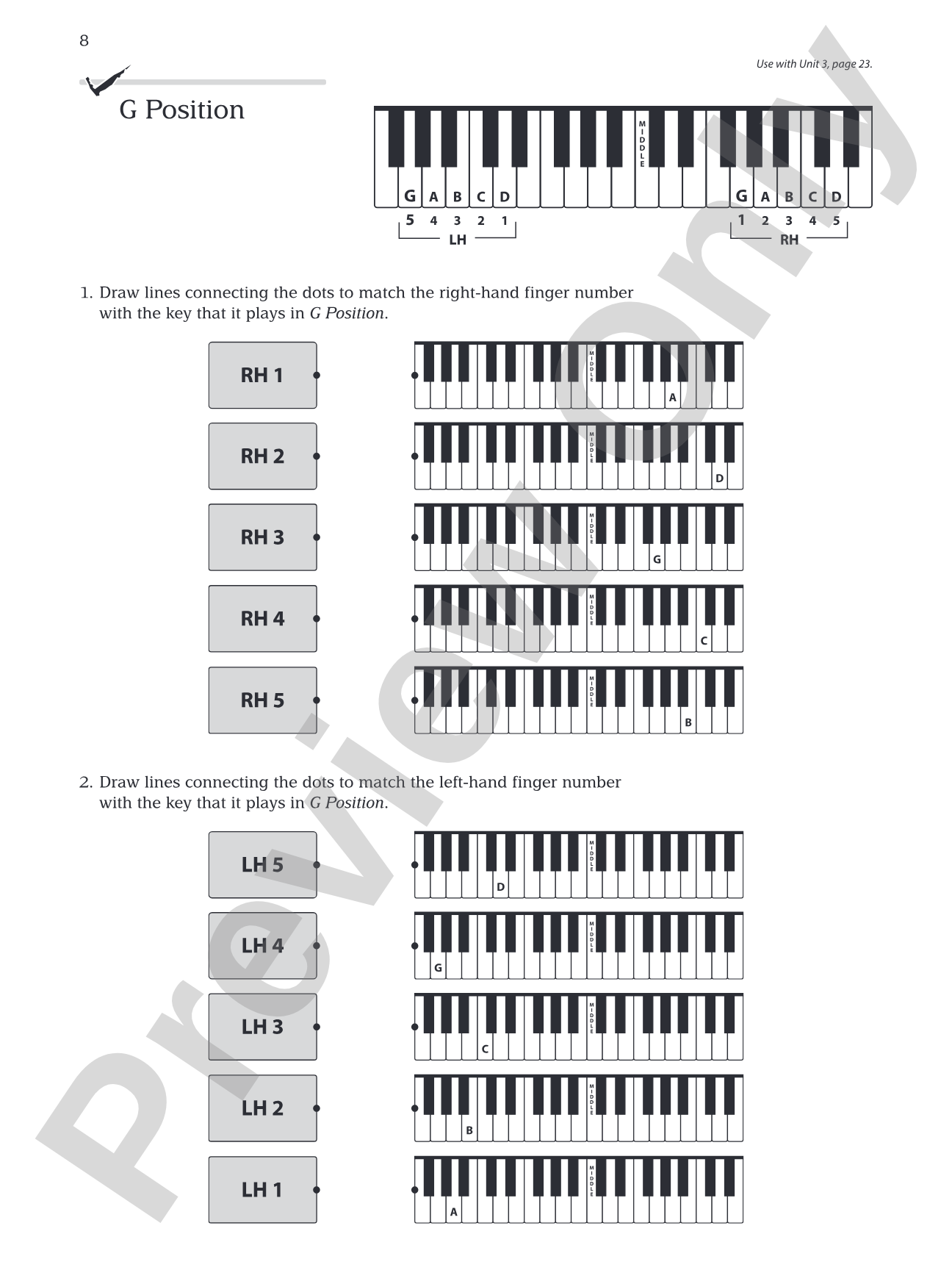
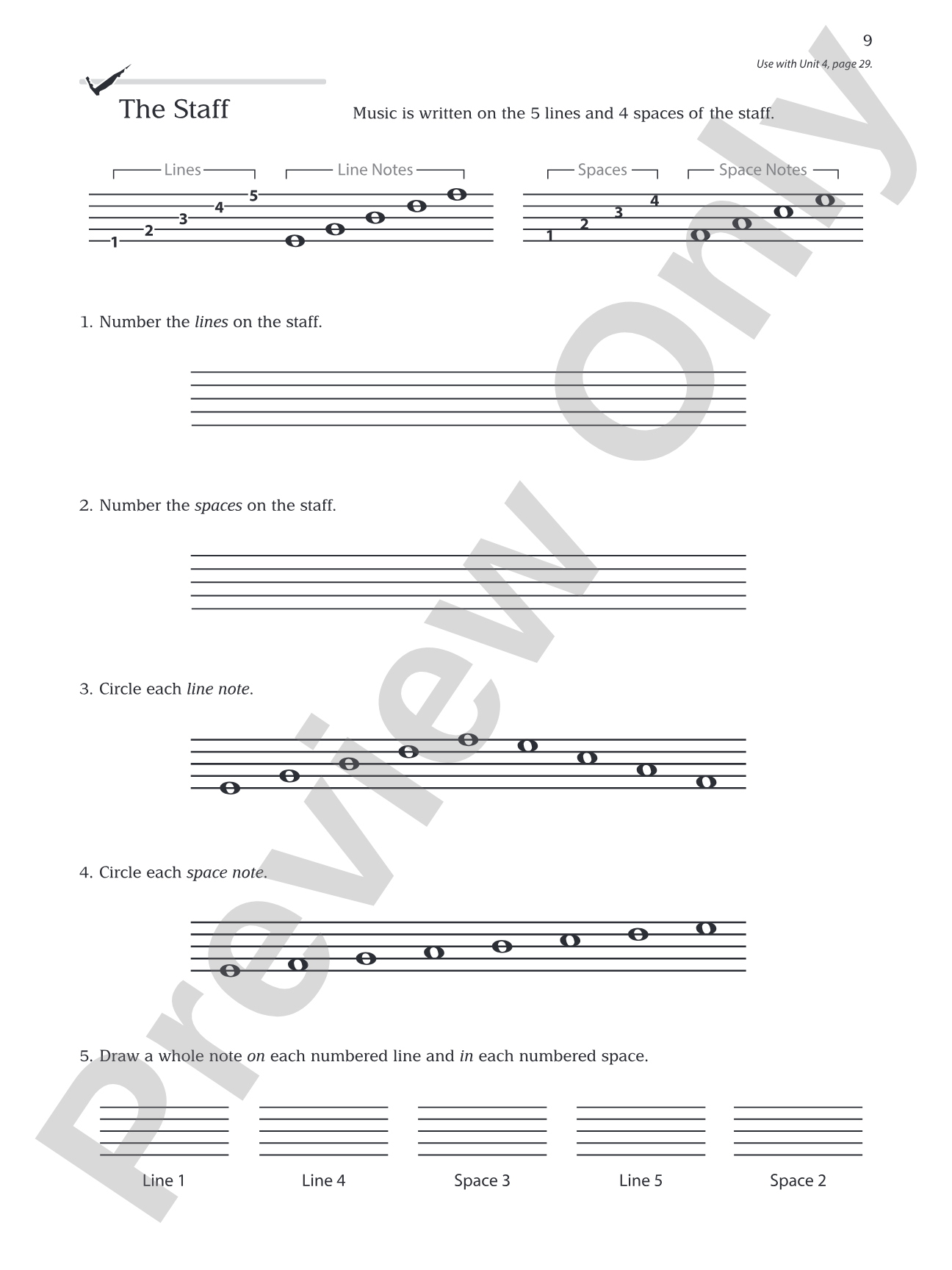
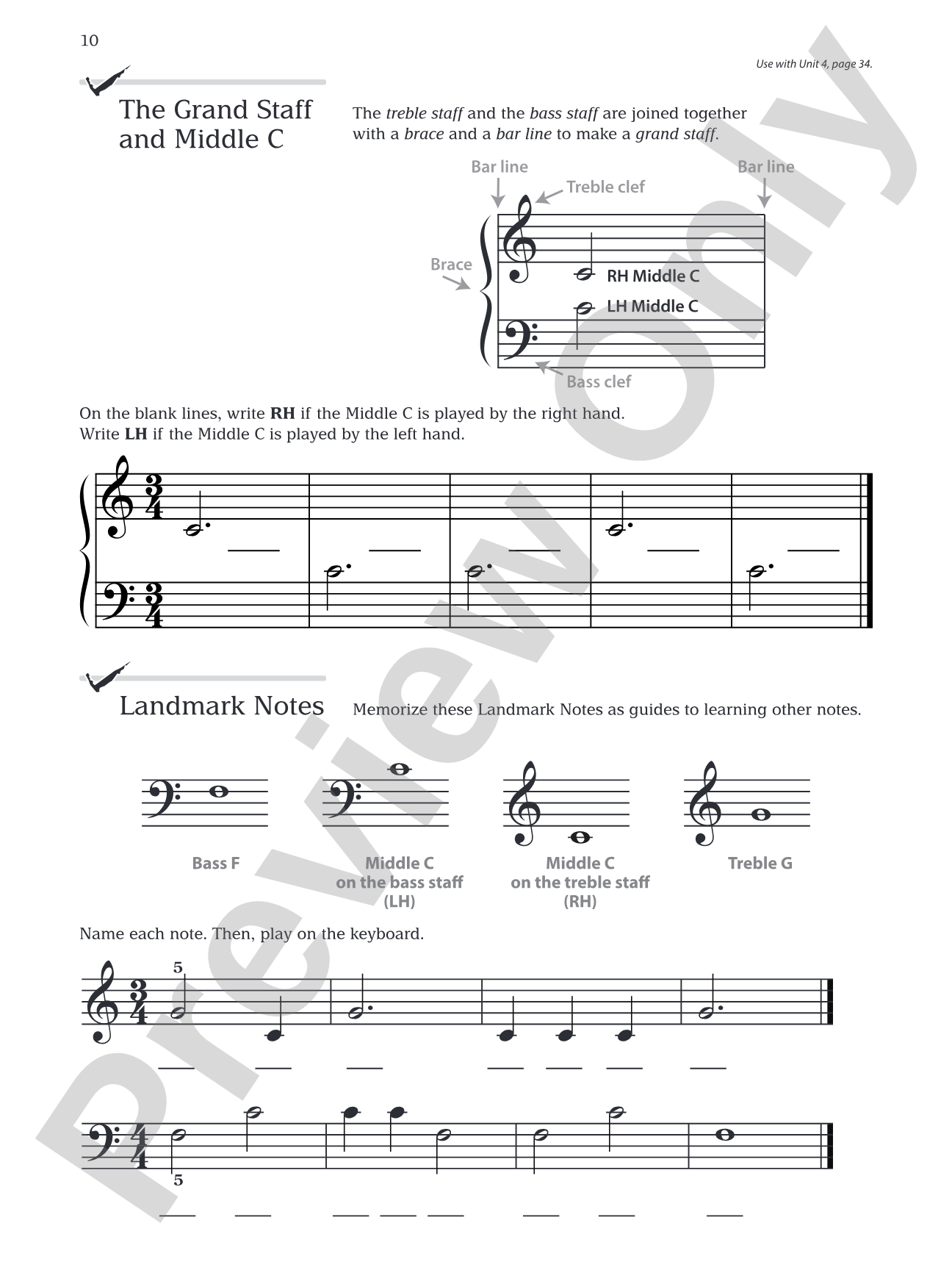
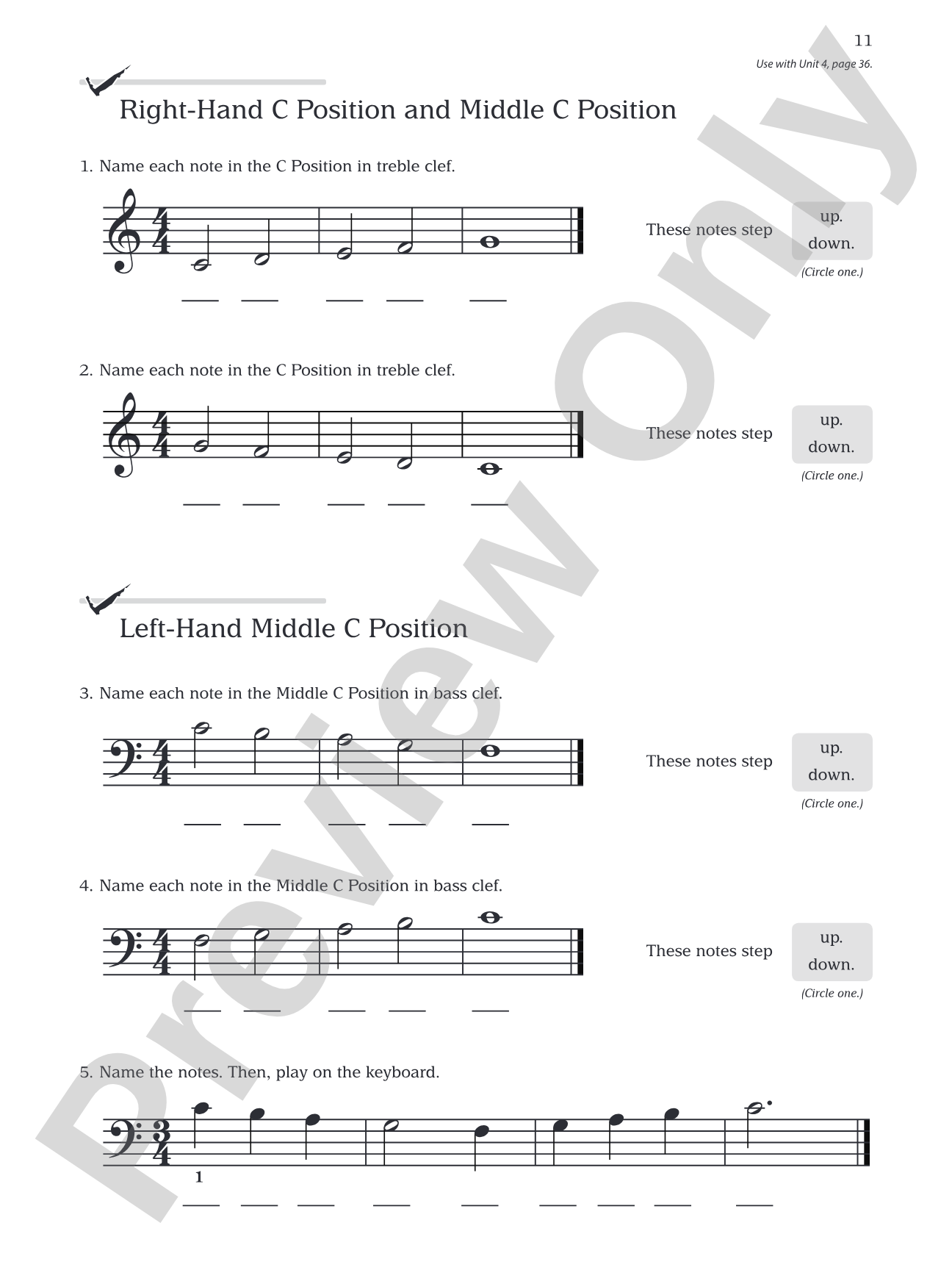
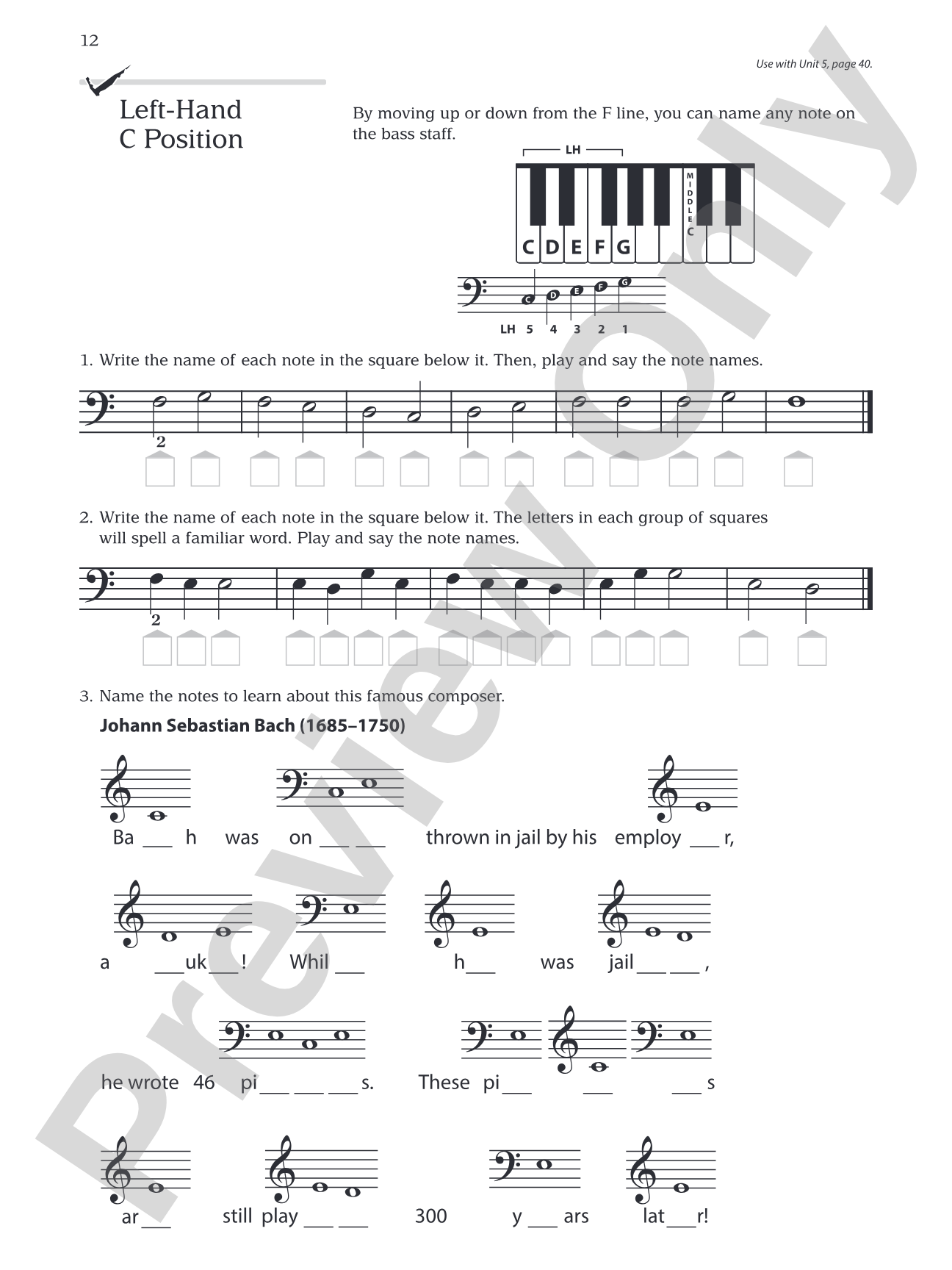
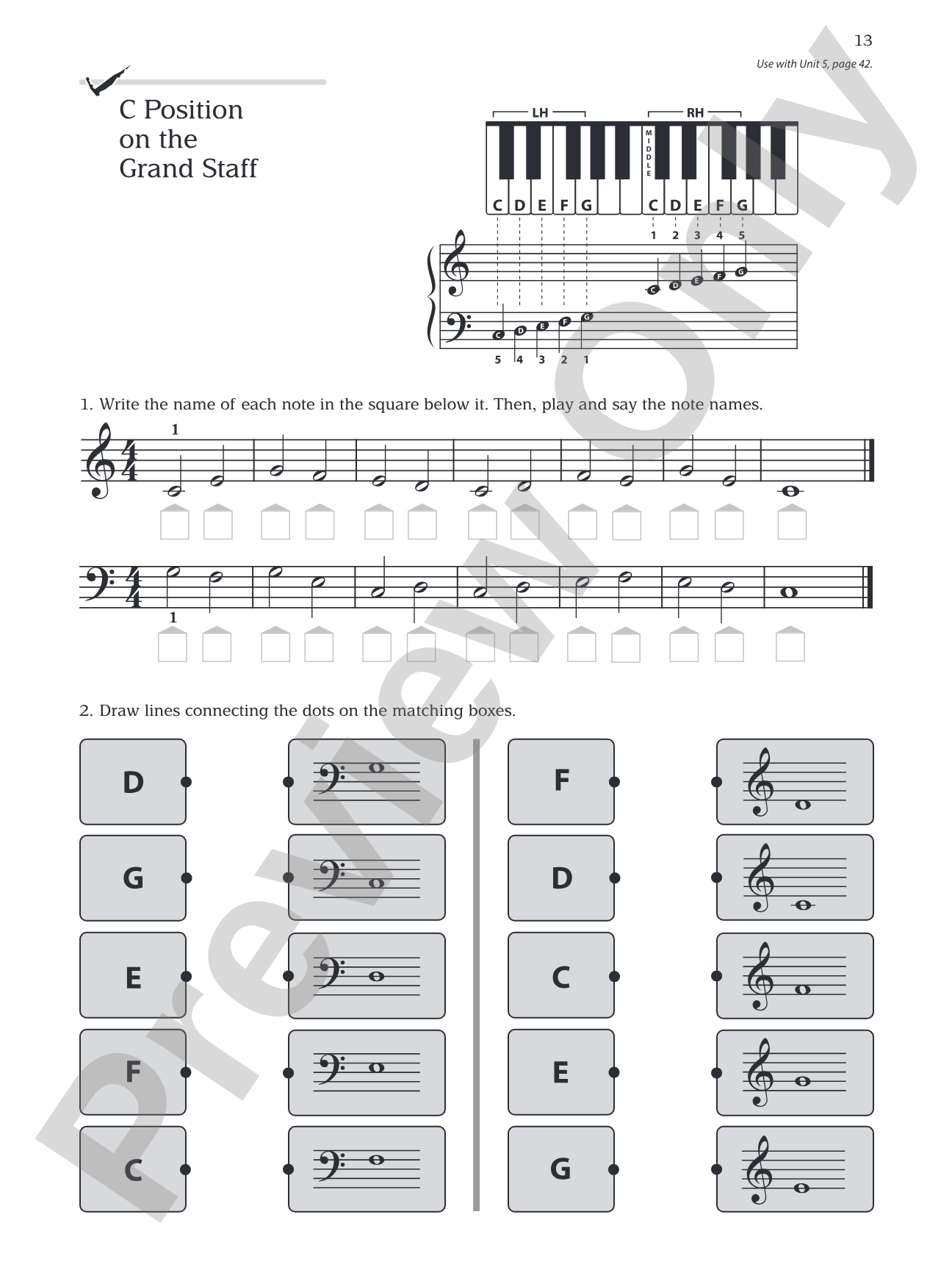
Piano 101: Notespeller, Book 1 is designed to be used with Alfred's Piano 101, Book 1. It reinforces reading concepts through written examples. Note-, interval-, and chord-identification exercises throughout the book provide systematic reinforcement to help students read and write notes on the staff. Some of the note-reading exercises also introduce famous composers.


Piano 101: Notespeller, Book 1: Carefully Sequenced Exercises That Reinforce Note-Reading Skills: Piano isn't in MakeMusic Cloud just yet...but it could be. Let us know you'd like to see it, and you'll help shape what comes next. In the meantime, start a free trial and dive into thousands of interactive titles your students can play along with today.
Request This Title
Tell us you want it.
Start Your Free Trial
Explore everything that's ready to play right now.
Sample Audio
No sample audio found.
Sample Video
No sample videos found.
Additional Details
Series:
Piano 101
Publisher:
Alfred Music
Page Count:
64
SKU:
00-PB-0000975
More about this title
About the Composer: Gayle Kowalchyk

Dr. Gayle Kowalchyk has shaped piano pedagogy through four decades of teaching, research, and curriculum development. Her academic path includes degrees in piano performance from Ohio University and Northwestern University, culminating in an Ed.D. in piano pedagogy from Teachers College, Columbia University. She has held faculty positions at California State University, Northridge, Eastern Illinois University, Oklahoma Baptist University, and the University of Oklahoma, while also serving as a clinician and adjudicator for major music education organizations including the Music Teachers National Association, Music Educators National Conference, and the World Piano Pedagogy Conference.
In collaboration with her husband, Dr. E. L. Lancaster, Kowalchyk has authored more than 300 educational piano publications, among them Alfred's Premier Piano Course and Music for Little Mozarts. Her work reflects a deep commitment to sequential, thoughtful skill-building that meets students where they are. Beyond academia, she brings practical studio experience from years of independent teaching and continues to work as a clinician for Alfred Music.
Why we love this
This notespeller directly mirrors the scope and sequence of Book 1, making it an efficient reinforcement tool that doesn't require hunting for supplementary materials from multiple sources. The combination of note identification, interval work, and chord exercises gives students multiple ways to interact with staff reading rather than drilling the same skill repetitively. Including historical composer names connects written exercises to the broader musical landscape students are exploring.
What to expect
Focused and purposeful. Each page zeroes in on one skill or interval type rather than overwhelming students with mixed reviews, creating the satisfaction of mastery rather than the frustration of sprawl. The composer names scattered throughout remind students that these abstract symbols connect to real music and real creators.
Who it's for
Piano students using Alfred's Piano 101, Book 1 who benefit from written reinforcement of note-reading concepts. Teachers and private instructors looking for systematic, coordinated practice materials that extend beyond the lesson book itself.
How to get the most out of it
- Assign exercises in the same order they appear rather than skipping around; the sequencing builds competency intentionally, with each section preparing students for what comes next
- Pair written work with playing; have students identify notes in exercises before writing answers, connecting pen-to-keyboard understanding
- Use the composer introductions as conversation starters about musical history and style, transforming note-identification from mechanics into storytelling
How to use it
Assign exercises weekly alongside corresponding chapters in the Piano 101 lesson book to deepen note-reading automaticity without adding pages of repetitive drill. Use the composer-identification exercises as a bridge between written work and the repertoire students are learning, making the connection between staff reading and actual music more tangible.
Skills your students will build
- Identifying notes on treble and bass staves with accuracy and speed
- Reading and writing intervals on the staff
- Recognizing and constructing triads and other chord types
- Associating musical notation with historical composers and musical context