
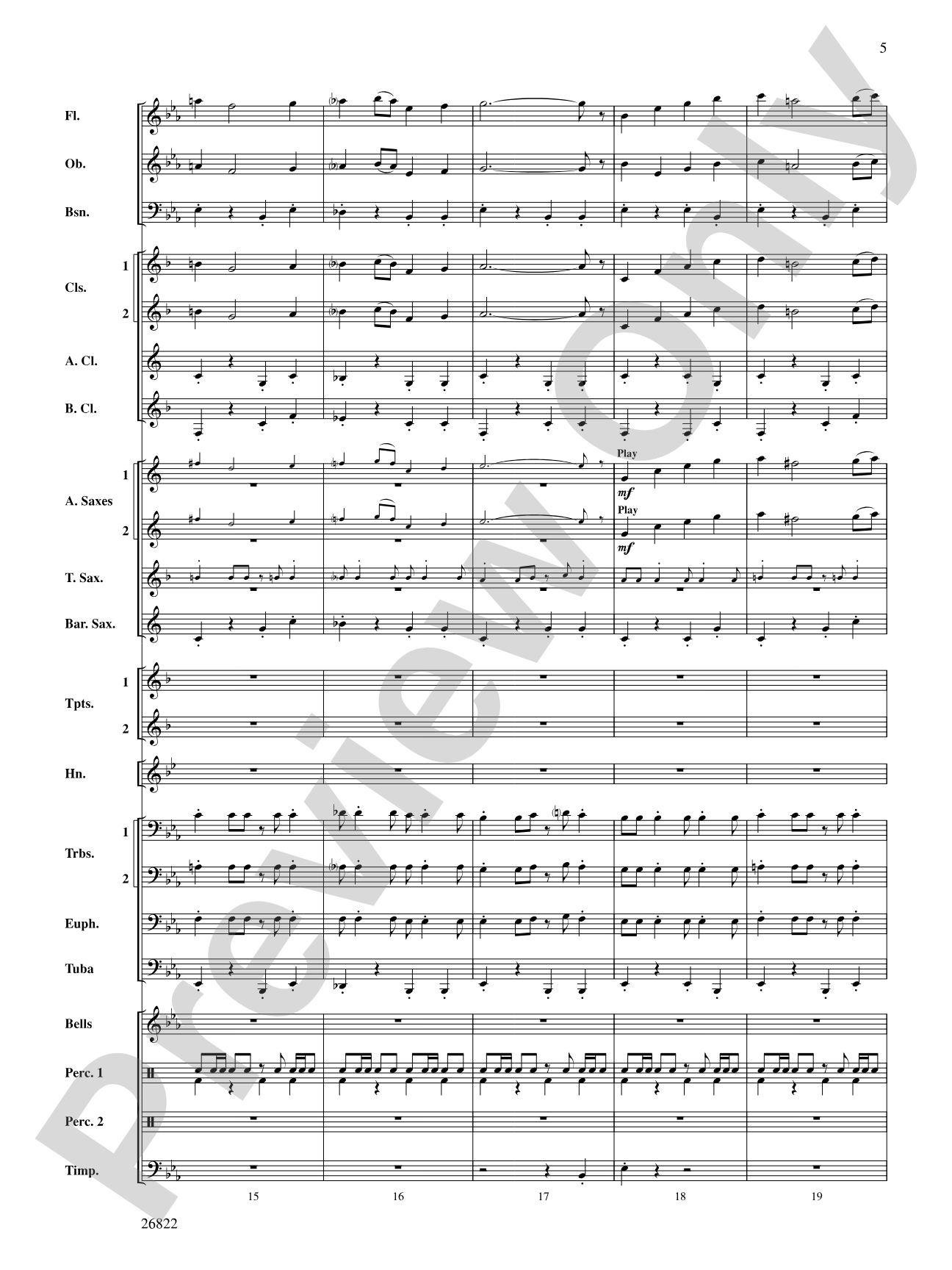
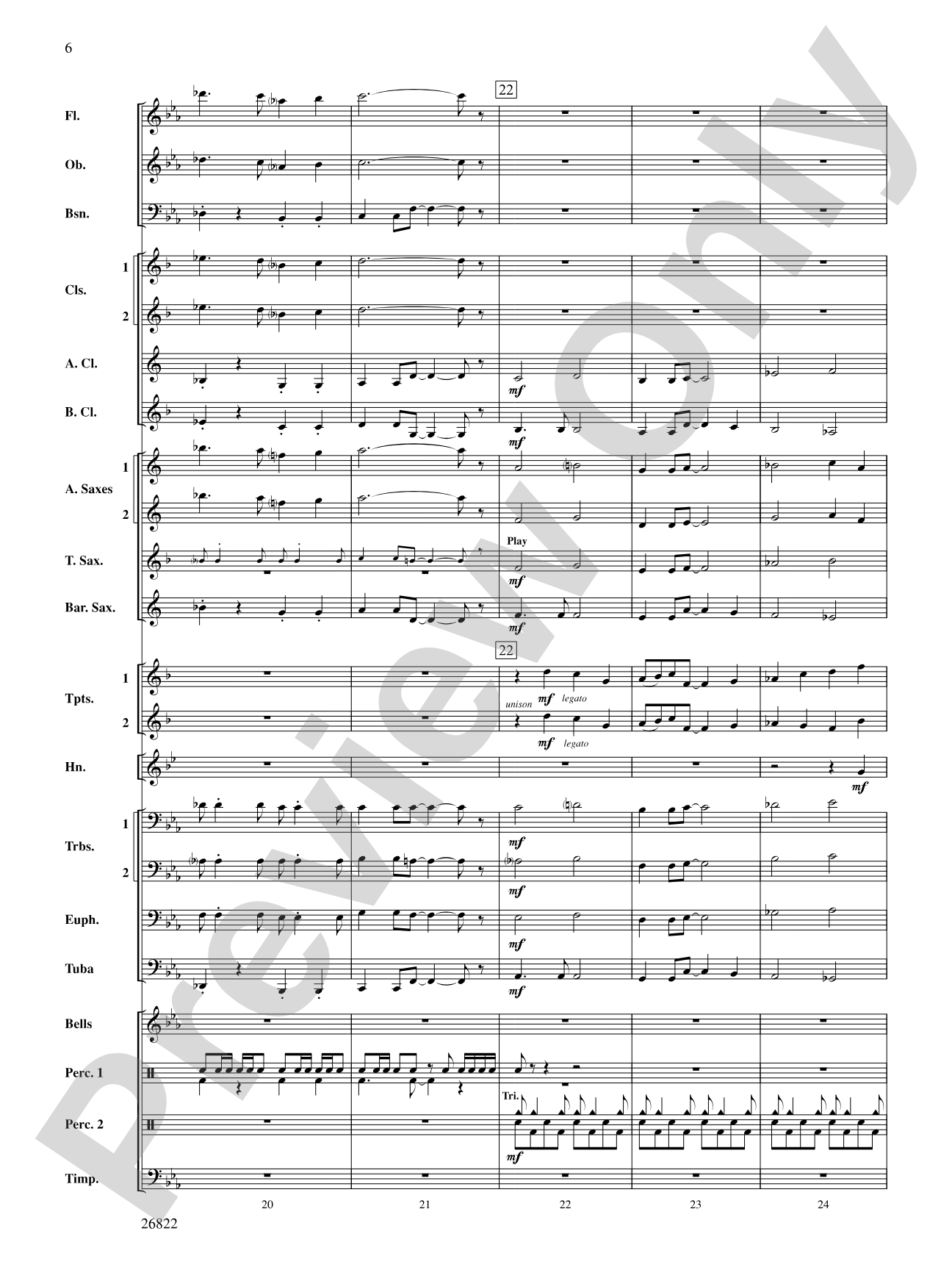
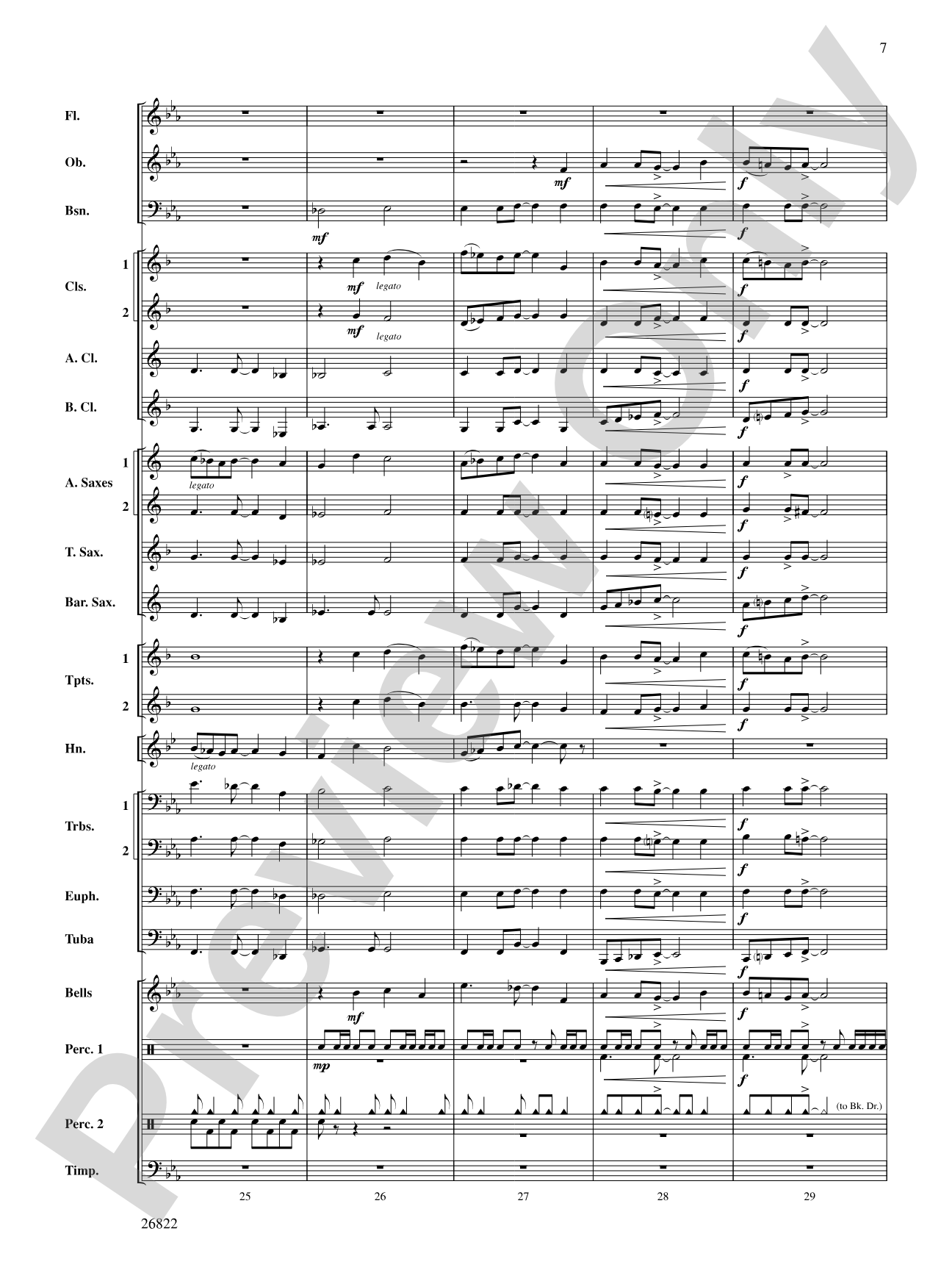
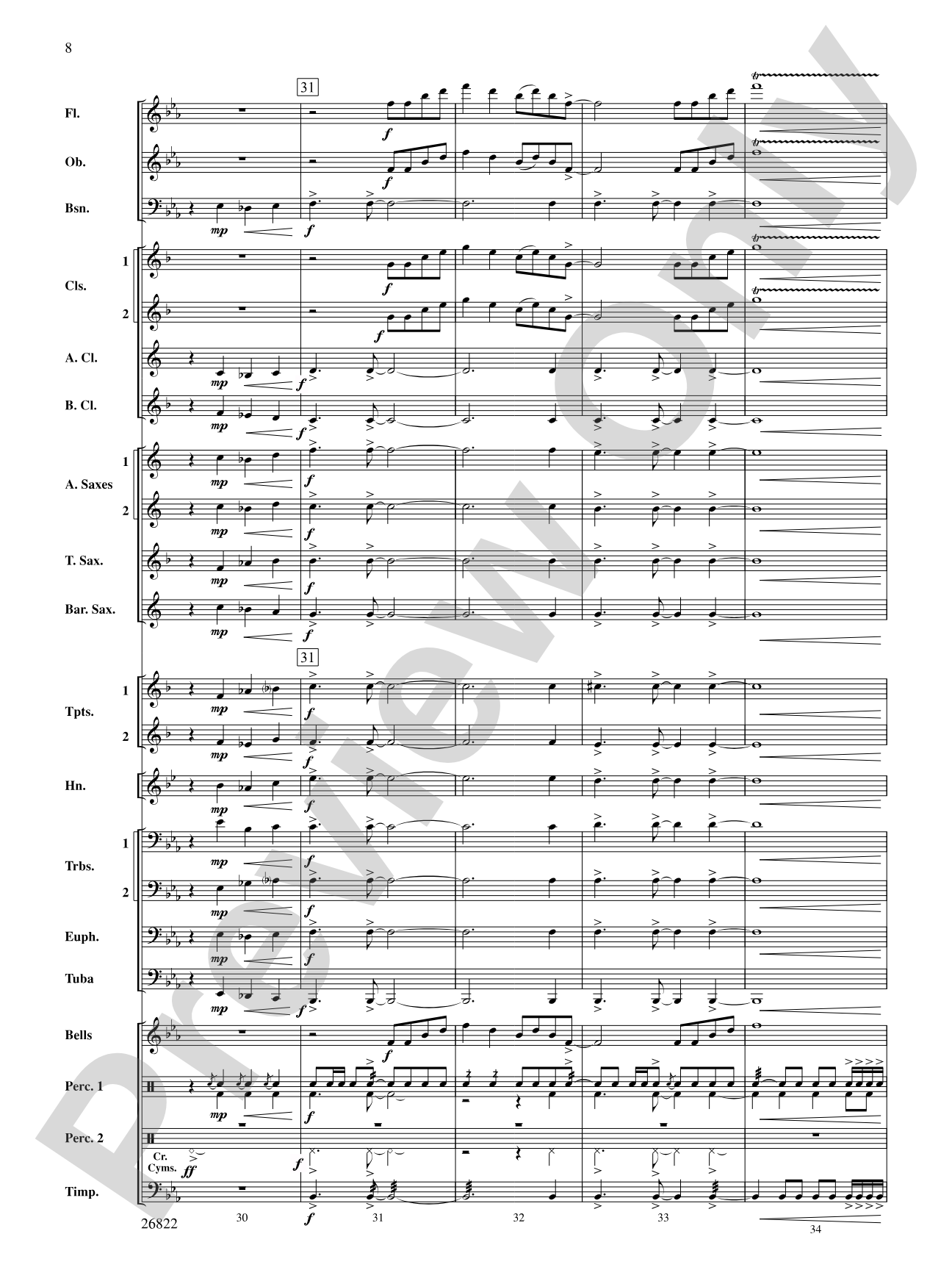
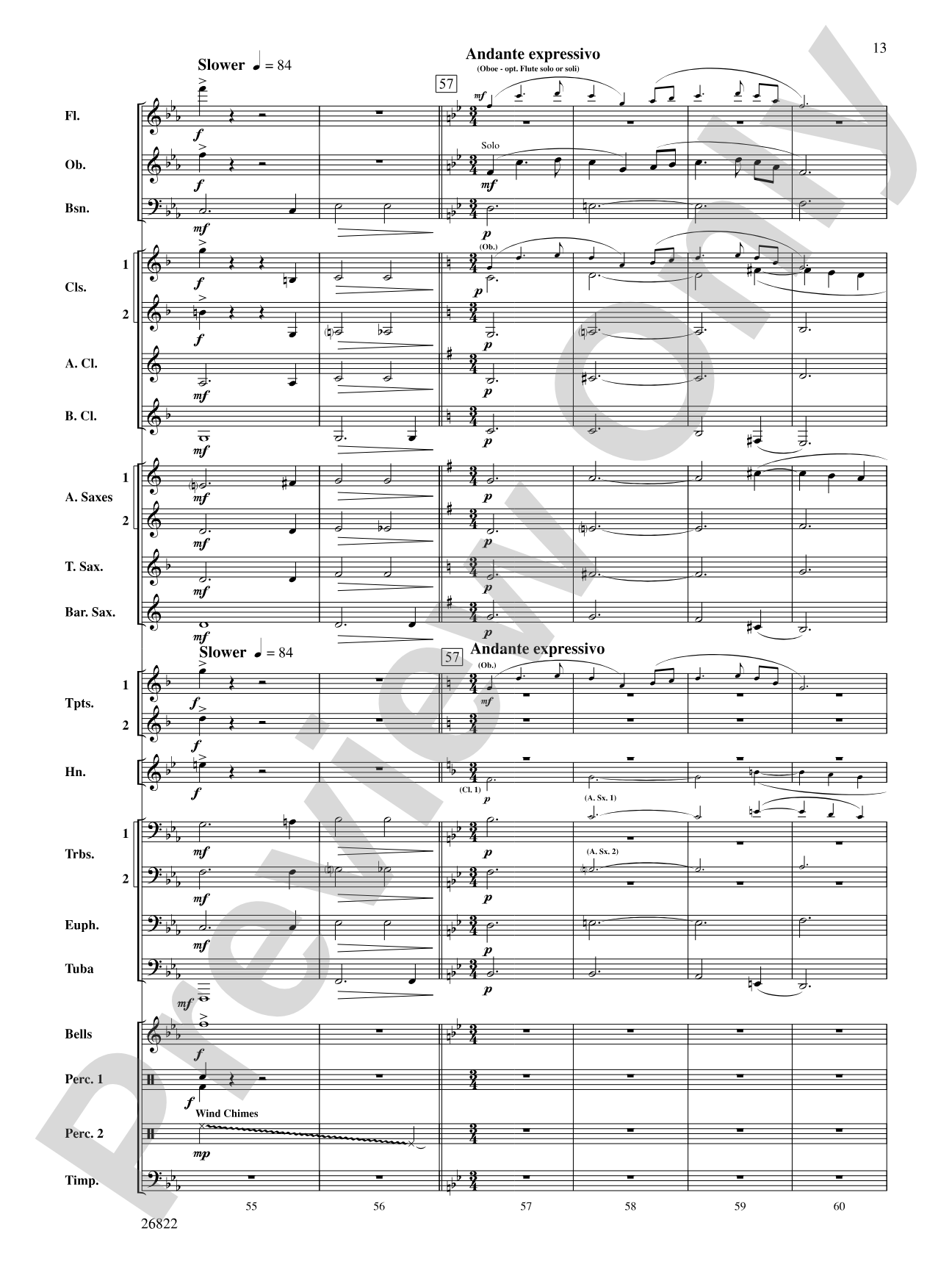
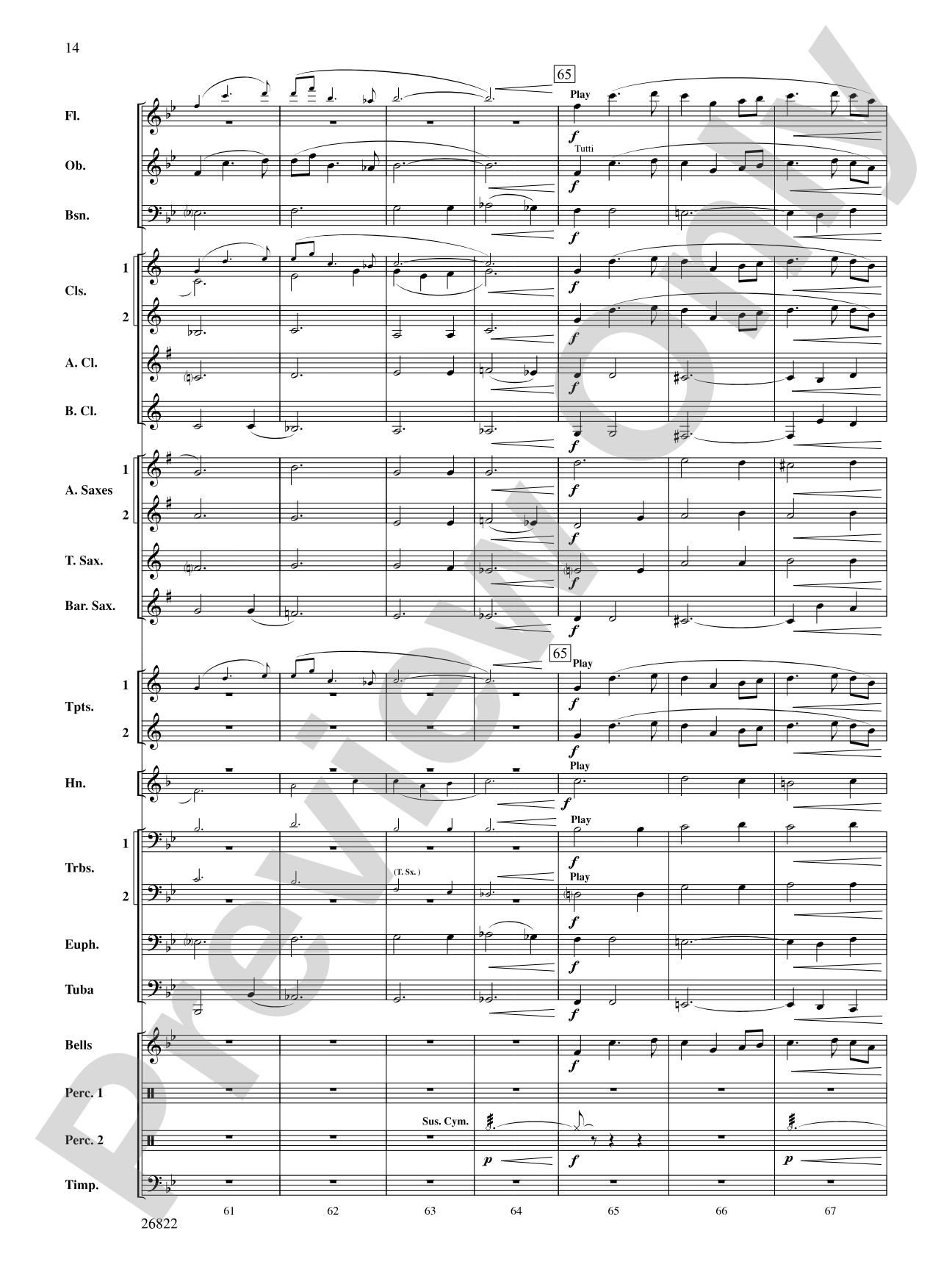
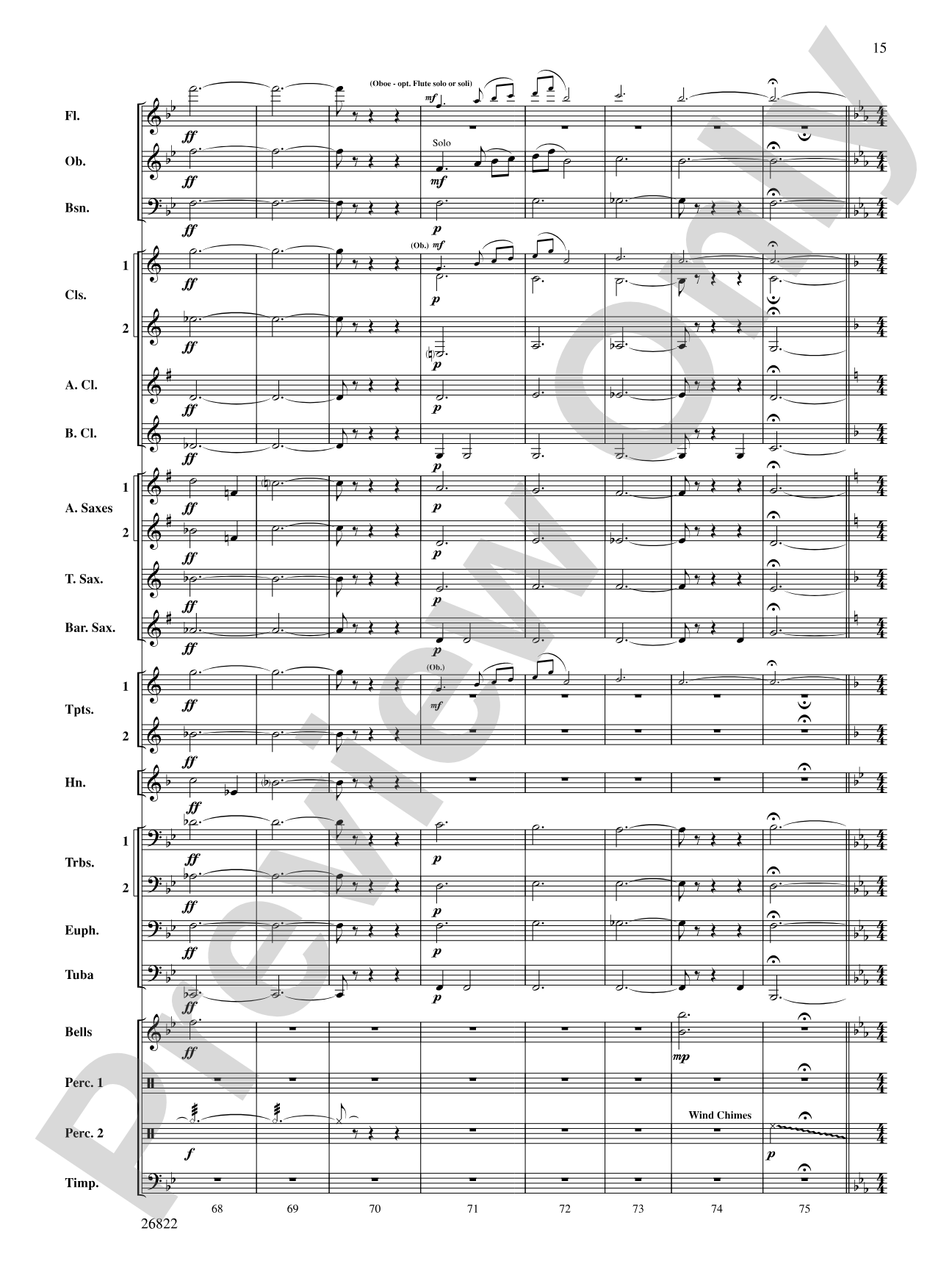
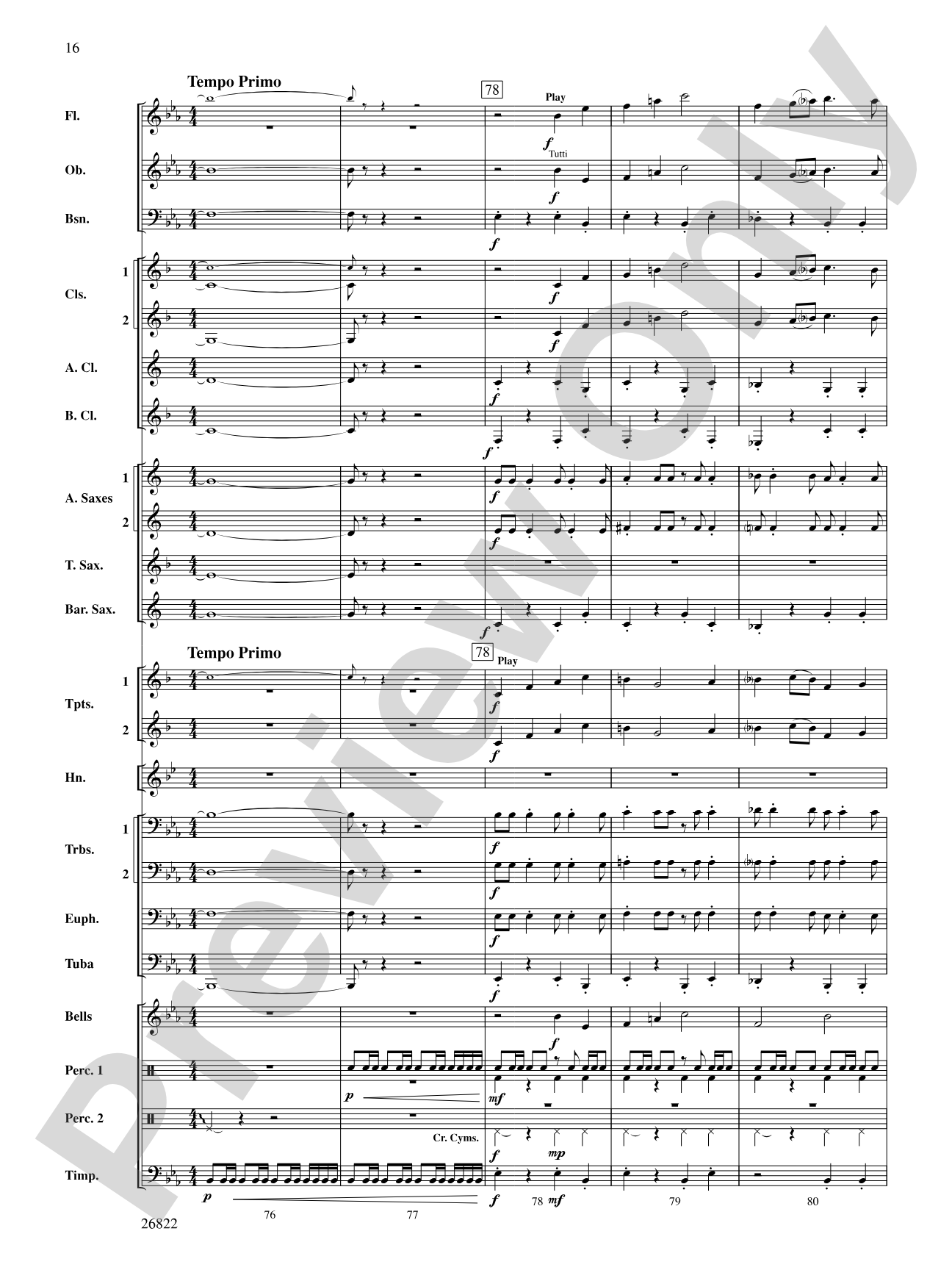

Photo Finish!: Concert Band Conductor Score & Parts
By Brant Karrick
Grade: 2.5 (Medium Easy)
Item: 00-PK-0001268

$52.00
Pickup currently not available
Buy Extra Parts (Digital PDF Download)
Parts Added to Cart!
Related Items
Photo Finish!: Concert Band Conductor Score |
$7.00
|
View |
Description
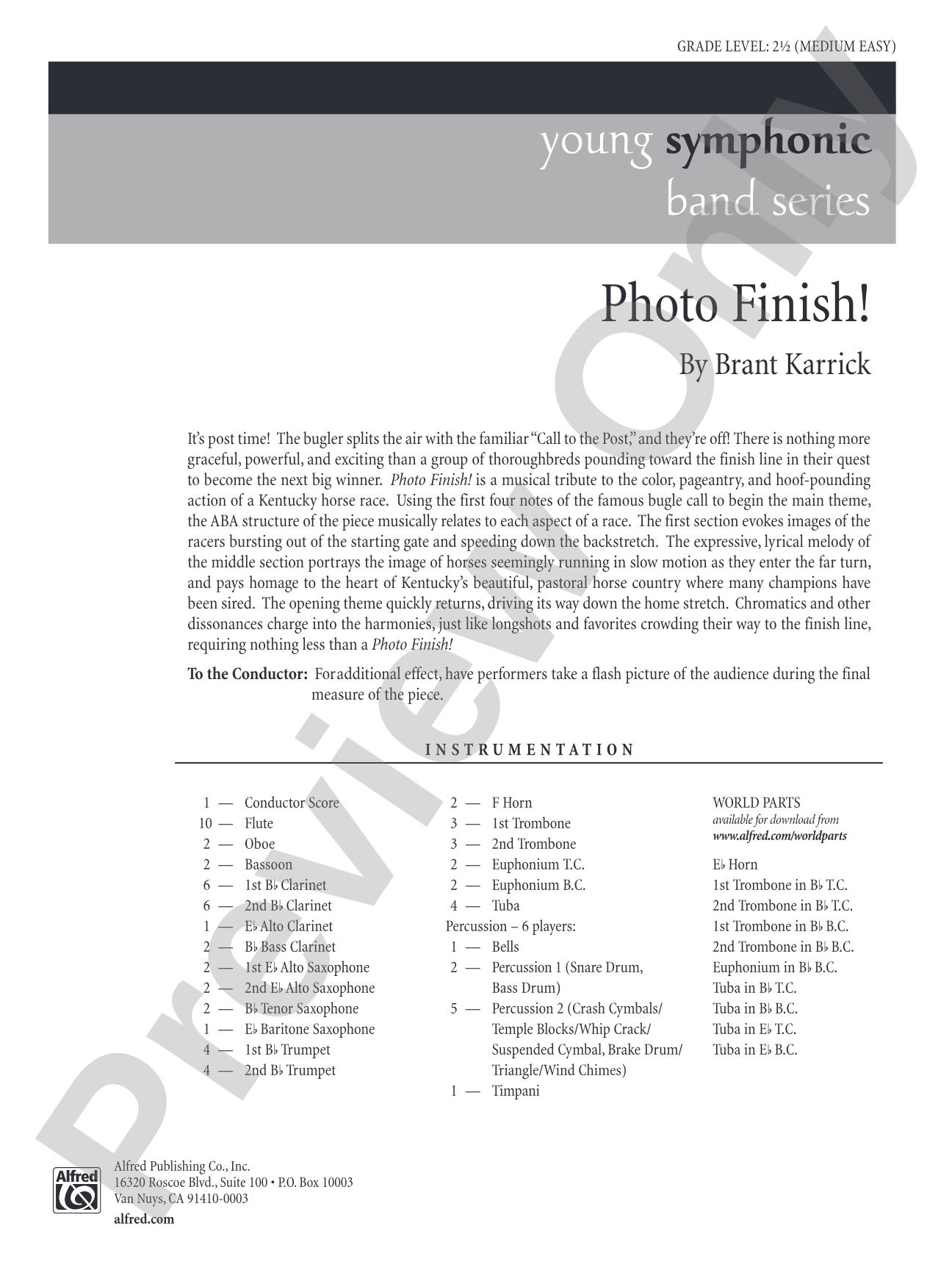
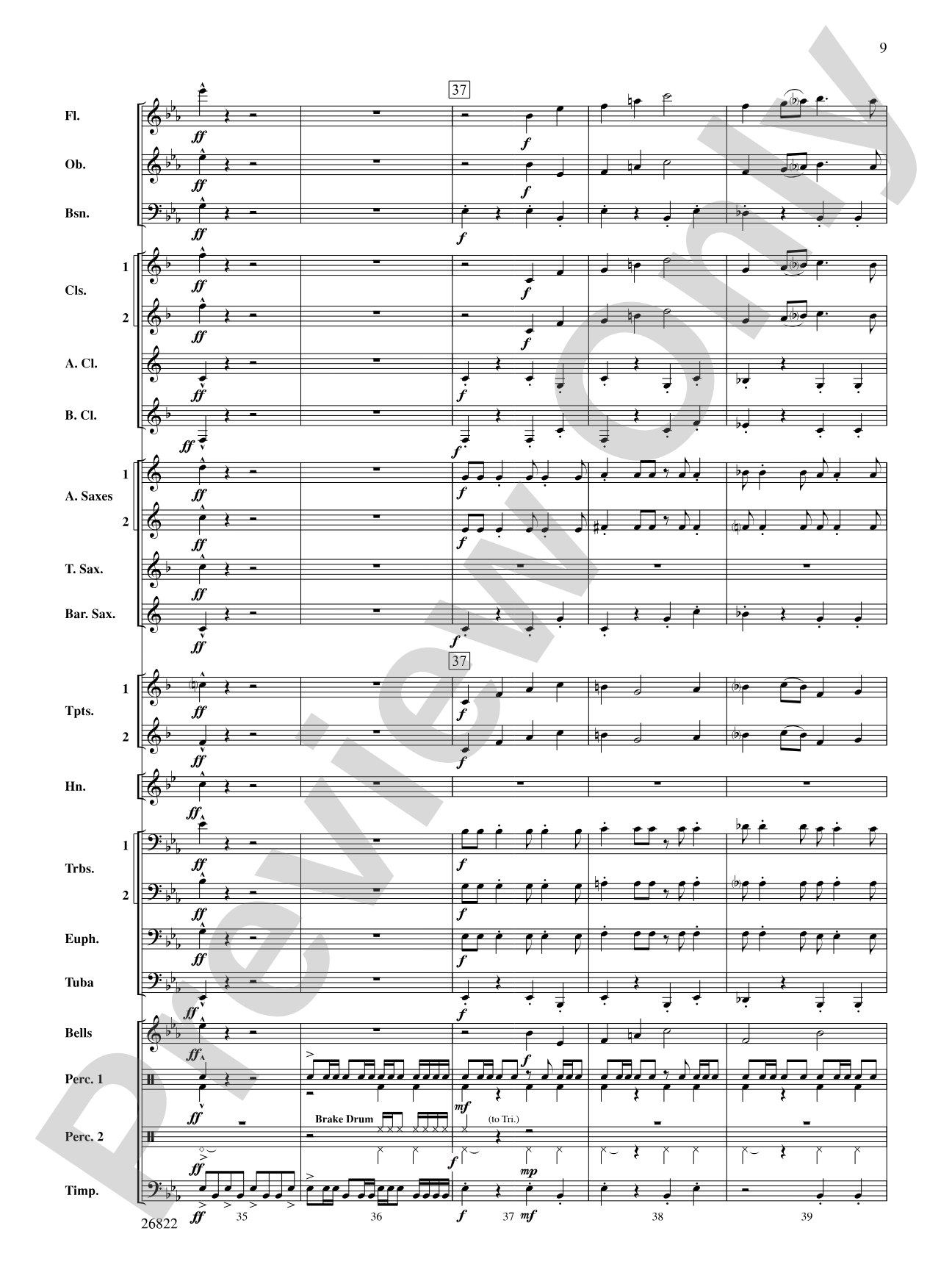
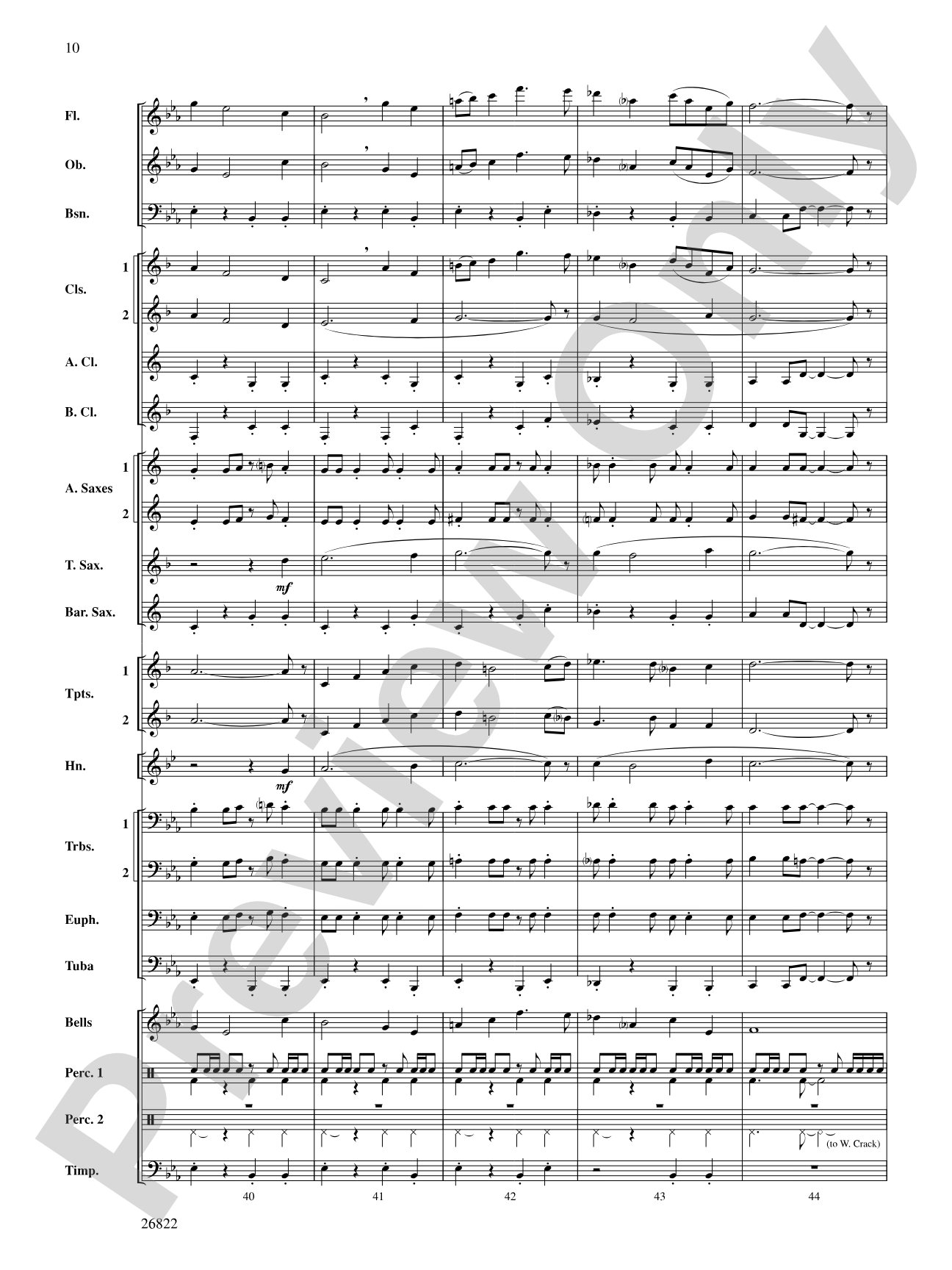
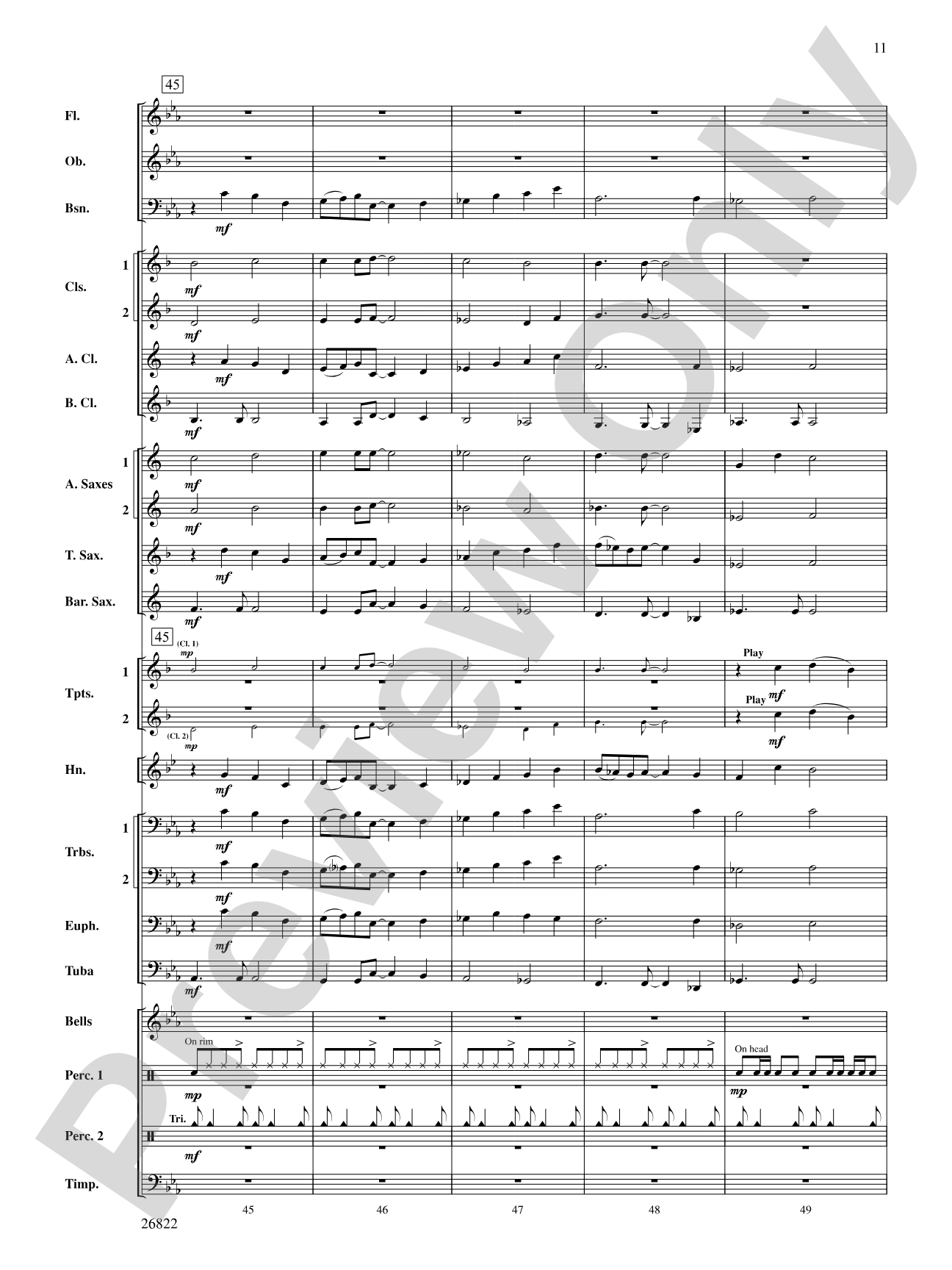
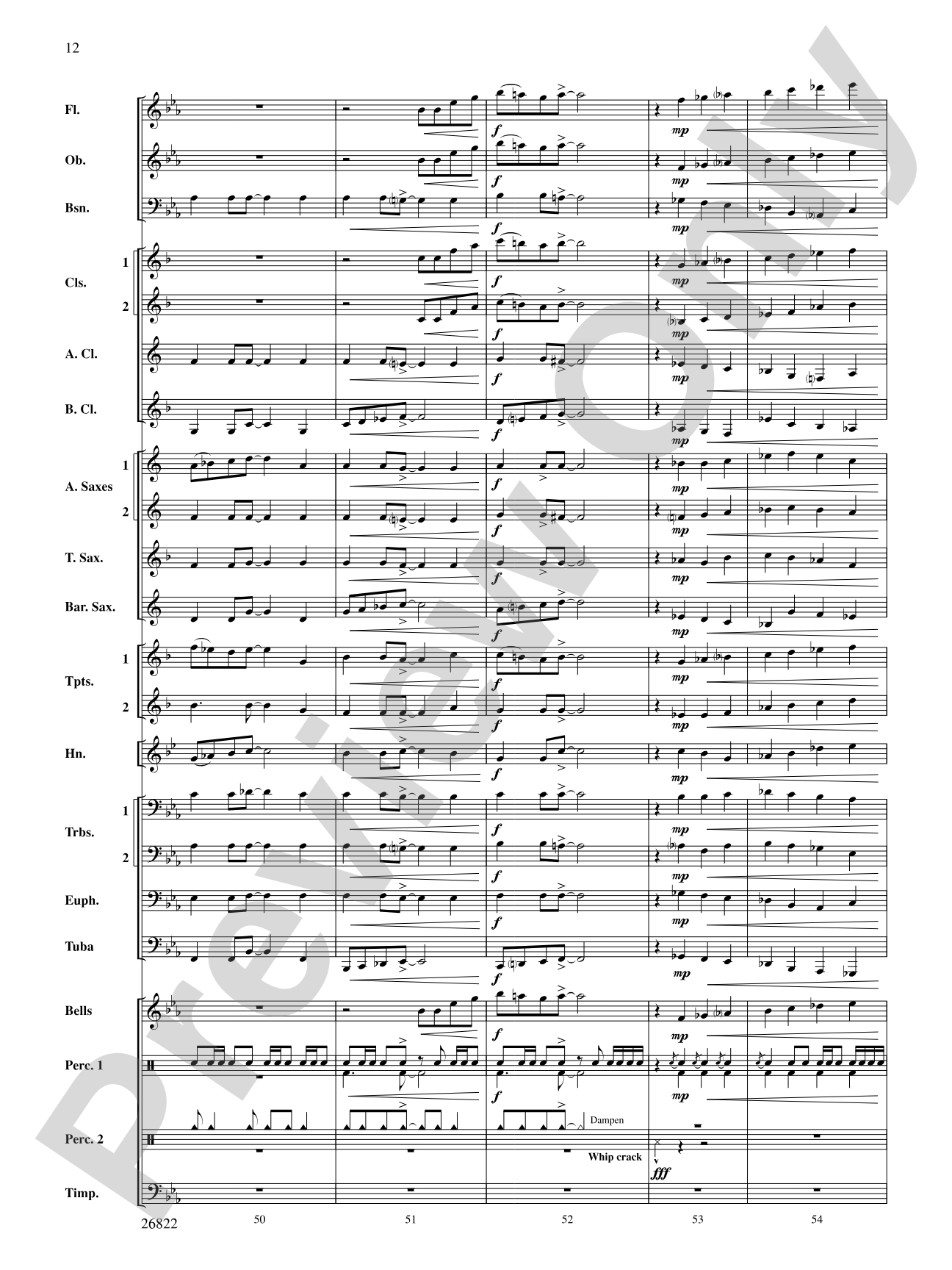
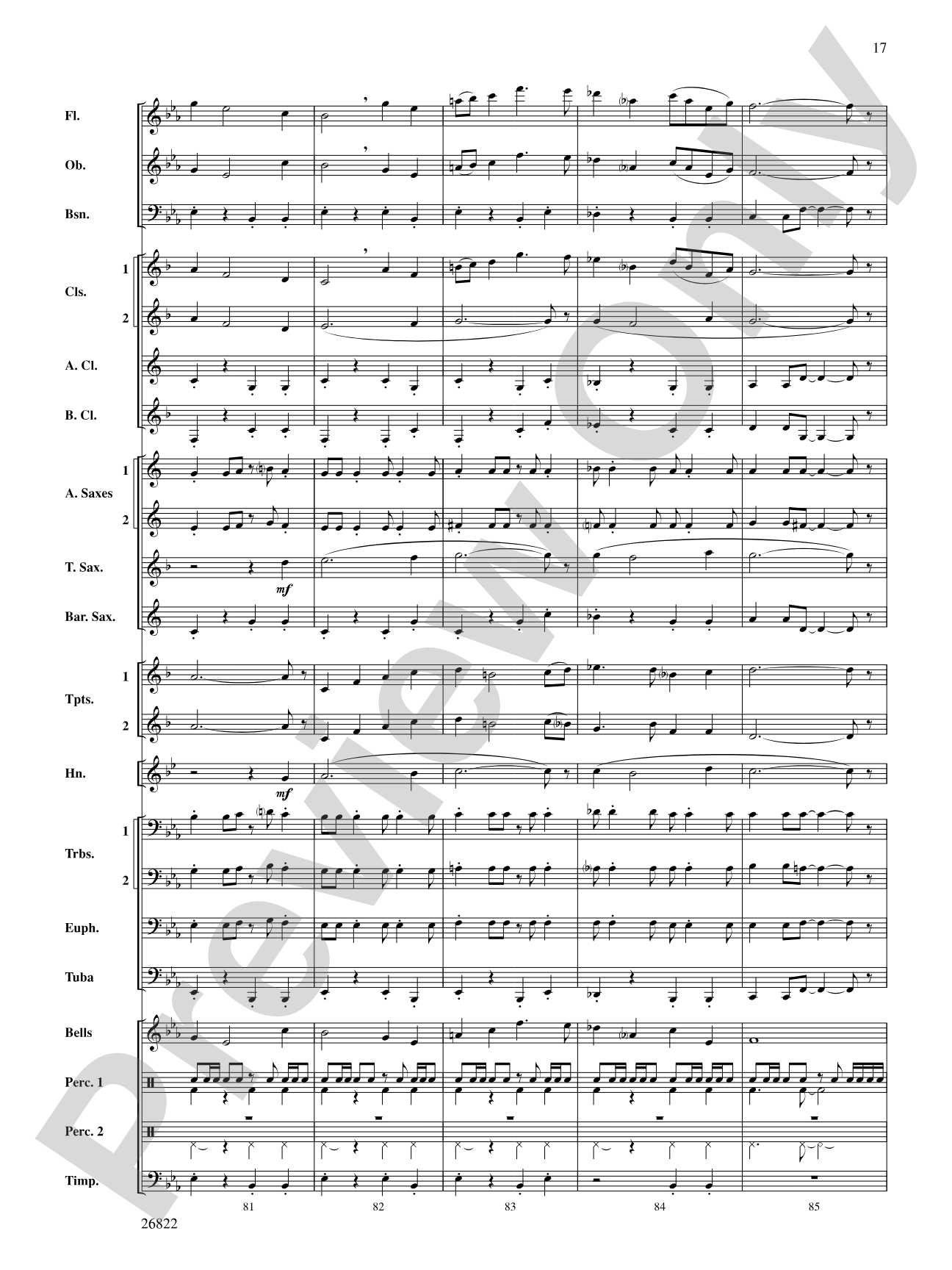
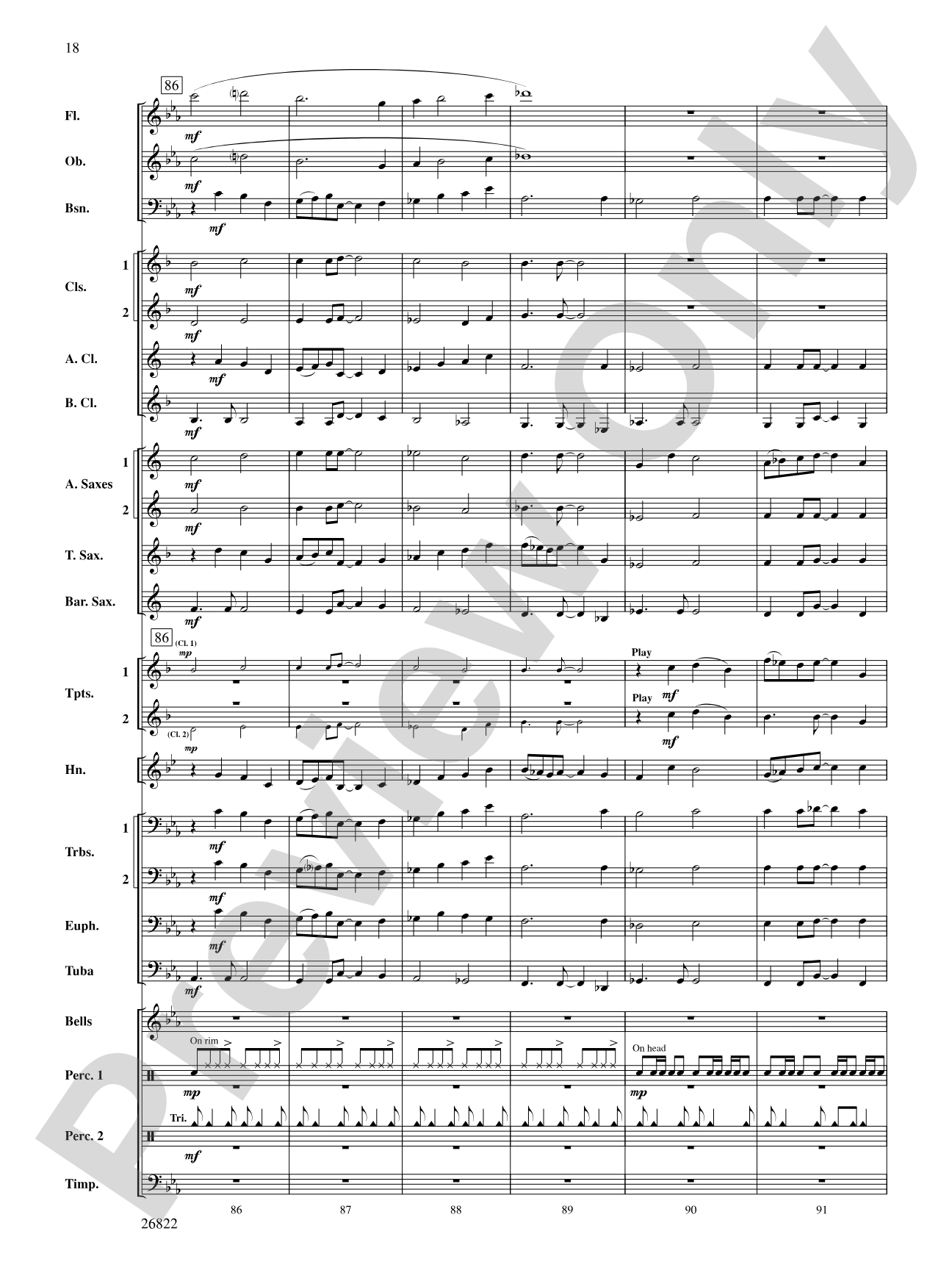
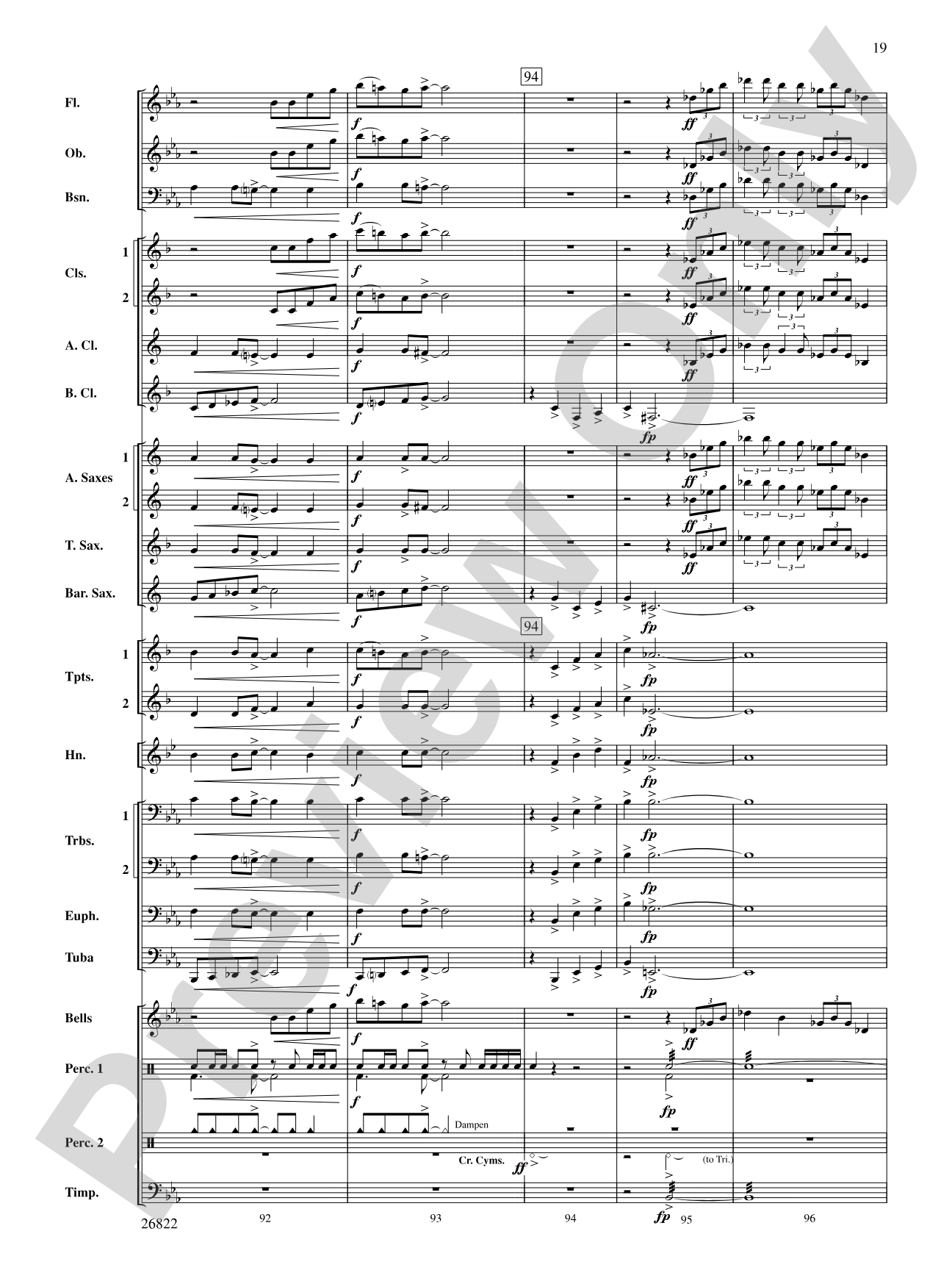
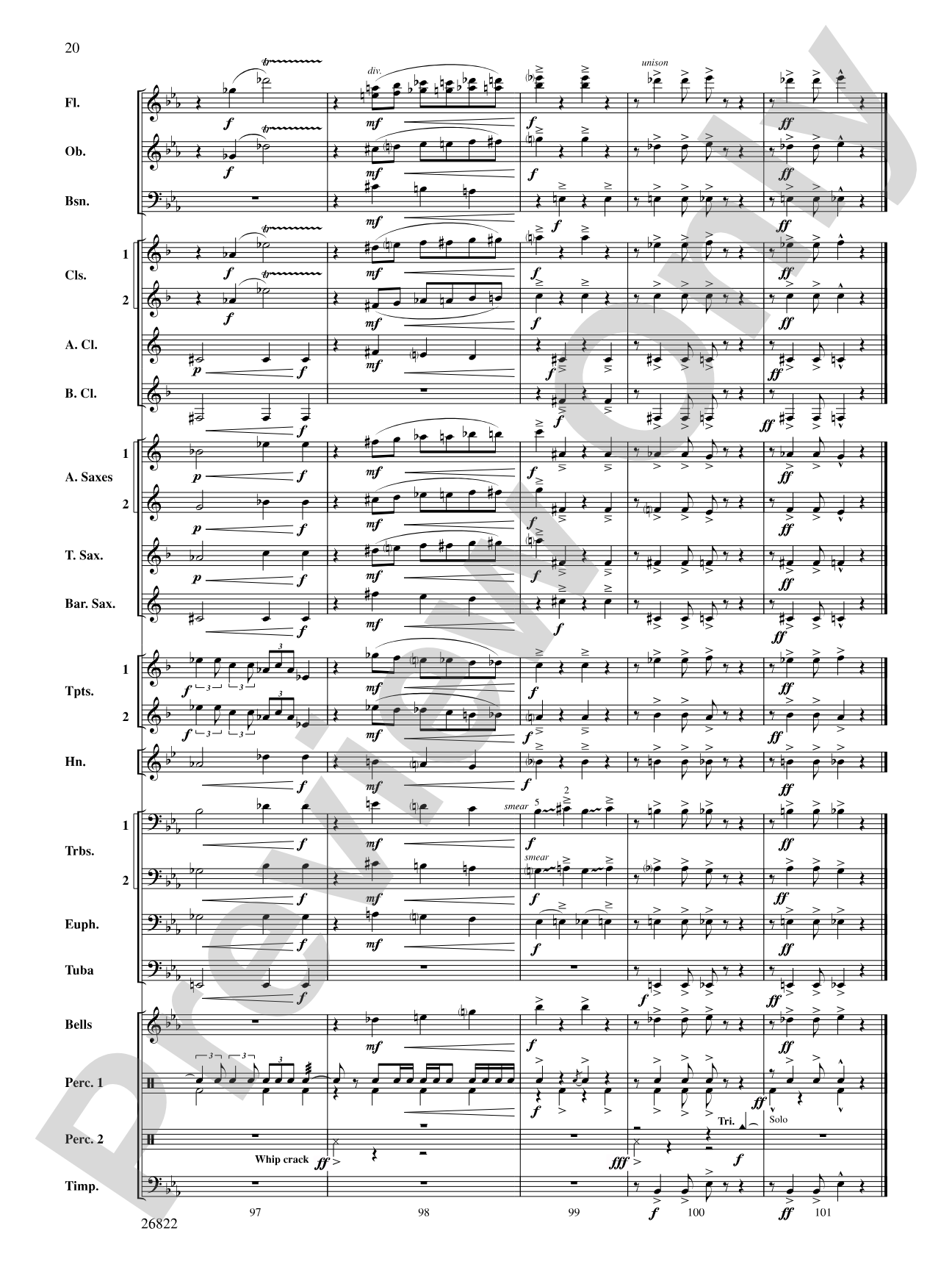
It's post time! The bugler splits the air with the familiar "Call to the Post," and they're off! There's nothing more graceful, powerful, and exciting than a group of thoroughbreds pounding toward the finish line in their quest to become the next big winner. Photo Finish! is a musical tribute to the color, pageantry, and hoof-pounding action of an exhilarating horse race. This title is available in MakeMusic Cloud.


Don't just read it, hear it, play along with it, and watch your students grow with it. In MakeMusic Cloud, Photo Finish!: Concert Band Conductor Score & Parts comes alive with professional accompaniment, adjustable tempo, and built-in practice tools that turn solo practice into real progress.
Open in the Player
Jump straight in and assign it today.
Start Your Free Trial
Open this title and explore the full library in minutes.
Sample Audio
1
Audio File
--:--
0:00
0:00
Sample Video
No sample videos found.
Additional Details
Series:
Young Symphonic
Publisher:
Alfred Music
Page Count:
131
SKU:
00-PK-0001268
More about this title
About the Composer: Brant Karrick

Brant Karrick has shaped band programs across three decades as a conductor, educator, and composer. Since 2003, he has directed the band program at Northern Kentucky University, where he teaches conducting, orchestration, and methods courses while overseeing the Symphonic Winds, Concert Band, and Chamber Winds. His earlier career included nine years at the University of Toledo and seven years teaching in Kentucky public schools.
Karrick's compositions have circulated internationally, performed across North America, Europe, South Africa, and Asia. He holds a doctorate in music education from Louisiana State University (1994) and remains active as a guest conductor, clinician, and adjudicator. His work reflects training under esteemed mentors including conductor Frank Wickes and composers David Livingston and Steve Beck.
Why we love this
Photo Finish captures genuine excitement without requiring advanced chops from your students. The programmatic storytelling, bugler fanfare, the thunder of hooves, the climactic finish, gives young bands a concrete narrative to shape, making rehearsals feel purposeful and performances feel like events. It's the kind of piece that reminds students why they joined band in the first place.
What to expect
Cinematic and propulsive. The piece builds from ceremonial fanfare through galloping momentum to an exhilarating climax, painting a vivid picture of racing excitement without ever becoming cluttered or overwhelming. It's spirited and playful, music that makes an audience lean forward in their seats.
Who it's for
Conductors building confident Grade 2 and 3 concert bands will find this piece engaging for both students and audiences. It works well for groups seeking concert or festival material that combines approachability with genuine musical interest.
How to get the most out of it
- Shape the "Call to the Post" opening with clarity and ceremony; this sets the scene and needs to feel official before the action begins.
- Lock the rhythmic drive of the middle section by having your rhythm section nail the pulse together first, then layer in the melodic voices.
- Build the final stretch like an actual horse race, accelerate slightly, lean into the forward motion, and hit that finish line with conviction.
- Use the recorded accompaniment to give your students a reference for pacing and energy; it prevents the performance from sagging in the middle section.
How to use it
Program this as a centerpiece for a concert themed around Americana or sporting traditions. Its accessibility makes it ideal for festival competition, and its theatrical quality works equally well in a concert setting where you want to showcase the band's musicality and rhythmic control.
Skills your students will build
- Executing dotted rhythms and syncopated figures with precision
- Balancing ensemble sound across multiple melodic lines
- Maintaining rhythmic stability in driving, repetitive accompaniment patterns
- Responding to dynamic shaping and tempo control from the conductor
- Playing with clarity and presence in brief solo or section-feature moments